Content Menu
● Why Gas Regulator Selection Matters in Welding
● Understanding the Main Types of Welding Gas Regulators
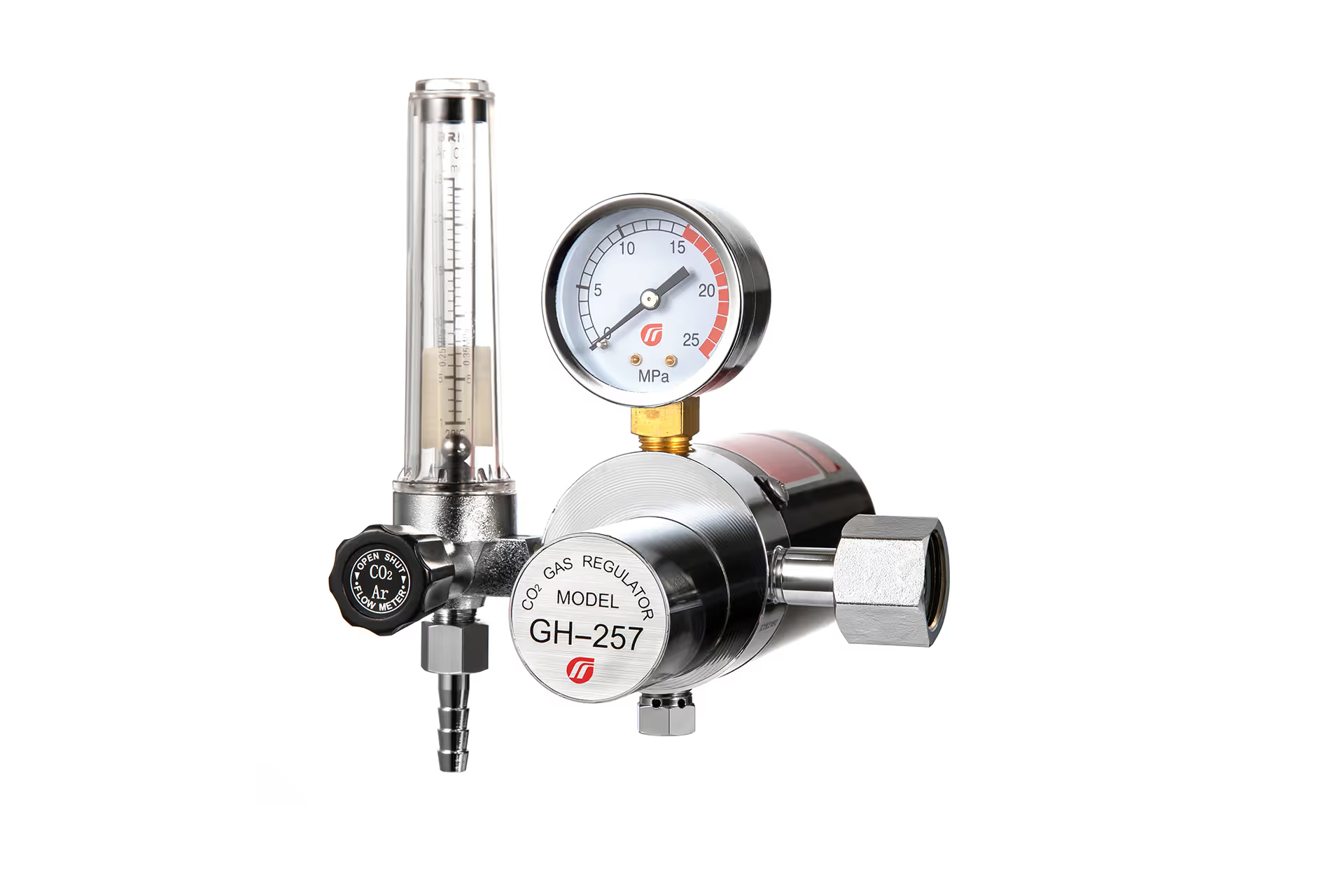
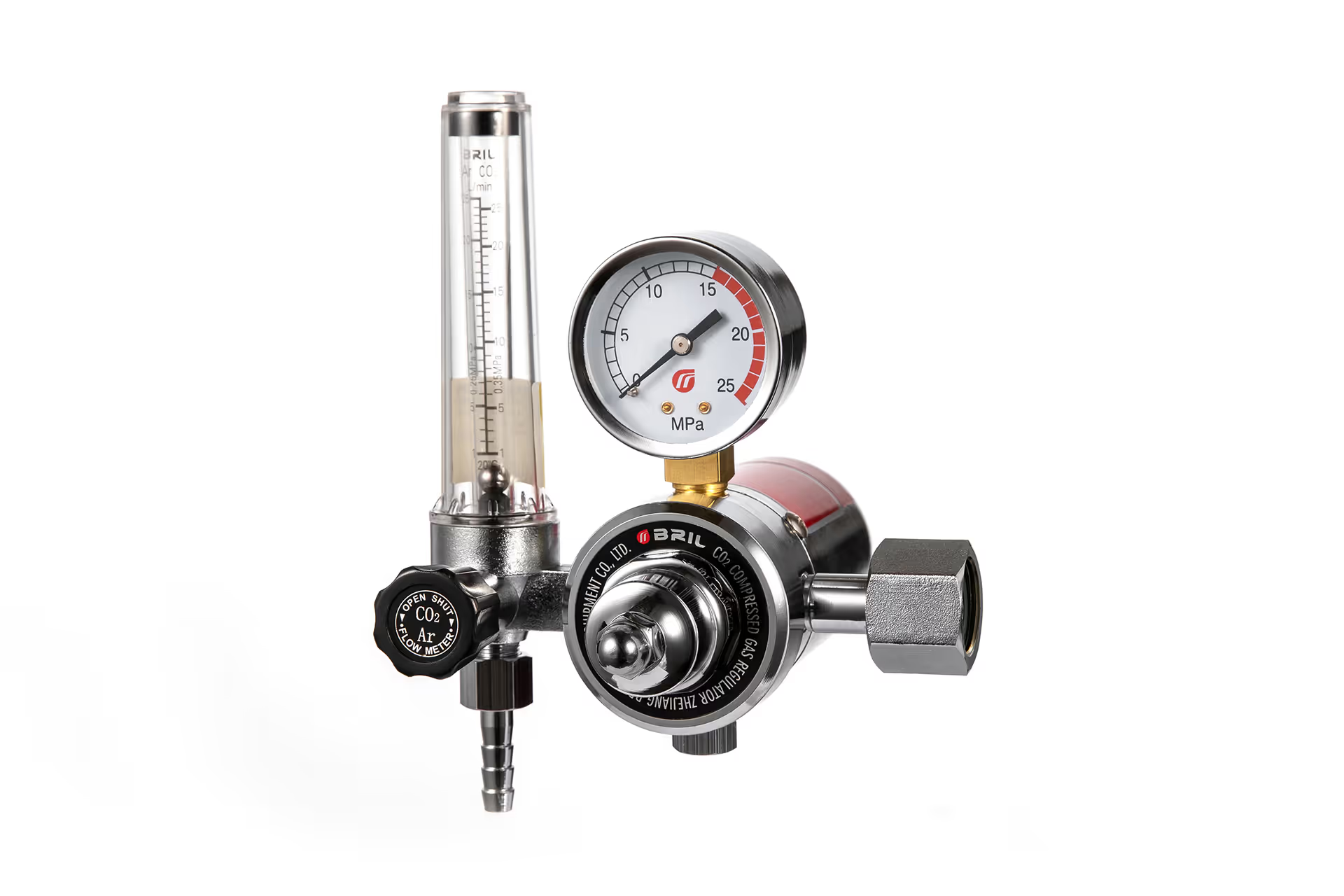
>> CO₂ Regulators for MIG Welding
>> CO₂ Heated Regulators for High-Duty Applications
>> Argon Regulators for TIG and MIG Welding
>> Oxygen Regulators for Cutting and Welding
>> Acetylene and Propane Regulators
>> Nitrogen Regulators for Industrial Applications
● Single-Stage vs. Dual-Stage Gas Regulators
>> When a Dual-Stage Regulator Is Worth It
● How to Select the Right Gas Regulator
>> Step 1: Confirm the Gas Type
>> Step 2: Match the Cylinder Connection
>> Step 3: Determine Required Outlet Pressure and Flow
>> Step 4: Evaluate Material and Manufacturing Quality
● Safe Gas Regulator Setup: A Practical Checklist
>> Before Connecting the Regulator
>> Why “Open Slowly” Is Important
● Common Regulator Problems and Troubleshooting
● Gas Regulator Maintenance and Inspection
>> Monthly or Scheduled Checks
● OEM and ODM Gas Regulator Solutions
● FAQ
>> 1.What is the difference between a CO₂ regulator and an argon regulator?
>> 2.Do I need a heated CO₂ regulator for MIG welding?
>> 3.Why does my welding gas regulator freeze?
>> 4.Can I use one regulator for oxygen and propane?
>> 5.What is the advantage of a dual-stage gas regulator?
>> 6.How often should a gas regulator be replaced?
>> 7.Can I use Teflon tape on a cylinder-to-regulator connection?
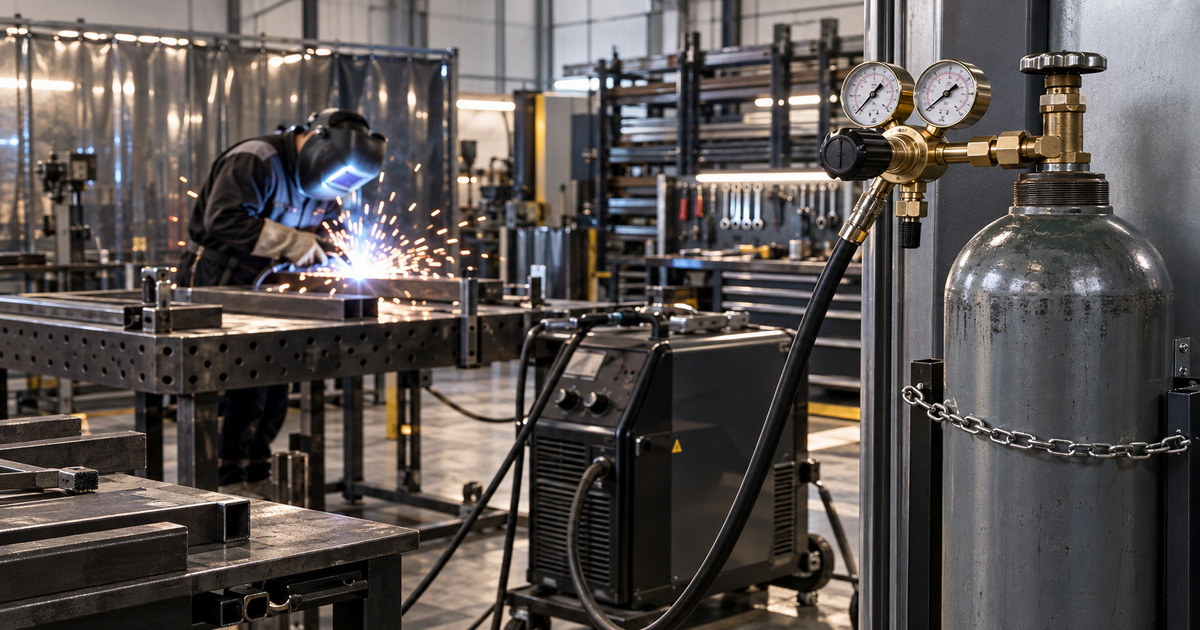
A gas regulator is one of the most important safety and performance components in any welding, cutting, fabrication, or industrial-gas system. Whether you are using a CO₂ regulator for MIG welding, an argon regulator for TIG welding, an oxygen regulator for cutting, or a propane regulator for heating, the regulator determines how safely and consistently gas moves from a high-pressure cylinder to your equipment.
For professional welders, distributors, equipment brands, and industrial users, selecting the right welding gas regulator is not simply about matching a connector. It requires understanding gas compatibility, inlet pressure, outlet pressure range, flow requirements, material selection, pressure stability, and maintenance practices. A poorly matched or poorly maintained regulator can cause unstable weld quality, gas waste, leaks, equipment damage, and serious safety risks.
As a professional manufacturer and supplier of CO₂ regulators, CO₂ heated regulators, argon regulators, oxygen regulators, acetylene regulators, propane regulators, nitrogen regulators, and dual-stage gas regulators, we work with overseas brands, wholesalers, distributors, and OEM/ODM customers who need dependable gas-control products for demanding applications.
Why Gas Regulator Selection Matters in Welding
Compressed gas cylinders store gas at pressures far higher than welding torches, cutting systems, and downstream equipment can safely use. A regulator reduces that cylinder pressure to a controlled working pressure or flow rate.
For example, a shielding-gas cylinder may contain gas at high pressure, while a MIG or TIG welding application only needs a stable, much lower flow at the torch. If the regulator cannot maintain stable delivery pressure, the gas flow can fluctuate. That may lead to poor shielding coverage, porosity, excessive spatter, inconsistent arc behavior, and unnecessary gas consumption.
A regulator is therefore not just an accessory. It is a precision control device that directly affects:
– Weld appearance and weld consistency
– Shielding-gas efficiency
– Torch and hose safety
– Cutting flame stability
– Operator productivity
– Cylinder service life
– Overall operating cost
Industrial safety guidance also emphasizes that compressed-gas systems can create hazards including high pressure, fire, explosion, oxygen displacement, and toxic exposure. Regulators, cylinder valves, fittings, hoses, and work procedures must be selected and used as one complete system.
Understanding the Main Types of Welding Gas Regulators
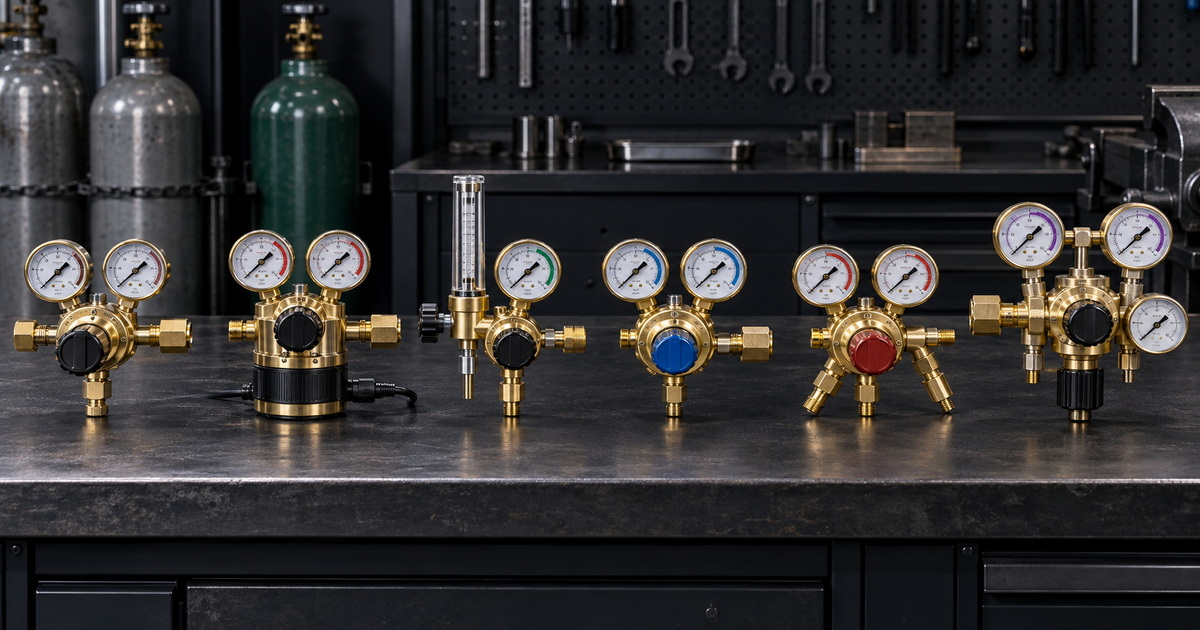
Different gases have different physical properties and hazards. A regulator designed for one gas should not automatically be used with another gas, even if the connection appears similar.
CO₂ Regulators for MIG Welding
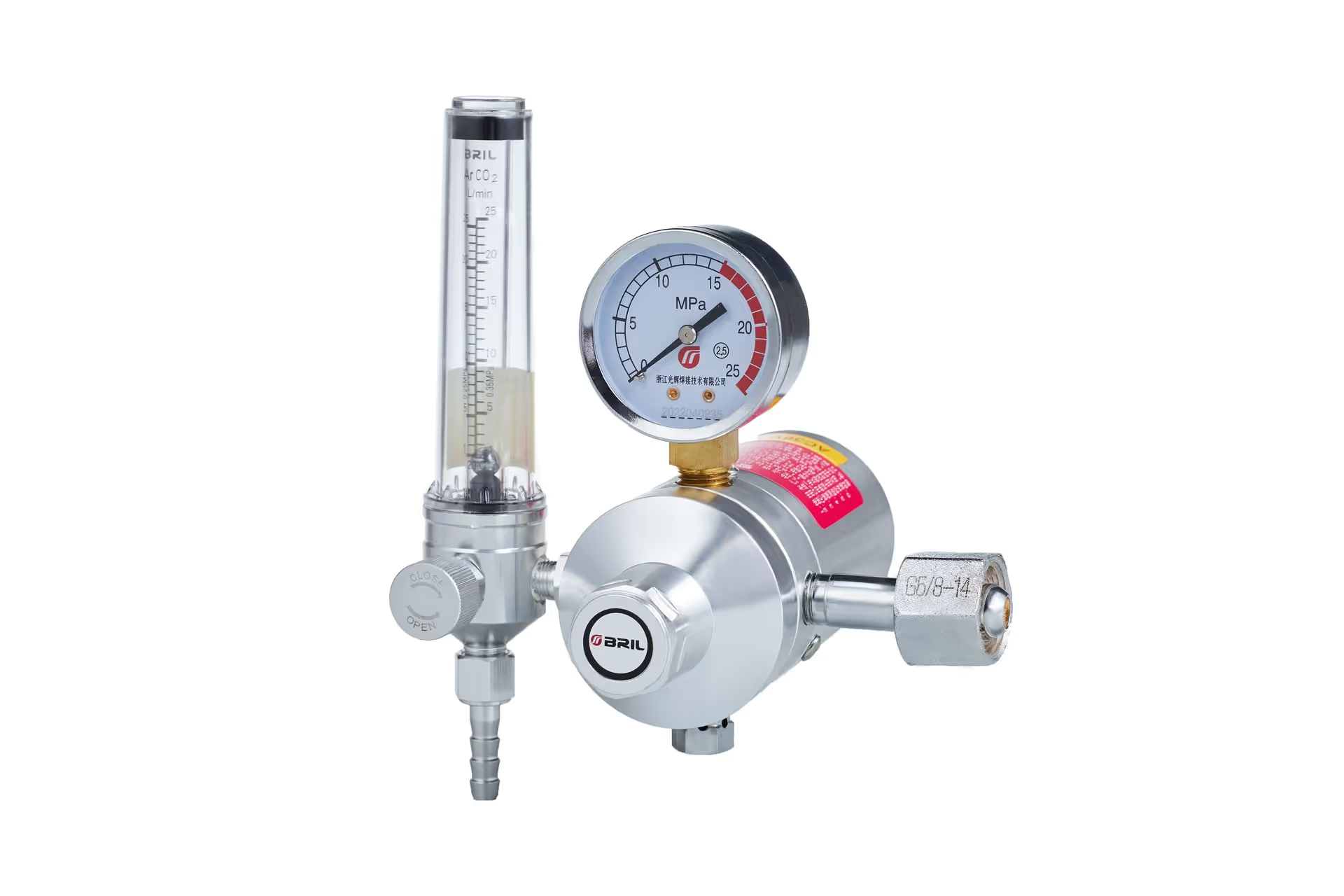
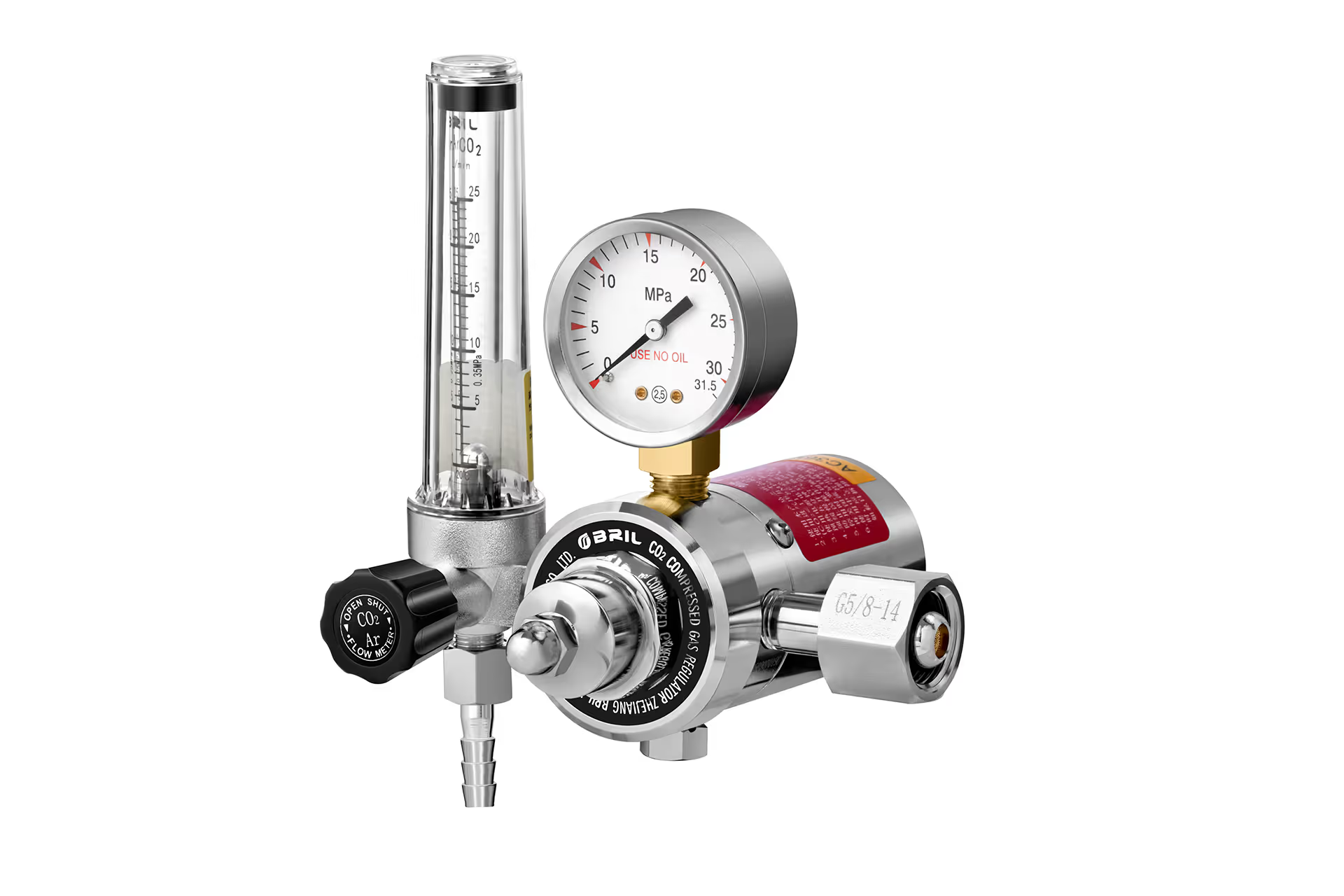
A CO₂ regulator is commonly used for MIG/MAG welding, especially in carbon-steel fabrication. Carbon dioxide is widely used as a shielding gas because it is economical and provides good penetration characteristics.
However, CO₂ behaves differently from inert gases. During high-flow use, rapid expansion can create a cooling effect that may cause frost formation around the regulator or cylinder valve. This is particularly important in cold environments, high-duty-cycle welding, and high-consumption applications.
Key selection considerations include:
– Brass body construction for corrosion resistance and durability
– Accurate outlet-pressure adjustment
– Clear, easy-to-read gauges
– Stable gas delivery under continuous use
– Reliable sealing surfaces
– Compatibility with the correct CO₂ cylinder connection
– Optional flowmeter for shielding-gas control
For standard MIG welding, a single-stage CO₂ regulator may be appropriate. For applications requiring tighter pressure stability, a dual-stage design may offer stronger control.
CO₂ Heated Regulators for High-Duty Applications
A CO₂ heated regulator is designed to help reduce freeze-related performance issues caused by the rapid expansion of carbon dioxide. In demanding welding environments, CO₂ can cool quickly as it leaves the cylinder. This may reduce gas flow stability and interrupt production.
Heated regulators are especially useful for:
– High-duty-cycle MIG welding
– Robotic welding cells
– Large fabrication workshops
– Cold-weather welding environments
– Long continuous weld runs
– High-consumption CO₂ applications
The heating function helps maintain more stable gas vaporization and delivery. For equipment brands and distributors, this can be an important product category because it solves a practical problem that many high-volume welding users encounter.
Argon Regulators for TIG and MIG Welding
An argon regulator is used for TIG welding and for MIG welding with argon-rich shielding-gas mixtures. Argon is an inert gas that provides excellent shielding characteristics and is commonly used for stainless steel, aluminum, and other non-ferrous metals.
In TIG welding, gas-flow consistency is particularly important. Excessive flow can create turbulence and draw ambient air into the shielding envelope. Too little flow can allow oxygen and nitrogen contamination, causing discoloration, porosity, and reduced weld quality.
When choosing an argon regulator, evaluate:
– Flow-control accuracy
– Flowmeter compatibility
– Outlet pressure range
– Gauge readability
– Brass or suitable corrosion-resistant materials
– Stable adjustment response
– Connection compatibility with the local cylinder standard
For precision TIG welding, many users prefer a regulator with a clear flowmeter because it provides a more direct way to set shielding-gas flow.
Oxygen Regulators for Cutting and Welding
An oxygen regulator is used in oxy-fuel welding, cutting, brazing, heating, and related industrial processes. Oxygen supports combustion aggressively, so oxygen equipment requires careful handling.
Oxygen regulators must remain completely free from oil, grease, and unsuitable lubricants. Even small amounts of contamination can create a serious fire hazard in oxygen-rich systems. Safety guidance specifically advises keeping regulator and cylinder-valve connections free of dirt, dust, oil, and grease.
When selecting an oxygen regulator, consider:
– Oxygen-clean manufacturing and assembly procedures
– High-quality brass construction
– Correct inlet and outlet fittings
– Appropriate outlet-pressure range for the torch or cutting attachment
– Pressure-relief design
– Durable gauges with readable scales
– Compatibility with local safety requirements
Never use a damaged oxygen regulator, force a connection, or use an adapter to make an incompatible regulator fit. CGA connection systems are designed to reduce the risk of connecting the wrong regulator to a cylinder.
Acetylene and Propane Regulators
Acetylene regulators and propane regulators are used in oxy-fuel cutting, heating, brazing, roofing, metalworking, and industrial flame applications. These fuel gases require regulators designed specifically for flammable-gas service.
Acetylene is particularly sensitive because it must not be used at excessive working pressures. The regulator must provide controlled delivery within the limits recommended by the equipment manufacturer and applicable safety standards.
A suitable fuel-gas regulator should offer:
– Gas-specific inlet connection
– Correct thread direction and sealing method
– Stable low-pressure control
– Reliable pressure gauge
– Flame-resistant and durable construction
– Compatibility with approved hoses, flashback arrestors, and torch equipment
Do not assume that oxygen and fuel-gas regulators are interchangeable. Their fittings, threads, pressure ranges, and safety requirements differ.
Nitrogen Regulators for Industrial Applications
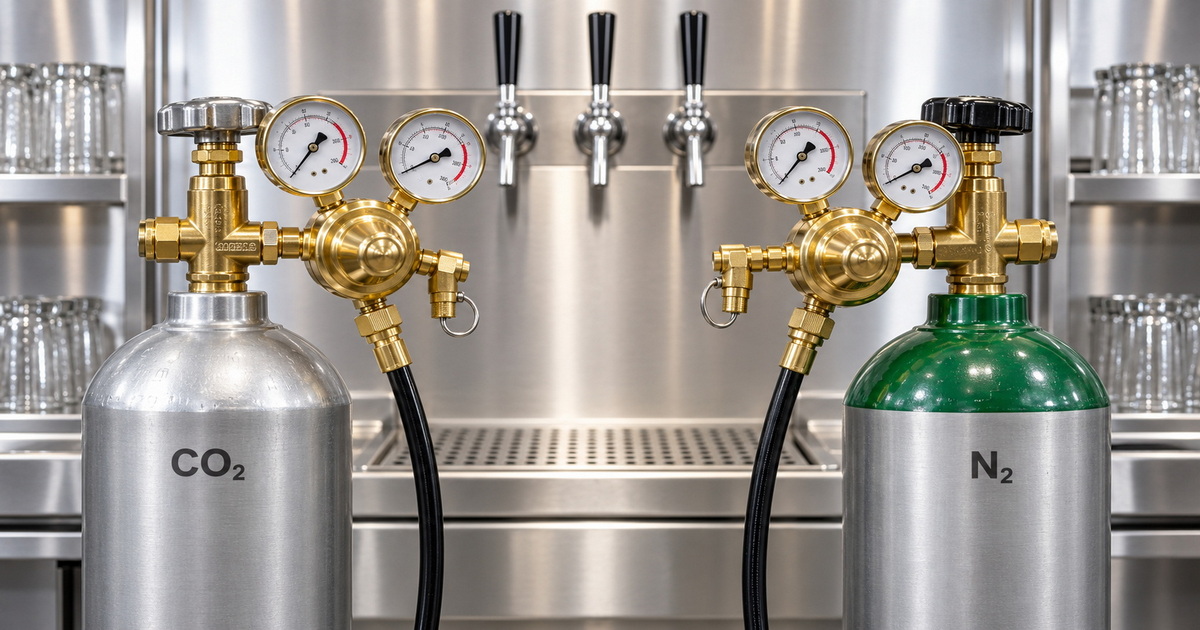
A nitrogen regulator is used in many industrial processes, including purging, pressure testing, HVAC servicing, inflation, packaging, laboratory work, and manufacturing. Nitrogen is often treated as a simple utility gas, but it can still create serious hazards in enclosed areas because it can displace oxygen.
For nitrogen applications, buyers should consider whether they need:
– A standard single-stage regulator
– A dual-stage nitrogen regulator for more stable outlet pressure
– A high-pressure outlet configuration
– A panel-mounted or line regulator
– A regulator with specific gauge ranges
– A regulator compatible with a downstream control valve or manifold
The correct design depends on whether the priority is flow, pressure precision, system pressure testing, or continuous process control.
Single-Stage vs. Dual-Stage Gas Regulators
One of the most important buying decisions is whether to use a single-stage regulator or a dual-stage gas regulator.
| Feature | Single-Stage Regulator | Dual-Stage Regulator |
|---|---|---|
| Pressure reduction | Reduces cylinder pressure in one step | Reduces cylinder pressure in two steps |
| Cost | Usually lower | Usually higher |
| Pressure stability | Can change as cylinder pressure drops | Better outlet-pressure stability during cylinder depletion |
| Typical use | General welding and routine industrial work | Precision, long-duration, high-consistency, and critical applications |
| Best for | Standard MIG, basic cutting, general workshops | Sensitive processes, laboratory use, process control, high-quality welding systems |
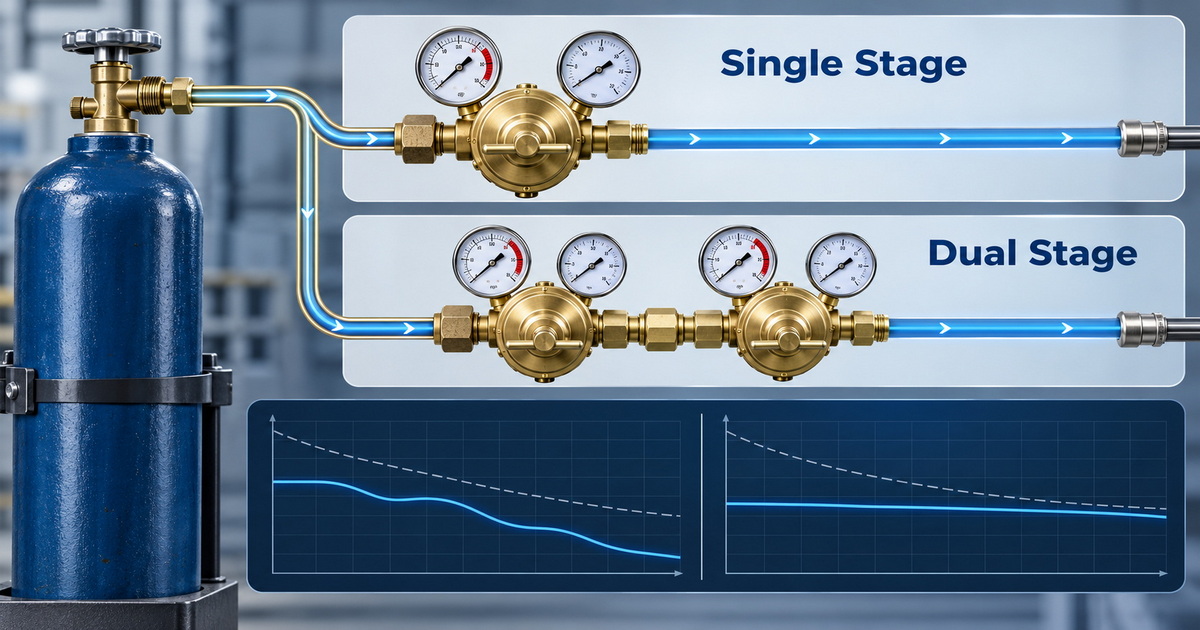
A single-stage regulator is often suitable for everyday welding tasks when the application can tolerate some outlet-pressure change as cylinder pressure decreases.
A dual-stage regulator provides two sequential pressure reductions. This design helps keep outlet pressure more consistent as the cylinder empties. The benefit is especially valuable when stable gas delivery affects weld quality, process repeatability, or downstream equipment performance.
When a Dual-Stage Regulator Is Worth It
Choose a dual-stage gas regulator when you need:
– More stable outlet pressure
– Long, uninterrupted operating periods
– More repeatable production conditions
– Sensitive downstream equipment protection
– Tighter process control
– Reduced need for repeated pressure readjustment
For OEM customers, a dual-stage regulator can also be a premium product option that differentiates a welding-equipment brand from low-cost competitors.
How to Select the Right Gas Regulator
The best regulator is not necessarily the one with the highest pressure rating or the lowest purchase price. It is the one that matches the gas, cylinder, application, operating conditions, and safety requirements.
Step 1: Confirm the Gas Type
Always identify the gas before selecting a regulator. Common gases include:
– CO₂
– Argon
– Argon/CO₂ mixtures
– Oxygen
– Acetylene
– Propane
– Nitrogen
– Helium
– Hydrogen and specialty gases
The gas label, cylinder valve, connection specification, and regulator marking must agree. Never rely only on cylinder color because color conventions can vary by country, supplier, and industry.
Step 2: Match the Cylinder Connection
Cylinder connections are standardized to help prevent dangerous gas mix-ups. In the United States, the Compressed Gas Association has standardized numbered connections for regulators and cylinders. These connection systems are designed so that fittings match only the appropriate gas service.
For example, CGA-580 is commonly used for non-flammable, non-oxidizing gases such as nitrogen, argon, and helium.
Important rules:
– Never force a regulator onto a cylinder valve.
– Never use an unapproved adapter to bypass a gas-specific connection.
– Never modify threads, nuts, or valve outlets.
– Confirm regional standards before purchasing for export markets.
– Use the regulator connection specified for the cylinder and gas supplier.
Step 3: Determine Required Outlet Pressure and Flow
Welding and cutting equipment may require pressure, flow, or both. A MIG welding system often benefits from a flowmeter, while an oxy-fuel cutting torch requires accurate pressure control for oxygen and fuel gas.
Before choosing a regulator, identify:
1. The cylinder’s inlet-pressure range.
2. The equipment’s required working pressure.
3. The expected gas-flow rate.
4. The duty cycle.
5. The environmental temperature.
6. The hose and torch connection requirements.
7. Whether the application needs single-stage or dual-stage control.
A common procurement mistake is choosing a regulator only by gas type. Gas compatibility is essential, but the outlet-pressure range and flow capacity must also match the actual job.
Step 4: Evaluate Material and Manufacturing Quality
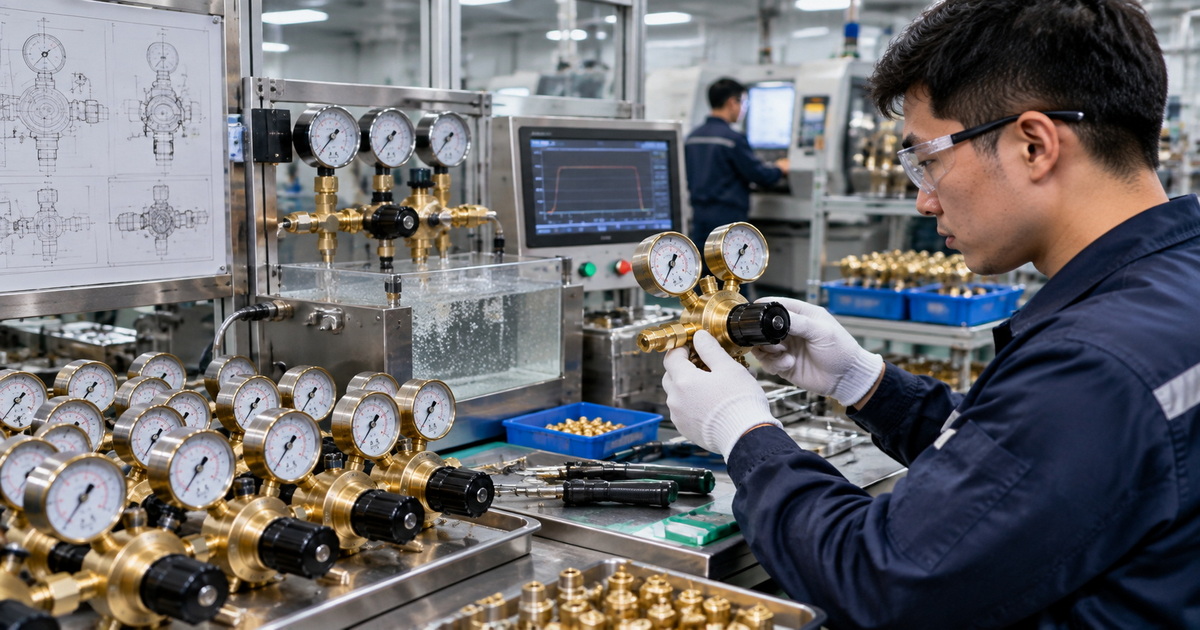
For industrial gas regulators, the body material and internal component quality matter. High-quality brass is widely valued because it offers good machinability, strength, corrosion resistance, and reliability in many gas-control applications.
When comparing suppliers, ask about:
– Brass grade and material traceability
– Gauge accuracy and readability
– Seat and diaphragm material
– Internal cleanliness for gas service
– Leak-testing methods
– Pressure-testing procedures
– Incoming-material inspection
– Final functional inspection
– OEM logo and packaging options
– Availability of customized inlet and outlet fittings
A professional regulator manufacturer should not only provide a product catalog. It should provide clear specifications, quality-control procedures, technical support, and customization capability for the target market.
Safe Gas Regulator Setup: A Practical Checklist
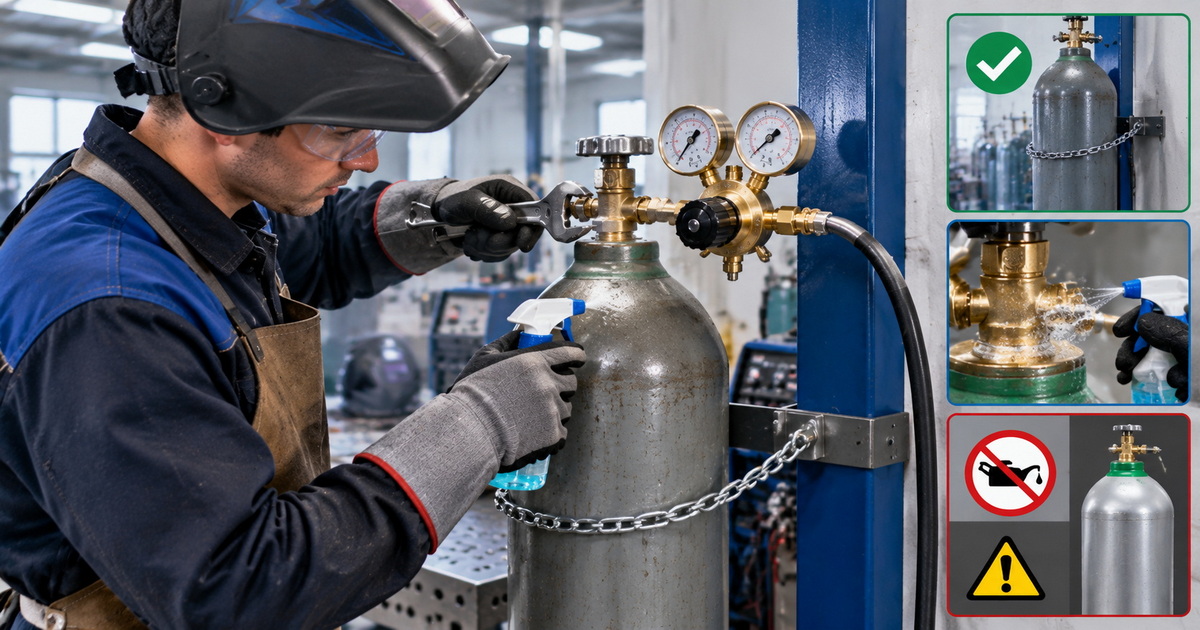
A correct installation procedure protects workers, equipment, and product quality. Before setup, inspect the regulator, cylinder valve, hose, gauges, and fittings for damage or contamination.
Before Connecting the Regulator
– Secure the cylinder upright using an approved chain, strap, or cylinder stand.
– Verify the gas name on the cylinder label.
– Check that the regulator is compatible with that gas.
– Inspect threads, sealing surfaces, gauges, and hoses.
– Ensure oxygen-service components are free from oil and grease.
– Confirm that the regulator adjustment screw is fully backed out before opening the cylinder valve.
– Keep ignition sources away from flammable-gas systems.
– Use only approved equipment for the gas and application.
Compressed-gas safety guidance recommends securing cylinders to prevent tipping and keeping valves closed when cylinders are not in use.
Installation Procedure
1. Position yourself to the side of the regulator, not directly in front of the gauges.
2. Remove the cylinder cap only after the cylinder is secured.
3. Inspect the valve outlet and regulator inlet for dirt, damage, oil, or grease.
4. Attach the regulator to the correct cylinder connection without forcing it.
5. Tighten the connection with the proper wrench; do not over-tighten.
6. Make sure the pressure-adjusting screw is released.
7. Open the cylinder valve slowly while standing to the side.
8. Check the connection with an approved leak-detection solution.
9. Adjust outlet pressure or flow gradually.
10. Inspect the system again after gas begins flowing to the torch or equipment.
Do not use an open flame to find a gas leak. Use a compatible leak-detection solution or approved detection method instead.
Why “Open Slowly” Is Important
Rapidly opening a cylinder valve can create a sudden pressure surge. This may stress internal regulator components and increase risk in high-pressure gas systems. Oregon OSHA guidance specifically advises opening cylinder valves slowly and standing so the valve outlet is pointed away from personnel.
Common Regulator Problems and Troubleshooting
Experienced welders know that poor gas performance is not always caused by the torch. The regulator, hose, cylinder valve, or connection may be responsible.
| Symptom | Possible Cause | Recommended Action |
|---|---|---|
| Gas leak at cylinder connection | Damaged seat, incorrect fitting, loose connection | Shut off the cylinder, depressurize, inspect components, and replace damaged parts |
| Pressure creeps upward | Internal seat leakage | Remove from service and have the regulator inspected by qualified personnel |
| Frost on CO₂ regulator | High flow, low temperature, rapid CO₂ expansion | Reduce excessive flow, improve duty-cycle conditions, or use a CO₂ heated regulator |
| Unstable gas flow | Low cylinder pressure, blockage, damaged flowmeter, contaminated internals | Inspect the system and replace or professionally service the regulator if needed |
| Gauge does not return to zero | Gauge damage or residual pressure | Isolate the system, bleed pressure safely, and inspect the gauge |
| Regulator does not fit | Wrong gas connection or regional fitting mismatch | Do not force it; obtain the correct regulator and connection |
Internal leakage is a common regulator failure mode, and regulators should be serviced, tested, and cleaned only by qualified personnel.
Gas Regulator Maintenance and Inspection
Preventive maintenance extends regulator life and reduces unexpected downtime. A regulator may look acceptable from the outside while internal seats, diaphragms, gauges, or seals are already worn.
Daily Operator Checks
Before each shift or cylinder change, inspect:
– Gauge lenses for cracks
– Gauge needles for abnormal movement
– Regulator body for impact damage
– Threads and fittings for wear
– Hoses for cuts, burns, stiffness, or leaks
– Adjustment knob or screw operation
– Signs of corrosion, frost, contamination, or gas leakage
Monthly or Scheduled Checks
For regularly used industrial equipment, establish a documented inspection schedule. Include:
– Leak-test verification
– Outlet-pressure stability check
– Gauge accuracy review
– Hose and fitting inspection
– Flowmeter inspection, where applicable
– Cleaning of external surfaces
– Identification labels and inspection records
Do not attempt to repair a pressurized regulator. If a fitting leaks or a regulator behaves abnormally, shut off the cylinder valve, relieve downstream pressure safely, tag the equipment, and remove it from service.
Proper Shutdown Procedure
At the end of work:
1. Close the cylinder valve.
2. Allow gas remaining in the hose and regulator to bleed through the equipment as appropriate.
3. Back out the regulator adjustment screw to release spring tension.
4. Confirm gauges return toward zero after pressure is relieved.
5. Store cylinders upright, secured, and protected from damage.
6. Replace valve-protection caps when cylinders are transported or stored as required.
Closing the cylinder valve rather than relying only on the regulator is an important safety practice. Guidance notes that cylinder valves should be kept closed except when the cylinder is actively in use.
OEM and ODM Gas Regulator Solutions
For brands, distributors, and industrial-equipment manufacturers, gas regulators are not only functional components. They are part of product reliability, after-sales reputation, and market positioning.
A capable OEM/ODM gas regulator supplier can support customization such as:
– Customer logos and laser marking
– Customized regulator body design
– Private-label packaging
– Regional cylinder connections
– Different gauge ranges and units
– Flowmeter integration
– CO₂ heating functions
– Single-stage or dual-stage configurations
– Customized outlet fittings
– Product kits for welding, cutting, HVAC, and industrial applications
The most reliable long-term supplier relationship is based on more than price. It should include stable material sourcing, precision machining, controlled assembly, pressure testing, leak testing, documented quality inspection, and responsive technical communication.
For international buyers, it is also important to clarify applicable standards, destination-market fitting requirements, labeling, packaging, product documentation, and certification needs before mass production begins.
Final Takeaway
The right gas regulator improves safety, weld quality, gas efficiency, and production consistency. Match the regulator to the gas, cylinder connection, pressure range, flow demand, environment, and level of control your application requires.
For routine welding, a dependable single-stage regulator may be sufficient. For precision processes, continuous production, or applications where pressure stability matters, a dual-stage gas regulator can deliver meaningful performance benefits. For high-demand CO₂ welding, a heated CO₂ regulator may help maintain more consistent gas delivery and reduce freeze-related interruptions.
If you are sourcing CO₂ regulators, heated CO₂ regulators, argon regulators, oxygen regulators, acetylene regulators, propane regulators, nitrogen regulators, or dual-stage gas regulators, work with a manufacturer that understands gas compatibility, precision pressure control, quality inspection, and OEM/ODM requirements.
Contact our team to discuss your gas regulator project, request technical specifications, evaluate OEM/ODM options, or develop a customized industrial gas-control solution for your market.
FAQ
1.What is the difference between a CO₂ regulator and an argon regulator?
A CO₂ regulator is designed for carbon dioxide service, while an argon regulator is designed for argon or compatible inert-gas applications. The correct connection, pressure range, flow-control configuration, and internal design may differ. Always use a regulator approved for the gas in the cylinder.
2.Do I need a heated CO₂ regulator for MIG welding?
Not always. A standard CO₂ regulator may be suitable for ordinary MIG welding. A heated CO₂ regulator becomes more valuable when gas consumption is high, welding is continuous, ambient temperatures are low, or frost and unstable gas delivery become recurring problems.
3.Why does my welding gas regulator freeze?
Frost can occur when gas expands quickly and cools the regulator body. It is common in high-demand CO₂ applications because carbon dioxide can cool substantially during rapid withdrawal. Check for excessive flow, high duty cycle, cold working conditions, and whether a heated CO₂ regulator is appropriate.
4.Can I use one regulator for oxygen and propane?
No. Oxygen and propane are different gases with different hazards, fittings, pressure requirements, and safety considerations. Use gas-specific regulators and compatible hoses, flashback arrestors, and torch equipment.
5.What is the advantage of a dual-stage gas regulator?
A dual-stage regulator reduces pressure in two steps, which helps maintain a more stable outlet pressure as cylinder pressure drops. It is useful for applications requiring greater consistency, longer operating periods, or tighter process control.
6.How often should a gas regulator be replaced?
There is no universal replacement interval because service life depends on gas type, frequency of use, storage conditions, contamination, physical damage, and maintenance history. Replace or professionally service regulators that leak, creep in pressure, have damaged gauges, show corrosion, or fail inspection.
7.Can I use Teflon tape on a cylinder-to-regulator connection?
Usually, no. Many regulator-to-cylinder connections are designed to seal metal-to-metal or with a specific sealing arrangement. Safety guidance warns that tape may interfere with the intended connection. Follow the regulator and gas-supplier instructions for the specific fitting.
References
1. [U.S. Occupational Safety and Health Administration (OSHA) — Compressed Gas and Equipment Overview]. Covers high-pressure gas hazards, including fire, explosion, oxygen displacement, and toxic exposure risks. [osha]
2. [U.S. Occupational Safety and Health Administration (OSHA) — 29 CFR 1910.101 Compressed Gases]. Establishes general requirements for maintaining compressed-gas cylinders in safe condition. [osha]
3. [Health and Safety Executive (HSE) — Safety in Gas Welding, Cutting and Similar Processes]. Provides practical safety guidance for welding and hot-cutting operations using compressed gases. [hse.gov]
4. [Compressed Gas Association (CGA) — Standards Information]. Describes CGA’s role in developing industrial and medical gas standards, including gas-cylinder and fitting standards. [cganet]
5. [University of Southern California Environmental Health & Safety — Gas Regulators]. Explains CGA regulator connections and warns against using adapters for incompatible gas services. [ehs.usc]
6. [Washington University Environmental Health & Safety — Compressed Gas Safety Guidelines]. Provides practical recommendations for regulator inspection, leak checking, pressure control, cleaning, and qualified servicing. [ehs.wustl]
7. [Oregon OSHA — Compressed Gas Safety Fact Sheet]. Covers safe cylinder handling, slow valve opening, secure storage, inspection, and avoiding repairs while equipment is pressurized. [osha.oregon]
8. [CONCOA — CGA Fitting Reference]. Provides an overview of CGA fitting references, including CGA-580 for non-flammable, non-oxidizing gases such as argon and nitrogen. [concoa]
Hot Tags: CO₂ Regulator, CO₂ Heated Regulator, Welding Gas Regulator, Argon Regulator, Oxygen Regulator, Dual Stage Gas Regulator, Industrial Gas Regulator, Gas Pressure Regulator, OEM Gas Regulator Manufacturer, Gas Regulator Supplier