Content Menu
● What an Argon Regulator Does
● CO2 Heating and Freeze Protection
● Expert Perspective for B2B Buyers
● FAQ
>> 1. What is the difference between an argon regulator and an argon flowmeter?
>> 2. Why is argon used in welding?
>> 3. Do CO2 regulators need heaters?
>> 4. Is a dual-stage regulator better than a single-stage regulator?
>> 5. What should OEM buyers look for in a gas regulator supplier?
>> 6. Which regulator is best for TIG welding?
Introduction
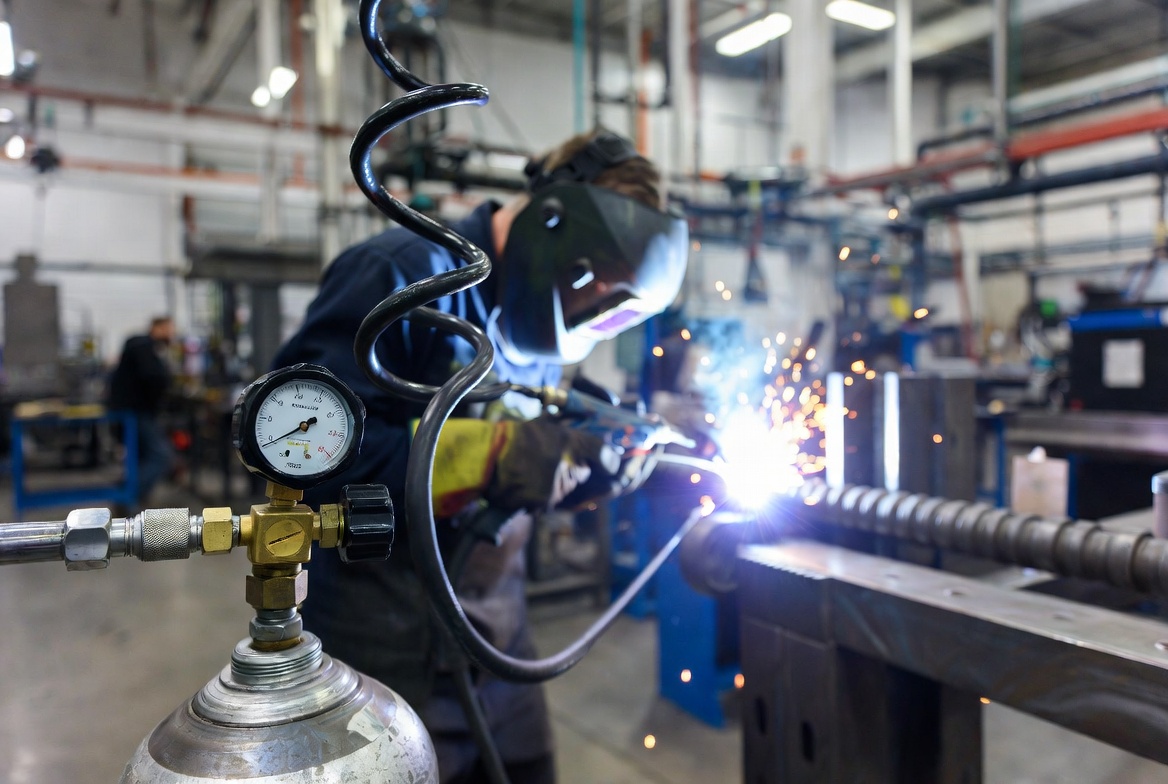
An argon regulator and flowmeter is one of the most important components in MIG and TIG welding because it helps control shielding gas pressure and flow with consistency. When gas delivery is unstable, weld quality can suffer through porosity, oxidation, poor bead appearance, and unnecessary gas waste.
For manufacturers, distributors, and industrial buyers, the right regulator is not only a performance decision but also a safety and cost-control decision. In modern welding operations, stable shielding gas delivery is directly tied to repeatability, production efficiency, and compliance with recognized standards.
What an Argon Regulator Does
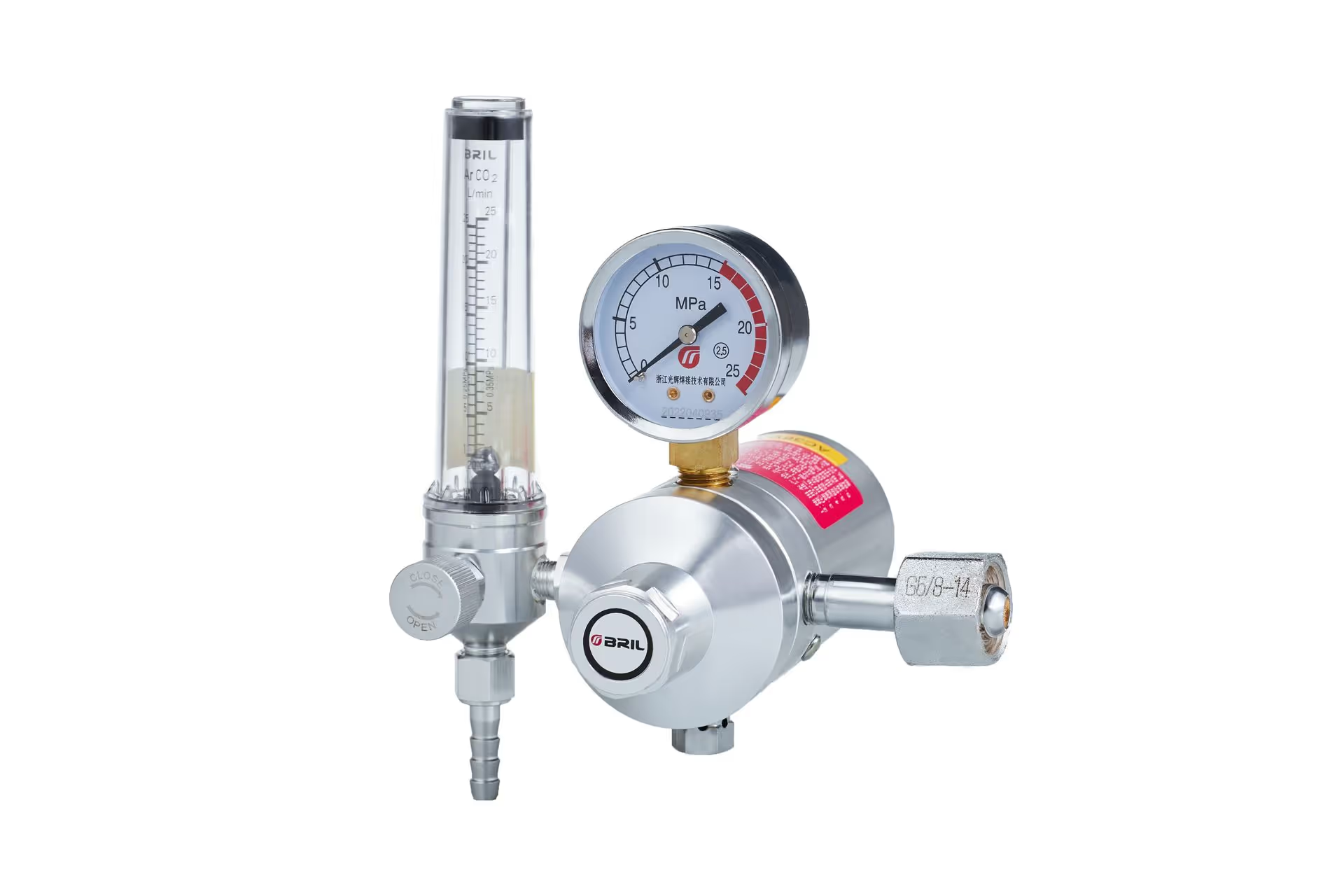
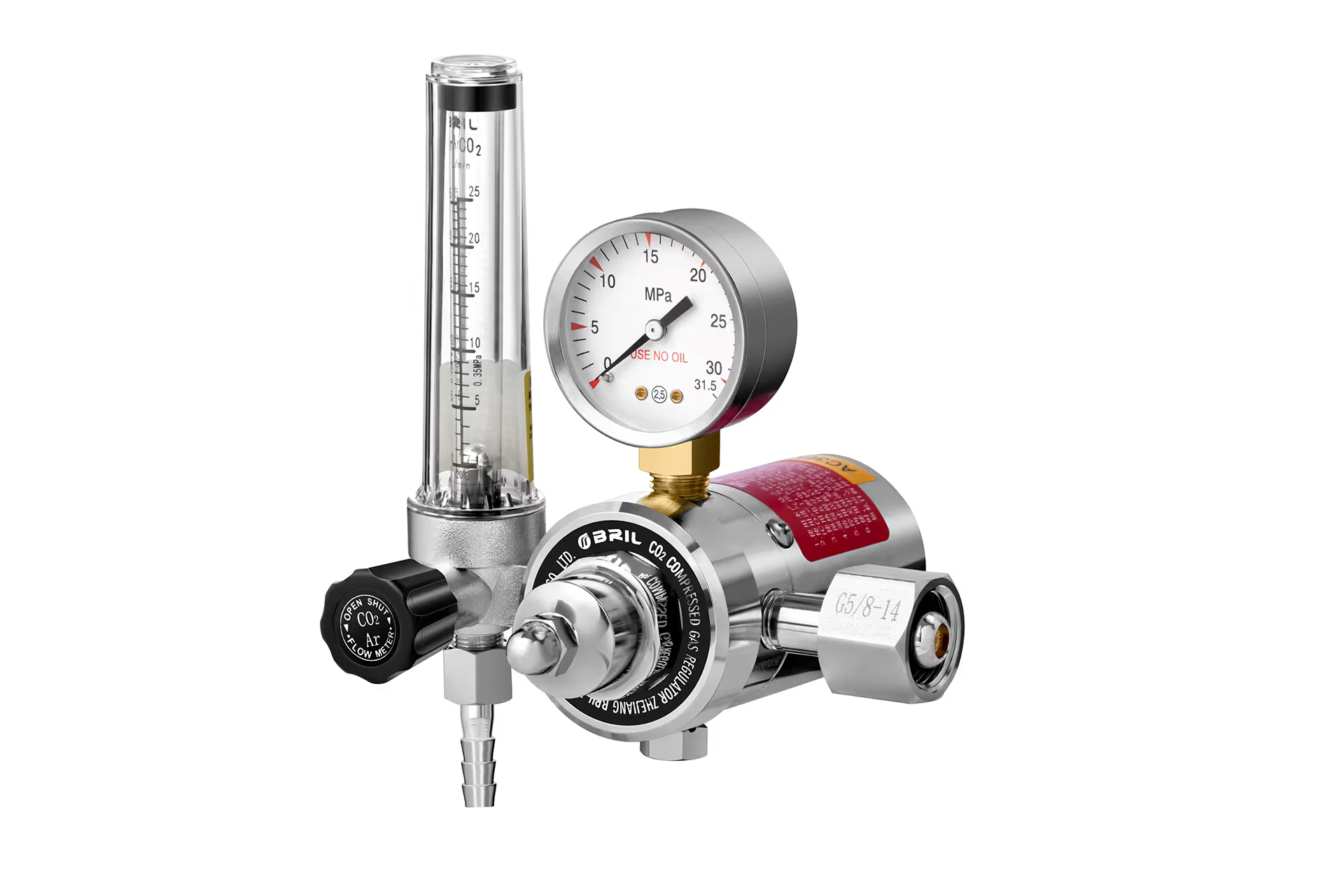
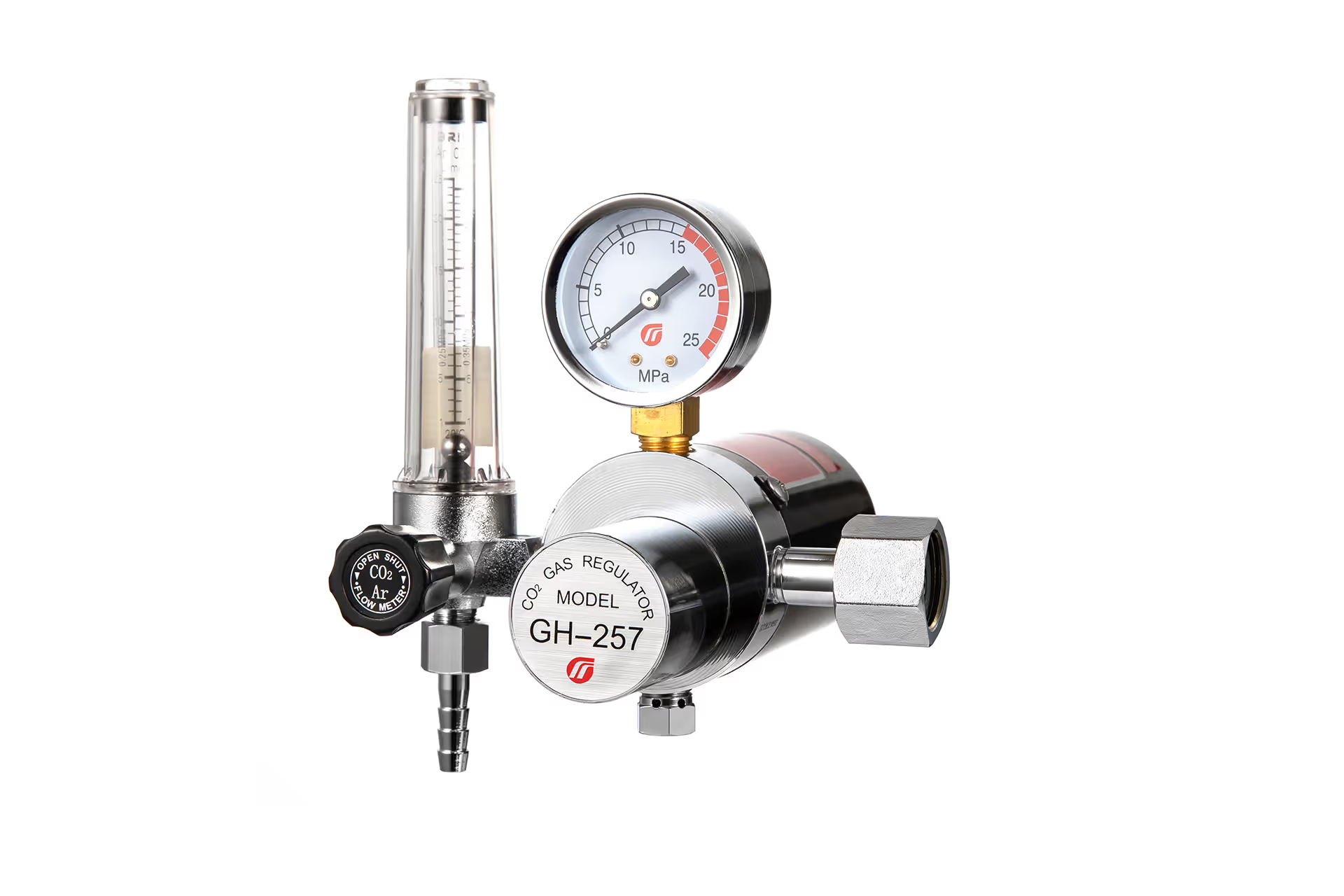
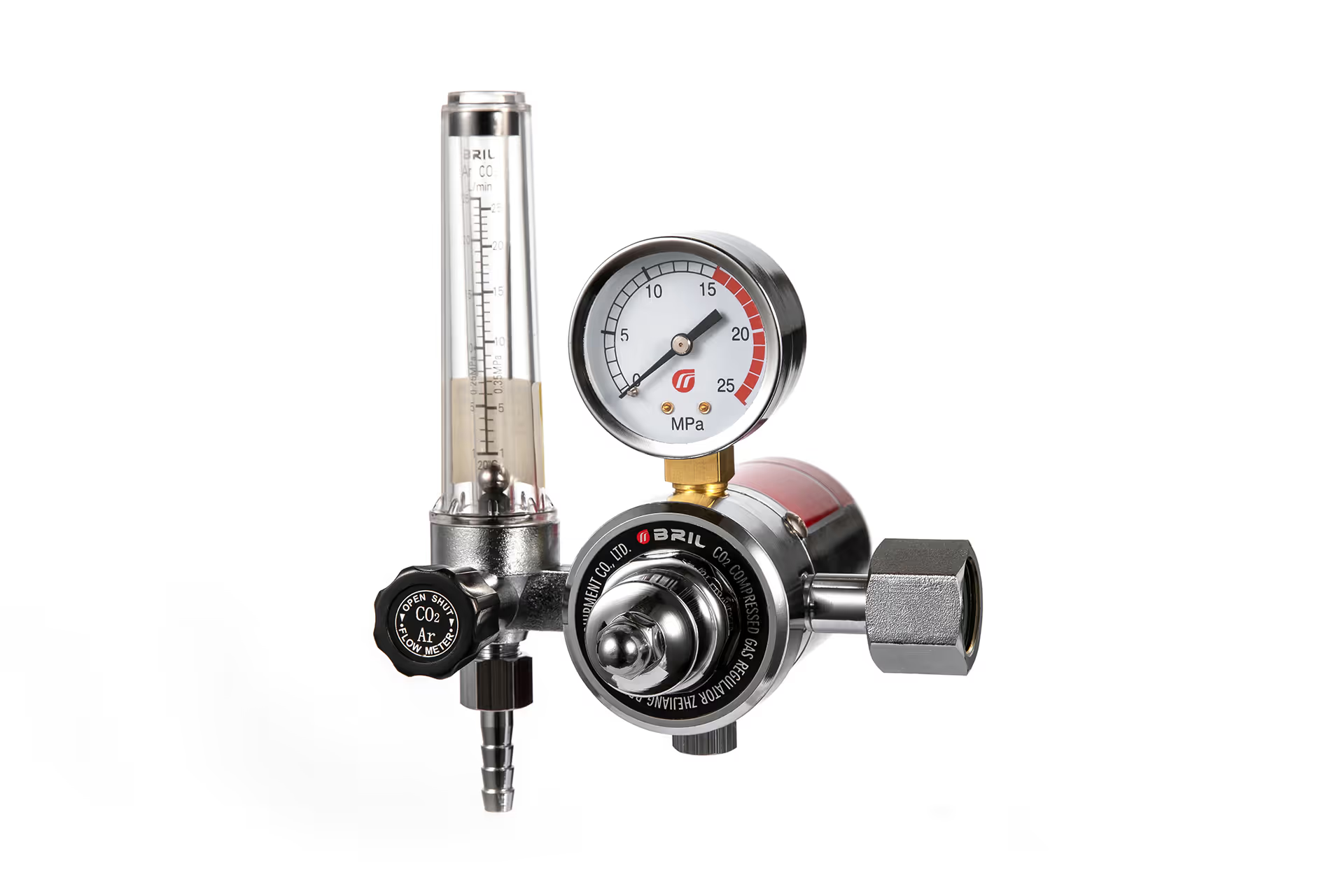
An argon regulator reduces high cylinder pressure to a usable working pressure for welding or allied gas applications. Its core job is to keep gas delivery stable as the cylinder empties, so the operator gets predictable shielding performance throughout the job.
A good regulator also helps prevent sudden pressure spikes and flow surges. That matters because unstable shielding gas can disturb the weld pool, increase contamination risk, and create avoidable rework.
Regulator vs. Flowmeter
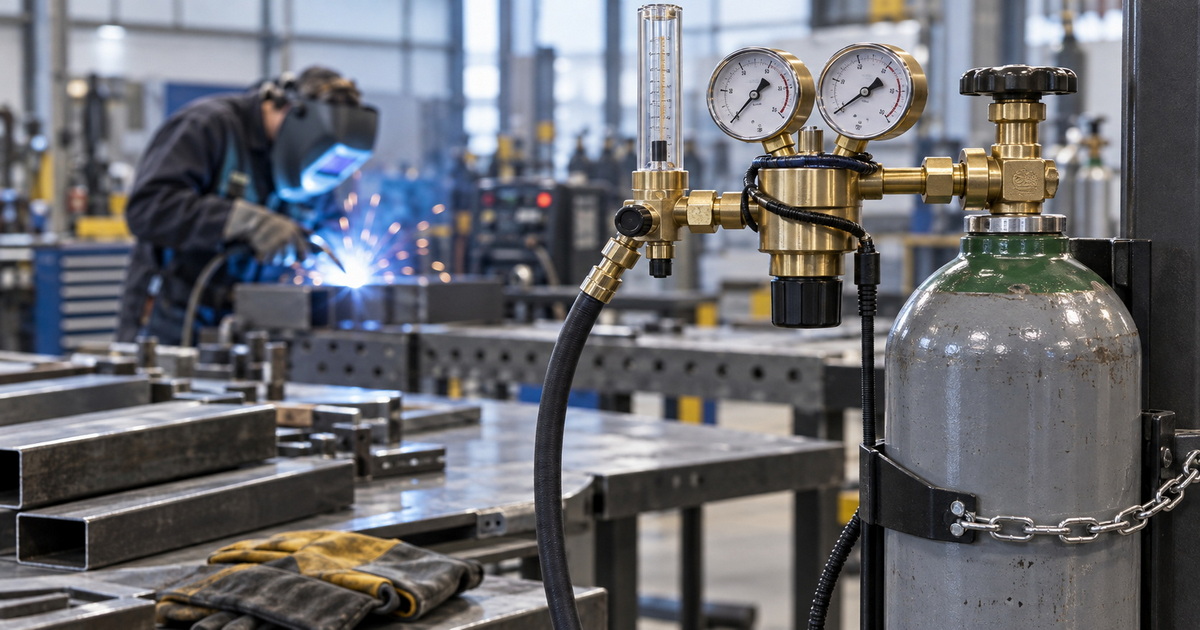
A regulator controls pressure; a flowmeter indicates and controls flow volume. In shielding gas applications, the best choice is often a regulator with an integrated flowmeter because welders need both stable supply pressure and accurate gas delivery.
For TIG and MIG work, especially with argon and argon blends, flow consistency is often more important than simply reading cylinder pressure. Pressure alone does not show how much shielding gas is actually reaching the torch.
Why Gas Stability Matters
Shielding gas is not just a consumable; it is part of the weld quality system. Research and industry guidance consistently emphasize that poor gas coverage can lead to turbulence, contamination, and porosity, while stable flow improves repeatability and weld appearance.
This is especially relevant in stainless steel, aluminum, precision fabrication, and tube welding, where even minor shielding instability can create expensive defects. For industrial users, better control usually means fewer rejects, lower gas consumption, and less downtime.
Choosing the Right Type
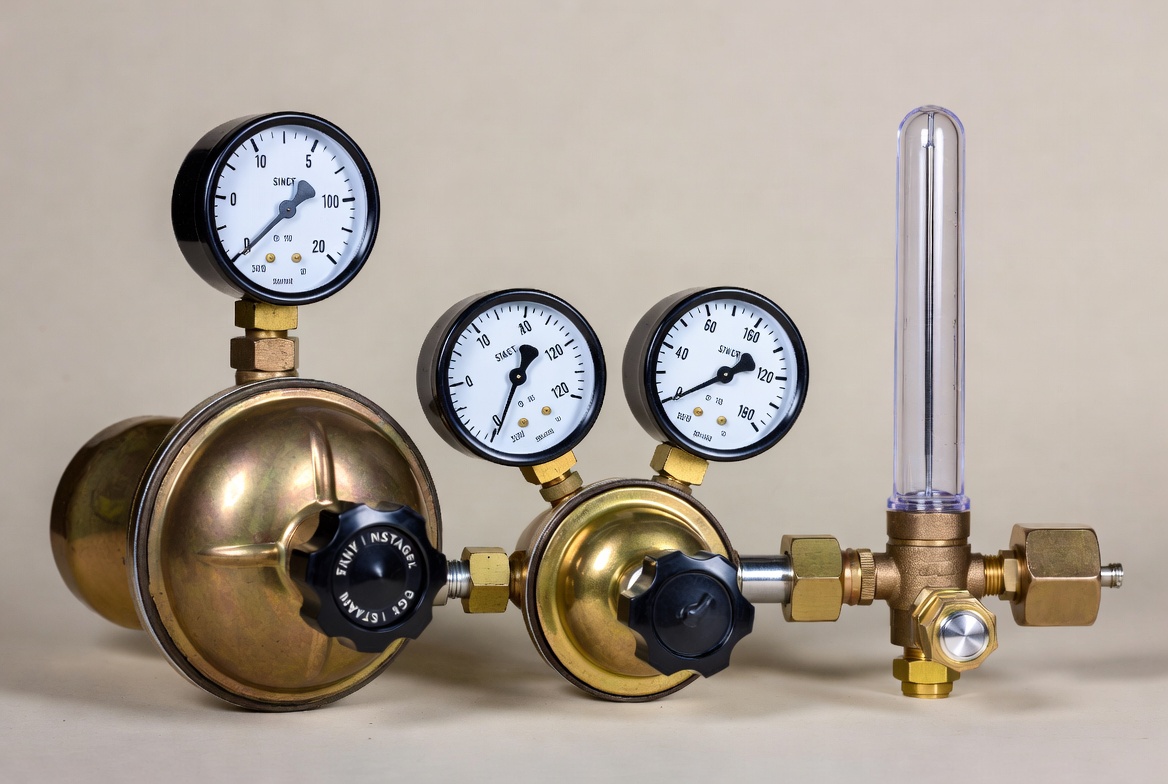
Different jobs require different regulator configurations, and the wrong selection can limit performance. The main options include single-stage, dual-stage, and special-purpose regulators.
Single-Stage Regulators
Single-stage regulators are widely used for general-purpose welding and cutting applications. They are compact and efficient for common cylinder setups, but they may be less ideal when very fine delivery stability is required across longer working periods.
Dual-Stage Regulators
Dual-stage regulators are better when delivery stability is critical. They reduce inlet pressure in two steps, which helps minimize pressure fluctuation and keeps output more consistent for precision welding, laboratory use, or longer production runs.
Flowmeter Models
Flowmeter models are especially useful for argon shielding applications because they make gas delivery easier to monitor and adjust. They are a practical choice for MIG and TIG users who want better visibility into actual flow conditions rather than relying on pressure alone.
Materials and Construction
For industrial buyers, brass construction is a major quality indicator because it supports durability, corrosion resistance, and stable long-term performance. High-quality regulators also rely on robust diaphragms, reliable seat sealing, and strong bonnet design to maintain control accuracy.
This is why premium regulator lines often use forged brass bodies and carefully controlled internal components. In demanding environments, product design matters as much as the pressure range on the label.
CO2 Heating and Freeze Protection
CO2 regulators often require special attention because CO2 can cool rapidly during expansion and lead to freezing issues. In practical welding operations, a heater may be used to help prevent regulator freezing and maintain stable flow when gas demand is high.
This is especially important in heavier-duty use, where extended flow periods can cause pressure instability. For buyers, this means the regulator system should be selected together with the application, not as a standalone part.
Industrial Selection Table
| Application | Recommended Regulator Type | Why It Fits |
|---|---|---|
| MIG welding | Regulator with flowmeter | Easier gas monitoring and stable shielding flow |
| TIG welding | Flowmeter regulator or dual-stage unit | Better control for precision work |
| High-precision fabrication | Dual-stage regulator | Reduced outlet fluctuation |
| CO2 welding | CO2 regulator with heater support | Helps reduce freezing risk |
| Oxygen cutting | Gas-specific oxygen regulator | Safety and compatibility |
| Propane / acetylene / nitrogen | Gas-specific industrial regulator | Correct inlet/outlet and flow requirements |
What Buyers Should Check
Before selecting a regulator for OEM or ODM sourcing, buyers should verify the working range, inlet and outlet connections, pressure stability, and compatibility with the target gas. They should also confirm whether the product is intended for single-stage or two-stage use.
A professional sourcing checklist includes:
1. Gas compatibility for argon, CO2, oxygen, acetylene, propane, or nitrogen.
2. Pressure range that matches the application.
3. Connection standard for the destination market.
4. Materials such as brass body and reliable sealing elements.
5. Inspection process and quality documentation.
6. Customization support for logo, packaging, gauges, and fittings.
These checks are especially important for overseas brands, wholesalers, and distributors who need consistent product quality across different markets.
Expert Perspective for B2B Buyers
From a B2B manufacturing perspective, the best gas regulator is not the one with the most features; it is the one that matches the application, gas type, safety expectations, and end-market standards. That is why OEM and ODM suppliers must engineer around both performance and commercial requirements.
For export-oriented buyers, stable production quality, test discipline, and customization flexibility often matter more than a low initial unit price. In industrial gas control, a regulator that performs reliably in the field protects both the customer’s process and the supplier’s brand reputation.
Common Mistakes to Avoid
Many welding issues blamed on the torch or operator actually begin with the gas delivery system. Common mistakes include using the wrong gas-specific regulator, ignoring heater requirements for CO2, and selecting a device that cannot maintain stable output under the real workload.
Other mistakes include:
– Using pressure as a substitute for flow control.
– Choosing a regulator without checking market-specific connections.
– Ignoring application differences between MIG, TIG, cutting, and heating.
– Selecting a product without considering maintenance and inspection.
Avoiding these mistakes can improve both weld quality and operating efficiency.
OEM and ODM Value
For overseas brands and industrial distributors, a strong OEM/ODM partner should offer customized industrial gas control solutions, not just standard catalog items. That includes product development support, logo and packaging customization, connection adaptation, and stable batch quality.
A reliable manufacturing partner also strengthens market positioning by helping customers align products with local standards and application-specific needs. In competitive export markets, this often becomes a key differentiator.
Why This Guide Matters
The market for industrial gas regulators continues to grow because manufacturing, welding, and gas-handling applications are still expanding across industries. Current market research points to sustained demand for pressure control solutions in industrial gas systems and related sectors.
That makes education important. Buyers who understand regulator types, gas behavior, and quality requirements are more likely to choose products that reduce waste, improve safety, and support long-term performance.
Conclusion
A well-chosen argon regulator and flowmeter can improve weld consistency, reduce gas waste, and support safer, more efficient production. For B2B buyers, the right solution should combine precise pressure control, durable brass construction, application-specific compatibility, and reliable quality inspection.
If your business serves overseas brands, wholesalers, distributors, or manufacturers, the strongest commercial opportunity lies in supplying customized industrial gas control solutions that perform consistently and meet international expectations.
FAQ
1. What is the difference between an argon regulator and an argon flowmeter?
An argon regulator controls pressure, while a flowmeter measures and helps control gas flow volume. For MIG and TIG welding, a combination unit is often the most practical choice.
2. Why is argon used in welding?
Argon is used because it provides an inert shielding atmosphere that helps protect the weld from oxygen and nitrogen contamination. That improves weld quality and reduces oxidation risk.
3. Do CO2 regulators need heaters?
In many industrial welding applications, CO2 regulators may use heaters to help prevent freezing and maintain stable gas delivery. This becomes more important during higher flow demand.
4. Is a dual-stage regulator better than a single-stage regulator?
A dual-stage regulator is usually better when pressure stability is critical because it reduces inlet pressure in two steps. Single-stage regulators are often sufficient for simpler or lighter-duty applications.
5. What should OEM buyers look for in a gas regulator supplier?
OEM buyers should look for gas compatibility, stable manufacturing quality, customization support, correct connection standards, and reliable inspection processes. These factors matter more than price alone in industrial applications.
6. Which regulator is best for TIG welding?
A flowmeter regulator or a dual-stage regulator is usually a strong choice for TIG welding because TIG needs accurate shielding gas control and stable delivery.
References
1. [ISO 2503:2009]
2. [GCE Cutting & Welding Technologies Catalogue]
3. [Ultimate Argon Regulator & Flowmeter Guide for MIG + TIG]
4. [Industrial Gas Regulators Global Market Report 2026]
5. [U.S. Industrial Gas Regulator Market Trends]
6. [Industrial Gas Regulators Market Size, Share, Growth, and Industry Analysis]
7. [Visualization and optimization of shielding gas coverage during gas metal arc welding]
8. [How to Adjust the Gas Flow Rate]
Hot Tags: Argon Regulator, Flowmeter Regulator, Co2 Regulator, Dual Stage Regulator, Welding Gas Regulator, Industrial Gas Regulator, Mig Welding Gas Control, Tig Welding Gas Control, Gas Flowmeter, Oem Odm Gas Regulator