Content Menu
● Why This Comparison Matters in Mobile Pipe Welding
● What Each Regulator Is Designed to Do
>> Dual Output Argon Regulator FlowMeter
● Side-by-Side Performance Comparison
● Which One Fits On-Site Pipe Welding Better?
● Technical Factors Buyers Should Evaluate
>> Flow Stability and Weld Quality
● Industry Trend and Buyer Insight
● Expert Selection Guide for OEM and ODM Buyers
>> Use This 5-Step Selection Method
● Manufacturer Perspective: Why Customization Matters
>> Choose Dual Output Argon Regulator FlowMeter If You Need
>> Choose Mini Gas Regulator If You Need
Why This Comparison Matters in Mobile Pipe Welding
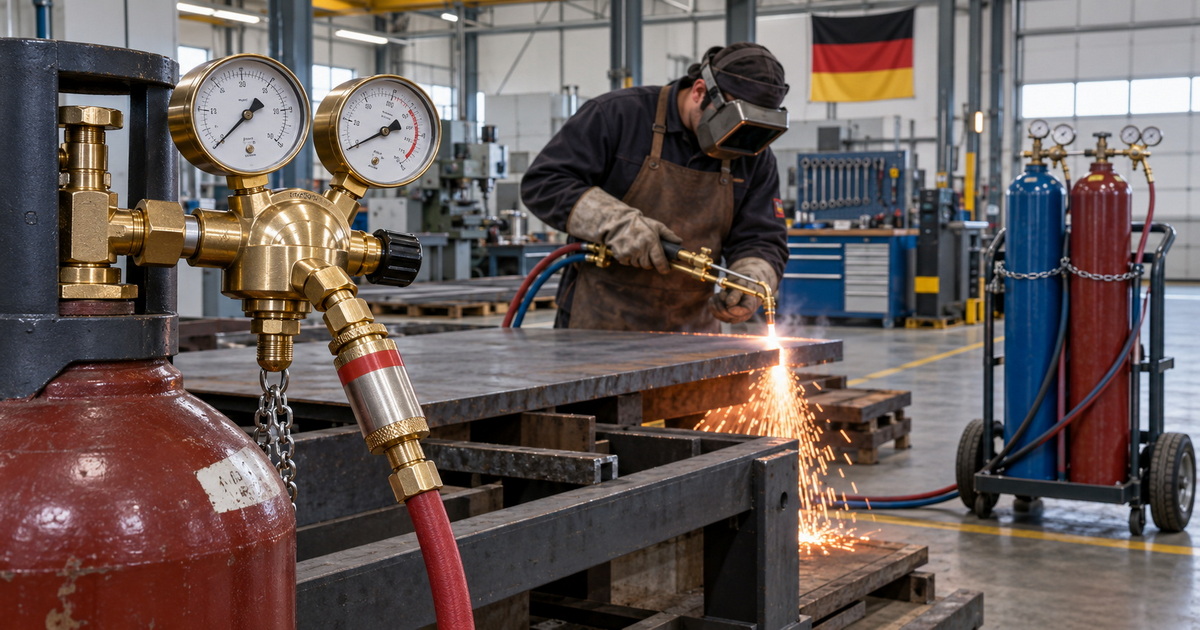
Mobile on-site pipe welding demands more than just a stable arc. It requires precise gas control, fast setup, portability, and consistent shielding performance under changing field conditions. In that context, the choice between a dual output argon regulator flowmeter and a mini gas regulator can directly affect weld quality, gas consumption, and jobsite efficiency.
As a gas regulator manufacturer serving OEM and ODM clients, we often see buyers focus only on cylinder compatibility or price. In practice, the better choice depends on the welding process, hose routing, purge requirements, and how often the crew relocates equipment during the day.
What Each Regulator Is Designed to Do
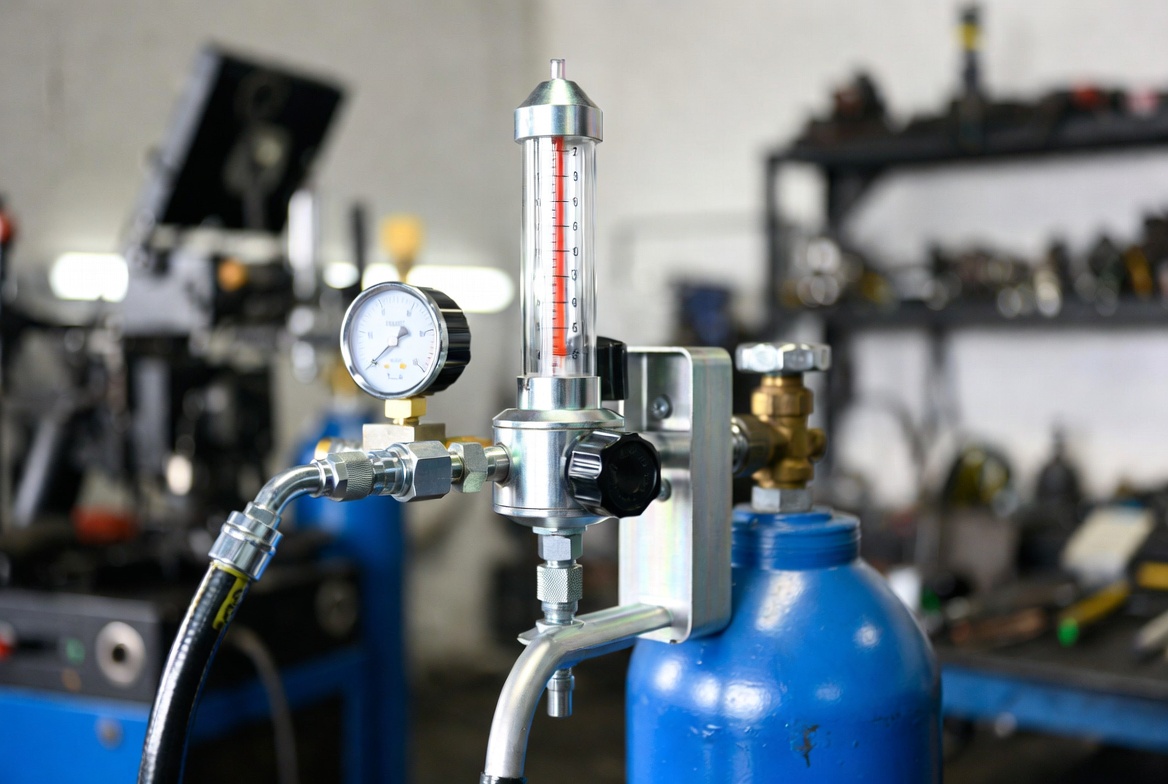
Dual Output Argon Regulator FlowMeter
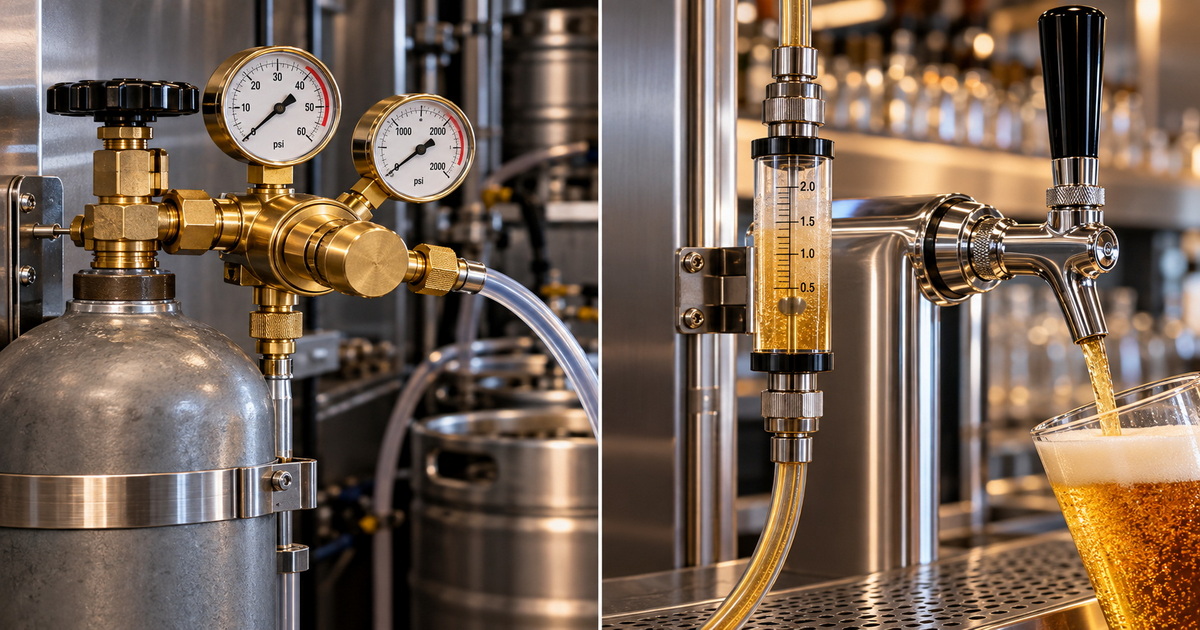
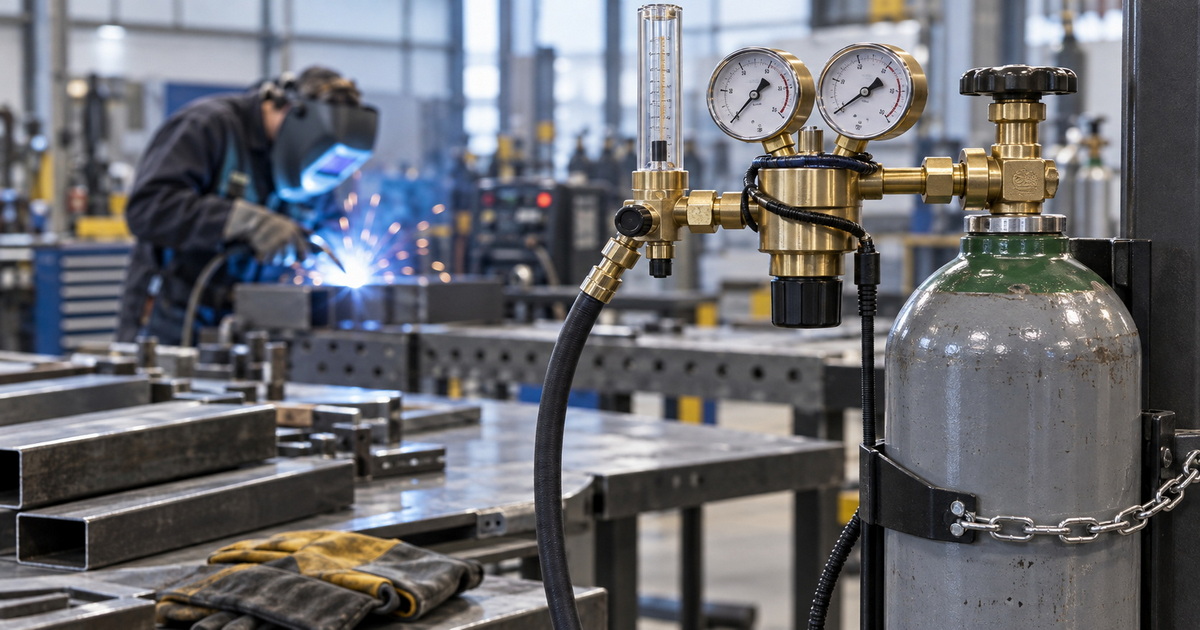
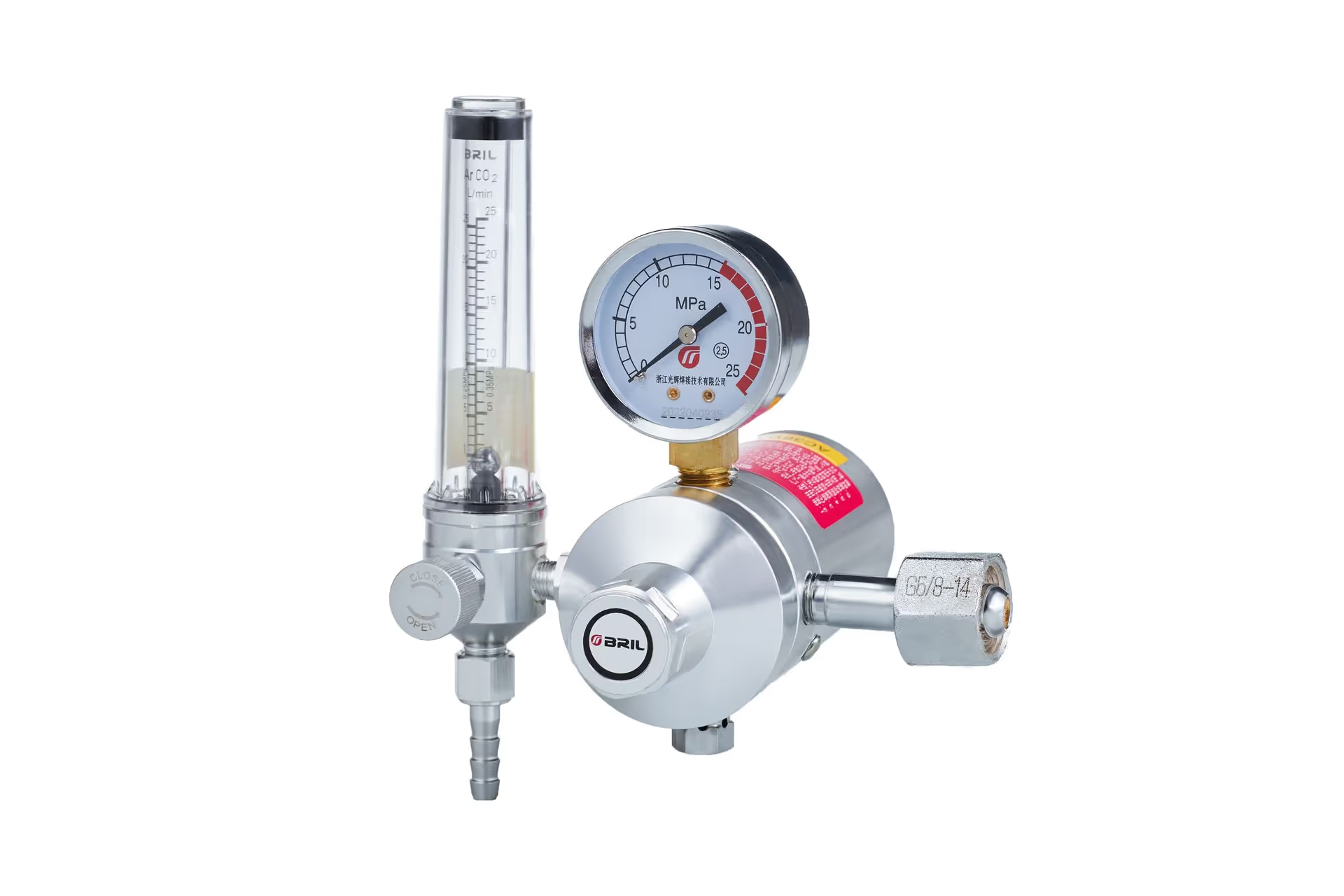
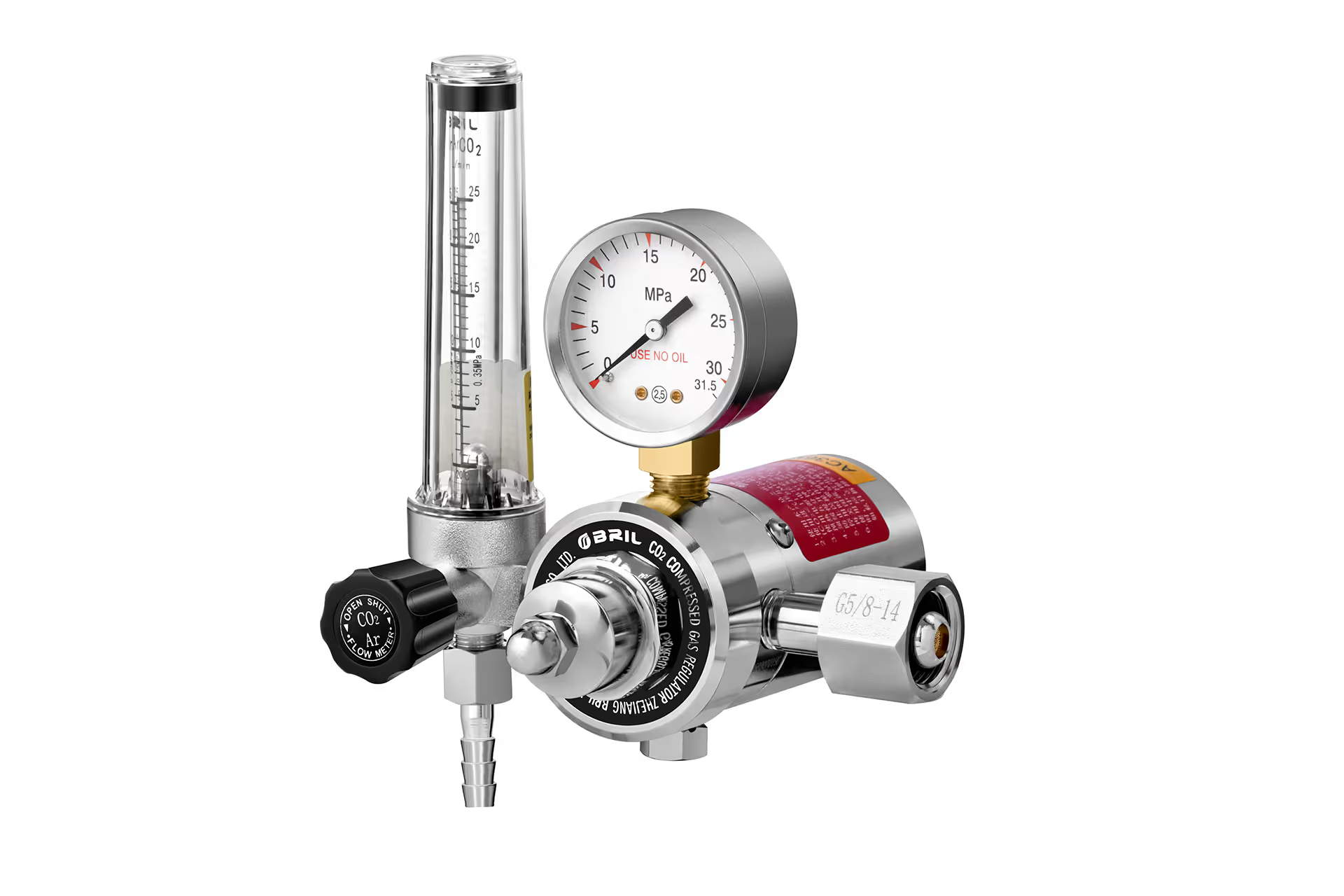
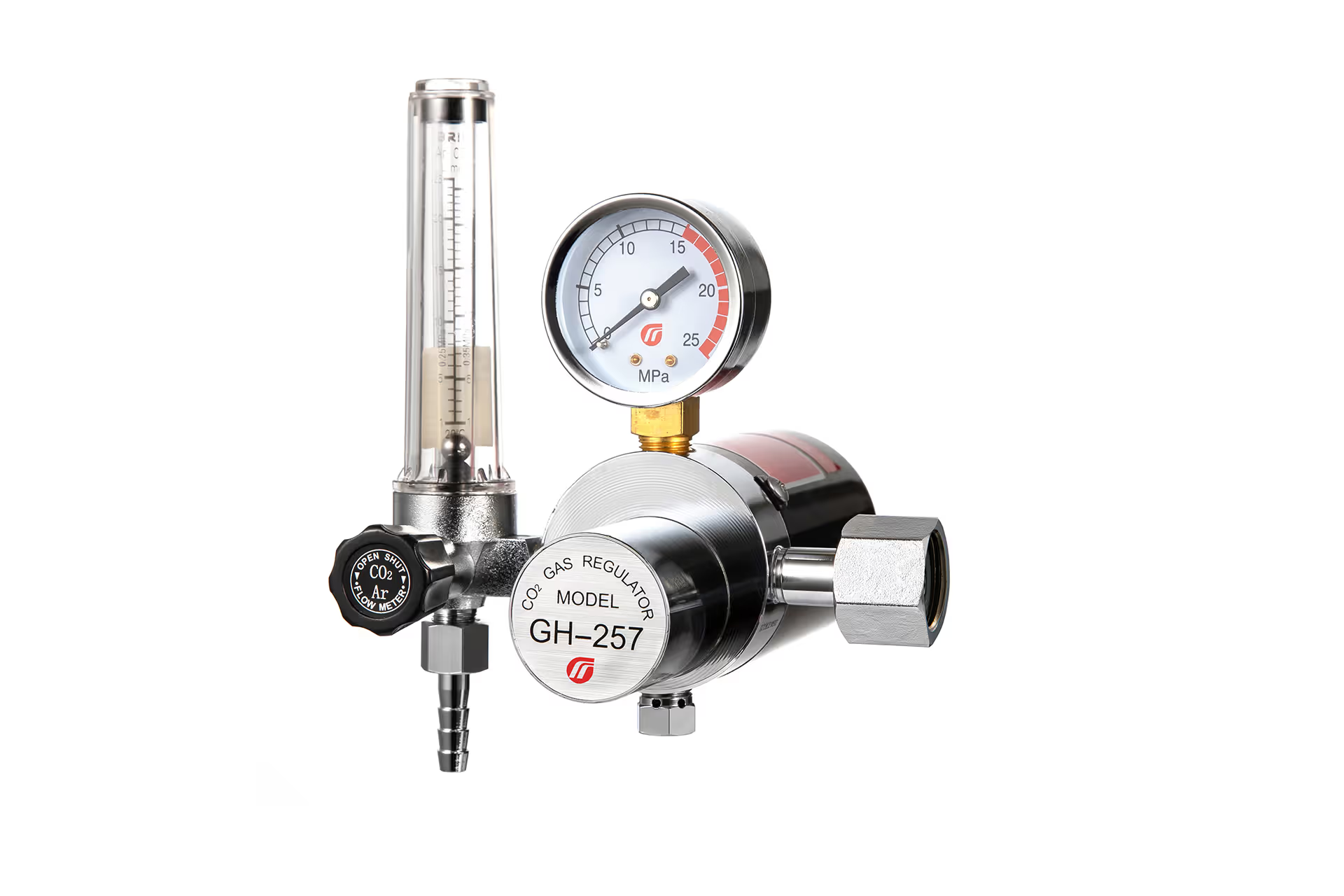
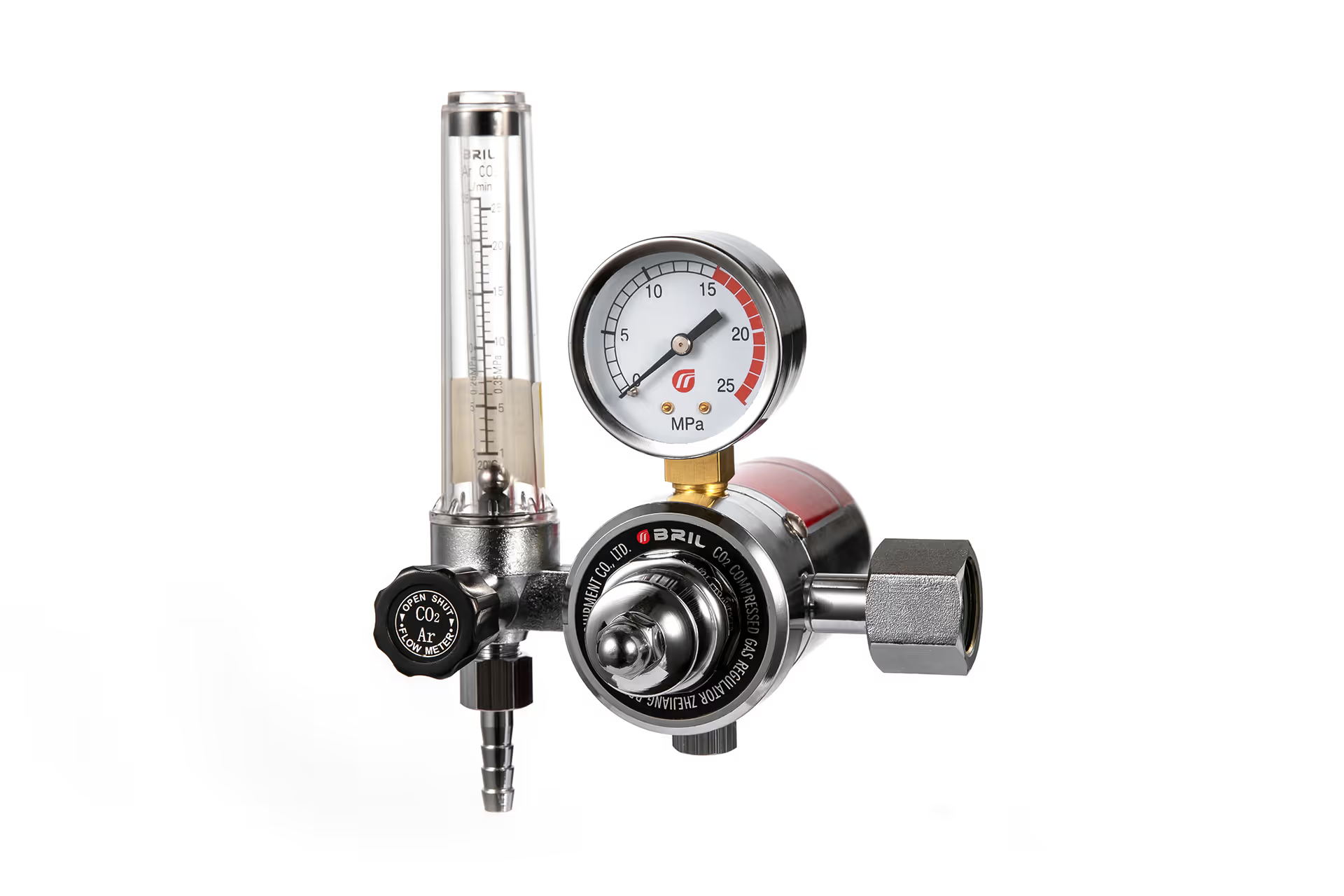
A dual output argon regulator flowmeter is built for two simultaneous gas outlets and is commonly used in MIG/TIG welding and purge applications where one cylinder must support more than one gas feed. Many models are designed with a calibrated flowmeter, pressure gauge, and brass construction to support stable gas delivery and better durability in professional use.
For teams that need to run two torches, a torch plus purge line, or a main line plus backup line, this format is especially practical. It reduces the need for multiple cylinders and helps maintain more consistent shielding control across different tasks.
Mini Gas Regulator
A mini gas regulator is designed with compact size and easy portability in mind, making it a strong fit for mobile welding kits, confined workspaces, and jobs that prioritize quick movement over multi-line output. It is often favored in lightweight field setups where the operator needs a simpler gas control solution with less bulk.
In mobile on-site pipe welding, this compact form can be useful when the welding point changes frequently or when the crew must carry equipment upstairs, into narrow plant areas, or across large job sites. The tradeoff is usually lower output flexibility compared with a dual outlet flowmeter setup.
Side-by-Side Performance Comparison
| Evaluation Factor | Dual Output Argon Regulator FlowMeter | Mini Gas Regulator |
|---|---|---|
| Portability | Moderate; larger body and more fittings | High; compact and easy to carry |
| Gas Output Flexibility | Excellent; supports two outlets | Limited; typically single, simplified output |
| Best For | TIG/MIG welding, back purging, multi-line gas use tbws. | Light mobile work, small jobs, fast field setup |
| Flow Precision | Strong; calibrated flowmeter models available tbws. | Good for basic use, less advanced than dual-output systems |
| Hose Management | Better for dual routing and purge lines. | Better for minimal hose runs |
| Space Efficiency | Requires more space | Excellent for tight work areas |
| Ideal Buyer | Fabricators, OEM brands, distributors, industrial users | Mobile technicians, compact kit users, small crews |
Which One Fits On-Site Pipe Welding Better?
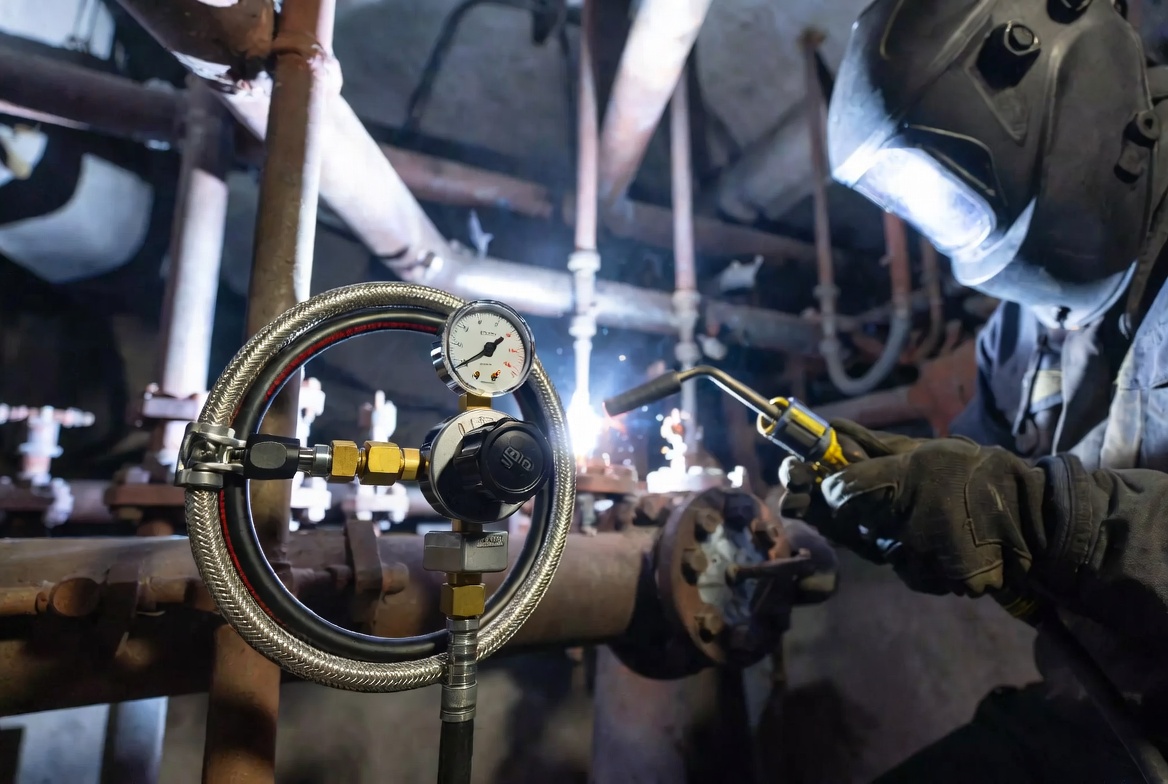
For mobile on-site pipe welding, the answer depends on the job structure. If the team frequently needs to switch between a torch and a purge line, or if the application demands more than one gas outlet, the dual output argon regulator flowmeter is usually the stronger choice.
If the work is highly mobile, the workspace is tight, or the crew values minimal equipment weight above everything else, the mini gas regulator may be more practical. In short, the dual output model wins on capability, while the mini model wins on portability.
Practical Rule of Thumb
– Choose dual output argon regulator flowmeter when:
– You need two gas outlets.
– You perform TIG welding with back purging.
– You want better flow control and more stable professional performance.
– Choose mini gas regulator when:
– The job is highly mobile.
– Space is limited.
– You want a lighter, simpler gas setup.
Technical Factors Buyers Should Evaluate
Flow Stability and Weld Quality
Stable flow matters because irregular shielding gas can affect bead appearance, oxidation resistance, and repeatability. That is why many professional flowmeter regulators use brass components and calibrated measurement systems to support predictable performance under field conditions.
For pipe welding, this becomes even more important during startup, repositioning, and purge-sensitive operations. A regulator that maintains steadier output helps reduce wasted gas and rework.
Material and Durability
Brass remains a preferred material in industrial gas control because it balances strength, corrosion resistance, and long-term sealing reliability. For OEM buyers, this also matters from a brand perspective: stable construction supports fewer complaints and better after-sales results.
Mini regulators can also be durable, but compact designs often prioritize size efficiency first. If your market segment expects heavy daily use, the regulator body, valve quality, and sealing design deserve close attention.
Standards and Compliance
Gas welding equipment with pressure regulators and flow-metering devices is covered by international standards such as ISO/EN ISO 2503 for gas welding applications up to 300 bar. For B2B buyers, this is not just a technical detail. It is a procurement filter that affects market access, customer trust, and product acceptance in different regions.
If you supply overseas brands or distributors, compliance language should appear in product pages, catalogs, and technical documents. It helps reduce friction during sourcing and supports a more professional purchasing process.
Industry Trend and Buyer Insight
The industrial gas regulator market continues to expand, with multiple reports projecting steady growth through the next decade. That growth is being supported by welding demand, industrial gas usage, and the need for higher-precision gas control in manufacturing and fabrication.
From a buyer’s perspective, this means customers are no longer comparing regulators only by price. They are increasingly comparing performance consistency, certification, portability, and customization capability.
Expert Selection Guide for OEM and ODM Buyers
If you are a wholesaler, distributor, or brand owner, the right product should match the target market, not just the technical catalog. In our experience, the best selection process starts with application mapping.
Use This 5-Step Selection Method
1. Define the welding scenario: TIG, MIG, purge, or mixed use.
2. Confirm cylinder and inlet compatibility.
3. Decide whether you need one outlet or two.
4. Check portability requirements for field crews.
5. Verify branding, packaging, and compliance needs for your market.
This method helps OEM and ODM buyers reduce product mismatch and improve post-sale satisfaction. It also makes it easier to build a cleaner product line with clear positioning.
Manufacturer Perspective: Why Customization Matters
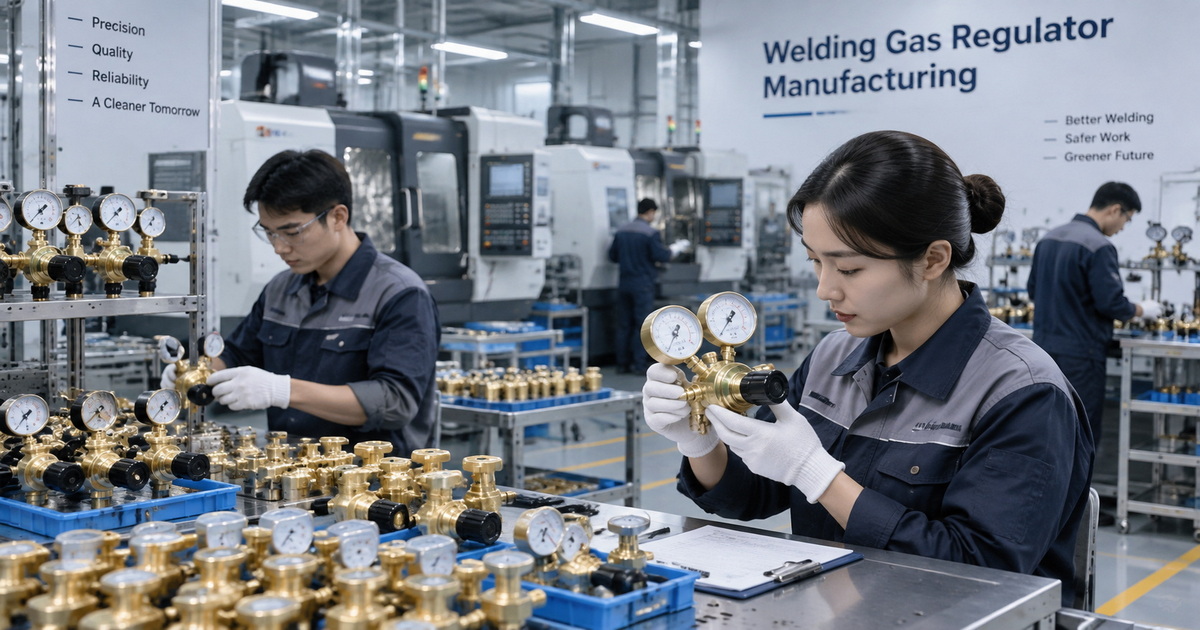
As a professional gas regulator manufacturer, we know that many buyers need more than standard catalog products. Some markets require custom gauges, special inlet threads, private-label packaging, or modified outlet configurations. Others need product families that cover CO₂ regulators, heated CO₂ regulators, argon regulators, oxygen regulators, acetylene regulators, propane regulators, nitrogen regulators, and dual-stage gas regulators under one sourcing plan.
That is why OEM and ODM support is often the deciding factor in a B2B purchasing decision. A capable manufacturing partner can help align product performance, branding, and compliance with the customer’s real market needs.
Recommended Use Cases
Choose Dual Output Argon Regulator FlowMeter If You Need
– Two simultaneous outputs.
– Better control for welding plus purge work.
– Stronger fit for professional TIG/MIG setups.
Choose Mini Gas Regulator If You Need
– Maximum portability.
– Easy handling in mobile repair work.
– A compact regulator for small-scale field welding.
Final Buying Decision
For most mobile on-site pipe welding projects, the dual output argon regulator flowmeter is the better choice when performance and versatility matter more than size. It offers more control, better routing options, and stronger support for multi-line welding workflows.
The mini gas regulator is the smarter choice when the job is extremely mobile and the user wants a lighter, simpler setup. For B2B buyers, the best decision is to match the regulator to the actual workflow, not just the cylinder.
If you are sourcing gas regulators for OEM, ODM, or wholesale distribution, choose a manufacturer that can provide stable pressure control, brass construction, compliance support, and customized industrial gas solutions for your target market.
References
1. [Industrial Gas Regulators Global Market Report 2026] [giiresearch]
2. [U.S. Industrial Gas Regulator Market Trends, Share & Size] [coherentmarketinsights]
3. [Industrial Gas Regulators Market Size, Share, Growth, and Industry Analysis] [industryresearch]
4. [EN ISO 2503:2009 – Gas welding equipment] [standards.iteh]
5. [ISO 2503:2009(en), Gas welding equipment] [iso]
6. [BS EN ISO 2503:2009+A1:2015] [knowledge.bsigroup]
7. [Argon Regulator Flowmeter | TIG Welding Flowmeter] [tbws.co]
8. [Dual Output Argon Flow Meter Regulator Features] [youtube]
9. [Regulator For Miniature Portable Argon Gas Tank] [pepetools]
10. [Mini Gas Regulator] [r-techwelding.co]
11. [Custom Dual Output Argon Regulator Flowmeter Factory] [chinesewelding]
12. [Gas Regulator Manufacturer in China] [chinesewelding]
13. [VEVOR Dual Output Argon Regulator] [vevor]
Hot Tags: Dual Output Argon Regulator, Argon Regulator FlowMeter, Mini Gas Regulator, Mobile Pipe Welding, On Site Pipe Welding, TIG Welding Regulator, MIG Welding Regulator, Gas Flow Control, Argon Gas Regulator, Welding Gas Regulator