Content Menu
● What Is a Carbon Dioxide Regulator?
>> Core Functions of a Standard CO₂ Regulator
● What Is a Heated CO₂ Regulator?
● Carbon Dioxide Regulator vs Heated CO₂ Regulator
● How Regulator Freeze-Up Affects Beer Quality
>> Treat Freeze-Up as a System Diagnosis
● When a Standard CO₂ Regulator Is the Better Choice
● When a Heated CO₂ Regulator Is Worth the Investment
● Buyer Checklist for OEM and Wholesale Projects
● Installation and Adjustment Best Practices
● FAQ
>> 1. Does every draft beer system need a heated CO₂ regulator?
>> 2. What pressure should I set for draft beer?
>> 3. Why does a CO₂ beer regulator freeze?
>> 4. Can a dual-stage CO₂ regulator prevent freeze-up?
>> 5. How can I tell whether my draft beer system has a gas leak?
>> 6. Can one CO₂ regulator supply multiple kegs?
>> 7. What should OEM buyers request from a CO₂ regulator manufacturer?
Choosing between a standard carbon dioxide regulator and a heated CO₂ regulator is not simply a matter of budget. For draft beer systems, the right regulator affects pour consistency, carbonation retention, gas efficiency, service continuity, and the customer’s final impression of the beer.
A conventional CO₂ regulator is suitable for many keg beer installations. However, a heated CO₂ regulator becomes a valuable upgrade where gas demand is high, ambient temperatures are low, or regulator freeze-up has caused unstable dispensing pressure.
What Is a Carbon Dioxide Regulator?
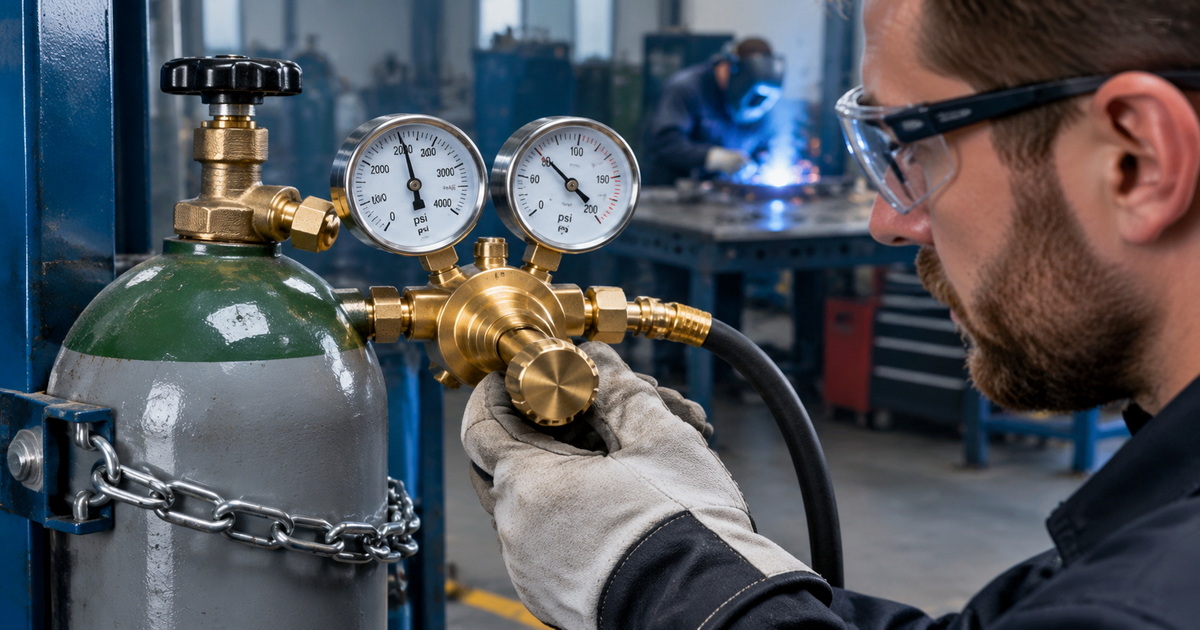
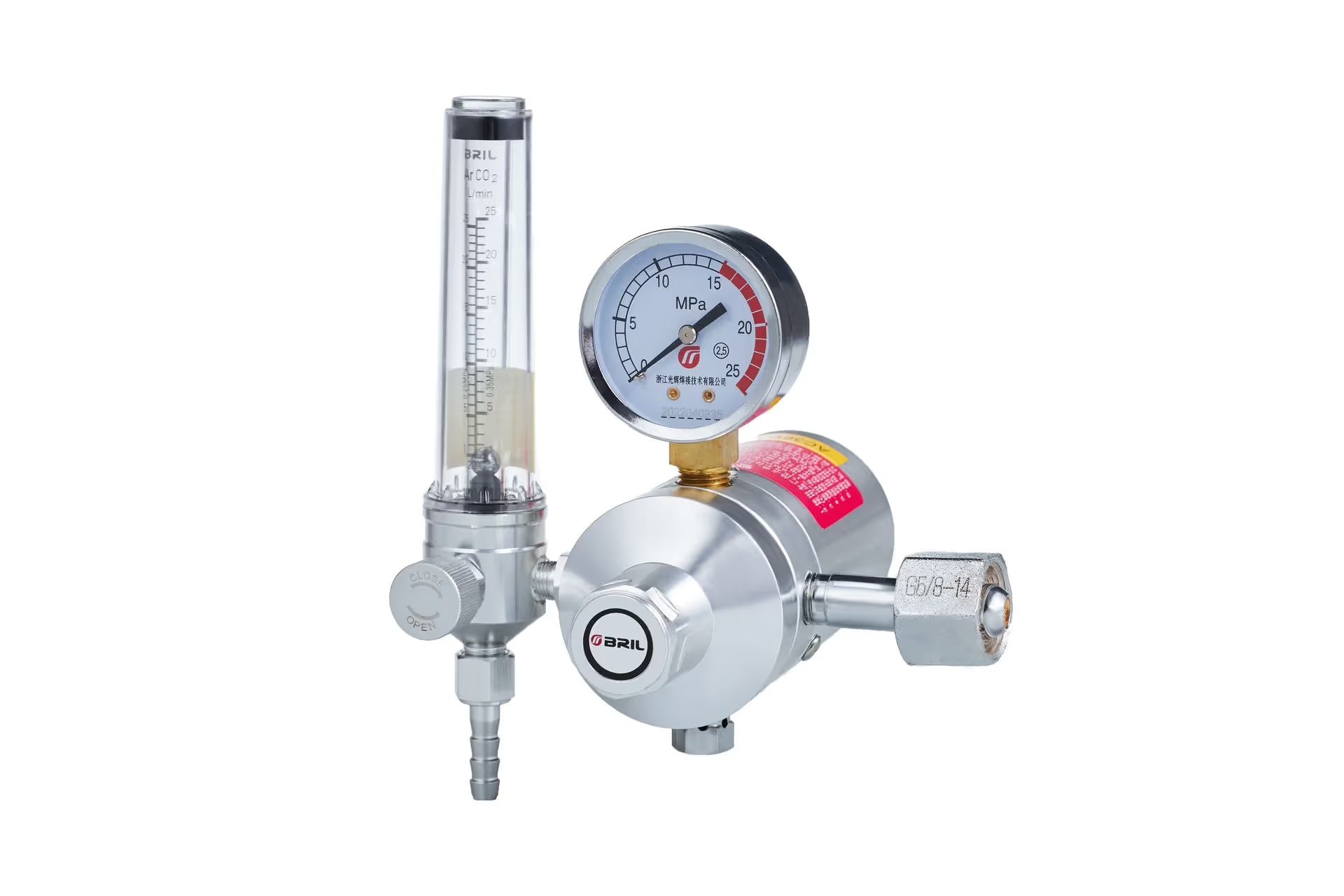
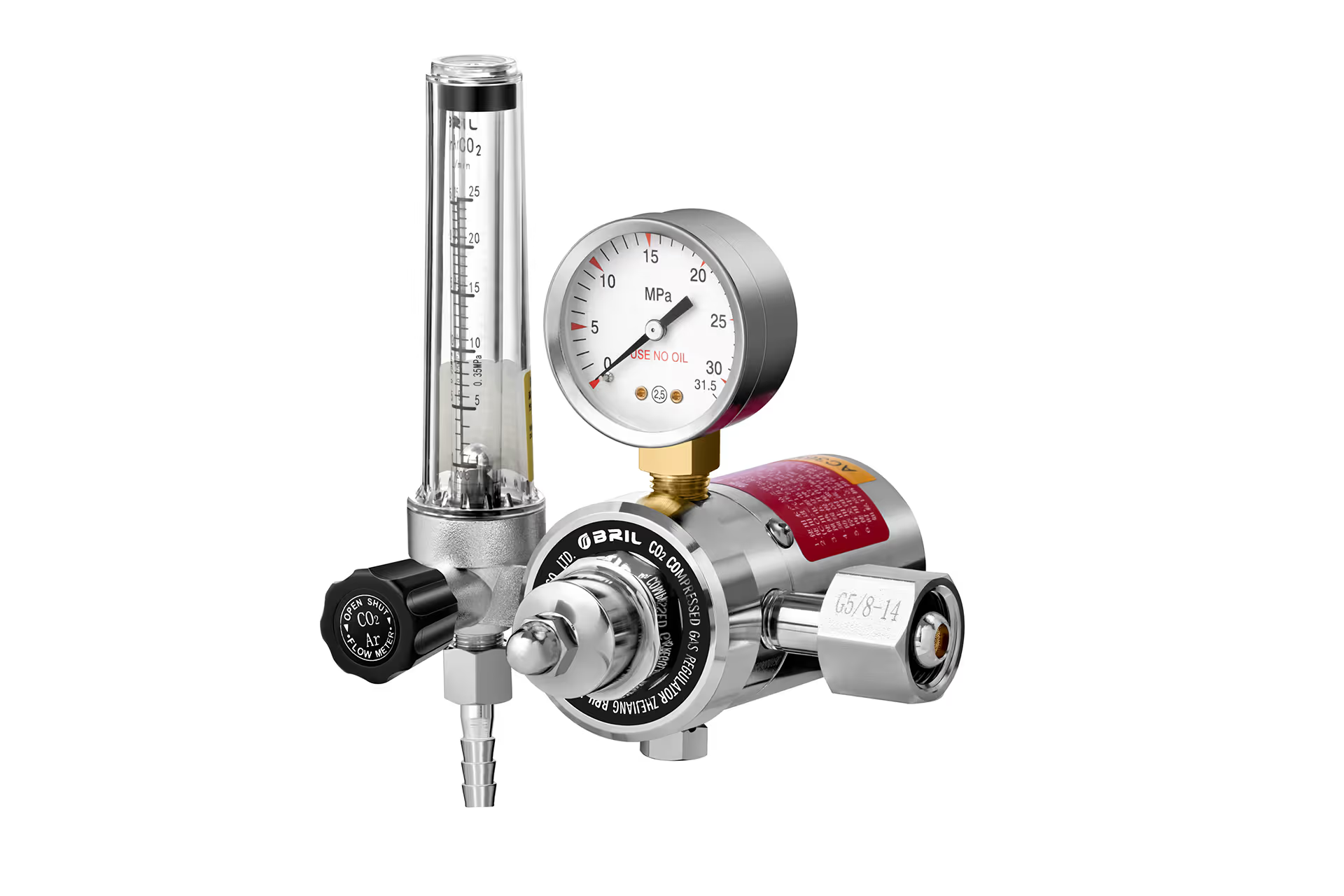
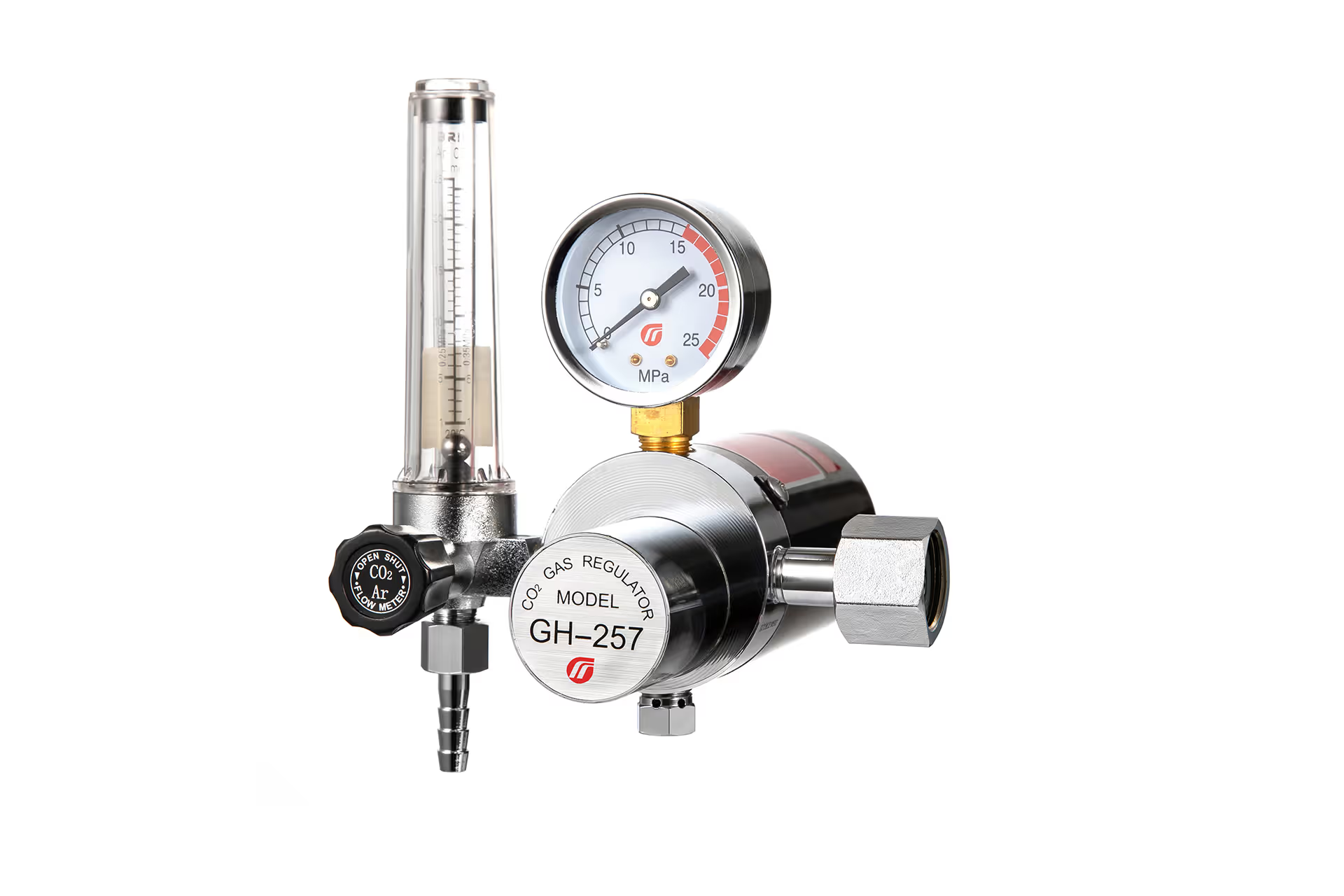
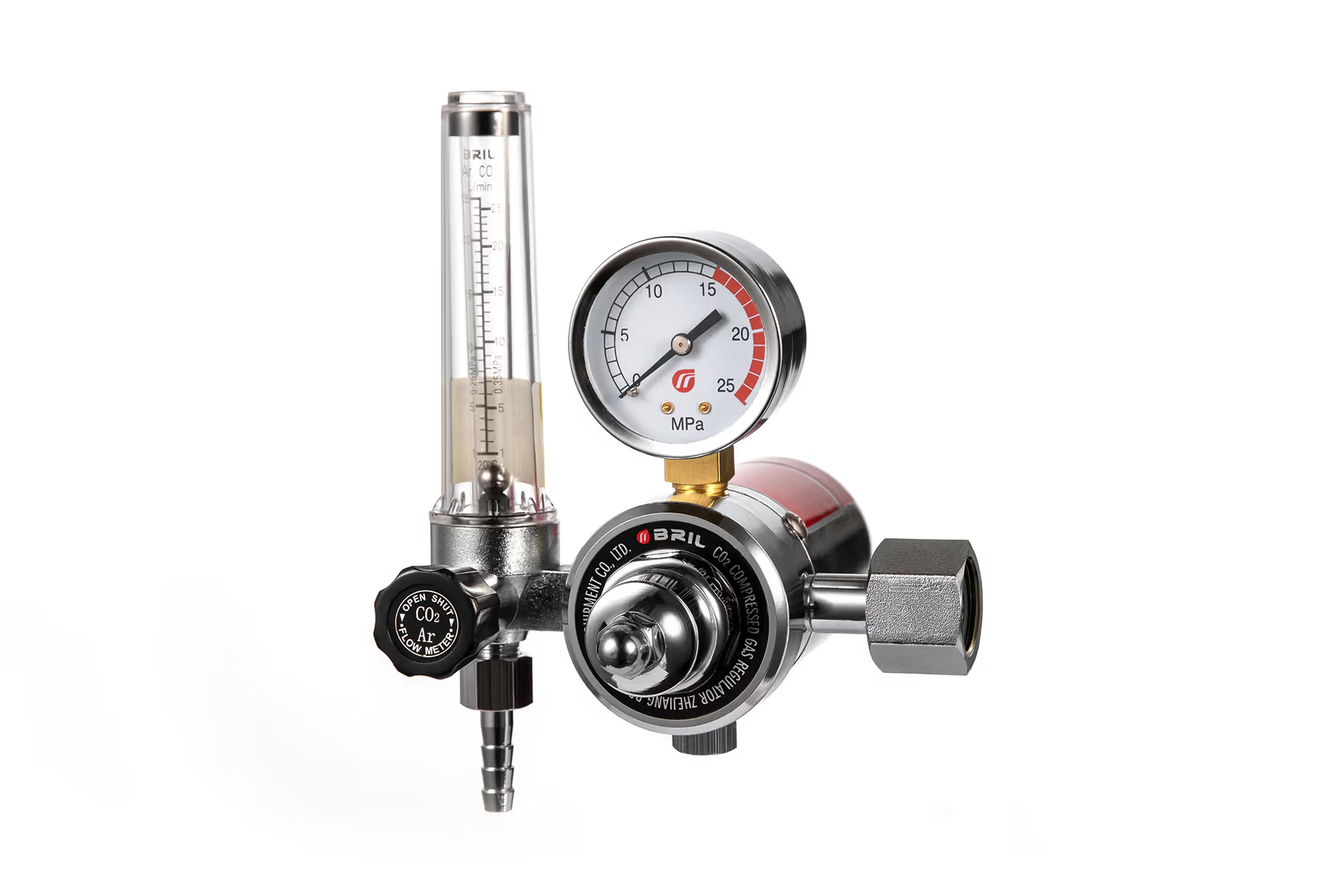
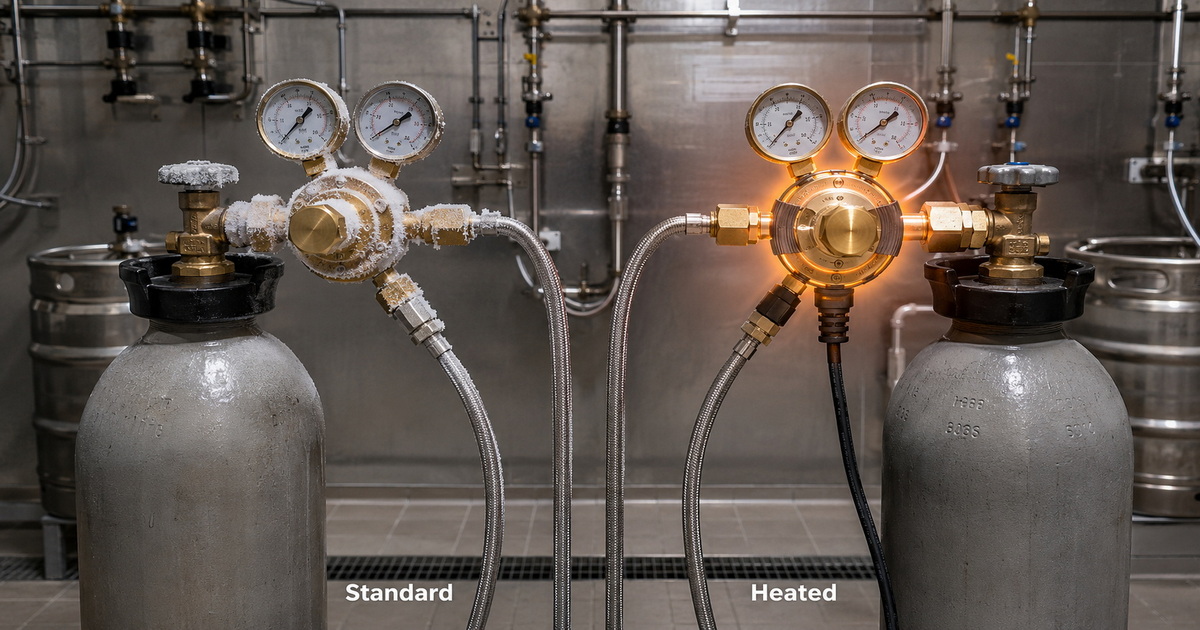
A carbon dioxide regulator for draft beer reduces the extremely high pressure inside a CO₂ cylinder to a safe, adjustable delivery pressure for a keg. It also helps maintain the pressure required to preserve a beer’s intended carbonation level during storage and dispensing.
In a typical draft beer system, the regulator connects between the CO₂ cylinder and the keg coupler. The low-pressure gauge shows the gas pressure delivered to the keg, while the high-pressure gauge indicates cylinder pressure or remaining gas condition.
For many standard ale, lager, and kegerator installations, a conventional CO₂ beer regulator can provide dependable performance when it is correctly specified, installed, and maintained.
Core Functions of a Standard CO₂ Regulator
– Reduces high cylinder pressure to a usable dispensing pressure
– Maintains consistent gas pressure to the keg
– Supports carbonation balance during serving
– Allows users to adjust pressure for different beer styles
– Helps reduce waste caused by flat beer, excess foam, or inconsistent pours
– Provides visual pressure monitoring through one or two gauges
– May include a shut-off valve and pressure-relief valve
In normal draft beer operation, pressure requirements vary by beer style, temperature, line length, elevation, and carbonation target. For example, many ales are commonly dispensed around 7–13 psi, while lagers may require roughly 10–14 psi. Highly carbonated wheat beers and Belgian-style beers can need higher settings.
What Is a Heated CO₂ Regulator?
A heated CO₂ regulator is designed to help prevent freezing or frost formation around the regulator during high gas-flow conditions. Depending on the design, heating may be integrated into the regulator body or provided by an external heating device installed near the cylinder outlet or regulator assembly.
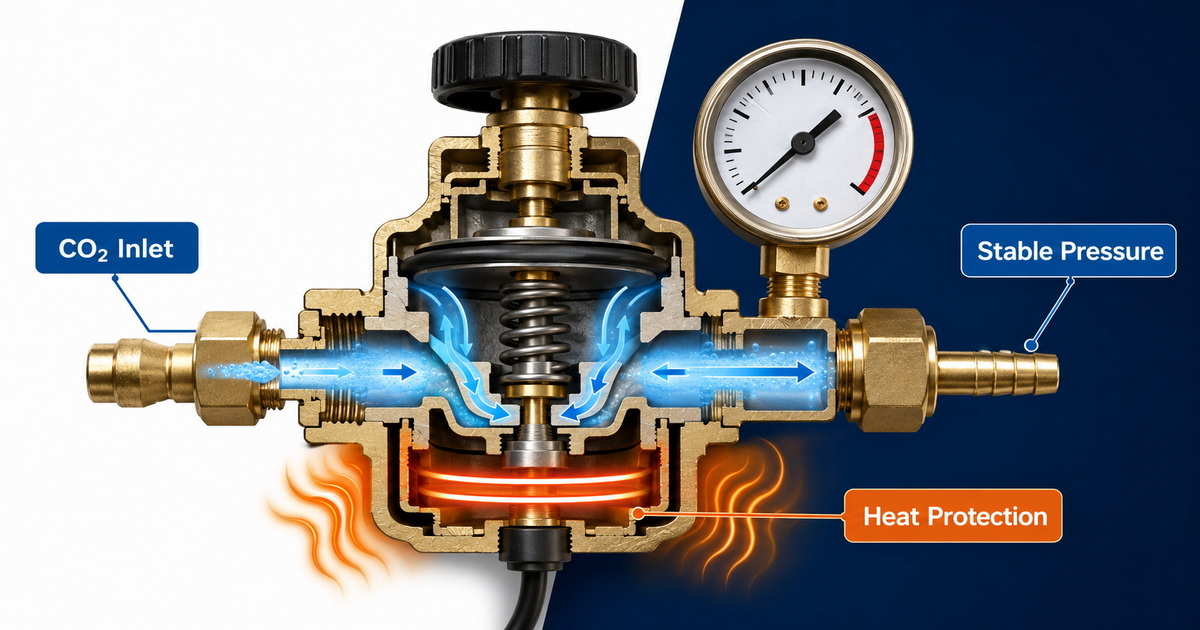
The need for heating comes from a simple physical effect: as liquid CO₂ expands and vaporizes quickly, it absorbs heat from its surroundings. Under continuous, high-volume gas withdrawal, the regulator body can become very cold. Moisture in the air may condense and freeze around moving components, diaphragms, fittings, or adjustment mechanisms.
When freeze-up occurs, a regulator may show symptoms such as:
– Fluctuating outlet pressure
– Slow pressure recovery after repeated pours
– Restricted gas flow
– Frost on the regulator or cylinder valve
– Inconsistent carbonation
– Excessive beer foam
– Interrupted dispensing during peak service periods
A heated CO₂ regulator does not change the purpose of pressure regulation. Instead, it improves operational stability by helping maintain adequate temperature around critical regulating components.
Carbon Dioxide Regulator vs Heated CO₂ Regulator
| Comparison Factor | Standard Carbon Dioxide Regulator | Heated CO₂ Regulator |
|---|---|---|
| Primary function | Reduces cylinder pressure for keg dispensing | Regulates pressure while reducing freeze-up risk |
| Best environment | Normal-flow bars, restaurants, kegerators, and single-keg systems | High-demand commercial systems, cold rooms, breweries, stadiums, and busy venues |
| Freeze resistance | Depends on flow rate, ambient temperature, regulator design, and ventilation | Higher resistance because heating compensates for cooling during expansion |
| Initial cost | Lower | Higher due to heating components and controls |
| Operating complexity | Simple installation and adjustment | May require electrical connection, heater control, and additional safety checks |
| Pressure stability under high draw | Can decline when gas withdrawal is rapid or continuous | Usually more stable when rapid gas expansion creates severe cooling |
| Maintenance needs | Inspect gauges, seals, valves, threads, and leaks | Standard regulator maintenance plus heater inspection and electrical verification |
| Ideal buyer | Homebrew users, small bars, standard draft-system distributors | Draft equipment installers, large venues, breweries, OEM system builders, high-volume operators |
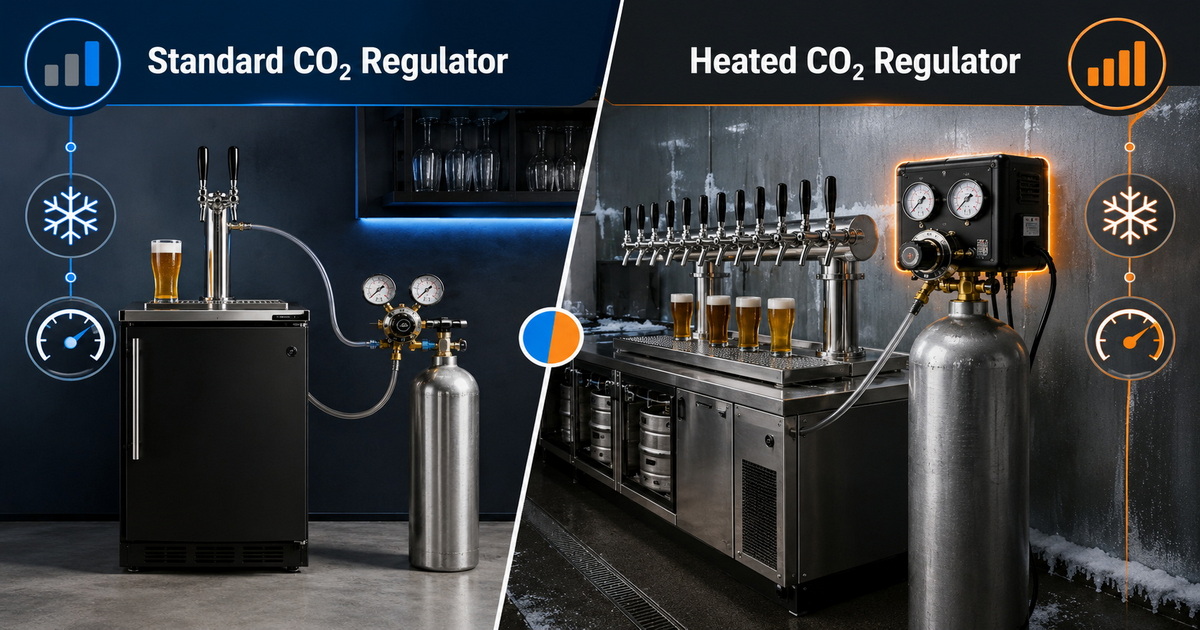
The key distinction is operational context. A regular CO₂ regulator is often sufficient for stable, moderate-use conditions. A heated model is a risk-control solution for applications where a frozen regulator could interrupt service, waste beer, or create costly maintenance calls.
How Regulator Freeze-Up Affects Beer Quality
Freeze-up is not only an equipment problem. It can become a beer-quality and profit problem.
When outlet pressure falls below the required dispensing pressure, beer may pour slowly or lose carbonation balance. When pressure rises or fluctuates unpredictably after thawing, the result can be foamy pours, inconsistent glass fills, product waste, and customer complaints.
A draft system must balance several connected variables:
Serving pressure=carbonation requirement+line resistance+vertical lift requirement
Industry guidance notes that draft-system pressure is influenced by line resistance and elevation. One practical formula uses line resistance plus approximately 0.5 psi for each foot of vertical lift.
For example, a bar serving lager at 38°F may need approximately 10–14 psi, depending on the beer’s carbonation level and system balance. If the regulator freezes during rush hour and delivery pressure becomes unstable, operators often mistake the resulting foam for a faucet or beer-line problem. The root cause may instead be unstable gas regulation.
Treat Freeze-Up as a System Diagnosis
From a manufacturing and service perspective, “the regulator is freezing” should not automatically lead to “buy a heated regulator.” First, assess the complete gas-delivery system:
1. Check whether gas demand exceeds the capacity of the cylinder or regulator.
2. Inspect for rapid continuous draw caused by multiple taps or high-volume dispensing.
3. Confirm cylinder size and placement are appropriate for the application.
4. Check for leaks using a soap-water solution around connections and valves.
5. Verify that the regulator is rated for the required flow and pressure range.
6. Assess whether ambient temperature, humidity, or poor airflow is accelerating frost formation.
7. Upgrade to a heated regulator when the operating conditions justify it.
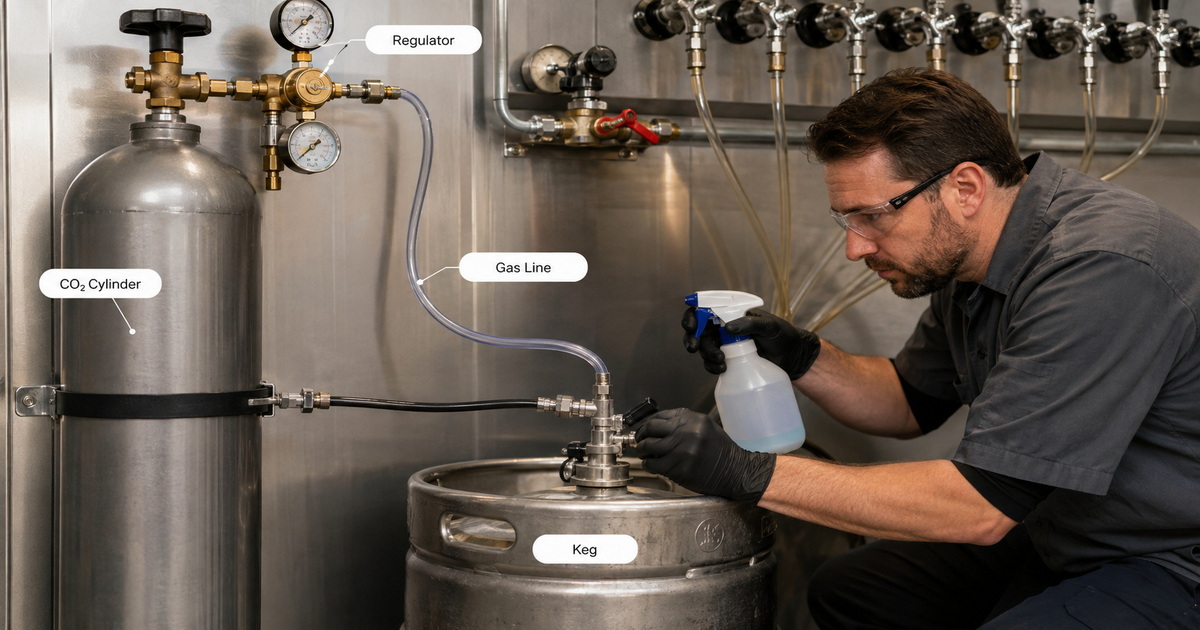
Leak testing is particularly important because gas leaks increase cylinder consumption and may cause the regulator to work harder than expected. A soap-water solution applied to connections can help identify leaks through visible bubbling.
When a Standard CO₂ Regulator Is the Better Choice
A standard draft beer CO₂ regulator is often the best solution when the system has predictable demand and adequate thermal conditions.
Choose a conventional model when:
– You operate a home kegerator or small commercial setup
– The system serves one or a limited number of kegs
– Beer demand is moderate rather than continuous
– The CO₂ cylinder is properly sized for daily consumption
– The regulator is installed in a reasonably warm, dry environment
– There is no history of frost, unstable pressure, or slow recovery
– You need a cost-effective regulator for OEM, wholesale, or distribution programs
For many buyers, a high-quality brass CO₂ regulator with a stable diaphragm, accurate gauges, durable shut-off valve, and reliable pressure-relief design delivers excellent long-term value.
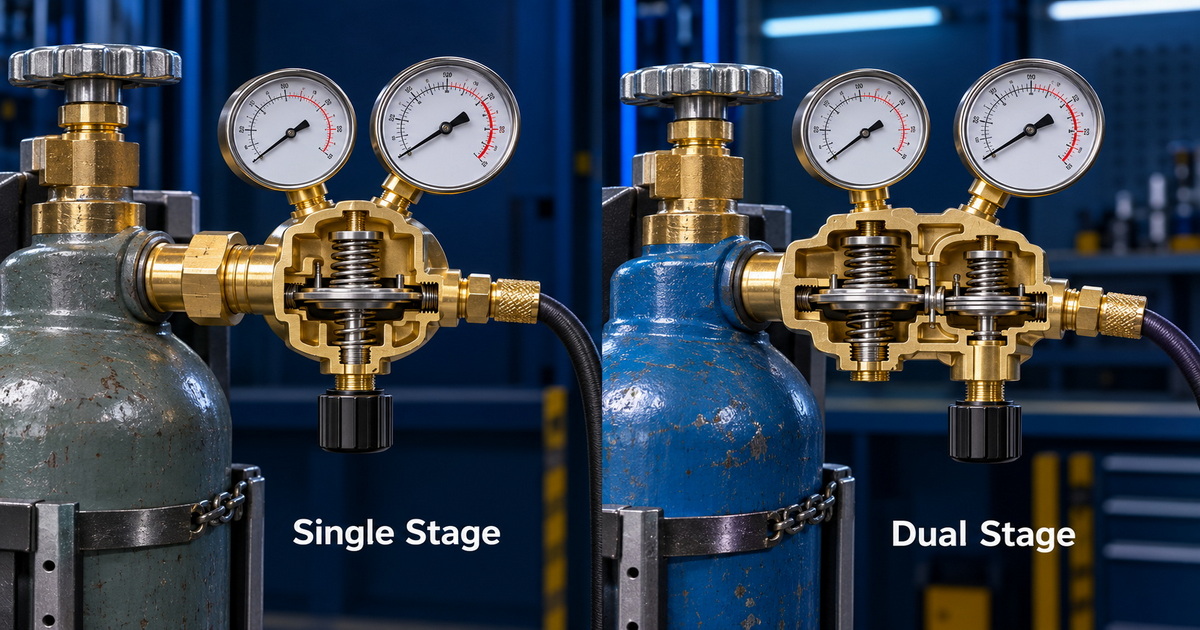
A dual-stage CO₂ regulator can also be worth considering where fine pressure adjustment matters. In a two-stage design, the first stage reduces high tank pressure and the second stage fine-tunes delivery pressure, helping improve control over small adjustments.
When a Heated CO₂ Regulator Is Worth the Investment
A heated CO₂ regulator is usually justified when the cost of downtime exceeds the added equipment cost.
Consider a heated regulator if your application involves:
– High-volume beer dispensing during peak hours
– Multiple taps drawing from one gas source
– Stadiums, hotels, banquet halls, concert venues, or busy pubs
– Brewery cellars with heavy CO₂ use
– Cold storage rooms or low-temperature installation areas
– Fast force-carbonation or rapid keg-pressurization operations
– A documented history of regulator frost and unstable pressure
– Service environments where technicians need to reduce repeat maintenance visits
For example, a busy event venue may draw CO₂ rapidly across multiple dispensing lines. During a sustained serving rush, the regulator can cool significantly as CO₂ expands. A heated unit helps preserve a more stable operating temperature, lowering the likelihood that frost disrupts gas flow.
This does not mean heating replaces good system design. The correct cylinder capacity, regulator flow rating, line balance, ventilation, and preventative maintenance remain essential.
Buyer Checklist for OEM and Wholesale Projects
For overseas distributors, draft-equipment brands, and commercial-system assemblers, selecting the right regulator involves more than choosing “heated” or “non-heated.”
Evaluate these specifications before sourcing:
| Specification | Why It Matters |
|---|---|
| Gas type | CO₂ regulators must be compatible with the intended gas and cylinder connection standard |
| Inlet connection | Must match regional cylinder-valve standards and customer market requirements |
| Outlet pressure range | Must cover the application’s required dispensing pressure |
| Gauge range and readability | Improves installation accuracy and operator safety |
| Single-stage or dual-stage design | Affects pressure-control precision and high-pressure handling |
| Body material | Brass offers corrosion resistance, machinability, and reliable sealing performance |
| Diaphragm and seal materials | Influence gas compatibility, temperature behavior, and service life |
| Relief valve design | Provides overpressure protection |
| Flow capacity | Must support the number of taps and expected peak demand |
| Heating method | Determines anti-freeze performance, electrical requirements, and installation complexity |
| Certification requirements | Must align with destination-market regulations and customer compliance needs |
| Custom branding | Supports OEM differentiation through color, logo, packaging, gauge face, and fittings |
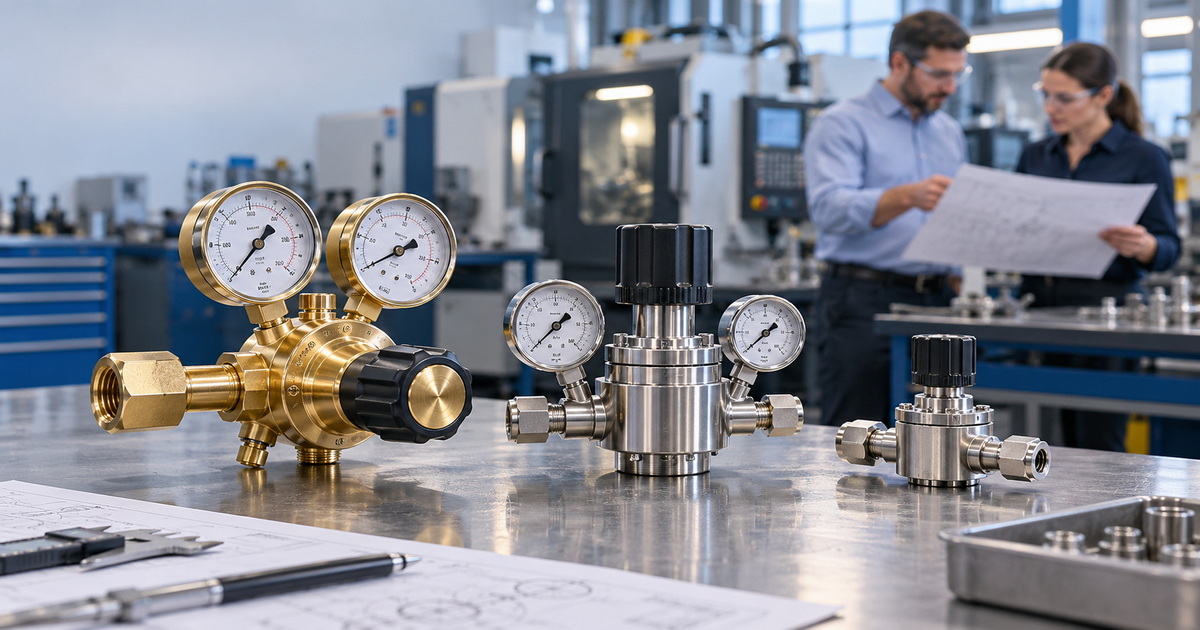
A professional manufacturer should provide clear technical drawings, pressure-test requirements, material specifications, inspection procedures, packaging standards, and customization options before mass production.
Installation and Adjustment Best Practices
Correct installation improves both regulator performance and safety. Always follow the regulator manufacturer’s instructions and applicable gas-handling regulations.
A practical setup sequence is:
1. Secure the CO₂ cylinder in an upright position.
2. Confirm that the regulator inlet connection and sealing washer are correct.
3. Keep the regulator shut-off valve closed before opening the cylinder valve.
4. Open the cylinder valve fully and slowly.
5. Turn the pressure-adjustment control clockwise to increase outlet pressure.
6. Set the pressure according to beer style, temperature, line design, and brewery guidance.
7. Open the shut-off valve to pressurize the keg.
8. Briefly vent the keg through its pressure-relief valve, then recheck the regulator reading.
9. Inspect all joints for leaks with a soap-water solution.
10. Monitor pour quality and make small, controlled adjustments rather than large pressure changes.
This adjustment method is consistent with draft-system guidance from industry suppliers: open the cylinder valve, set the output pressure gradually, allow the keg to equalize, vent briefly through the keg coupler relief valve, and recheck the output gauge.
Final Recommendation
For ordinary draft beer systems, a reliable carbon dioxide regulator is typically the practical and cost-efficient choice. It can provide stable pressure control when correctly sized, installed, and maintained.
For high-demand or cold-environment applications, a heated CO₂ regulator can protect dispensing continuity by reducing freeze-up risk during rapid gas withdrawal. It is most valuable for commercial operators that cannot afford unstable pours, beer waste, or service interruptions.
If you are developing a branded draft beer equipment line, sourcing regulators for wholesale distribution, or building a customized gas-control system, choose a supplier that can match pressure range, brass body design, gauges, fittings, safety features, heating configuration, certification needs, and OEM packaging to your target market.
Looking for a dependable CO₂ or heated CO₂ regulator for your draft beer project? Contact our team to discuss OEM/ODM design, custom fittings, pressure ranges, branding, packaging, and quality-control requirements for your market.
FAQ
1. Does every draft beer system need a heated CO₂ regulator?
No. Most home kegerators, small bars, and moderate-demand draft systems work well with a standard CO₂ regulator. Heated models are most beneficial where gas flow is high, the environment is cold, or freeze-up has occurred repeatedly.
2. What pressure should I set for draft beer?
The correct setting depends on beer style, keg temperature, carbonation level, beer-line resistance, and vertical lift. Many ales are commonly served around 7–13 psi, while lagers often fall around 10–14 psi. Always follow brewery recommendations and balance the complete system.
3. Why does a CO₂ beer regulator freeze?
Rapid CO₂ expansion can cool the regulator. When demand is high and heat from the surrounding environment cannot compensate, condensation or moisture may freeze around the regulator components, potentially affecting pressure stability.
4. Can a dual-stage CO₂ regulator prevent freeze-up?
A dual-stage regulator improves pressure-control precision, especially when making small adjustments, but it is not automatically a substitute for a heated regulator. Freeze resistance depends on total system design, gas flow, ambient temperature, and the regulator’s construction.
5. How can I tell whether my draft beer system has a gas leak?
Apply a soap-water solution to regulator connections, valves, hose joints, and fittings. Bubbling can indicate escaping gas. Address leaks promptly because they waste CO₂ and can contribute to inconsistent system performance.
6. Can one CO₂ regulator supply multiple kegs?
Yes, but each keg may require different pressure depending on beer style and carbonation requirements. For multiple beers needing separate pressures, use independent secondary regulators, multi-body regulators, or an appropriate gas-distribution arrangement.
7. What should OEM buyers request from a CO₂ regulator manufacturer?
Request a full specification sheet covering gas compatibility, inlet and outlet connections, pressure range, gauge configuration, material details, pressure-relief protection, flow capacity, inspection standards, certifications, branding options, packaging, and sample approval procedures.
References
1. KegWorks. “[A Guide to CO₂ and Nitrogen Beer Regulators].” Accessed August 2026. [kegworks]
2. KegWorks. “[Determining the Right Pressure for Your Draft Beer System].” Accessed August 2026. [kegworks]
3. Micro Matic. “[Regulator Basics].” Accessed August 2026. [micromatic]
4. Beverage Factory. “[Kegerator Basics: What You Need To Know About CO₂].” August 10, 2020. [beveragefactory]
5. Draft Beer Intelligence. “[A Guide to Draft Beer Regulators].” Accessed August 2026. [draftbeerintelligence]
6. Kegco. “[Premium Dual Gauge, 2-Stage CO₂ Draft Beer Regulator].” Accessed August 2026. [kegco]
7. Micro Matic. “[Gas Regulators].” Accessed August 2026. [micro-matic]
Hot Tags: Carbon Dioxide Regulator, Heated CO₂ Regulator, Draft Beer CO₂ Regulator, Commercial Draft Beer System, CO₂ Beer Gas Regulator, Dual Stage CO₂ Regulator, Brass CO₂ Regulator Manufacturer, OEM Gas Regulator Supplier, Draft Beer Equipment Supplier, Industrial Gas Pressure Regulator