Content Menu
● Spain’s Position in Industrial Gas-Control Sourcing
● How to Evaluate a Qualified Supplier
>> 1. Manufacturing and Supply-Chain Transparency
>> 2. Application-Specific Technical Evidence
>> 3. Quality-Control and Traceability Systems
>> 4. Engineering and Customization Capability
>> 5. Delivery and After-Sales Reliability
● Quick Comparison: Five Argon Regulator Sourcing Options
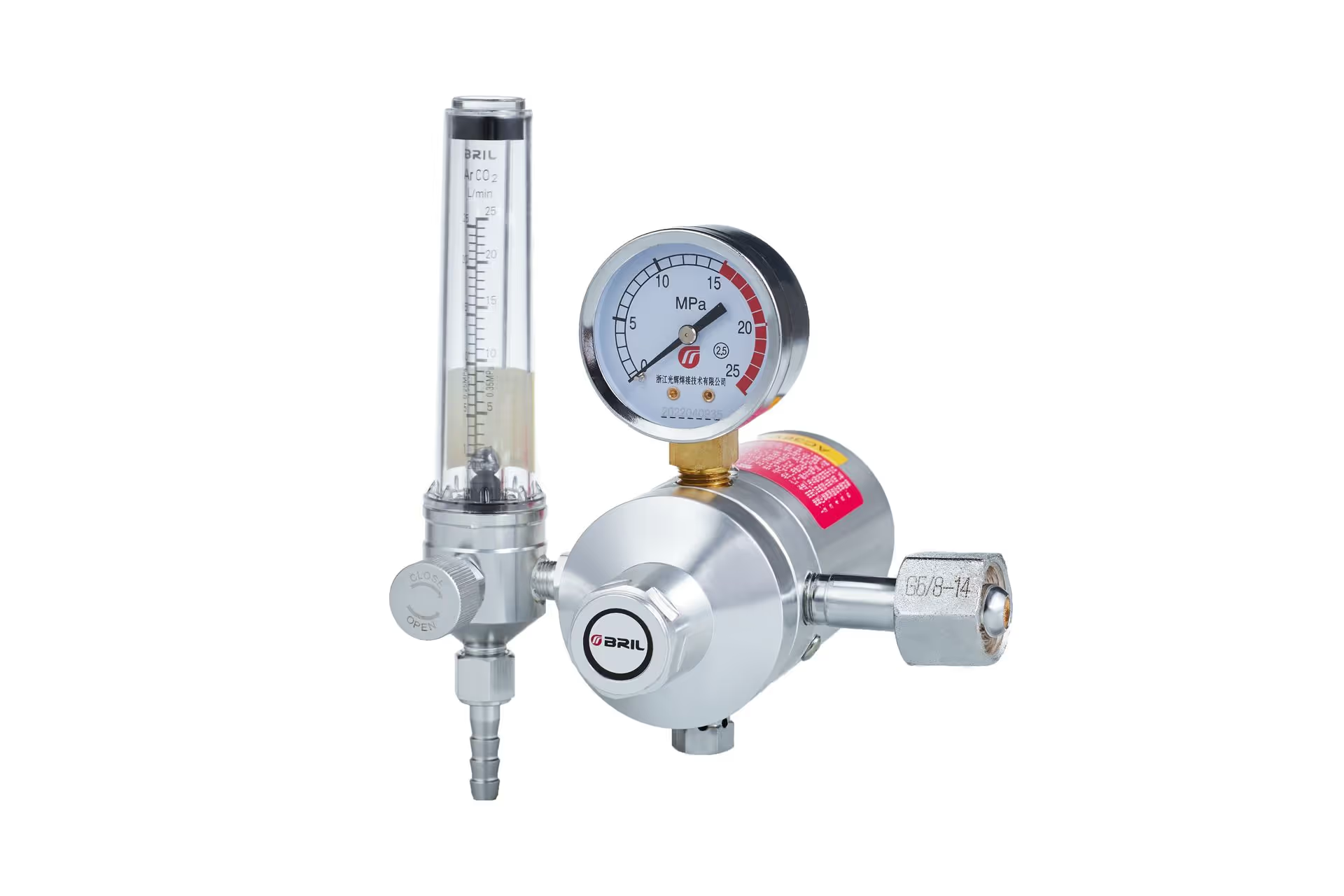
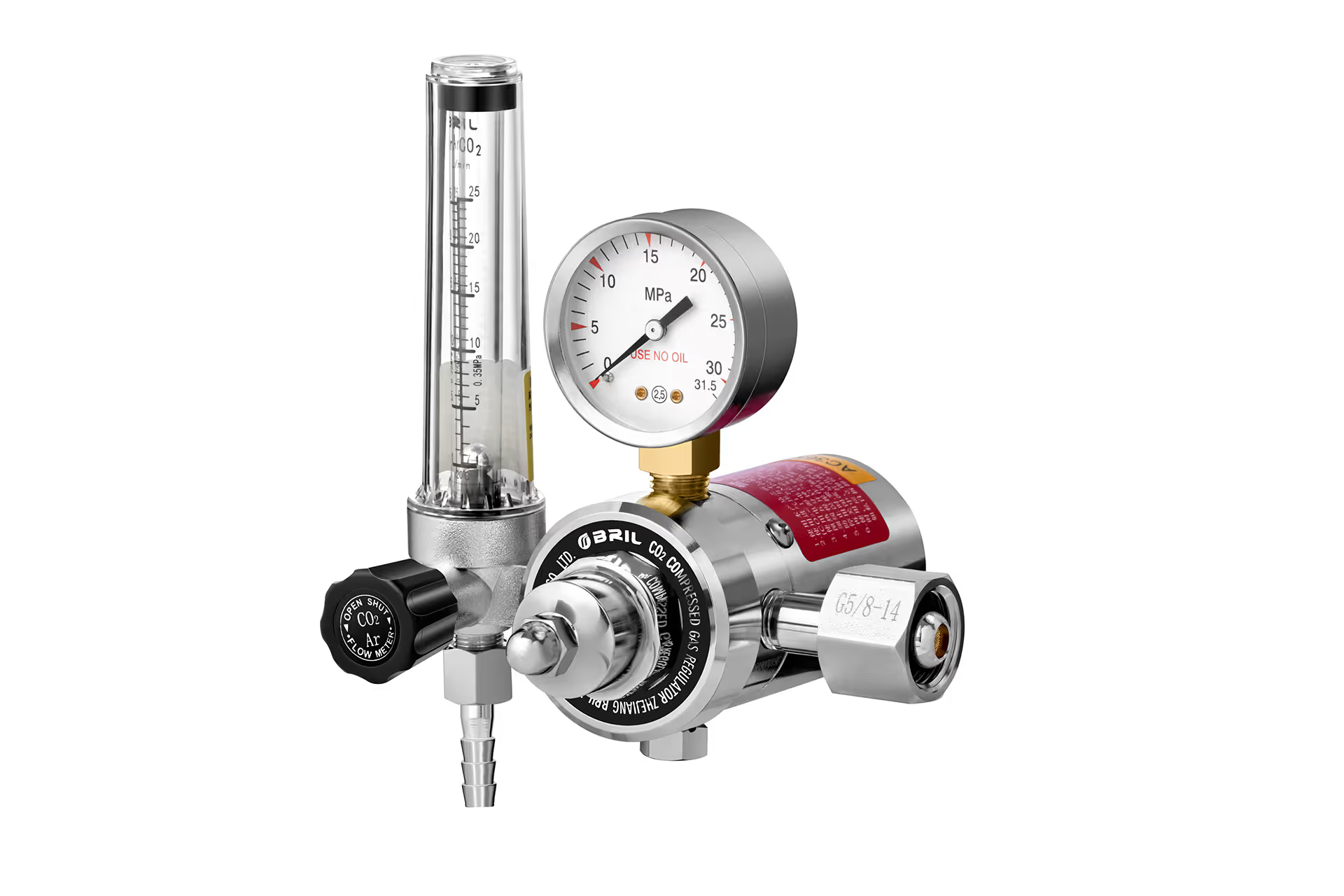
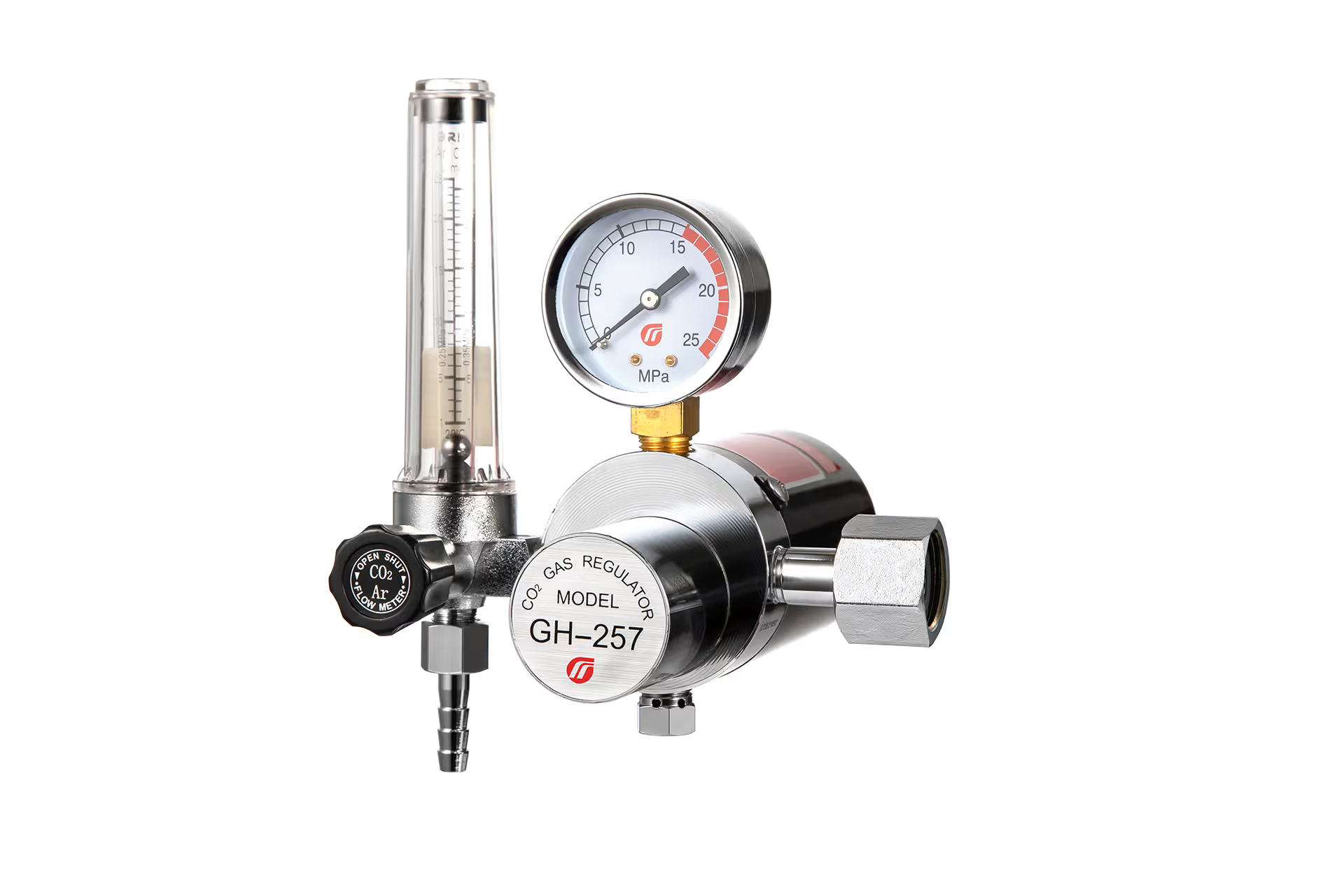
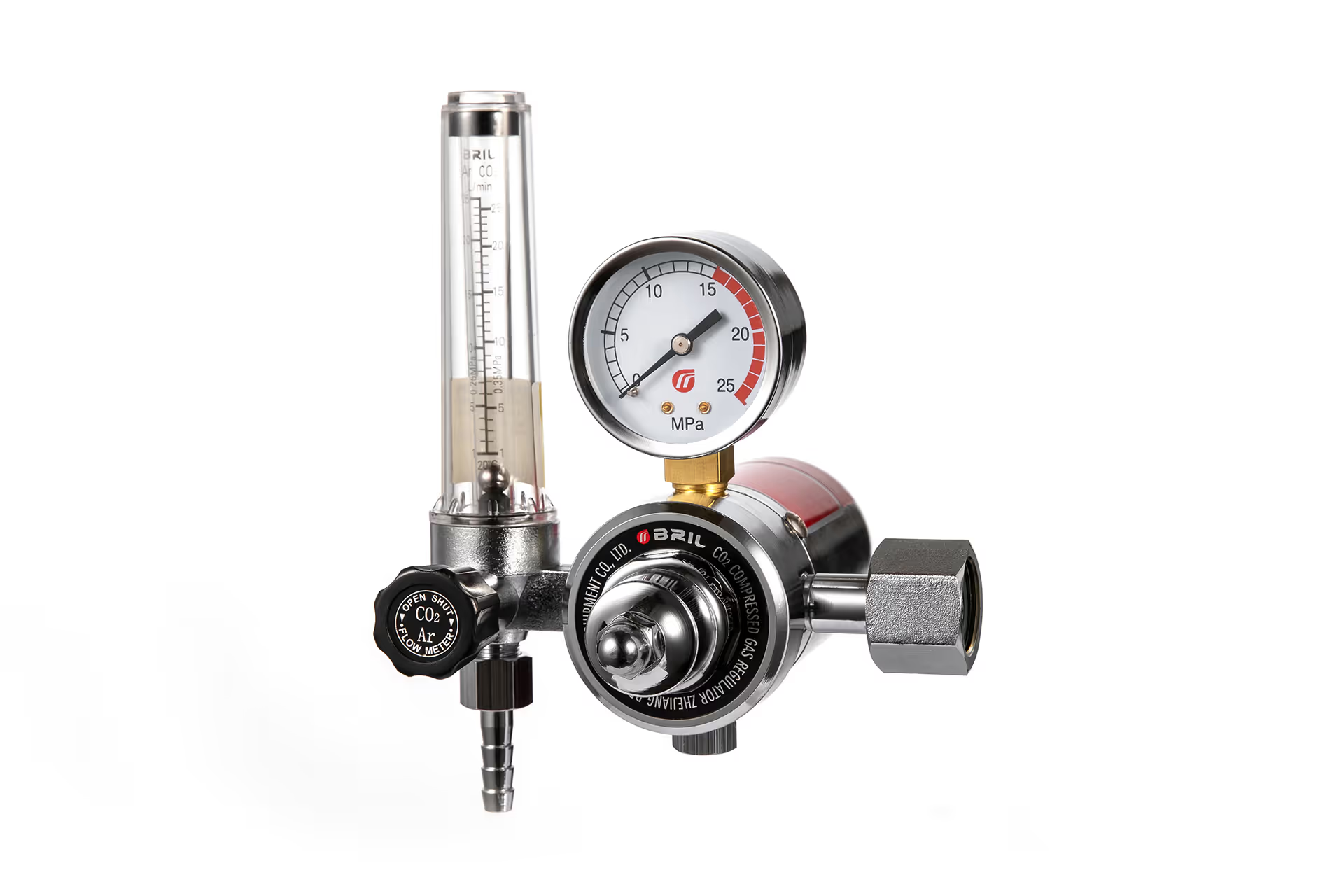
● 1. Zhejiang Bril Welding Equipment Co., Ltd.
>> Company Background and Market Coverage
>> Core Strength and OEM/ODM Fit
>> Company Background and Main Markets
>> OEM/ODM Scope and Procurement Limitations
>> Company Background and Market Position
>> A Useful Documentation Warning
>> OEM/ODM Scope and Procurement Fit
>> Company Background and Main Markets
>> OEM/ODM Scope and Procurement Limitations
>> Company Background and Main Markets
>> OEM/ODM Scope and Procurement Fit
● Technical Buyer’s Guide: What to Specify Before Requesting Prices
>> Brass Quality Requires a Grade, Not a Marketing Description
>> Match Pressure Ratings to the Actual Cylinder
>> Distinguish Pressure Indication From Flow Measurement
>> Do Not Confuse Two Gauges With Two Stages
>> Treat CE and RoHS as Applicability Questions
● An Overlooked Purchasing Trap: An Unchanged Dial With Changed Internal Parts
● Sampling, Factory Verification, and Logistics
>> Use a Three-Stage Qualification Process
>> Audit the Actual Manufacturing Site
>> Define Commercial Responsibilities Before Shipment
● Conclusion: Choose the Supply Model Before Choosing the Supplier
● FAQ
>> 1. How can we check whether a supplier’s ISO 9001 certificate is expired or irrelevant?
>> 2. Can a regulator with a 400-bar gauge be used on a 300-bar cylinder?
>> 3. Does a two-gauge argon regulator provide two-stage performance?
>> 4. Must every mechanical argon regulator carry CE marking and a RoHS certificate?
>> 5. How can we prevent a supplier from changing components after sample approval?
Choosing an argon gas regulator supplier in Spain requires more than comparing prices and delivery promises. Professional buyers need to establish who actually manufactures the regulator, whether its technical documentation matches the supplied model, and how consistently the supplier can support repeat orders.
Spain’s Position in Industrial Gas-Control Sourcing
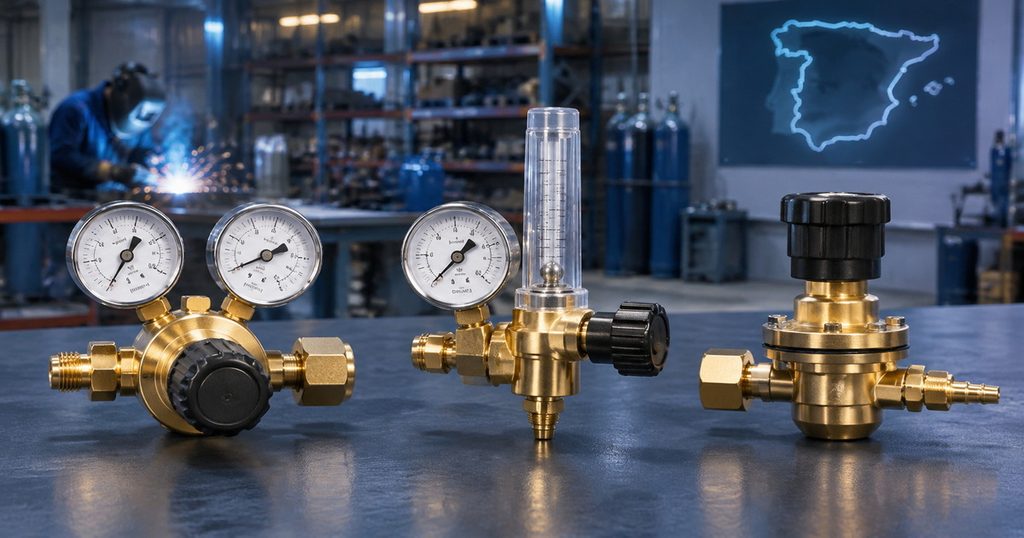
Spain’s attraction is its wider metalworking and welding ecosystem, not a publicly established claim to dominate global argon regulator production.
AFM, the Spanish advanced manufacturing and machine-tool association, reported final 2025 sector revenue of €2,247.6 million and exports of €1,763.8 million. Exports increased by 0.82%, despite a 3.27% decline in revenue. These are machine-tool and advanced-manufacturing figures, not argon regulator market statistics; they provide context for the industrial customer base and export infrastructure surrounding welding-equipment suppliers.
The companies reviewed illustrate several practical sourcing locations:
– Zaragoza: Gala Gar’s welding-equipment and gas-regulation business.
– Catalonia: Solter in Campdevànol, Girona, and Nicrotec near Barcelona.
– Madrid: Spanish commercial access to GCE’s international gas-control portfolio.
These locations should not be described as dedicated argon regulator manufacturing clusters without further evidence. Their value to buyers lies in access to welding products, technical support, and established industrial supply channels.
How to Evaluate a Qualified Supplier
A supplier should pass five checks before commercial negotiations move beyond an initial quotation.
1. Manufacturing and Supply-Chain Transparency
Ask whether the company manufactures the regulator body, performs final assembly, distributes another manufacturer’s product, or combines these activities.
The answer affects factory-audit access, engineering-change control, warranty responsibility, and country-of-origin documentation.
2. Application-Specific Technical Evidence
Request a model-specific data sheet covering:
– Maximum rated inlet pressure.
– Outlet pressure or flow range.
– Gas compatibility.
– Cylinder connection and sealing geometry.
– Flowmeter calibration gas and conditions.
– Operating temperature range.
– Applicable standards and supporting test reports.
ISO 2503 specifically addresses cylinder pressure regulators and regulators with flow-metering devices used in welding, cutting, and allied processes, including relevant applications up to 300 bar. A generic statement that a company “follows international standards” is not equivalent to model-specific evidence.
3. Quality-Control and Traceability Systems
Evaluate incoming material inspection, machining control, assembly cleanliness, leak testing, functional testing, and batch identification.
An ISO 9001 certificate can support confidence in the management system, but buyers should separately assess product performance. A useful qualification package connects the manufacturing site, model number, production batch, and inspection record.
4. Engineering and Customization Capability
For OEM and ODM projects, assess whether the supplier can support controlled changes to connections, gauges, flowmeters, packaging, and product identification.
Changes to pressure-bearing parts or performance-critical components require a different level of review from adding a logo to a carton.
5. Delivery and After-Sales Reliability
Request actual production lead times, stock availability, component dependencies, spare-parts arrangements, and warranty procedures.
A catalogue listing is not proof of immediate availability. Likewise, employee numbers and factory floor area should not be converted into monthly production capacity without supporting records.

Quick Comparison: Five Argon Regulator Sourcing Options
| Company | Location and sourcing role | Relevant strength | Published capacity evidence | MOQ | Certification or compliance position |
|---|---|---|---|---|---|
| Zhejiang Bril Welding Equipment Co., Ltd. | Wenzhou, China; overseas manufacturer | Industrial gas regulators and OEM-oriented supply | Company reports 200+ employees and over 3,500 m² of production area; regulator output not verified | Quotation required | Company states ISO 9001 and CE-related credentials; verify current certificates and model documents |
| Gala Gar | Zaragoza, Spain; welding-equipment manufacturer offering gas regulation | Broad regulator, economizer, and gas-distribution range | Regulator-specific output not publicly verified | Quotation required | Historical catalogue references EN 2503; obtain current model documentation |
| Solter Soldadura | Girona, Spain; welding-equipment brand and supplier | Published argon/CO₂ regulator and flowmeter models | Regulator-specific output and manufacturing origin not publicly verified | Confirm stock and trade terms | Confirm compliance for the exact regulator reference |
| GCE Group / GCE Ibérica | International manufacturer with Spanish commercial operations | Broad industrial gas-control range and documented European-manufactured models | Spain-specific regulator production not established | Depends on channel and configuration | FG300 product information states ISO 2503 conformity; verify model and current certificates |
| Nicrotec | Barcelona area, Spain; specialist welding supplier | Argon regulator, flowmeter, and wider welding-product sourcing | No regulator manufacturing output established | Confirm product and order terms | Obtain original manufacturer documentation for each supplied model |
1. Zhejiang Bril Welding Equipment Co., Ltd.
Company Background and Market Coverage
Founded in 2002, Zhejiang Bril Welding Equipment Co., Ltd. is based in Wenzhou, Zhejiang, China. Its company profile identifies industrial gas pressure regulator development, manufacturing, and sales as its core activities. The company reports serving more than 30 countries and regions, employing over 200 people, and operating more than 3,500 m² of production space. These are supplier-published figures, not independently audited capacity measurements.
Bril is included as an international sourcing alternative for Spanish distributors and overseas brands comparing local procurement with direct factory cooperation.
Core Strength and OEM/ODM Fit
Bril’s relevance is its focus on gas regulators rather than a broad catalogue of unrelated industrial products. Its profile describes product-development capabilities, inspection equipment, and OEM supply relationships with welding-equipment businesses. It also identifies OEM production for Messer beginning in 2022; buyers should treat this as a company-reported reference and verify any relationship material to their purchasing decision.
For smaller and developing brands, Bril is worth evaluating where the project requires coordinated work on product configuration, branding, packaging, and technical documentation.
Its potential value is not simply a lower unit price. A factory relationship can make it easier to discuss a defined product specification rather than choosing only from a distributor’s existing stock. However, flexibility, communication efficiency, and development responsiveness should be demonstrated during sampling—not assumed.
What Buyers Should Verify
Request:
– MOQ by standard model and customized configuration.
– A named technical contact and agreed response times.
– Sample-development stages and drawing-approval procedures.
– Written control over component substitutions.
– Current ISO 9001 certificate details and site scope.
– Applicable model-level declarations and test reports.
– Production lead time after sample approval.
Bril’s website uses wording linking ISO 9001 with UKAS and IAF and also mentions CNAS and CE. Buyers should clarify the actual certification body, accreditation chain, laboratory reports, and legal conformity documents rather than repeating these terms as interchangeable certifications.
Procurement Fit
A relevant candidate for importers, wholesalers, and small-to-medium brands seeking an OEM-oriented manufacturing relationship, subject to sample validation and documented commercial terms.
2. Gala Gar
Company Background and Main Markets
Gala Gar is based in Zaragoza and offers welding, cutting, gas-regulation, and related industrial equipment. Its current official website states that it has manufactured since 1945. Older catalogue material refers to establishment in 1944, so buyers requiring an exact legal incorporation date should request registry documentation. This guide uses the company’s current manufacturing-history statement rather than treating the two dates as identical.
The company has an established international business: its official international page states that it opened offices in Mexico and Argentina in 2004.
Core Strength
Gala Gar offers regulators, economizers, distribution centers, and decompression panels alongside welding and cutting equipment. This makes it relevant to buyers seeking a wider gas-control package rather than an isolated cylinder regulator.
Its historical catalogue includes argon and argon/CO₂ regulators and identifies EN 2503 manufacturing requirements for the EN-2000 range. Historical specifications should be checked against the current product revision before ordering.
OEM/ODM Scope and Procurement Limitations
The reviewed official pages establish a manufacturing and technical-solutions business, but not a clearly defined private-label regulator programme with published MOQ or development terms.
Buyers should ask whether Gala Gar offers:
– Distributor-specific configurations.
– Alternative inlet connections.
– Customized identification or packaging.
– Project-specific gas-distribution assemblies.
– Formal OEM or ODM supply agreements.
These are qualification questions, not confirmed service commitments.
Procurement Fit
A relevant starting point for buyers prioritizing a Spanish welding-equipment manufacturer, established gas-regulation products, and access to a broader technical product range.
3. Solter Soldadura
Company Background and Market Position
Solter Soldadura is located in Campdevànol, Girona. Its official catalogue includes welding equipment, shielding-gas accessories, argon/CO₂ regulators, and disposable-cylinder regulators. A reliable founding year was not established in the reviewed official material and should be confirmed directly rather than supplied as an estimate.
Its published product range is relevant to professional welding workshops and equipment distributors. A geographic sales breakdown was not established from the reviewed sources.
Core Strength
Solter provides identifiable argon regulator references with practical operating information.
The official R25 floatmeter regulator page, reference 56245, specifies:
– Maximum inlet pressure: 230 bar.
– Maximum outlet pressure: 3 bar.
– Maximum flow: 25 l/min.
– A vertical floatmeter and inlet-pressure gauge.
This is useful for initial product matching, although the final purchase specification should identify the connection, supplied configuration, and current documentation.
A Useful Documentation Warning
The reviewed official materials for the R25 AR/CO₂ reference 56246 contain a consequential inconsistency: the product page states a maximum inlet pressure of 200 bar, while a print version mentions 300 bar. Buyers should obtain a signed, current data sheet and compare it with the actual product marking before approving the model. Do not select the higher figure simply because it appears in one version of the documentation.
OEM/ODM Scope and Procurement Fit
The reviewed pages do not establish an available private-label programme or prove that the listed regulators are manufactured in Solter’s own Spanish facility.
Solter is therefore most clearly supported as a branded product-sourcing option. Buyers seeking OEM supply should separately confirm manufacturing origin, customization scope, MOQ, and responsibility for conformity documentation.
4. GCE Group / GCE Ibérica
Company Background and Main Markets
GCE was formed in 1987, and ESAB acquired the group in 2018. Its parent-company profile describes a global industrial, specialty-gas, and medical gas-control business. GCE also lists a Spanish operation in Madrid. These facts establish Spanish commercial access, not Spanish manufacture of every regulator sold through that operation.
Core Strength
GCE offers a broad argon gas-control portfolio. Its published argon range includes single-stage regulators, two-stage options, and gas economizers for shielding-gas applications.
For a more specific example, the FG300 product page describes the regulator as designed and manufactured in Europe, meeting ISO 2503, with pressure gauges to ISO 5171. Buyers should confirm the exact gas version, cylinder connection, and supplied model. “Manufactured in Europe” should not be rewritten as “manufactured in Spain.”
OEM/ODM Scope and Procurement Limitations
GCE’s breadth makes it relevant to industrial buyers comparing established regulator platforms and gas-saving options. However, a broad portfolio does not establish that small-batch private labeling is available.
Ask the Spanish commercial team about:
– Approved configurations for the destination market.
– Local stock and distributor availability.
– Service and spare-parts arrangements.
– Project engineering support.
– OEM integration terms, if applicable.
GCE publishes management-system certification information, but buyers should check current validity, covered sites, and relevance to the supplying entity.
Procurement Fit
A relevant option for industrial users and distributors prioritizing an established international gas-control platform with Spanish commercial support.
5. Nicrotec
Company Background and Main Markets
Nicrotec states that its business began in 1981. It is located in Palau-solità i Plegamans, near Barcelona, and describes itself as a supplier of welding consumables serving an international market. Its public material does not provide a country-by-country sales breakdown.
Nicrotec should be assessed as a specialist supplier, not automatically categorized as an argon regulator manufacturer.
Core Strength
Its published gas-accessory catalogue includes argon/CO₂ pressure regulators, flowmeter regulators, and other pressure-control products.
One listed argon/CO₂ flowmeter regulator is offered in 0–16 l/min and 0–32 l/min versions, with stated flowmeter measurement accuracy of ±10%. That specification applies to the described product, not necessarily the whole catalogue.
This level of product detail helps buyers distinguish between apparently similar regulators with different operating ranges and measurement characteristics.
OEM/ODM Scope and Procurement Fit
A regulator private-label or ODM programme was not established from the reviewed sources. Buyers should request the original manufacturer’s identity, production origin, current data sheet, and applicable compliance documents for the selected item.
Nicrotec is relevant when procurement efficiency depends on consolidating regulators, gas accessories, and welding consumables through a specialist Spanish supplier.
Technical Buyer’s Guide: What to Specify Before Requesting Prices
Brass Quality Requires a Grade, Not a Marketing Description
“High-quality brass” is not a complete material specification.
Ask the manufacturer to identify the alloy used in the body and pressure-bearing connections, explain its material-control process, and provide evidence appropriate to the purchase risk. For substantial programmes, consider independent material identification and destructive examination of representative samples.
Also define whether material changes require written approval. An acceptable initial sample does not protect later orders if the bill of materials can change without notice.
Match Pressure Ratings to the Actual Cylinder
The maximum gauge reading does not establish the regulator’s maximum allowable inlet pressure.
Specify the cylinder’s charging pressure and require compatible ratings across the complete assembly. The discrepancy in Solter’s published R25 documentation illustrates why a current, approved data sheet matters more than a copied catalogue description.
Likewise, identify the complete inlet connection and seal arrangement. Avoid approving a regulator solely because the thread appears to fit.
Distinguish Pressure Indication From Flow Measurement
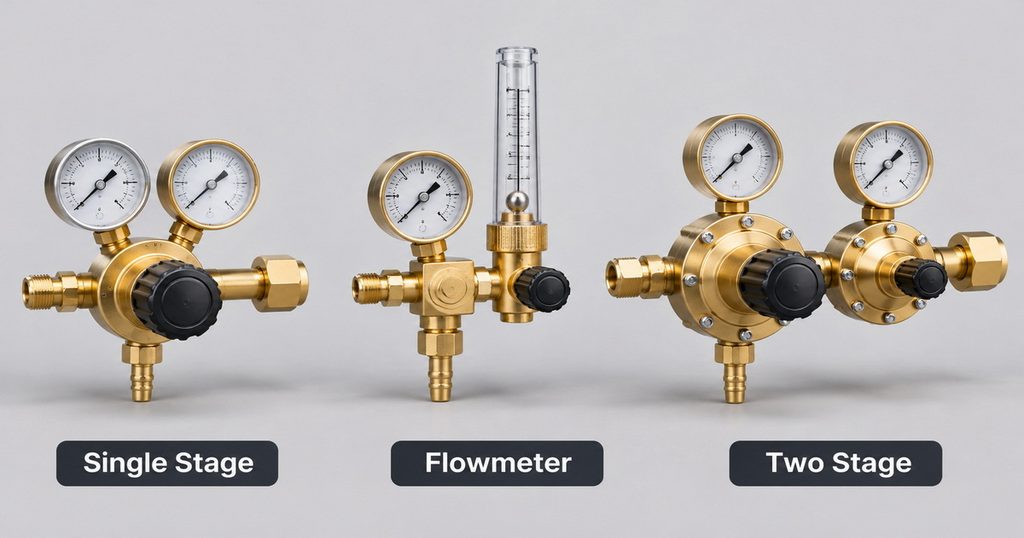
A regulator with a low-pressure dial marked in litres per minute is not necessarily the same measurement arrangement as a vertical floatmeter.
ISO 2503 covers regulators with flow-metering devices and includes examples of flow-control systems. Buyers should identify the actual measurement principle, calibration gas, operating conditions, and restrictions associated with the selected design.
For procurement acceptance, evaluate the regulator with the intended hose and downstream equipment, not only as an isolated bench item.
Do Not Confuse Two Gauges With Two Stages
Two gauges typically provide two readings; they do not establish that the regulator contains two pressure-reduction stages.
If the application requires two-stage regulation, specify that construction explicitly and request the relevant model documentation. GCE’s portfolio, for example, identifies single-stage and two-stage products separately.
Treat CE and RoHS as Applicability Questions
CE marking is not a generic quality award.
The European Commission states that the Pressure Equipment Directive covers the design, manufacture, and conformity assessment of stationary pressure equipment above 0.5 bar, subject to the directive’s detailed scope and classification requirements. Equipment under sound engineering practice provisions does not receive CE marking under the PED itself. Obtain the manufacturer’s classification rationale rather than assuming every regulator follows the same route.
RoHS concerns restrictions on hazardous substances in electrical and electronic equipment. Do not demand a blanket RoHS certificate for every purely mechanical regulator without first establishing applicability. Electrically heated or electronically equipped assemblies require a separate assessment of the legislation relevant to their design.
An Overlooked Purchasing Trap: An Unchanged Dial With Changed Internal Parts
A particularly important risk is approving the regulator’s appearance while leaving performance-critical components uncontrolled.
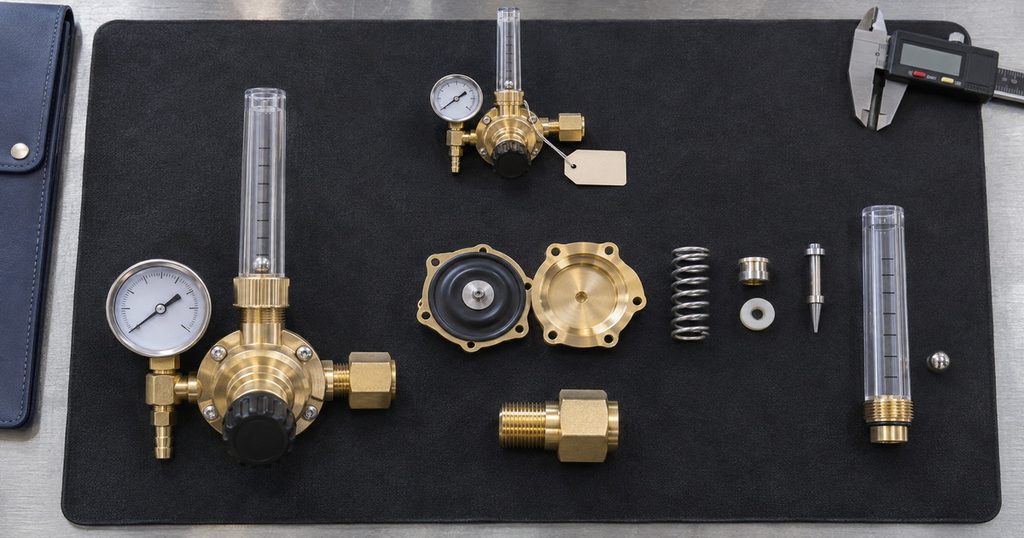
The ISO 2503 material distinguishes flow-control arrangements and their measuring devices. That distinction has a practical procurement consequence: a replacement gauge, metering restriction, or flowmeter assembly should not automatically be treated as an interchangeable cosmetic part.
A useful contractual safeguard is to require written approval before changing:
– The metering restriction.
– Gauge or floatmeter supplier.
– Flow tube and float combination.
– Valve seat or diaphragm material.
– Regulating spring.
– Pressure-bearing connections.
Retain an approved reference sample and compare production samples under the same test conditions. For frequently cycled welding applications, include start-stop behavior in the test programme rather than evaluating steady flow alone.
The objective is straightforward: the product that passes qualification should remain the product delivered in subsequent batches.
Sampling, Factory Verification, and Logistics
Use a Three-Stage Qualification Process
1. Document review: approve drawings, ratings, materials, applicable standards, labels, and inspection requirements.
2. Sample testing: check connection compatibility, leakage, pressure and flow behavior, assembly quality, and packaging.
3. Pilot order: confirm that routine production matches the approved samples before increasing order volume.
Testing involving high-pressure gas should be performed by competent personnel using suitable equipment and documented safety procedures.
Audit the Actual Manufacturing Site
For factory-direct sourcing, trace a selected model through material receipt, machining, cleaning, assembly, testing, and dispatch.
For distributor sourcing, verify the upstream manufacturer and determine whether meaningful changes can occur without notification.
Define Commercial Responsibilities Before Shipment
Include the following in the purchase agreement:
– Agreed Incoterm and named place.
– Importer-of-record responsibility.
– Required origin and shipping documents.
– Packaging protection for gauges and flow tubes.
– Batch identification.
– Inspection and claim procedures.
– Warranty handling and replacement terms.
Compare total landed cost, not just the ex-factory price. Include customization costs, inspection, freight, import charges, stockholding, and potential returns.
Conclusion: Choose the Supply Model Before Choosing the Supplier
The right argon gas regulator supplier depends on what the purchasing programme needs.
Gala Gar offers a Spanish manufacturing business with an established gas-regulation range. Solter provides identifiable branded argon regulator options. GCE combines a broad international gas-control portfolio with Spanish commercial access. Nicrotec offers a specialist distribution route. Zhejiang Bril provides an overseas manufacturing alternative for buyers evaluating OEM-oriented supply.
For a private-label project, send Zhejiang Bril a structured request covering the destination market, cylinder connection, inlet pressure, required flow range, annual forecast, initial order quantity, and customization requirements. Request a documented sample proposal, current qualification evidence, and an approved inspection plan before committing to production.
FAQ
1. How can we check whether a supplier’s ISO 9001 certificate is expired or irrelevant?
Request the complete certificate and any site appendix. Compare its legal entity, address, scope, issue and expiry dates with the actual manufacturing arrangement. Confirm status directly with the named certification body, particularly if the document is unclear or appears outdated.
Check relevance as well as validity: a certificate covering sales and distribution is not evidence that a separate manufacturing site is included. Published group certificates can also have site-specific scopes and expired versions may remain accessible online.
2. Can a regulator with a 400-bar gauge be used on a 300-bar cylinder?
Not on that basis alone. The dial range is not proof of the assembly’s rated inlet pressure. Require the regulator’s stated rating, compatible inlet connection, current instructions, and model-specific documentation. ISO 2503 addresses relevant cylinder regulator applications up to 300 bar, but citing the standard does not establish that every model is rated for that pressure.
3. Does a two-gauge argon regulator provide two-stage performance?
No. Gauge count and pressure-reduction stages are different characteristics. Request explicit confirmation of the internal regulating arrangement and evaluate performance against the application’s requirements. Manufacturers such as GCE list single-stage and two-stage models as separate product categories.
4. Must every mechanical argon regulator carry CE marking and a RoHS certificate?
No blanket answer is appropriate. The manufacturer must establish which legislation applies to the exact product. PED classification can lead to different conformity routes, including sound engineering practice without PED CE marking. RoHS applicability concerns electrical and electronic equipment, so a mechanical regulator and an electrically equipped regulator should not be assessed identically.
5. How can we prevent a supplier from changing components after sample approval?
Attach a controlled specification, approved drawings, performance requirements, and change-notification procedure to the purchasing agreement. Identify performance-critical components and require approval before substitution.
Use retained samples and repeatable incoming checks to verify consistency. This is particularly important for flow-indicating assemblies because different measuring arrangements and components must be evaluated as a functioning system, not merely by external appearance.
Reference
1. Zhejiang Bril Welding Equipment Co., Ltd., “About Us.” Company history, reported facilities, market coverage, quality claims, and OEM references. [chinesewelding]
2. AFM, “The Machine Tool Sector Closes Out 2025 With Mixed Performance Across Subsectors and Faces a 2026 Marked by a Turbulent Geopolitical Situation,” May 6, 2026. Final industry revenue and export figures; not regulator-specific statistics. [afm]
3. Gala Gar, official company website and international business information. Current manufacturing-history statement, product range, and overseas offices. [galagar]
4. Gala Gar, historical product catalogue. Argon regulator listings and EN 2503 references; current specifications require confirmation. [rodaunion]
5. Solter Soldadura, R25 AR/CO₂ and R25 floatmeter regulator product documentation. Model specifications and the inlet-pressure inconsistency identified in this guide. [solter]
6. ESAB Corporation and GCE, corporate profile, company history, and Spanish contact information. [gcegroup]
7. GCE, argon product portfolio, FG300 cylinder regulator information, and quality-certification information. [gce-industrial]
8. Nicrotec, company history and pressure-regulator catalogue. Supplier background and listed argon flowmeter regulator specifications. [nicrotec]
9. ISO, “ISO 2503:2009—Gas Welding Equipment: Pressure Regulators and Pressure Regulators With Flow-Metering Devices.” Scope and relevant technical requirements. [iso]
10. European Commission, “Pressure Equipment Directive,” and Directive 2014/68/EU. Official regulatory scope and conformity framework. [single-market-economy.ec.europa]
Hot Tags: Argon Gas Regulator, Argon Gas Regulator Manufacturers, Argon Gas Regulator Suppliers, Argon Gas Regulator Suppliers In Spain, Wholesale Argon Regulators, OEM Argon Gas Regulator, Industrial Gas Pressure Regulator, Argon Flowmeter Regulator, Dual Stage Argon Regulator, TIG Welding Gas Regulator