Content Menu
● What Is EN ISO 2503, and Which Welding Gas Regulators Does It Cover?
>> Understand the Pressure and Application Boundaries
● What EN ISO 2503 Means for OEM Product Evaluation
>> Distinguish Type Testing from Production Inspection
● Gas-Specific Requirements Buyers Should Not Overlook
>> Oxygen Regulators: Cleanliness Is Part of Product Safety
>> Acetylene Regulators: Check the Specific Pressure Limitation
>> Argon and Nitrogen Regulators: Define the Actual Process
>> Propane Regulators: Avoid Universal Safety Assumptions
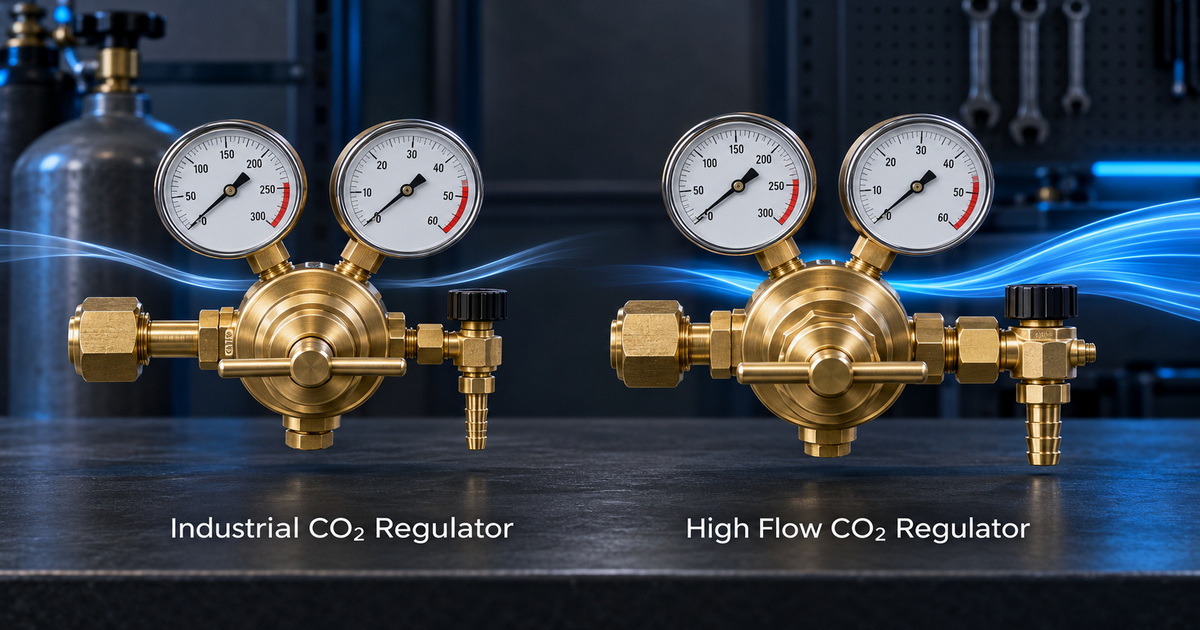
● CO₂ Heated Regulators: Evaluate Thermal and Electrical Performance Separately
>> Specify the Complete Operating Envelope
>> Do Not Treat Gas-Regulator Testing as Electrical Approval
● Single-Stage vs Dual-Stage Gas Regulators: Buy Measured Performance
● Brass Quality: Move Beyond “Heavy-Duty” Descriptions
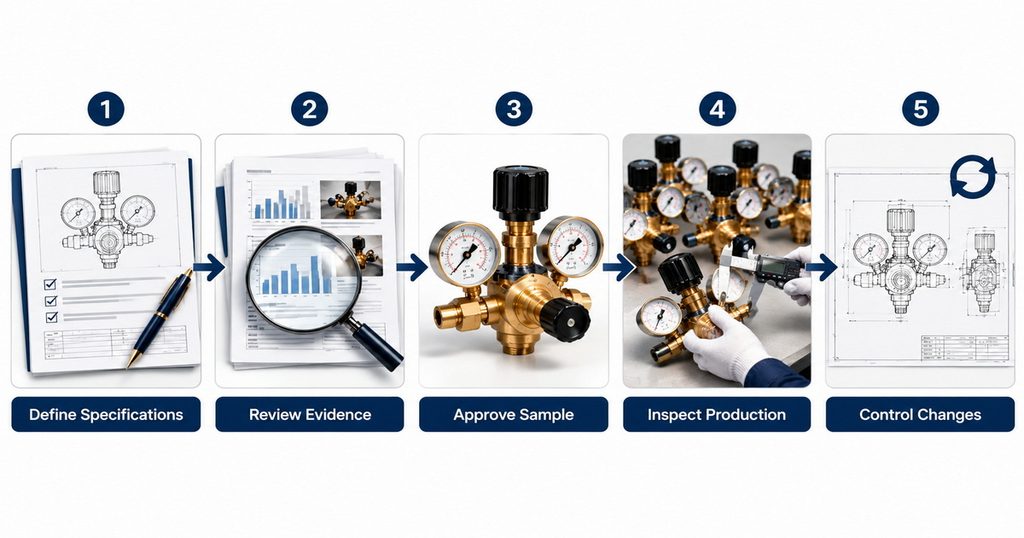
● A Five-Step OEM Qualification Process
>> 1. Create a Model-Specific Technical Brief
>> 2. Review the Evidence Before Approving Branding
>> 3. Approve a Controlled Reference Sample
>> 4. Agree on Production Acceptance Criteria
>> 5. Establish Written Change Control
● An Illustrative OEM Scenario: Why Model Matching Matters
● EN ISO 2503 Compliance Is Not the Same as CE Marking
● Turn Your Specification into an OEM or ODM Project
>> 1.Does EN ISO 2503 cover both single-stage and dual-stage regulators?
>> 2.Does a 300-bar standard scope mean every regulator is rated to 300 bar?
>> 3.Can one regulator be used for oxygen, argon, and CO₂?
>> 4.Does an EN ISO 2503 report cover the electrical heater?
>> 5.What documents should OEM buyers request first?
>> 6.Are cylinder-bundle regulators covered by EN ISO 2503?
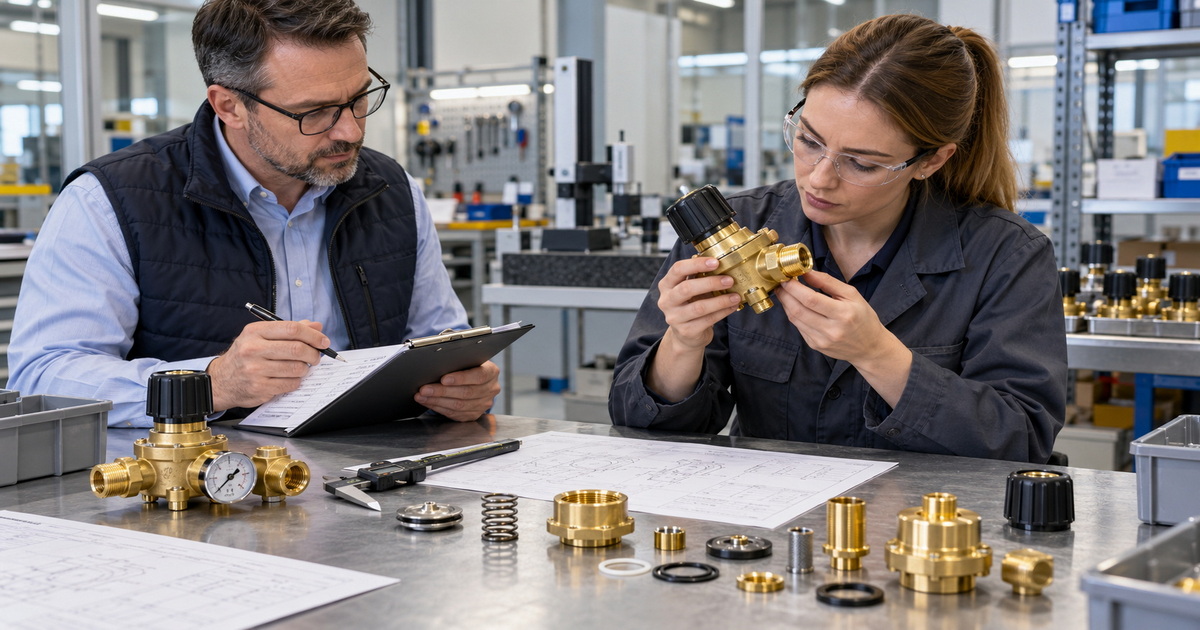
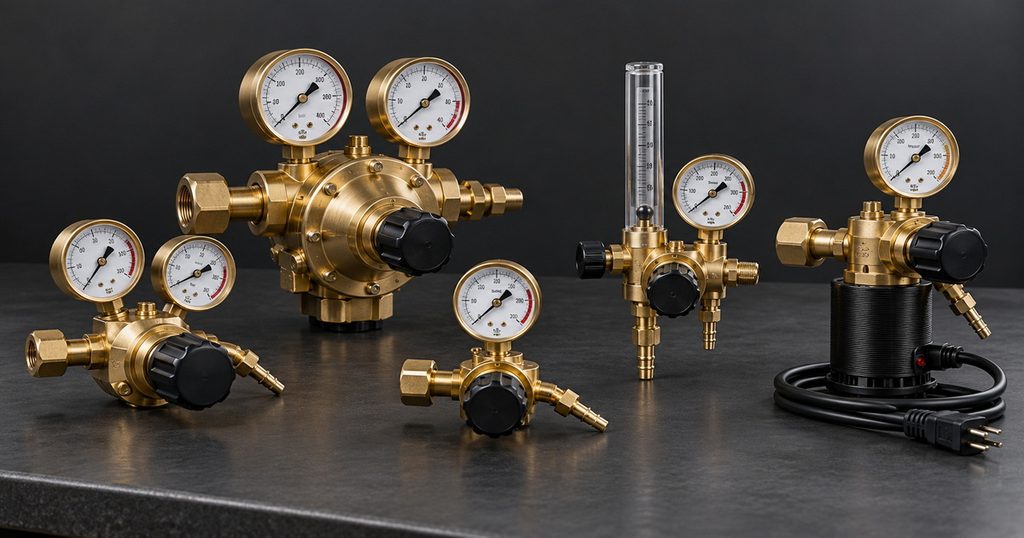
As a gas regulator manufacturer and supplier, we approach customization as an engineering task—not simply a branding exercise. Whether sourcing CO₂ regulators, heated CO₂ regulators, argon regulators, or oxygen and fuel-gas models, buyers should begin with the operating specification and build the commercial agreement around it.
What Is EN ISO 2503, and Which Welding Gas Regulators Does It Cover?
EN ISO 2503 addresses pressure regulators and regulators with flow-metering devices connected to gas cylinders for welding, cutting, and allied processes.
Its scope includes single-stage and two-stage designs. Depending on the regulator category, the covered gases include compressed gases, dissolved acetylene, LPG, methylacetylene-propadiene mixtures, and CO₂.
The published designation BS EN ISO 2503:2009+A1:2015 incorporates the 2015 amendment. Buyers should identify the applicable national adoption and verify its status when placing an order, rather than specifying only “ISO standard.”
Understand the Pressure and Application Boundaries
Three boundaries deserve particular attention:
– The standard addresses compressed-gas cylinder applications up to 300 bar, or 30 MPa.
– It excludes regulators with nominal outlet pressure above 20 bar.
– It excludes regulators intended for direct use on cylinder bundles.
The 300-bar figure is a scope limit—not a universal rating for every regulator covered by the standard.
A CO₂ regulator, oxygen regulator, and propane regulator may have different specified inlet pressures. Always check the model’s declared rating against the intended cylinder and gas service.
For manifold systems and cylinder-bundle applications, ISO 7291 is the relevant standard to examine. A cylinder-mounted regulator should not automatically be treated as suitable for these installations.
What EN ISO 2503 Means for OEM Product Evaluation
| Evaluation area | What OEM buyers should examine |
|---|---|
| Application suitability | Gas, cylinder arrangement, inlet pressure, outlet pressure, and required flow |
| Material compatibility | Body material, seals, seats, diaphragm, and other gas-contact components |
| Pressure performance | Delivery pressure under flow, closing behavior, and response to changing inlet pressure |
| Gas tightness | External leakage and internal seat leakage |
| Protective design | Applicable pressure-relief provisions and mechanical-resistance evidence |
| Product identification | Gas designation, ratings, manufacturer identification, and required markings |
| User information | Installation, operation, maintenance, and safety instructions |
Distinguish Type Testing from Production Inspection
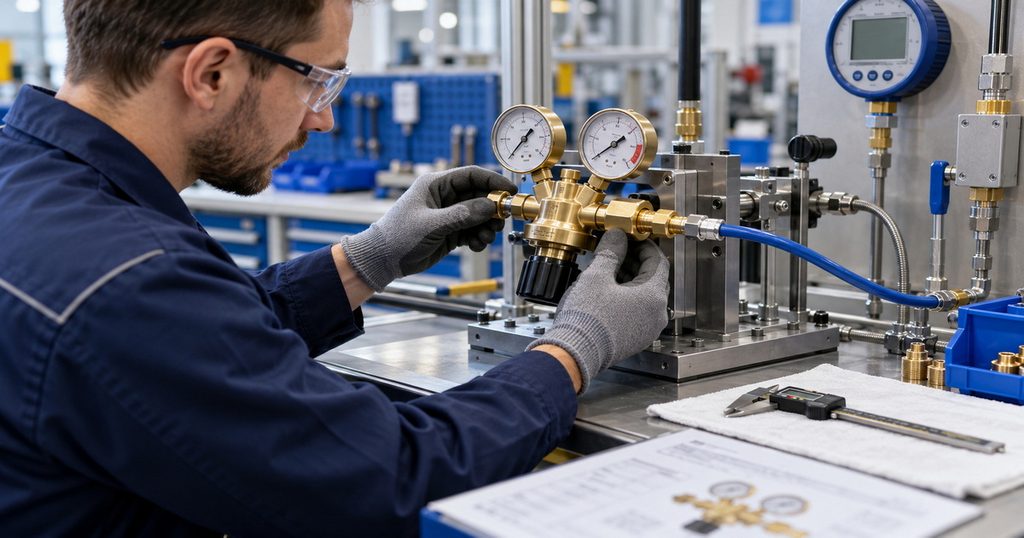
A type-test report evaluates representative samples of a particular design. Production inspection checks whether manufactured units meet the agreed acceptance criteria.
Both matter, but they answer different questions.
A buyer should ask:
1. Which exact model and configuration were tested?
2. Which standard edition and amendment were used?
3. Which tests were performed, and what were the results?
4. What inspections are completed during routine production?
5. How are production lots linked to inspection records?
A generic report bearing a supplier’s name does not establish that every regulator in its catalog has equivalent evidence.
Gas-Specific Requirements Buyers Should Not Overlook
Oxygen Regulators: Cleanliness Is Part of Product Safety
Oxygen service requires more than a suitable pressure range.
EN ISO 2503 addresses internal ignition risk and requires components and accessories to be thoroughly cleaned and degreased before assembly. It also includes an ignition test for oxygen regulators.
Buyers should therefore examine the cleaning procedure, assembly controls, contamination prevention, and protective packaging.
Oil or grease must not be applied to oxygen fittings. A regulator that looks clean externally is not evidence that its internal oxygen-contact surfaces were properly prepared.
Acetylene Regulators: Check the Specific Pressure Limitation
The standard requires acetylene regulators to be designed so that stabilized outlet pressure does not exceed 1.5 bar across inlet pressures.
This is not the same as the standard’s general 20-bar nominal outlet-pressure scope boundary.
For acetylene models, request gas-specific performance evidence and compatible materials. Do not accept a product selected merely because its body resembles an oxygen or argon regulator.
Argon and Nitrogen Regulators: Define the Actual Process
An argon regulator for welding shielding gas and a nitrogen regulator for another industrial process may require different flow ranges, outlet pressures, or instrumentation.
Nitrogen service alone does not establish that an application falls within EN ISO 2503.
The intended process must remain part of the specification. High-pressure testing, specialized purging, and other industrial duties require their own application assessment.
Propane Regulators: Avoid Universal Safety Assumptions
The standard’s pressure-relief-device requirement contains exceptions for acetylene and LPG regulators.
Consequently, a checklist stating that “every compliant regulator must have the same relief valve” would be misleading.
Ask the supplier to explain the protective design for the exact gas and model. Gas-specific construction matters more than visual consistency across a product family.
CO₂ Heated Regulators: Evaluate Thermal and Electrical Performance Separately
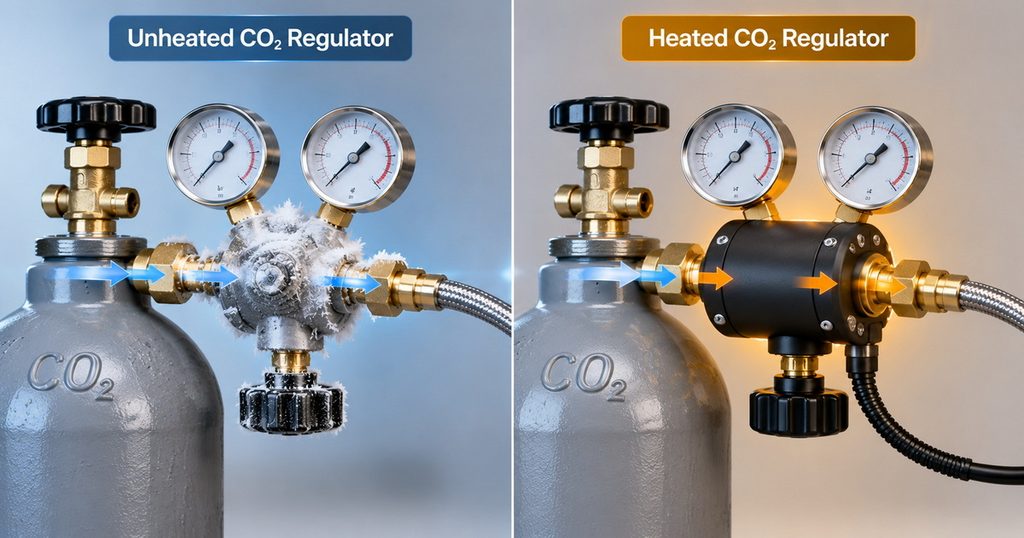
CO₂ pressure reduction can cause substantial cooling. Under certain operating conditions, dry ice can restrict the regulator’s internal flow path.
A heated CO₂ regulator can help control freeze-up, but heater wattage alone does not demonstrate suitability.
The standard itself notes that heating may be necessary to achieve standard discharge with CO₂ and LPG under some ambient conditions.
Specify the Complete Operating Envelope
For a meaningful quotation, provide:
– Required continuous and peak gas flow.
– Outlet-pressure range.
– Minimum ambient temperature.
– Expected operating duration.
– Cylinder withdrawal arrangement.
– Available supply voltage and frequency.
– Plug requirements and intended installation environment.
Ask for performance evidence under representative conditions. A brief room-temperature demonstration does not establish reliable continuous-duty performance in a cold workshop.
Do Not Treat Gas-Regulator Testing as Electrical Approval
An electrically heated regulator combines pressure-control equipment with electrical components.
Its conformity assessment must consider all applicable destination-market requirements. Depending on the product’s design and ratings, electrical safety and other legislation may need separate evaluation.
The practical rule is straightforward: evidence addressing EN ISO 2503 does not, by itself, demonstrate that the heater, wiring, plug, or complete electrical assembly meets every applicable requirement.
Single-Stage vs Dual-Stage Gas Regulators: Buy Measured Performance
EN ISO 2503 covers both single-stage and two-stage regulators. The number of stages does not replace performance evidence.
From a purchasing perspective, I would specify the acceptable outlet-pressure behavior before choosing the construction.
Ask suppliers to show:
– Outlet pressure at several inlet pressures.
– Delivery pressure across the required flow range.
– Pressure behavior when flow stops.
– Results at the intended operating settings.
A dual-stage gas regulator may be considered where tighter delivery-pressure control is important, but its suitability should be demonstrated for the actual duty.
Also distinguish two stages from two gauges. Gauges display measurements; they do not establish how many pressure-reduction stages exist inside the regulator.
Brass Quality: Move Beyond “Heavy-Duty” Descriptions
High-quality brass is a useful manufacturing priority, but “brass body” is not a complete technical specification.
EN ISO 2503 refers to ISO 9539 for material requirements. Buyers should therefore evaluate gas compatibility across the complete assembly, including nonmetallic parts.
For OEM projects, request:
– An identified body-material specification.
– Material documentation appropriate to the purchasing agreement.
– Defined machining and sealing-surface requirements.
– Gas-compatible seats, seals, and diaphragms.
– Controlled cleaning and assembly procedures.
A heavier body, polished finish, or larger adjustment knob does not establish pressure stability, oxygen cleanliness, or resistance to leakage.
Precision manufacturing becomes commercially meaningful when it produces repeatable, documented results.
A Five-Step OEM Qualification Process
1. Create a Model-Specific Technical Brief
Define the gas, application, inlet rating, outlet range, flow requirement, temperature conditions, connections, gauges, and destination market.
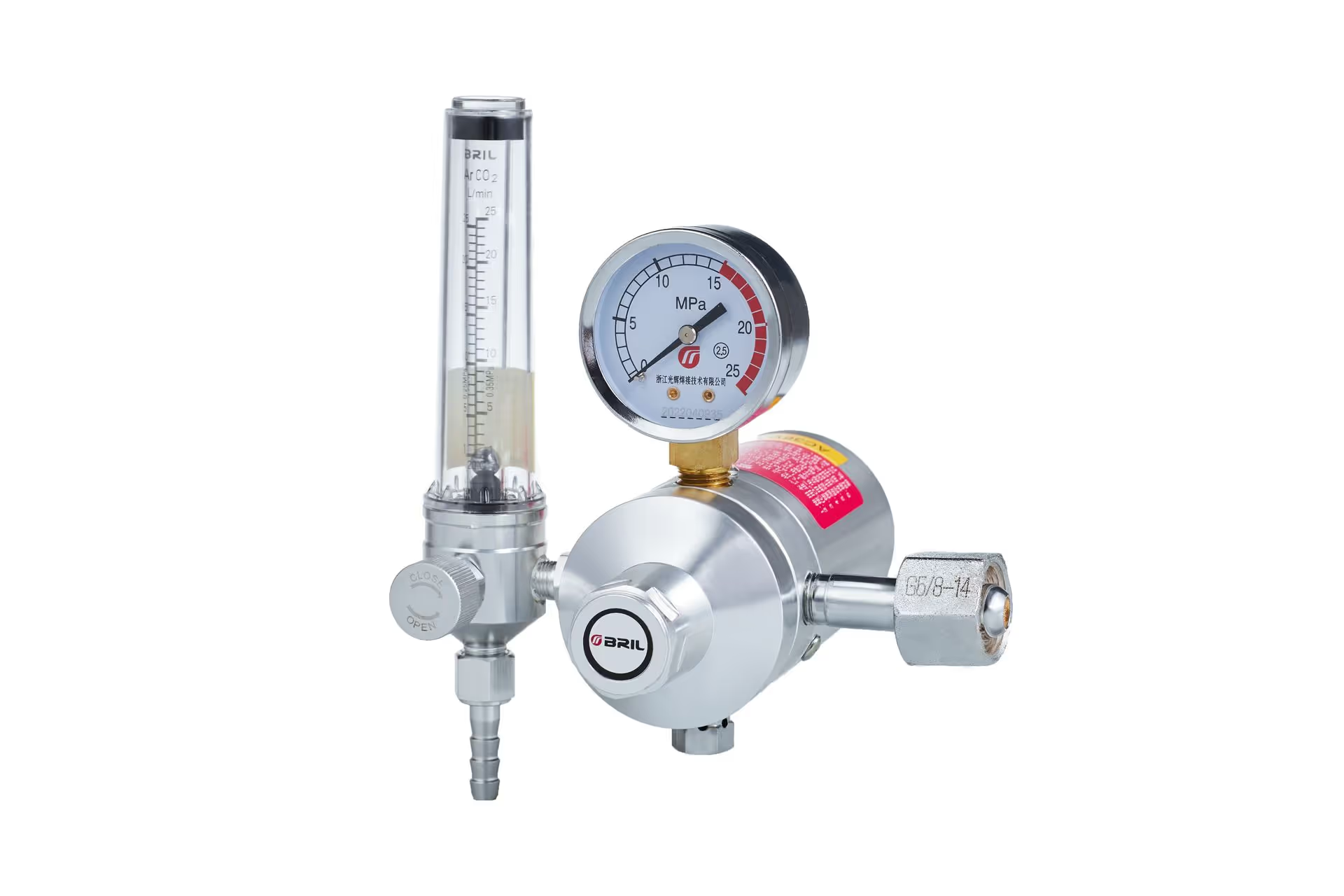
For flow-metering products, identify the gas or mixture and the intended measurement arrangement.
A pressure-based flow gauge is not the same as a device that directly measures flow. The distinction affects how its indication should be interpreted.
2. Review the Evidence Before Approving Branding
Match reports to drawings, component specifications, and product photographs.
If several models share a report, ask the supplier or laboratory to explain the technical basis for coverage. Do not assume that one tested configuration automatically represents every connection, seal, or flow-meter variant.
3. Approve a Controlled Reference Sample
Record the approved sample’s configuration, including:
– Inlet and outlet connections.
– Pressure and flow ranges.
– Gauge scales.
– Gas-service markings.
– Labels and packaging.
– Heater specifications, where applicable.
A reference sample is useful only when its configuration is documented.
4. Agree on Production Acceptance Criteria
Separate regulatory or standard-based requirements from additional commercial expectations.
Define inspection methods, sampling arrangements, instrument calibration, record retention, and the handling of failed units.
Request traceable results rather than an unsupported statement that products are “strictly inspected.”
5. Establish Written Change Control
Require notification before changes to pressure-containing parts, seals, seats, diaphragms, connections, gauges, or heaters.
The agreement should identify who decides whether a change requires further testing or documentation updates.
This prevents an approved design from gradually becoming a different product during repeat orders.
An Illustrative OEM Scenario: Why Model Matching Matters
Consider a distributor launching a private-label argon regulator. The supplier provides a report for a related model, but the ordered version uses a different flow-meter assembly and outlet connection.
This is an illustrative scenario, not a reported customer case.
The appropriate response is neither automatic rejection nor automatic acceptance. The buyer should request a documented assessment of whether the changes affect performance, mechanical integrity, marking, or the report’s coverage.
The lesson is practical: compliance evidence must follow the supplied configuration, not merely the product-family name.
EN ISO 2503 Compliance Is Not the Same as CE Marking
EN ISO 2503 is a technical standard. CE marking is governed by applicable European product legislation.
Not every product requires CE marking. Where it is required, the manufacturer must identify the relevant legislation, complete the applicable assessment, prepare technical documentation, and issue the required declaration.
Some products fall under multiple legal requirements.
For an OEM buyer, this means “EN ISO 2503,” “test report,” and “CE declaration” are not interchangeable documents or claims. Each needs its own basis.
Turn Your Specification into an OEM or ODM Project
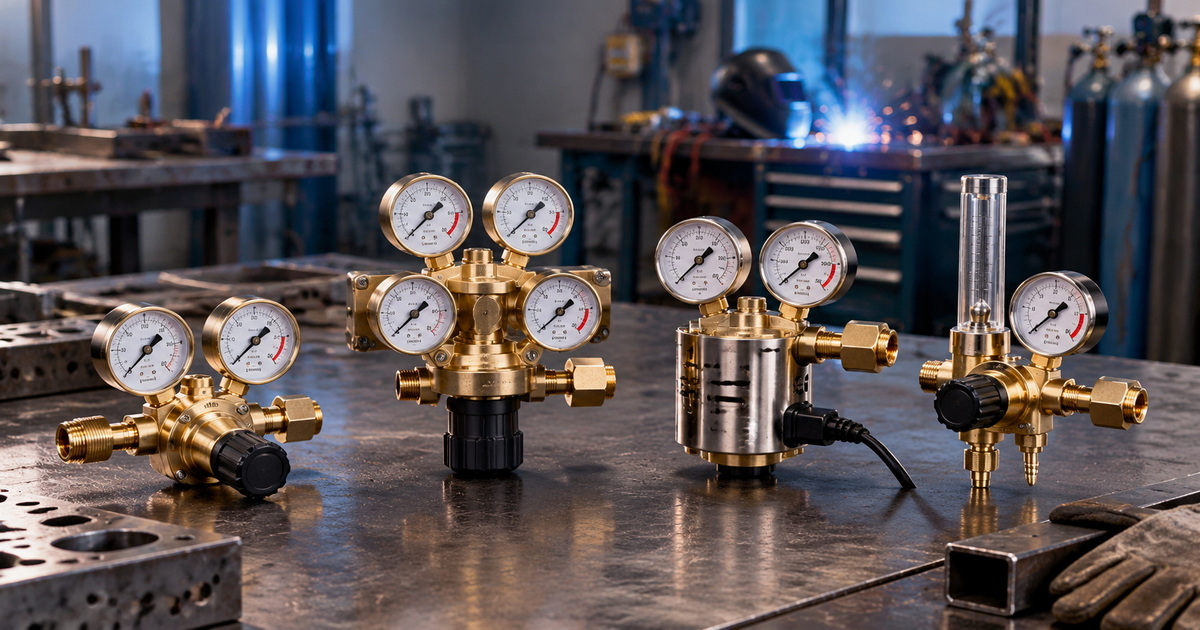
Our product range includes CO₂ and heated CO₂ regulators, argon, oxygen, acetylene, propane, nitrogen, and dual-stage gas regulators.
For an OEM or ODM inquiry, send your target market, gas service, cylinder connection, inlet pressure, outlet range, flow requirement, expected quantity, and branding needs.
We can then discuss the appropriate configuration, available supporting documentation, sample requirements, and inspection plan. Confirm model-specific evidence before approving conformity claims or finalizing packaging.
Frequently Asked Questions
1.Does EN ISO 2503 cover both single-stage and dual-stage regulators?
Yes. It covers single-stage and two-stage regulators within its stated gas, pressure, configuration, and application boundaries.
2.Does a 300-bar standard scope mean every regulator is rated to 300 bar?
No. The individual regulator’s declared inlet rating must match its intended gas service and cylinder connection. The standard’s maximum scope is not a universal product rating.
3.Can one regulator be used for oxygen, argon, and CO₂?
Do not assume interchangeability. Gas compatibility, cleanliness, connections, pressure ratings, and performance must be appropriate for the specified service.
4.Does an EN ISO 2503 report cover the electrical heater?
Not automatically. A heated regulator needs an assessment of the complete product against all applicable requirements, including those relevant to its electrical assembly.
5.What documents should OEM buyers request first?
Start with a model-specific specification, applicable test reports, connection drawings, marking details, operating instructions, and a proposed production inspection plan.
6.Are cylinder-bundle regulators covered by EN ISO 2503?
No. Regulators intended for direct use on cylinder bundles are excluded. ISO 7291 addresses pressure regulators for manifold systems.
References
1. British Standards Institution. [BS EN ISO 2503:2009+A1:2015 — Gas welding equipment: Pressure regulators and pressure regulators with flow-metering devices for gas cylinders used in welding, cutting and allied processes up to 300 bar (30 MPa)]. Source for the published designation, scope, exclusions, and pressure-relief overview. [knowledge.bsigroup]
2. International Organization for Standardization. [ISO 2503:2009 — Publicly available standard preview]. Source for scope, materials references, oxygen cleanliness, acetylene pressure limitations, connections, gas tightness, flow-device definitions, and the note concerning heating. The preview is the base edition; formal evaluation requires the applicable complete standard and amendment. [cdn.standards.iteh]
3. International Organization for Standardization. [ISO 7291:2010 — Pressure regulators for manifold systems used in welding, cutting and allied processes]. Source for the distinction between cylinder-mounted regulators and manifold-system regulators. [iso]
4. UK Health and Safety Executive. [Welding and flamecutting]. Source for gas-specific equipment selection and the prohibition on applying oil or grease to oxygen fittings. [hse.gov]
5. Harris Products Group. [CO₂ Freeze Up: Why It Happens, What You Can Do]. Industry explanation of dry-ice formation and restricted regulator flow. [harrisproductsgroup]
6. European Union, Your Europe. [CE marking: Requirements and conformity assessment]. Source for identifying applicable legislation, technical documentation, declarations, and multiple requirements. [europa]
7. European Commission. [Manufacturers: CE marking responsibilities]. Source for manufacturer obligations and restrictions on applying CE marking to products outside relevant legislation. The procurement workflow and illustrative scenario above are editorial recommendations, not additional standard clauses. [single-market-economy.ec.europa]
Hot Tags: Gas Regulator Manufacturer, Gas Regulator Supplier, Welding Gas Regulators, OEM Gas Regulators, Industrial Gas Regulators, CO₂ Gas Regulators, Heated CO₂ Regulators, Dual Stage Gas Regulators, Oxygen Gas Regulators, EN ISO 2503 Gas Regulators