Content Menu
>> 1. Zhejiang Bril Welding Equipment Co., Ltd.
>> 2. Yuyao Hualong Welding Meter Factory
>> 3. Shenzhen Wofly Technology Co., Ltd.
>> 4. Hangzhou Zhenda Precision Metallic Technology Co., Ltd.
>> 5. Ningbo Fenghong Instrument Manufacturing Co., Ltd.
>> 7. Ningbo Noursun Industrial Co., Ltd.
>> 8. Danyang Airtech Co., Ltd.
>> 9. LONGTIME
>> 10. Nai Lok
>> Specify the product correctly
>> The overlooked internal trap
>> Factory-verification workflow
● FAQ
>> 1. How can I verify whether a factory’s ISO 9001 certificate is still valid?
>> 2. Does CE certification prove that a CO₂ dual gauge regulator is safe for sale in Europe?
>> 3. What is the most important test for a CO₂ welding regulator sample?
>> 4. Why can two regulators with similar appearance have very different pricing?
>> 5. Should I source a single-stage or dual-stage CO₂ regulator?
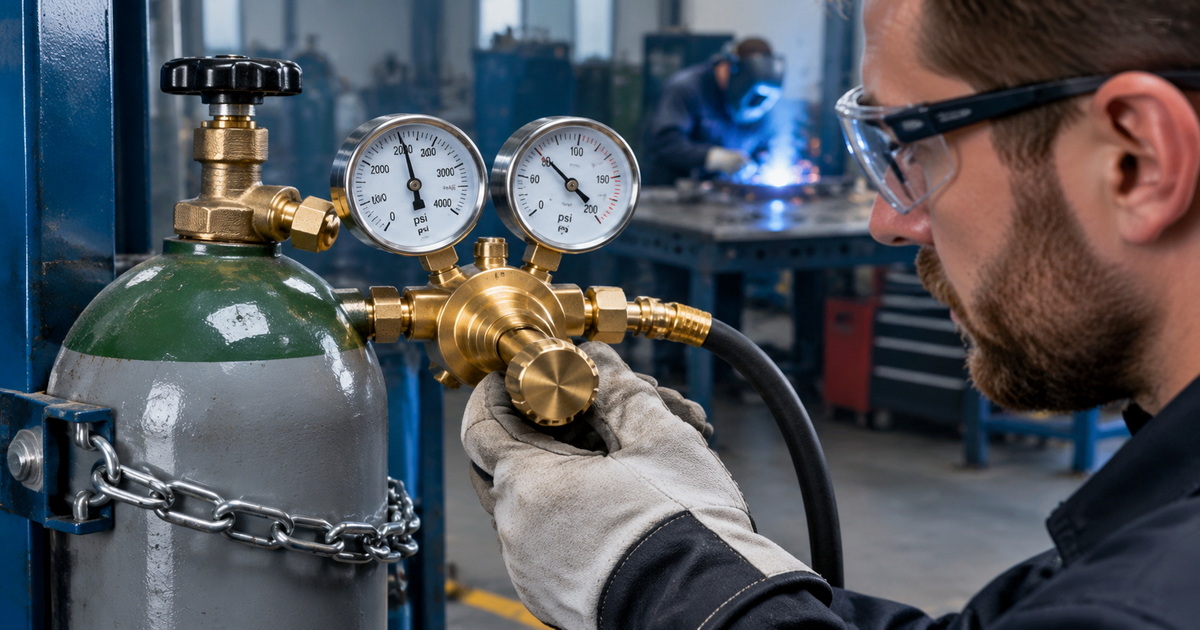
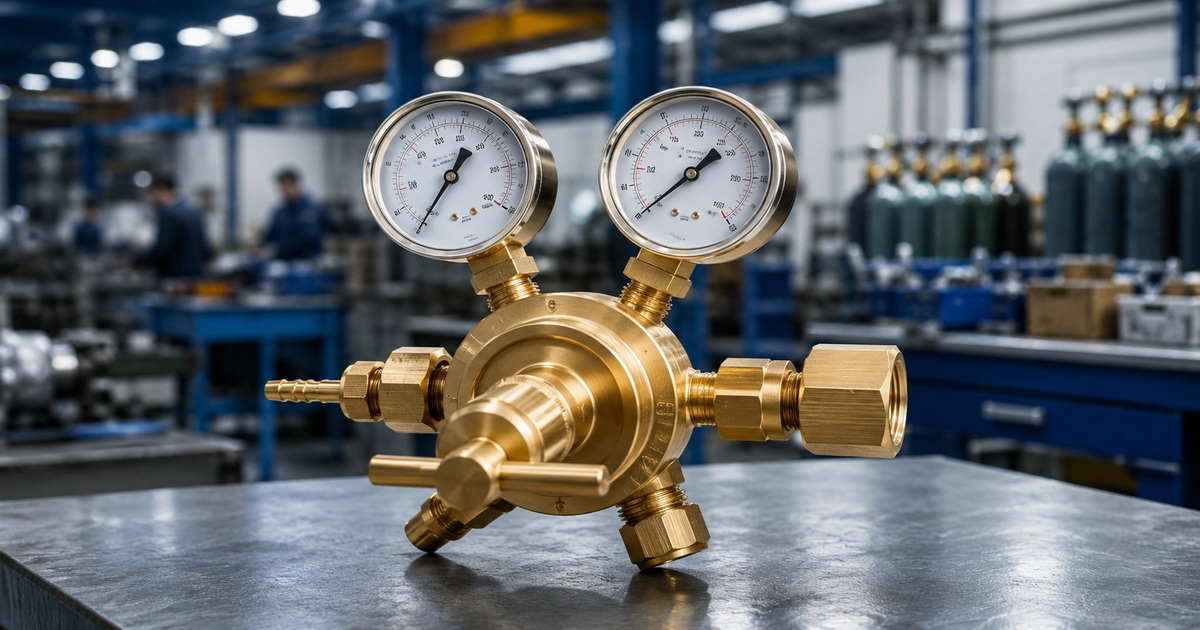
China remains an important sourcing base for CO₂ dual gauge regulators because it combines mature welding-equipment supply chains, brass machining capability, pressure-gauge production, and export-oriented OEM manufacturing. For professional buyers, the right supplier is not simply the one offering the lowest unit price—it is the one that can repeatedly deliver stable outlet pressure, consistent gas-specific configurations, traceable quality control, and documentation suitable for the target market.
How We Selected Suppliers
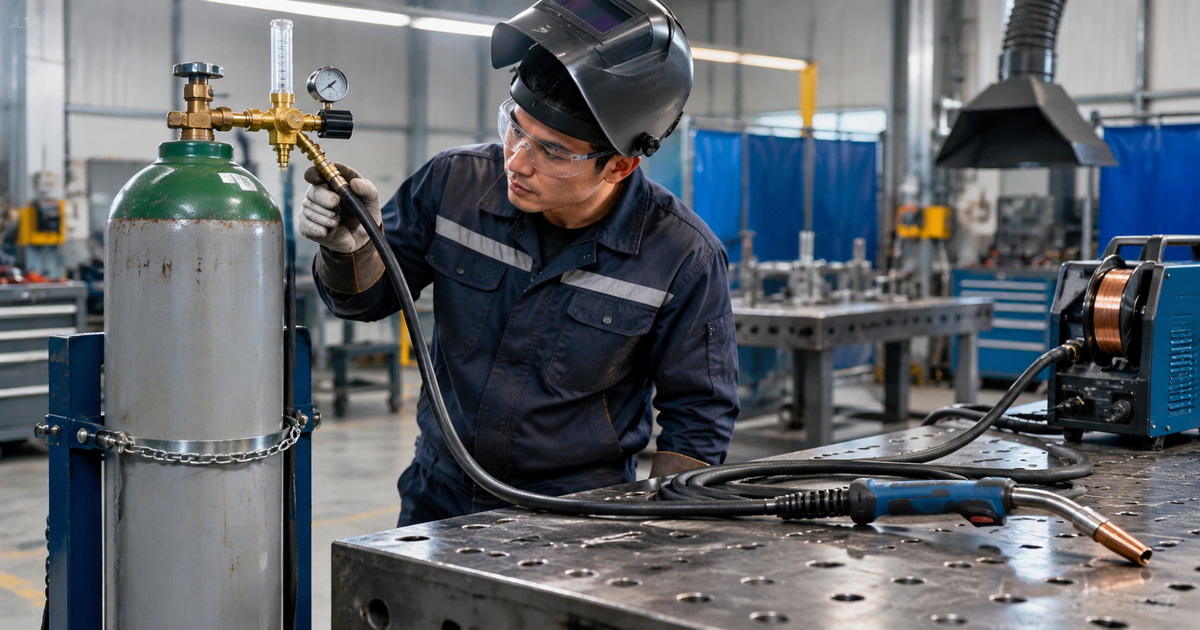
A CO₂ dual gauge regulator normally uses one gauge to display cylinder pressure and the other to show regulated outlet pressure or flow-related operating pressure. In MIG/MAG welding applications, the regulator must maintain dependable gas delivery despite changes in cylinder pressure, ambient temperature, welding duty cycle, and hose resistance.
We evaluated suppliers using criteria that matter in real procurement programs:
– Product specialization: Evidence of experience with CO₂, argon/CO₂, oxygen, acetylene, nitrogen, propane, heated CO₂, or dual-stage regulators.
– Manufacturing depth: Brass machining, die casting or forging, assembly, gauge matching, leak testing, and final inspection capability.
– Quality-system evidence: ISO 9001 management systems, CE documentation where applicable, test reports, calibration procedures, and batch traceability.
– OEM/ODM capability: Branding, packaging, inlet/outlet connections, gauge face design, pressure range, heater configuration, and market-specific labeling.
– Communication and project management: Sample-response speed, engineering feedback, drawing confirmation, change-control discipline, and export-document support.
– Long-term supply stability: Experience serving welding-equipment brands, industrial-gas companies, distributors, or export markets.
CE is not a blanket quality certificate. Buyers should ask which specific product model, directive, declaration, and supporting test file the CE claim relates to. ISO 9001 also confirms a quality-management system, not automatic compliance of every regulator model with the requirements of a destination market.
Why Source From China
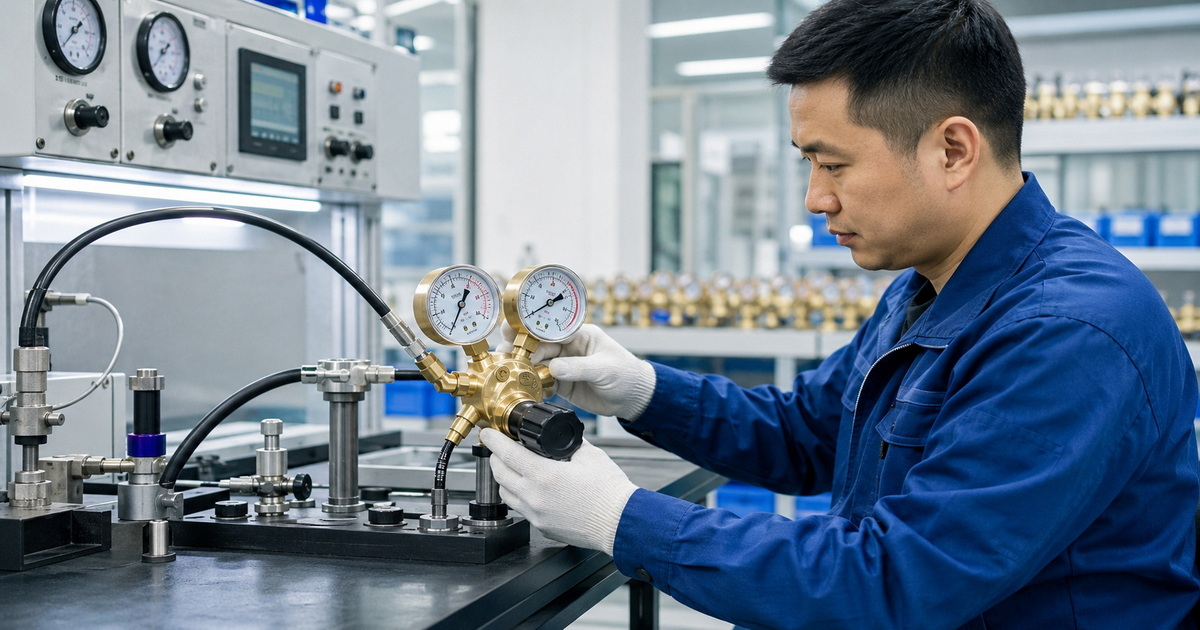
China’s gas-regulator supply base is supported by industrial clusters in Zhejiang, Ningbo/Yuyao, Wenzhou, Guangdong, Shanghai, and the Yangtze River Delta. These regions combine metalworking, brass fittings, dial gauges, welding accessories, packaging, and export logistics in relatively close supply networks.
For CO₂ dual gauge regulator sourcing, this can provide several advantages:
– More options for customized inlet connections, such as CGA, DIN, BS, JIS, and regional cylinder-valve standards.
– Easier private-label implementation across regulator body, gauge dial, carton, instruction manual, and retail packaging.
– Access to both standard welding regulators and more specialized designs, including heated CO₂ regulators for high-demand welding environments.
– Flexible sourcing models ranging from lower-MOQ distributor programs to higher-volume OEM projects.
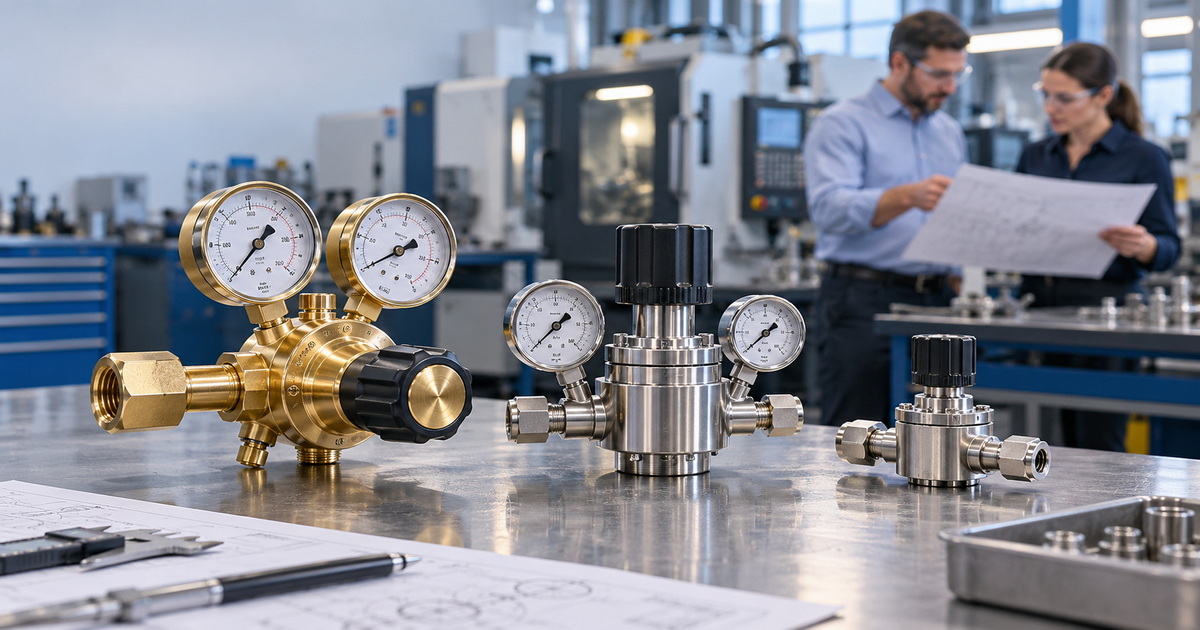
However, buyers should avoid treating all “brass regulators” as technically equivalent. Brass grade, wall thickness, internal valve design, diaphragm material, gauge calibration, thread quality, and leak-test controls can differ significantly between factories and price levels.
Top 10 Manufacturers
| Manufacturer | Established | Main focus | OEM/ODM suitability | Typical buyer fit |
|---|---|---|---|---|
| Zhejiang Bril Welding Equipment Co., Ltd. | 2002 | Welding and industrial gas regulators | Strong for customized regulator programs | Brands, distributors, mid-sized OEM buyers |
| Yuyao Hualong Welding Meter Factory | 2007 | Welding pressure regulators and gauges | Standard models and branding options | Welding-accessory importers |
| Shenzhen Wofly Technology Co., Ltd. | Public information varies | High-purity and specialty gas control | Specification-led customization | Lab, specialty-gas, technical projects |
| Hangzhou Zhenda Precision Metallic Technology Co., Ltd. | 1995 | Gas regulators, valves, gas-appliance components | Export-market configurations | Broad regulator portfolios |
| Ningbo Fenghong Instrument Manufacturing Co., Ltd. | 2003 | Gas regulators and pressure gauges | Private label and standard customization | Value-focused distributors |
| GET STAR WELD | Public information varies | Welding accessories and cylinder regulators | Connection and packaging customization | Mixed welding-product buyers |
| Ningbo Noursun Industrial Co., Ltd. | Public information varies | Welding and gas-control accessories | Standard OEM supply | Wholesalers and trading programs |
| Danyang Airtech Co., Ltd. | Public information varies | Welding accessories and regulator products | Product-family sourcing | Welding-equipment distributors |
| LONGTIME | Public information varies | High-pressure gas regulators | Export-oriented product configuration | Regulated-market buyers |
| Nai Lok | Public information varies | High-purity gas systems and regulators | Engineering-driven customization | Specialty and laboratory gas users |
1. Zhejiang Bril Welding Equipment Co., Ltd.
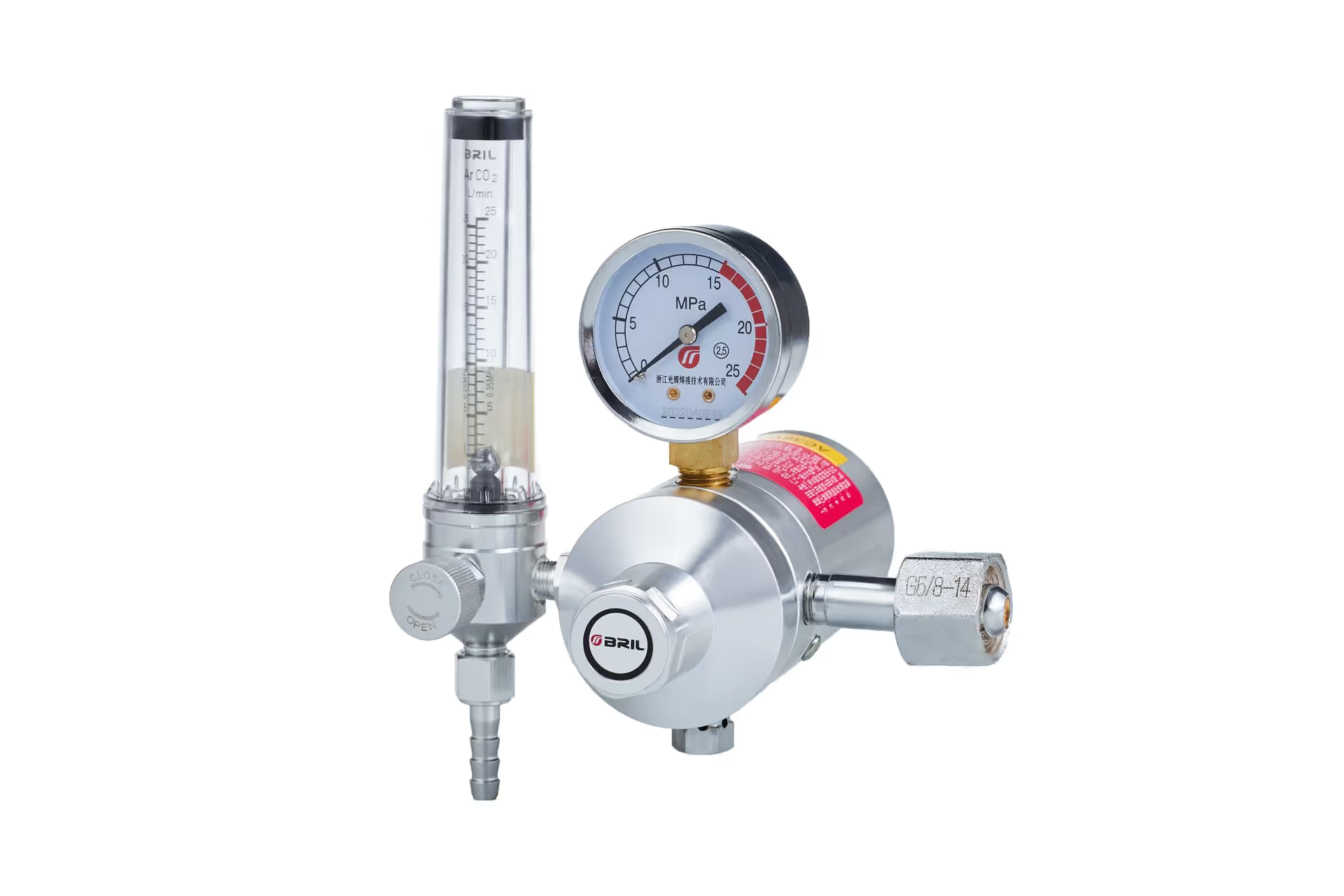
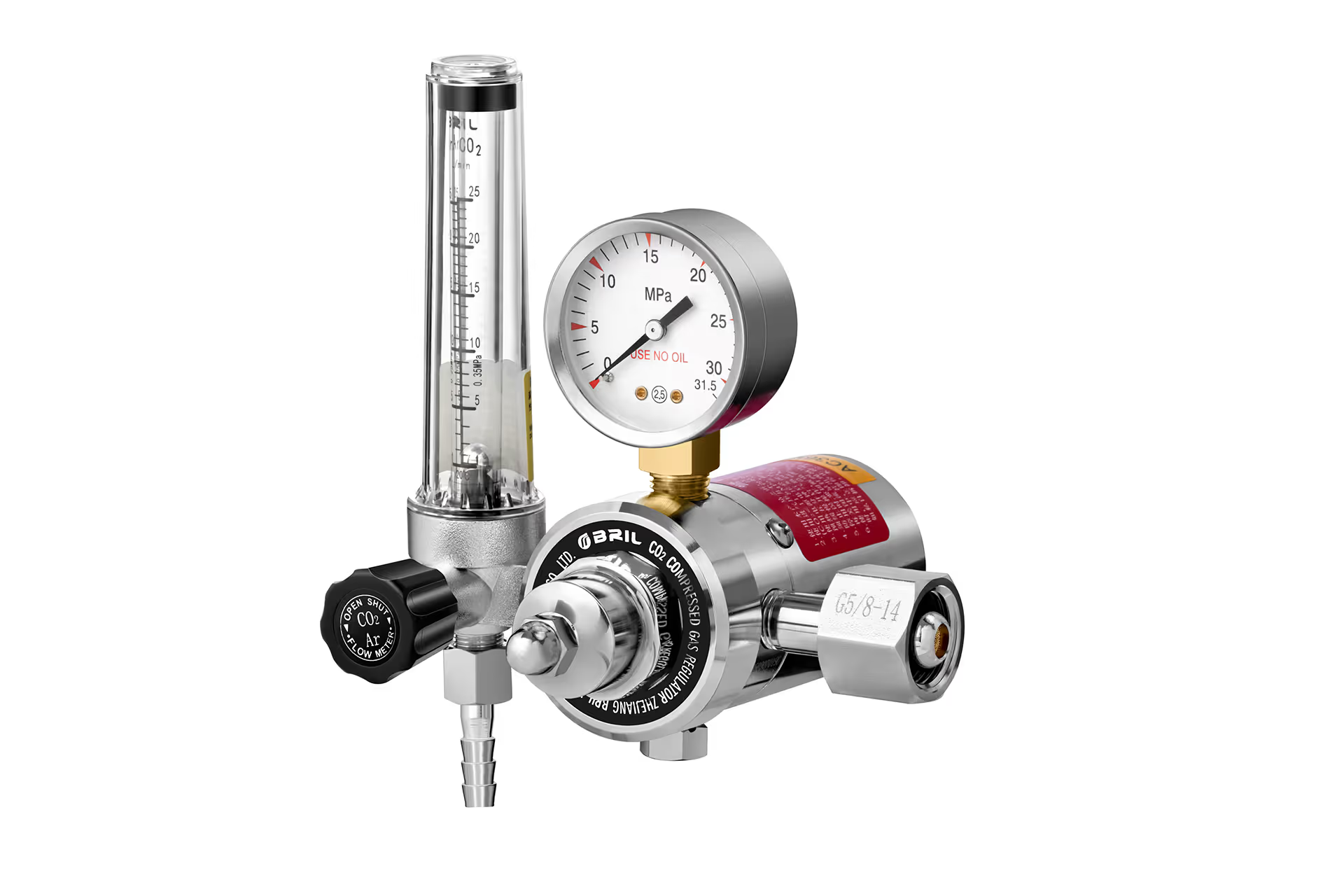
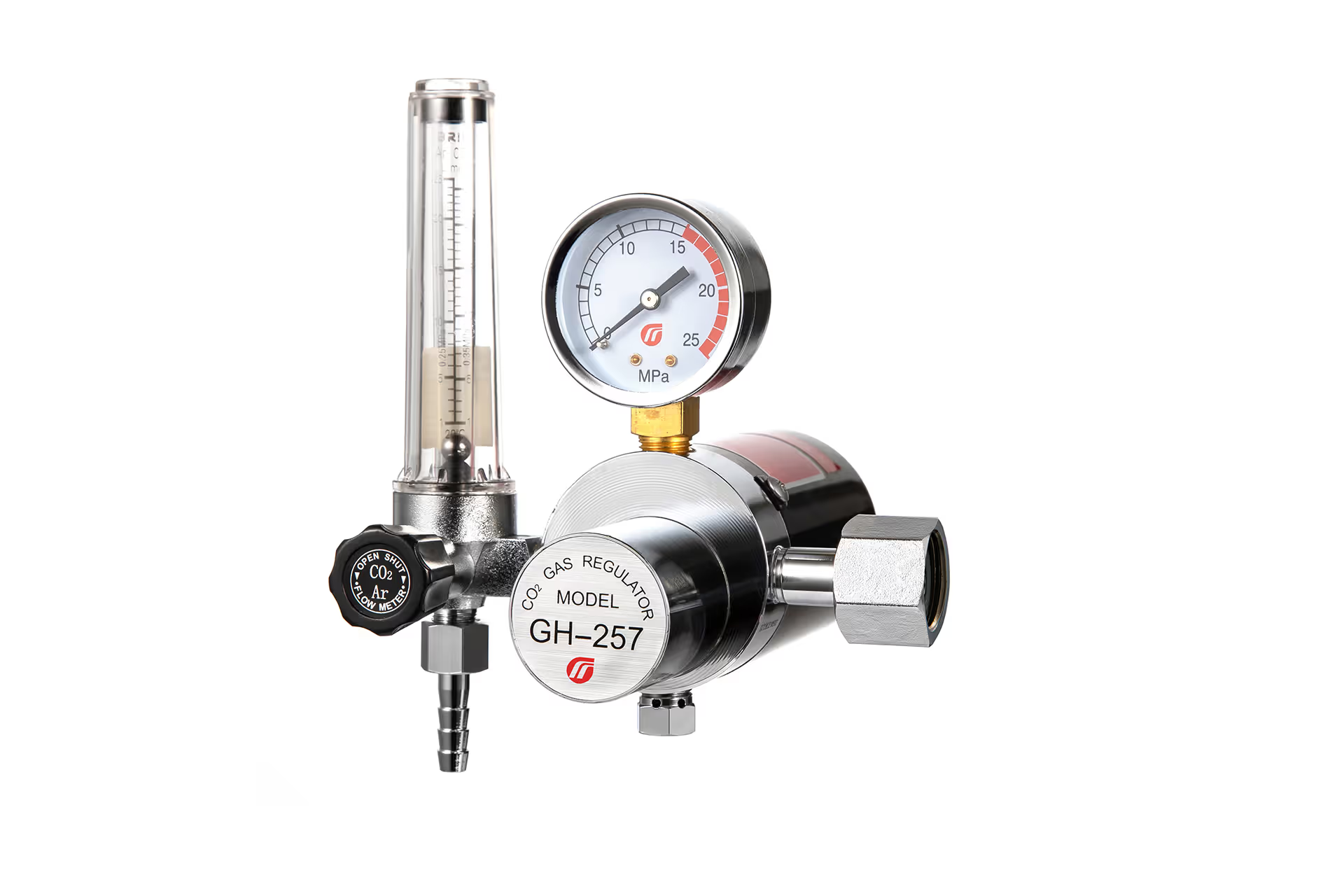
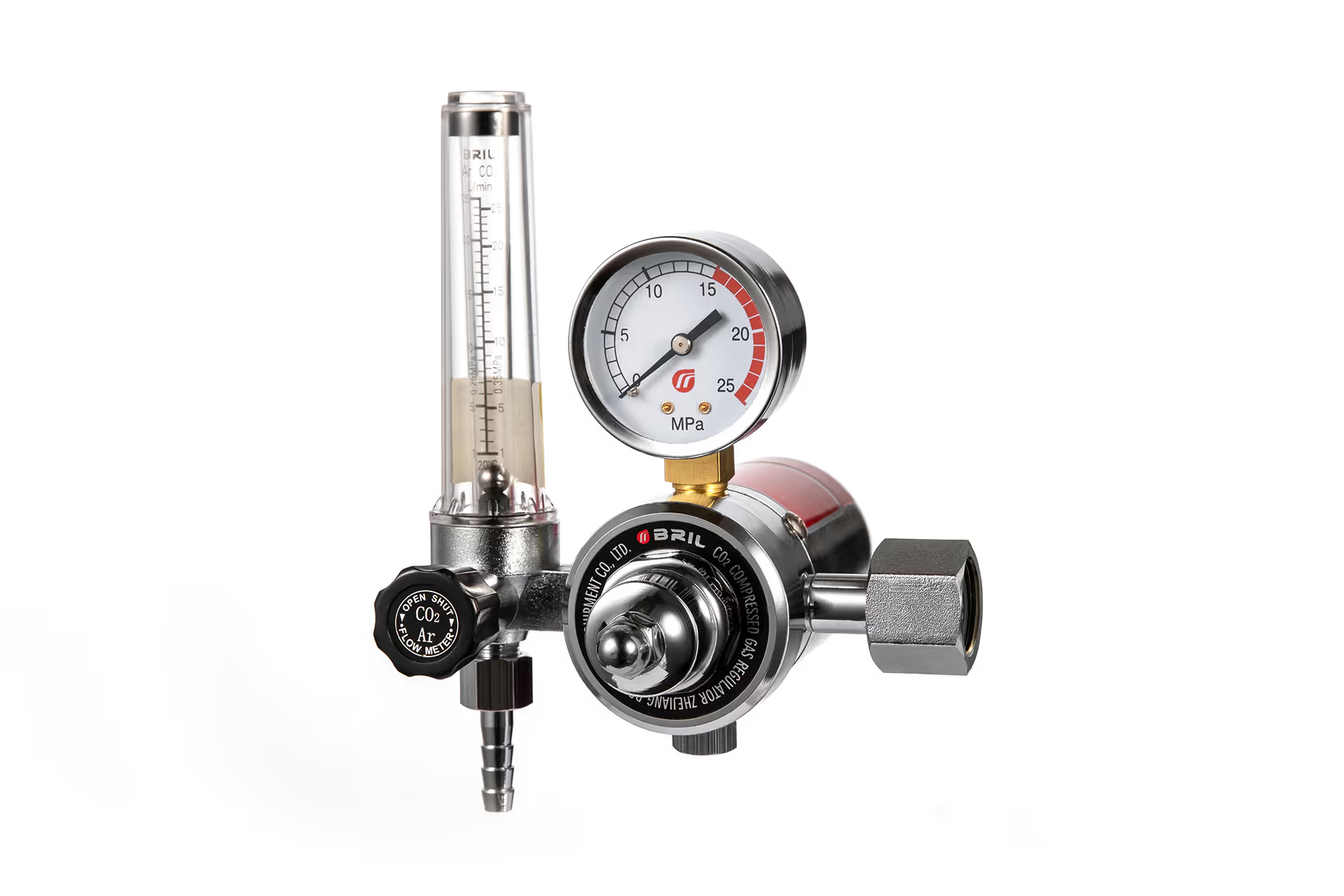
Zhejiang Bril Welding Equipment Co., Ltd., founded in 2002 and located in Wenzhou, Zhejiang, specializes in industrial gas pressure regulators for welding, cutting, and related industrial applications. Its range includes CO₂ regulators, heated CO₂ regulators, argon regulators, oxygen regulators, acetylene regulators, propane regulators, nitrogen regulators, and dual-stage gas regulators.
Bril is particularly relevant for buyers that need more than a catalog product. Rather than positioning solely around large-volume standardized output, it can be a practical partner for overseas brands and mid-sized distributors seeking responsive communication, private-label support, tailored regulator configurations, and step-by-step OEM development.
The company states that it holds ISO 9001 system certification recognized through UKAS and IAF, and that products have passed CNAS and CE-related certification processes. Its company profile also cites supply relationships with welding-equipment brands including Shanghai Hugong, Tayor, Kaierda, Aotai, Jasic, Riland, Panasonic, OTC, and OEM programs for Messer beginning in 2022. Procurement teams should request product-specific certification files, audit evidence, and current validity records as part of their own approval process.
Core strengths
– More than 20 years of focused experience in industrial gas pressure-regulator manufacturing.
– Broad regulator coverage, allowing buyers to build a coherent CO₂, argon, oxygen, fuel-gas, and nitrogen product program with fewer supplier interfaces.
– Suitable for customized branding, packaging, connection standards, operating-pressure ranges, gauge faces, and product-market positioning.
– Appropriate for small-to-mid-sized private-label programs that require engineering discussion and efficient communication—not only container-scale orders.
– Manufacturing and quality infrastructure supported by internal testing and inspection equipment, according to the company profile.
Best fit: International welding brands, regional industrial-gas distributors, and importers seeking a manufacturer that can support a long-term branded regulator range instead of only supplying generic spot-purchase models.
2. Yuyao Hualong Welding Meter Factory
Yuyao Hualong Welding Meter Factory, established in 2007, focuses on R&D, production, and sales of welding and industrial pressure regulators. Its product offering includes CO₂ pressure regulators for welding and cutting, oxygen regulators, and related regulator configurations.
The Yuyao/Ningbo area is a practical sourcing zone for pressure gauges, fittings, metal components, and industrial accessory manufacturing. Hualong may be relevant for buyers looking for established welding-regulator products with a conventional dual-gauge configuration and standard export customization.
Core strengths
– Dedicated emphasis on welding and cutting pressure-regulator categories.
– Published coverage of CO₂ and oxygen regulator applications.
– Suitable for buyers sourcing regulators alongside related gauge-based welding accessories.
– Potential fit for standard model selection with customized branding and packing.
Buyer verification points
– Confirm the regulator body material and brass alloy specification in writing.
– Request a current ISO certificate number and verify its scope, expiration date, and certification-body listing.
– Ask for model-level gas compatibility and inlet/outlet thread documentation rather than relying on product images.
3. Shenzhen Wofly Technology Co., Ltd.
Shenzhen Wofly Technology is better known in the gas-control segment for high-purity, laboratory, semiconductor, and specialty-gas applications. For buyers requiring higher specification control, material traceability, or gas-system integration beyond conventional MIG welding, this type of supplier may be worth evaluating.
Its product orientation differs from a standard welding-accessory factory: requirements are more likely to be engineering-led, based on purity, pressure, fittings, materials, and complete gas-panel compatibility. Public supplier directories identify Wofly as a China-based gas-control supplier, but buyers should independently verify current manufacturing scope, certification status, and suitability for welding-grade CO₂ dual gauge regulator projects.
Core strengths
– Potentially suitable for higher-specification gas-control requirements.
– More relevant when regulator selection connects to specialty gas systems, laboratory installations, or technical pressure-control projects.
– Engineering-driven configuration discussions may be available for non-standard applications.
Best fit: Buyers for whom gas purity, control-system integration, specialty fittings, or technical documentation matter more than entry-level welding-regulator pricing.
4. Hangzhou Zhenda Precision Metallic Technology Co., Ltd.
Hangzhou Zhenda is associated with gas regulators, valves, and broader gas-appliance component categories. Publicly cited information indicates the company was established in 1995 and has referenced compliance signals such as CE, CSA, AGA, and UL across its broader product portfolio; buyers should confirm that any claimed approvals apply specifically to the chosen CO₂ dual gauge regulator model and destination market.
Core strengths
– Long operating history in gas-control and metallic component manufacturing.
– Potential value for buyers building a broader gas-appliance or regulator category.
– Export-market product configuration may suit distributors serving several countries.
Best fit: Importers looking for a multi-category gas-control supplier rather than a welding-only regulator specialist.
5. Ningbo Fenghong Instrument Manufacturing Co., Ltd.
Ningbo Fenghong is commonly associated with welding gas regulators and gauges, including CO₂, acetylene, and helium-related regulator categories. Public marketplace information identifies the company as a Ningbo-based supplier of gas regulator products, though certification claims shown in marketplace listings should be treated as preliminary until directly confirmed with controlled documentation.
Core strengths
– Relevance to common welding and cylinder-gas regulator requirements.
– Location within the Ningbo-area instrumentation and industrial-product ecosystem.
– Potential suitability for value-oriented distributor and wholesale product lines.
Best fit: Buyers seeking standard regulator formats, conventional dual-gauge designs, and commercially competitive sourcing for established distributor channels.
6. GET STAR WELD
GET STAR WELD is positioned in the welding-accessory category and may be considered by buyers sourcing regulators together with welding torches, consumables, gauges, hose assemblies, and related accessories. This can simplify supplier management for distributors building broad welding-accessory assortments.
Core strengths
– Broad welding-accessory orientation.
– Potential convenience for bundle sourcing across multiple welding categories.
– May support customization of connections, outlet arrangements, branding, and packaging.
Buyer verification points
– Determine whether the company manufactures the regulator body in-house or sources finished regulators for assembly and export.
– Ask for factory audit access, incoming-material records, and final leak-test standards.
– Compare sample gauge accuracy and outlet-pressure stability against a dedicated regulator specialist.
7. Ningbo Noursun Industrial Co., Ltd.
Ningbo Noursun Industrial is positioned through public B2B sources as a supplier of welding and industrial accessory products. Its relevance is primarily for buyers looking for a commercially practical range of welding-related products rather than a regulator-only manufacturing partner. Public marketplace data should be used only as an initial lead-generation source, not as final factory qualification evidence.
Core strengths
– Potential fit for distributors purchasing mixed industrial or welding accessory assortments.
– Ningbo location can offer logistical advantages for export consolidation.
– Standard OEM arrangements may be possible for conventional product programs.
Best fit: Wholesalers that prioritize assortment breadth, container consolidation, and standard private-label formats.
8. Danyang Airtech Co., Ltd.
Danyang Airtech appears in public supplier data as a China-based industrial and welding-product supplier. Buyers may consider it when evaluating multiple welding-accessory sources, especially where products are sold through distributors, hardware channels, or OEM equipment packages.
Core strengths
– Potential source for welding-related product families.
– May suit buyers that want regulator products integrated with a broader accessory program.
– Commercially relevant for general industrial distribution channels.
Buyer verification points
– Establish whether gauges, brass bodies, and key internal assemblies are manufactured, assembled, or externally procured.
– Require a pre-shipment inspection plan with AQL standards, functional testing, and packaging-drop checks.
– Request the historical defect rate for the intended model, not an overall company-level quality statement.
9. LONGTIME
LONGTIME is associated in public industry content with high-pressure gas-regulator products and export-oriented compliance claims, including CE and CSA references. Those claims may be relevant to buyers serving regulated markets, but they must be validated by product family and exact model number before being used in procurement or marketing documents.
Core strengths
– Potential relevance for buyers requiring high-pressure configurations.
– Export-market documentation may be a focus.
– Possible fit for wholesale and distributor programs requiring compliance-oriented product screening.
Best fit: Buyers seeking a regulator supplier for markets where documentation, rated pressures, and product markings require additional scrutiny.
10. Nai Lok
Nai Lok is generally associated with high-purity gas systems, valves, fittings, and technical regulators. It is not necessarily the first option for a low-cost conventional welding CO₂ dual gauge regulator, but it can be a more appropriate benchmark where buyer requirements involve gas purity, instrumentation quality, materials traceability, or advanced technical systems.
Core strengths
– Technical gas-control positioning.
– Potential engineering support for industrial, laboratory, or specialty-gas projects.
– Suitable reference point for purchasers evaluating higher-specification regulator designs.
Best fit: Specialty-gas, laboratory, semiconductor, or process-control buyers whose primary concern is specification control rather than a standard welding-accessory price point.
CO₂ Regulator Buying Guide
Specify the product correctly
The phrase “CO₂ dual gauge regulator” is not enough for a reliable quotation. A proper RFQ should define:
– Gas medium: pure CO₂, argon/CO₂ mixed gas, or another gas.
– Application: MIG/MAG welding, beverage, aquarium, laboratory, industrial processing, or gas distribution.
– Cylinder inlet standard: CGA, DIN, BS, JIS, Australian, South African, or another local standard.
– Outlet specification: hose barb size, threaded outlet, flowmeter interface, or quick connector.
– Inlet-pressure range and maximum outlet pressure.
– Gauge size, pressure scale, unit system, and accuracy class.
– Body material, such as forged brass, brass bar stock, die-cast alloy, or other specified construction.
– Diaphragm, seat, O-ring, and sealing-material compatibility.
– Required heater specification for heated CO₂ regulators.
– Packaging, barcode, instruction manual language, safety labels, and private-label requirements.
Materials and construction
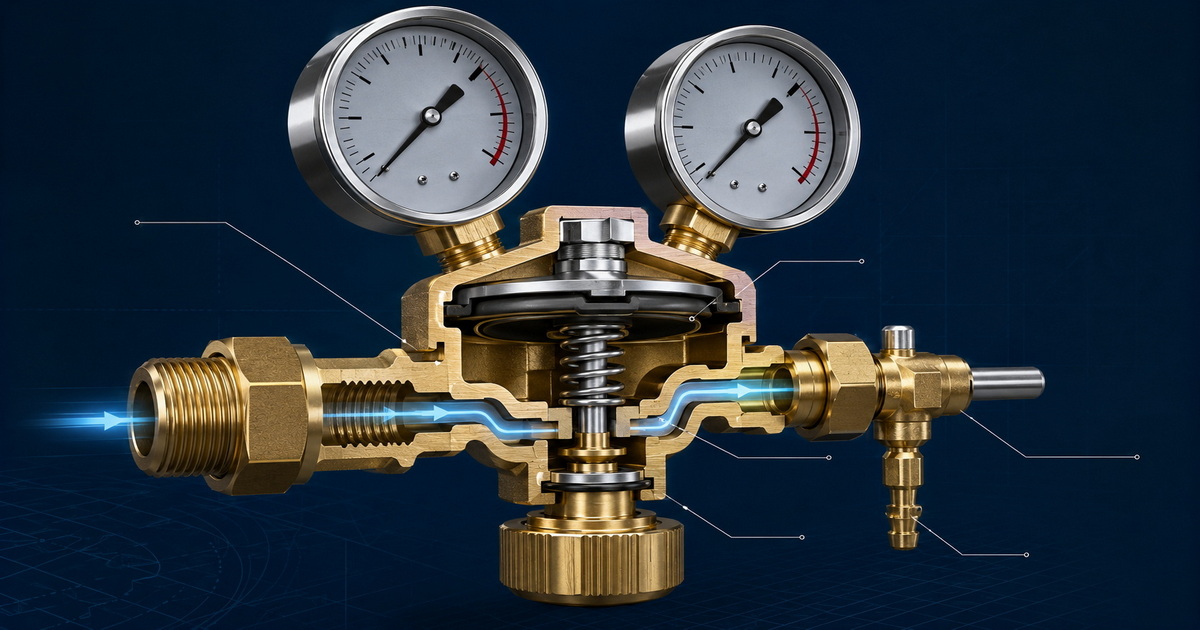
For conventional welding-grade CO₂ regulators, buyers often request a brass main body because brass provides workable machinability, corrosion resistance, and a recognized market position in gas-control hardware. But “brass body” alone does not establish product durability.
Ask for:
– Brass grade or material certificate for the main body.
– Body weight and wall-thickness tolerances.
– Details on whether the body is forged, hot stamped, machined from brass bar, or cast.
– Valve-seat material and diaphragm material.
– Thread inspection standards and connection compatibility.
– Gauge supplier, gauge accuracy, and calibration method.
For heated CO₂ regulators, assess not only heater wattage but also thermal protection, wiring protection, insulation, plug configuration, voltage, ingress protection where applicable, and the behavior of the regulator under continuous operating conditions.
The overlooked internal trap
A common but under-discussed risk is sample-to-mass-production component substitution. The sample may use a heavier brass body, better diaphragm, more stable gauge movement, or higher-grade valve-seat material, while later production uses visually similar but lower-cost components.
Avoid this by making the approved sample a controlled reference:
1. Keep a sealed, signed “golden sample” at both the buyer’s and factory’s locations.
2. Attach a bill of materials with component photos, material grades, gauge supplier, and key dimensions.
3. State that substitutions require written engineering approval.
4. Conduct random teardown inspections on production units, not only final appearance and leak checks.
5. Include gauge reading, outlet-pressure stability, thread-go/no-go, and leak-test requirements in the purchase order.
This is often more valuable than negotiating another small unit-price reduction.
Factory-verification workflow
A sound supplier-approval process typically follows five stages:
1. Document screening
Request business registration, ISO certificates, test reports, product drawings, compliance declarations, and export-market references.
2. Certification validation
Verify ISO certificate number, issuing certification body, scope, factory name, site address, issue date, and expiry date. If the certificate is registered online, confirm it through the certification body rather than trusting a PDF alone.
3. Engineering review
Compare drawings, connections, gauge scales, rated pressures, material lists, and intended country requirements before sampling.
4. Sample and pilot order
Test samples on actual cylinders, hoses, welding machines, and typical duty cycles. For heated CO₂ versions, test in conditions that reflect your local ambient temperature and welding demand.
5. Pre-shipment inspection
Verify workmanship, regulator function, gauge readability, leakage, thread fit, markings, packaging, quantity, and carton strength. Use AQL sampling plus targeted functional tests rather than only a visual inspection.
MOQ and logistics
MOQ is affected by far more than the regulator itself. A standard unbranded model may have a low entry quantity, while a custom gauge dial, color box, molded logo, unique inlet thread, or dedicated heating configuration can increase MOQ materially.
For export shipments:
– Confirm whether products are packed with gauges installed or separately protected.
– Require gauge-face protection and anti-scratch packaging.
– Confirm carton compression strength for sea freight.
– Review shipping marks, HS classification with your customs broker, country-of-origin marking, manuals, and warning labels.
– Make sure electrical documentation is included for heated CO₂ models.
– Avoid mixed container loading that can physically damage gauges or contaminate finished packaging.
Conclusion
China offers a broad selection of CO₂ dual gauge regulator suppliers, from value-oriented welding-accessory factories to engineering-focused gas-control specialists. The most suitable supplier depends on whether your priority is standard wholesale supply, private-label flexibility, broader welding-accessory consolidation, specialized gas handling, or controlled OEM development.
For buyers seeking a balanced option—particularly those needing CO₂, heated CO₂, argon, oxygen, acetylene, propane, nitrogen, and dual-stage regulator coverage—Zhejiang Bril Welding Equipment Co., Ltd. is worth including in a qualified supplier shortlist. Its long operating history, regulator specialization, stated ISO 9001 and CE-related quality credentials, and reported OEM experience make it relevant for overseas brands and distributors seeking responsive, customized cooperation.
Before selecting any supplier, send a detailed RFQ, request a controlled sample, verify current certificates directly, and define inspection standards before mass production. This approach protects both your product reputation and the consistency of your downstream supply.
FAQ
1. How can I verify whether a factory’s ISO 9001 certificate is still valid?
Ask for the certificate number, issuing certification body, scope of certification, registered company name, production address, initial issue date, and expiration date. Then check the certification body’s official directory or contact the issuer directly. Confirm that the certified site is the actual regulator production location—not merely a related trading company or another facility.
2. Does CE certification prove that a CO₂ dual gauge regulator is safe for sale in Europe?
Not by itself. CE documentation must be tied to the specific product model and applicable EU requirements. Ask for the EU Declaration of Conformity, relevant directives or regulations, technical file support, test reports where relevant, product labeling, and any applicable documentation for electrical heater components. Consult an EU compliance professional for your exact product and market route.
3. What is the most important test for a CO₂ welding regulator sample?
There is no single sufficient test. At minimum, evaluate leakage, outlet-pressure stability, gauge accuracy, connection fit, valve adjustment smoothness, and behavior under real welding gas-consumption cycles. For heated CO₂ regulators, add heat-up performance, electrical safety, temperature control, and continuous-duty testing.
4. Why can two regulators with similar appearance have very different pricing?
The visible body is only one part of the cost. Price differences can come from brass weight and grade, forging or machining quality, diaphragm and valve-seat materials, gauge movement quality, calibration process, inspection labor, packaging, certification work, and warranty allowances. A cheaper regulator may also use a different internal bill of materials.
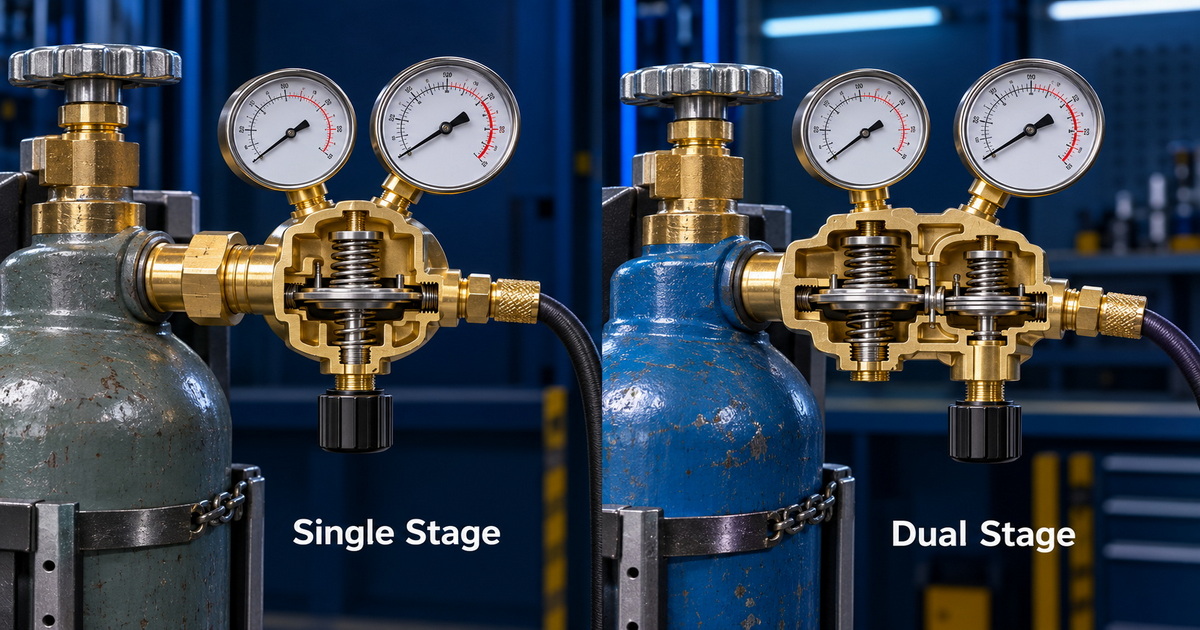
5. Should I source a single-stage or dual-stage CO₂ regulator?
A single-stage regulator is common in welding and many general industrial applications. A dual-stage regulator is designed to improve control as cylinder pressure changes and can be appropriate where more stable outlet pressure is important. The decision should be based on required pressure stability, gas consumption, operating conditions, system design, and cost target—not only on the number of gauges.
References
1. [Zhejiang Bril Welding Equipment Co., Ltd. — About Us]: Company profile, founding year, stated ISO 9001, CNAS and CE credentials, product focus, and OEM references. [chinesewelding]
2. [Yuyao Hualong Welding Meter Factory — CO₂ Regulator Products]: Public product and company information for welding and industrial gas pressure regulators. [china-hualong]
3. [Yuyao Hualong Welding Meter Factory — Oxygen Pressure Regulator Page]: Publicly stated 2007 establishment and welding/cutting regulator specialization. [china-hualong]
4. [Rotarex — Welding Pressure Regulators]: General industry context on welding-regulator applications and stable performance requirements. [rotarex]
5. [China Customs Statistics]: Official source for reviewing China’s broader trade and export-statistics releases.
6. [International Organization for Standardization]: Reference source for ISO standards and management-system certification background.
Hot Tags: CO₂ Dual Gauge Regulator, CO₂ Regulator Manufacturer, Welding Gas Regulator Supplier, Dual Gauge Pressure Regulator, CO₂ Welding Regulator, OEM Gas Regulator Manufacturer, Industrial Gas Regulator, Heated CO₂ Regulator, Brass Gas Pressure Regulator, Gas Regulator OEM And ODM