Content Menu
● Understanding Oxygen Regulators in Oxy‑Acetylene Welding
● What “Welding Regulator” Usually Means in Oxy‑Fuel
● Oxygen Regulator vs Welding Regulator: Core Technical Differences
>> Pressure Ranges and Safety Limits
>> Materials and Design Details
>> Connection Standards and Color Coding
● Side‑by‑Side Comparison: Oxygen Regulator vs Welding Regulator
● Why You Cannot Swap Oxygen and Welding Regulators
● Expert View: Matching Regulators to Real‑World Oxy‑Acetylene Jobs
● Single‑Stage vs Dual‑Stage Regulators in Oxy‑Fuel Welding
● Safety Practices for Oxygen and Welding Regulators
>> Before Opening the Cylinder
● OEM and ODM Considerations for Oxygen and Welding Regulators
● Practical Selection Checklist for Oxy‑Acetylene Regulators
● Call to Action: Specify the Right Regulator Set for Your Market
● FAQs: Oxygen Regulator vs Welding Regulator
Oxygen and welding regulators are both critical for safe, precise oxy‑acetylene welding, but they are not interchangeable and must be selected, set, and maintained differently if you want consistent flame quality and long regulator life. [boc.co]
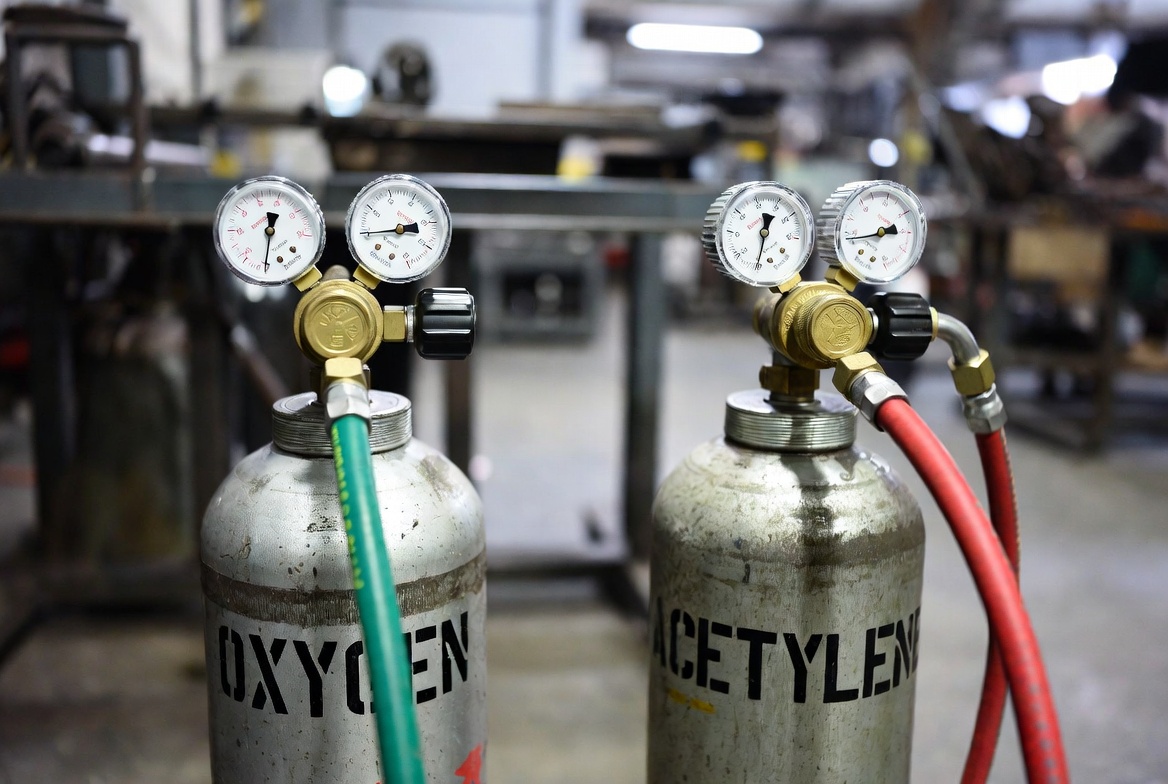
What This Comparison Covers
In this guide, you will learn:
– What an oxygen regulator is and how it works in an oxy‑acetylene setup. [boc.com]
– What a “welding regulator” commonly means in oxy‑fuel (usually the acetylene regulator) and how it differs from the oxygen regulator. [boc.co]
– Key technical differences: design, materials, working pressure ranges, safety limits, and typical use cases. [boc.com]
– How to choose the right regulators for specific welding tasks as an industrial user, distributor, or OEM buyer. [boc.co]
– Expert best practices for setup, operation, and maintenance, from a manufacturer’s perspective. [boc.com]
Throughout the article, “welding regulator” will mainly refer to the fuel‑gas regulator (especially acetylene) used in oxy‑acetylene welding, because that is how it is described in most welding catalogs and training materials. [specialisedwelding.co]
Understanding Oxygen Regulators in Oxy‑Acetylene Welding
Oxygen regulators are pressure‑reducing devices designed to take high‑pressure oxygen from cylinders (often up to around 200–230 bar / 2900–3300 psi when full) down to a stable, controllable working pressure for the torch. [boc.co]
Key roles in an oxy‑acetylene setup:
– Drop cylinder pressure to usable levels for cutting, brazing, or welding. [boc.com]
– Maintain stable outlet pressure even as cylinder pressure gradually falls during use. [pakoxygen]
– Protect downstream equipment (hoses, flashback arrestors, torch) from excessive pressure. [store.mathesongas]
Typical features:
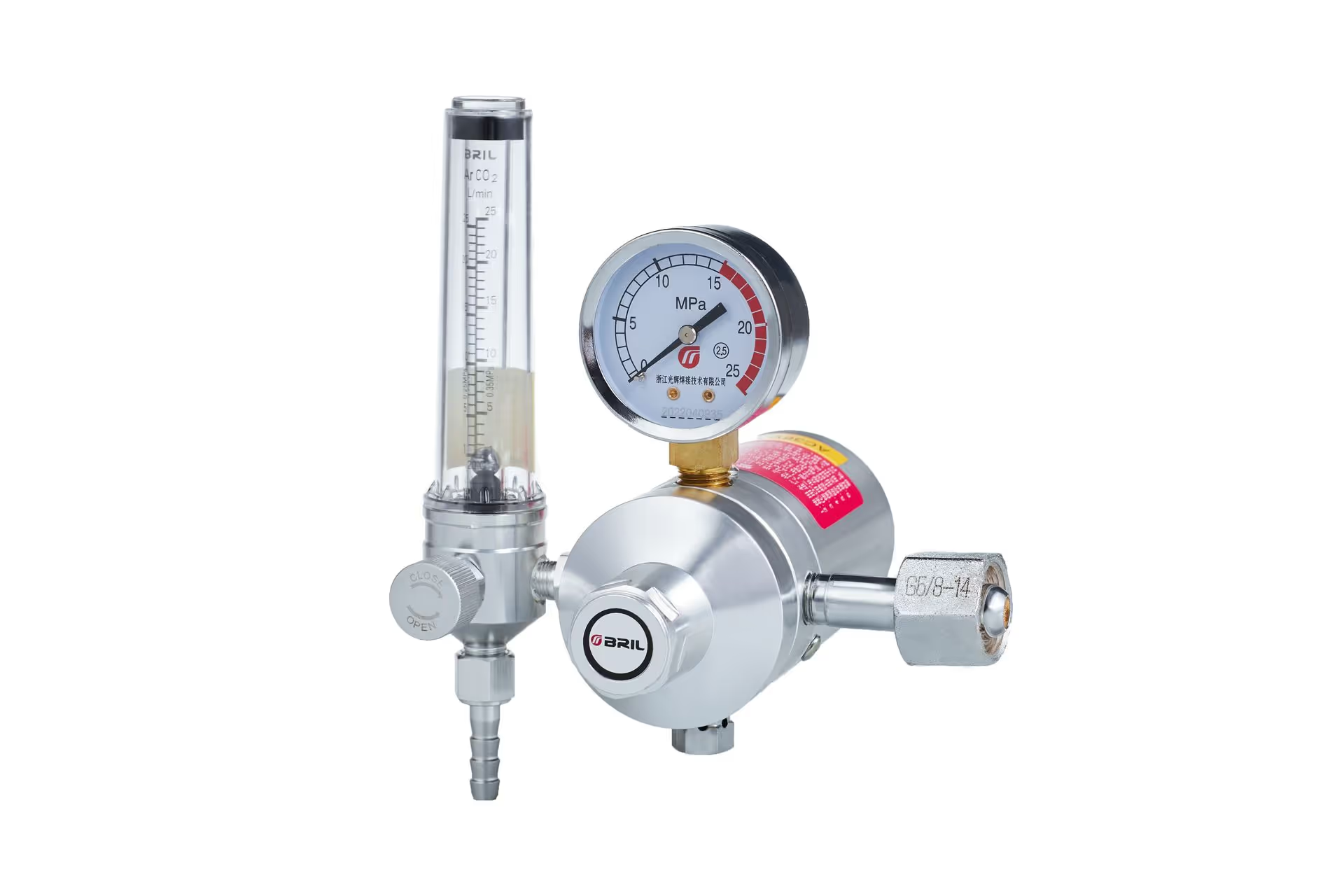
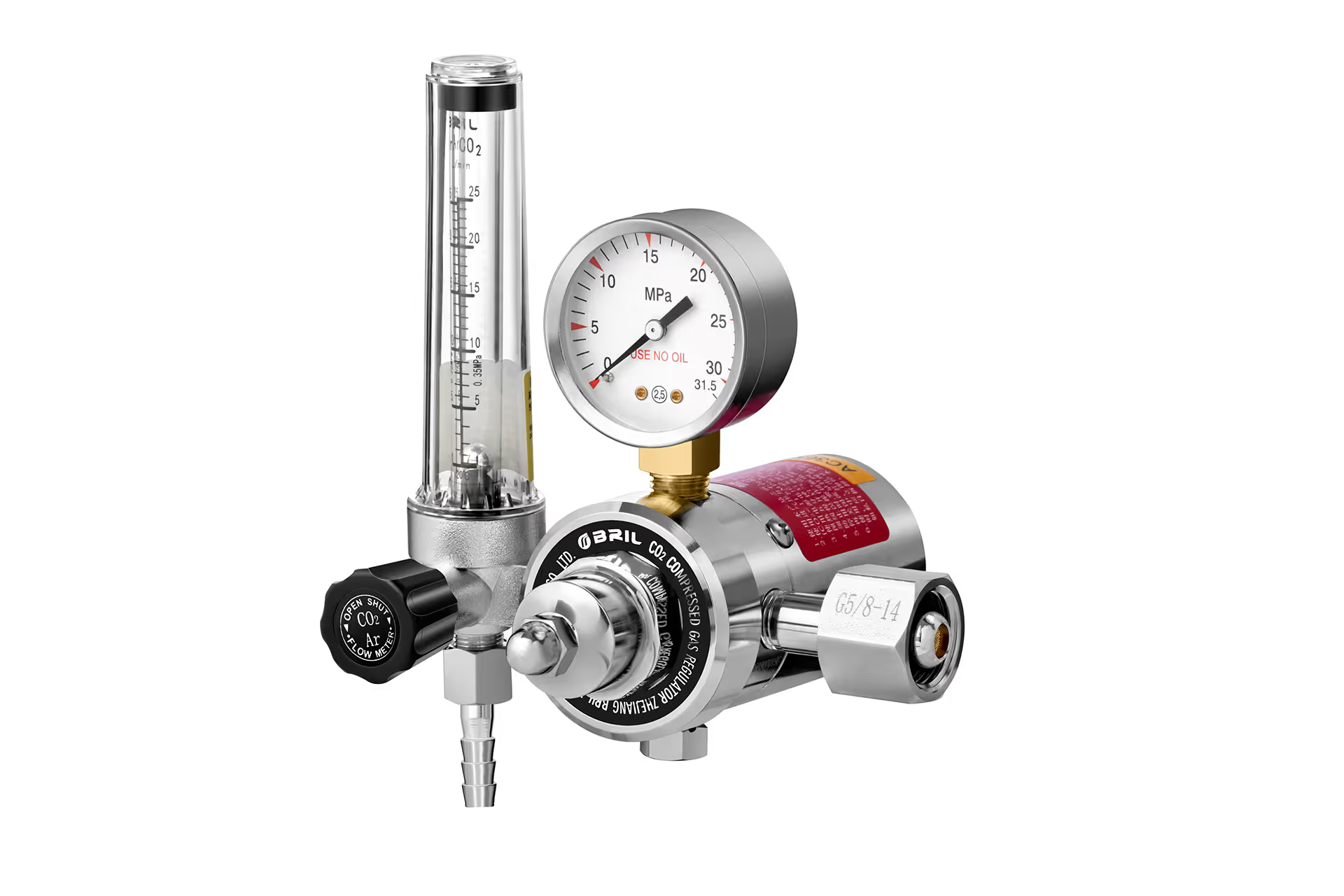
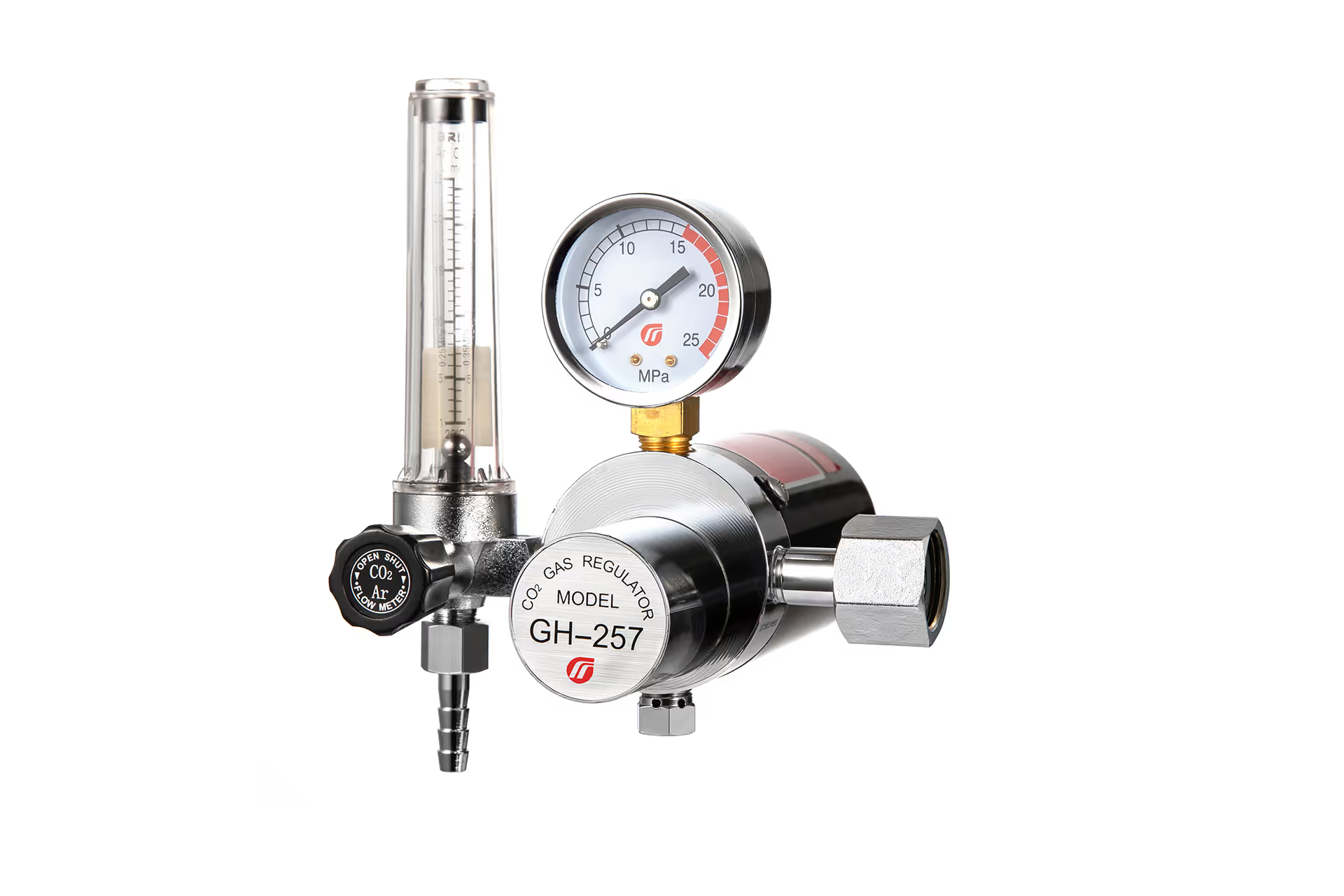
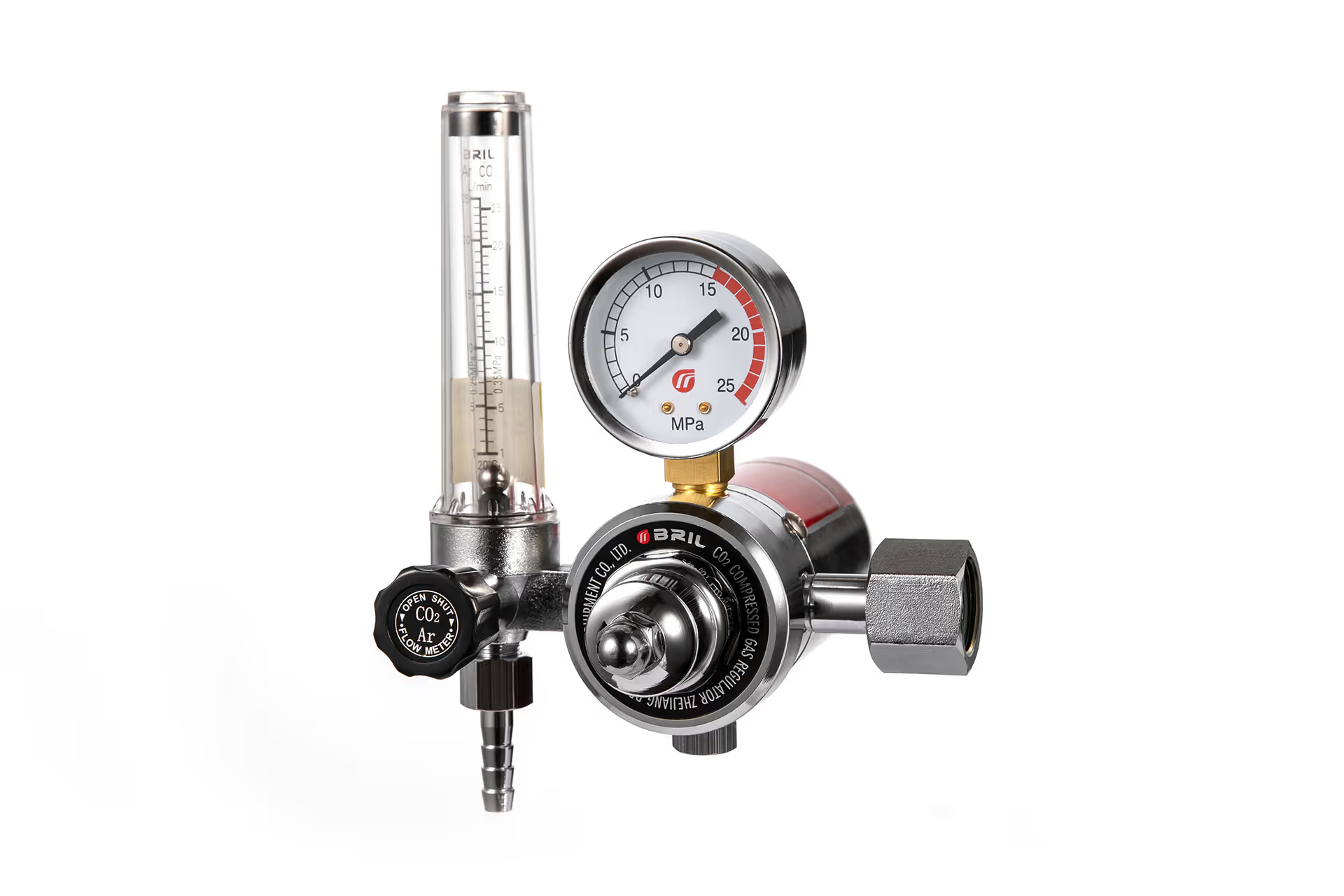
– High‑pressure inlet gauge to show cylinder pressure. [boc.co]
– Low‑pressure outlet gauge to show set working pressure. [boc.com]
– Adjusting screw or knob that compresses a spring to set outlet pressure. [pakoxygen]
In professional fabrication shops and industrial sites, oxygen regulators are often built with brass bodies, high‑accuracy seats, and strong diaphragms to deliver consistent pressure over long shifts. [boc.co]
What “Welding Regulator” Usually Means in Oxy‑Fuel
In many welding catalogs and training manuals, a “welding regulator” refers to the fuel‑gas regulator used with acetylene, propane, or other fuel gas in oxy‑fuel welding and cutting. [specialisedwelding.co]
For an oxy‑acetylene setup, that usually means:
– Acetylene regulator, designed for acetylene’s properties and safety limits. [boc.com]
– Lower recommended outlet pressures, typically under 15 psi / 1 bar because acetylene becomes unstable at higher pressures. [boc.co]
Core functions:
– Reduce cylinder or manifold pressure of acetylene to a safe, controllable working level. [boc.com]
– Keep flow stable as flame demand changes. [store.mathesongas]
– Work in tandem with the oxygen regulator to maintain the correct flame (neutral, carburizing, or oxidizing). [pakoxygen]
On multi‑gas industrial sites, the term “welding regulator” may be applied to fuel regulators for propane or LPG as well, but for oxy‑acetylene welding, the fuel side is normally acetylene. [boc.co]
Oxygen Regulator vs Welding Regulator: Core Technical Differences
From an engineering and UX perspective, the key differences fall into gas type, pressure range, internal design, safety limits, and connector standards. [boc.com]
Gas Type and Application
– Oxygen regulator:
– Used exclusively with oxygen, a strong oxidizer. [boc.co]
– Supports welding, cutting, brazing, heating, and industrial processes needing controlled oxygen flow. [boc.com]
– Welding (fuel‑gas) regulator:
– Used with acetylene or fuel gases, which are combustible and have different safety windows. [boc.co]
– Designed for lower working pressures and different flow characteristics. [boc.com]
Pressure Ranges and Safety Limits
– Oxygen regulator:
– Cylinder pressure: often up to ~200–230 bar. [boc.co]
– Outlet pressure range: can be significantly higher than acetylene regulators, depending on model (e.g., up to 10–20 bar for heavy cutting). [store.mathesongas]
– Acetylene welding regulator:
– Cylinder pressure: significantly lower than oxygen cylinders. [boc.com]
– Safe outlet pressure limit is much lower, and industry guidance warns against setting acetylene above about 15 psi (~1 bar) due to decomposition risk. [boc.co]
Materials and Design Details
Both regulators often use brass bodies and corrosion‑resistant internal parts, but oxygen regulators typically require oxygen‑compatible materials and lubricants to avoid combustion hazards. [boc.com]
Fuel‑gas regulators are tuned for:
– Lower pressure ranges. [pakoxygen]
– Flow behavior of acetylene (or propane). [store.mathesongas]
In contrast, oxygen regulators are optimized for:
– Higher inlet pressures. [boc.co]
– Stable outlet pressures across a wide range of flow demands. [pakoxygen]
Connection Standards and Color Coding
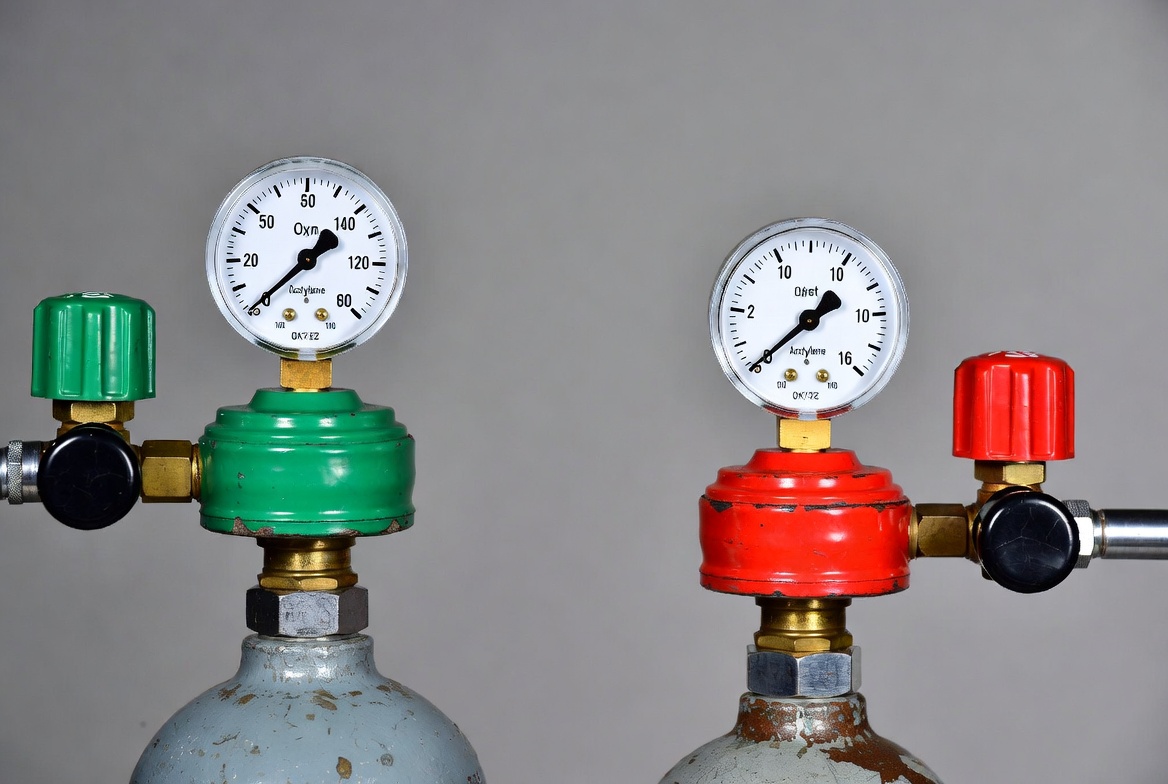
Most welding markets use different inlet/outlet connection standards and color coding for oxygen vs fuel gases to prevent dangerous mix‑ups. [boc.com]
– Oxygen:
– Often right‑hand threads and green or blue color‑coding (depending on region). [boc.co]
– Fuel gas (acetylene):
– Often left‑hand threads, fuel‑gas specific fittings, and red color‑coding. [boc.com]
This differentiation is critical for safety in multi‑gas environments. [boc.co]
Side‑by‑Side Comparison: Oxygen Regulator vs Welding Regulator
The following table summarizes the practical differences for oxy‑acetylene welding users and buyers. [boc.com]
| Aspect | Oxygen Regulator | Welding (Acetylene) Regulator |
|---|---|---|
| Primary gas | Oxygen (O₂) (boc.co) | Acetylene (C₂H₂) or fuel gas (boc.co) |
| Typical use | Oxy‑fuel welding, cutting, heating (boc.co) | Fuel supply for oxy‑acetylene welding/cutting (boc.co) |
| Inlet pressure | High, often up to 200–230 bar (boc.co) | Lower than oxygen cylinders (boc.co) |
| Outlet pressure | Medium to high, depending on torch and process (pakoxygen) | Low; safety guidance keeps it below ~15 psi (boc.co) |
| Thread direction | Typically right‑hand, oxygen‑specific (boc.co) | Often left‑hand, fuel‑gas specific (boc.co) |
| Main risk if misused | Oxygen enrichment, fire/explosion risk (boc.co) | Acetylene decomposition, backfire risk (boc.co) |
| Internal materials | Oxygen‑compatible seats, seals, lubricants (boc.co) | Optimized for fuel gas and lower pressure (pakoxygen) |
| Typical body material | Brass/forged brass with robust construction (boc.co) | Brass/forged brass, tuned for fuel gas service (boc.co) |
Why You Cannot Swap Oxygen and Welding Regulators
From both a safety and engineering perspective, oxygen regulators and welding (fuel‑gas) regulators are not interchangeable. [boc.co]
Key reasons:
– Material compatibility: Oxygen should never contact components contaminated with oil or foreign lubricants, which might be present on a fuel gas regulator. [boc.com]
– Pressure design: Fuel‑gas regulators are not built for the same high inlet or outlet pressures as oxygen regulators. [store.mathesongas]
– Thread and fitting design: National standards intentionally make fittings incompatible to prevent cross‑connection. [boc.co]
Using the wrong regulator type can cause leaks, regulator failure, flashbacks, or even cylinder explosions. [boc.com]
Expert View: Matching Regulators to Real‑World Oxy‑Acetylene Jobs
From an industry manufacturer and UX standpoint, selecting the right regulator set for oxy‑acetylene welding is about matching outlet pressure, flow stability, and safety margins to your highest‑load process. [boc.co]
Consider the following scenarios:
– Light fabrication and auto repair:
– Prioritize compact single‑stage oxygen and acetylene regulators that are easy to set and read. [specialisedwelding.co]
– Heavy cutting and gouging:
– Consider higher‑capacity oxygen regulators, possibly with dual‑stage design, to maintain stable pressure even as cylinders run down. [boc.co]
– Industrial production lines:
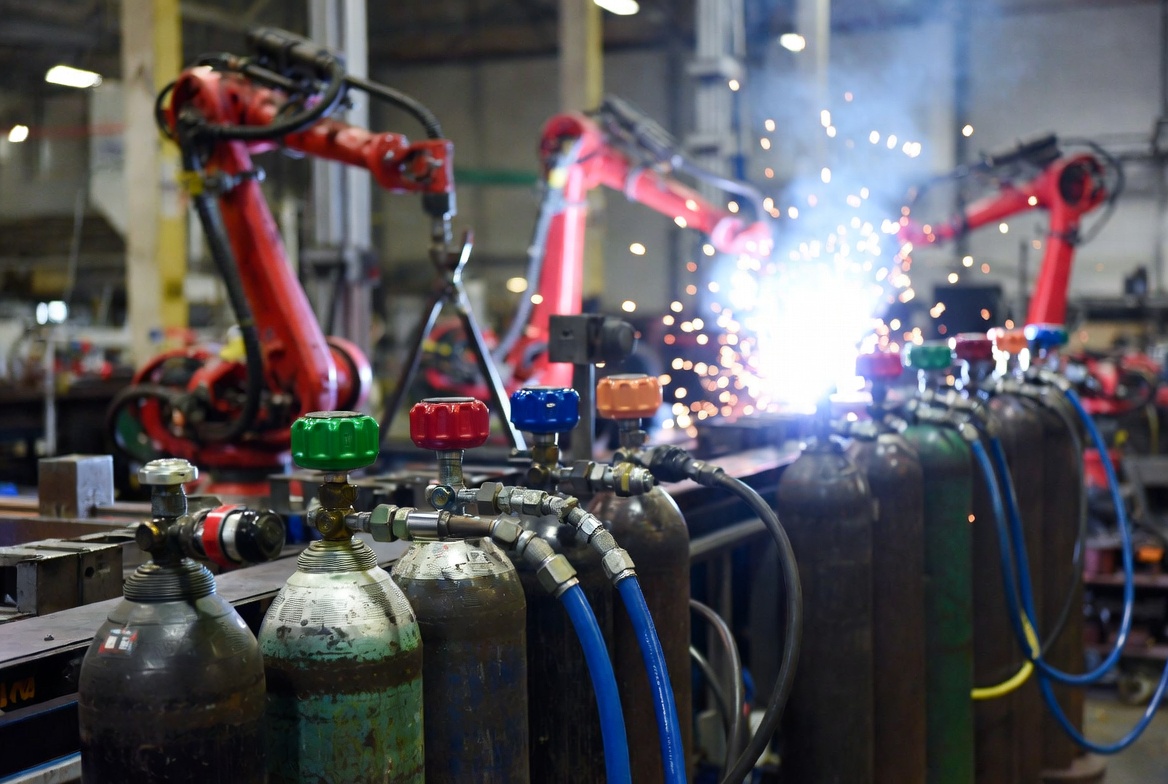
– Look for dual‑stage or precision regulators with strong long‑term stability, especially in automated cutting cells or robotic oxy‑fuel stations. [boc.co]
In all cases, pairing matched oxygen and fuel‑gas regulators from the same series improves UX for welders: the gauges read similarly, knobs feel the same, and operators quickly learn consistent settings across jobs. [boc.com]
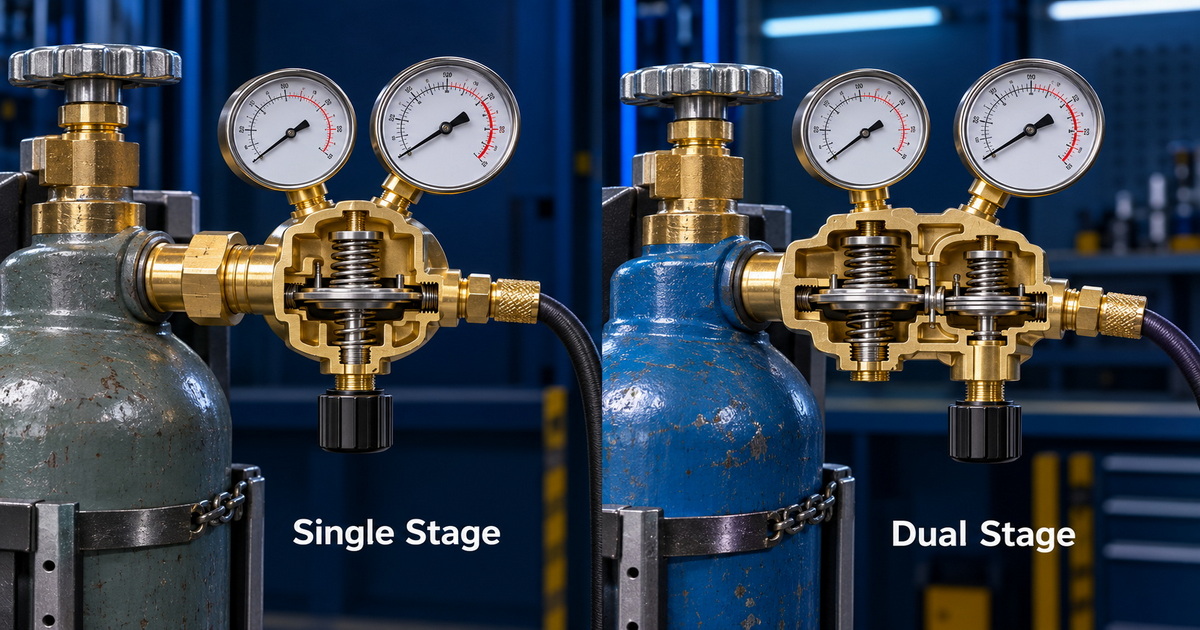
Single‑Stage vs Dual‑Stage Regulators in Oxy‑Fuel Welding
A deeper point many comparison articles ignore is whether to choose single‑stage or dual‑stage regulators for oxygen and fuel gas. [boc.co]
– Single‑stage regulators:
– Reduce cylinder pressure to working pressure in one step. [pakoxygen]
– More compact and economical, suitable for general shop work and portable kits. [specialisedwelding.co]
– Outlet pressure tends to drift more as cylinder pressure drops. [store.mathesongas]
– Dual‑stage regulators:
– Use two pressure‑reducing stages in series for very stable outlet pressure over the full cylinder life. [boc.co]
– Ideal for precision cutting, long production runs, and automated systems. [boc.co]
– Higher cost, but can reduce rework and improve cut/weld quality in demanding applications. [boc.co]
For oxygen, dual‑stage designs are particularly valuable where the flame quality must be repeatable for hours (e.g., CNC oxy‑fuel cutting tables). [boc.co]
For acetylene, single‑stage regulators are common, but high‑end setups may also use dual‑stage fuel regulators to keep the fuel side as stable as the oxygen side. [pakoxygen]
Safety Practices for Oxygen and Welding Regulators
From a manufacturer’s E‑E‑A‑T standpoint, the safest user experience with oxy‑acetylene regulators comes from consistent, simple procedures. [boc.co]
Before Opening the Cylinder
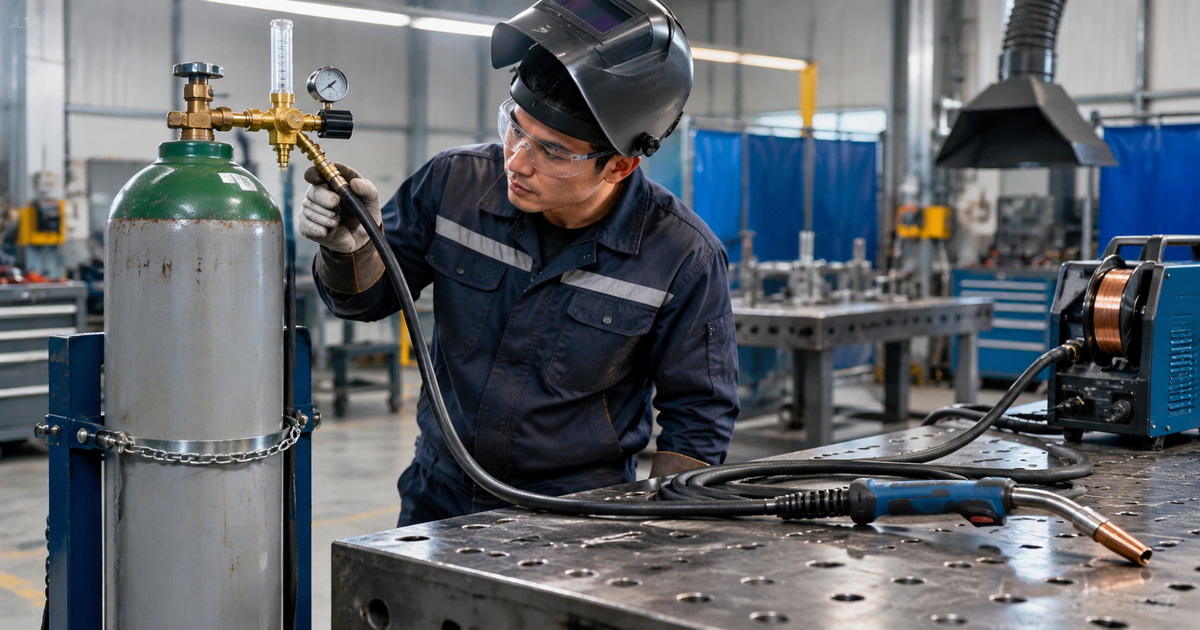
1. Ensure the correct regulator type is connected to the correct gas (oxygen vs acetylene). [boc.com]
2. Confirm threads are fully engaged and leak‑tested with approved leak‑detection solution. [boc.co]
3. Back off the regulator adjusting screw so there is no spring pressure. [store.mathesongas]
Setting Working Pressure
1. Open the cylinder valve slowly (oxygen first, then fuel gas) while watching the inlet gauge. [boc.com]
2. Turn the regulator knob to reach the required outlet pressure for your torch tip size and process. [boc.co]
3. Check that the flame remains stable under load; adjust slightly if needed. [pakoxygen]
Shutdown and Storage
– Close cylinder valves first, then bleed pressure through the torch, and finally back off regulator adjustments to protect springs and seats. [boc.com]
– Store regulators dry and clean; keep oxygen regulators separate from any sources of oil or grease. [boc.co]
These steps directly reduce the risk of backfire, flashback, and regulator damage in daily operations. [boc.com]
OEM and ODM Considerations for Oxygen and Welding Regulators
If you are an overseas brand, wholesaler, distributor, or welding equipment manufacturer, the oxygen regulator vs welding regulator decision is also a product strategy decision. [specialisedwelding.co]
Important factors when specifying or sourcing:
– Target standards and approvals (e.g., regional gas codes and safety norms). [boc.co]
– Market‑specific connection types and color codes to match local expectations and prevent misuse. [boc.com]
– Material choices: high‑purity brass, robust diaphragms, and oxygen‑compatible internal components for better durability and safety. [boc.co]
– Dual‑stage options for professional and industrial product lines where pressure stability is a selling point. [boc.co]
A precise, stable regulator line with strong QC and customization options can become a competitive differentiator for welding brands in mature markets. [specialisedwelding.co]
Practical Selection Checklist for Oxy‑Acetylene Regulators
When deciding between different oxygen regulators and welding (fuel‑gas) regulators for oxy‑acetylene welding, use this checklist:
– Gas type
– Confirm oxygen vs acetylene and ensure regulators are dedicated to each gas. [boc.com]
– Required working pressure and flow
– Match regulator capacity to the largest torch tip and thickest material you plan to cut or weld. [store.mathesongas]
– Duty cycle and usage pattern
– Occasional repair welding may justify single‑stage regulators; continuous production may require dual‑stage. [boc.co]
– Environment
– For harsh industrial conditions, look for rugged brass bodies, reinforced gauges, and protective guards. [boc.co]
– Compatibility
– Ensure connection types, pressure ranges, and safety devices align with local standards and existing equipment. [boc.com]
Following this checklist helps welding shops, distributors, and OEM buyers standardize on safe, high‑performance regulator combinations for oxy‑acetylene applications. [boc.co]
Call to Action: Specify the Right Regulator Set for Your Market
If you are planning or updating an oxy‑acetylene product line, now is the ideal time to review whether your oxygen regulator and welding regulator portfolio truly matches your customers’ real‑world workloads and safety expectations. [specialisedwelding.co]
Define your key use cases—light repair, heavy cutting, automated production—and then specify matched oxygen and fuel regulators with the correct pressure ranges, dual‑stage options, and connection standards for your target regions. [pakoxygen]
A well‑engineered regulator set is not only safer; it also improves weld quality, operator confidence, and long‑term brand reputation in competitive welding markets. [specialisedwelding.co]
FAQs: Oxygen Regulator vs Welding Regulator
Q1. Can I use a welding (acetylene) regulator on an oxygen cylinder?
A1. No. Oxygen and fuel‑gas regulators are designed for different pressures, materials, and fittings, and using them interchangeably is dangerous. [boc.com]
Q2. Why is acetylene outlet pressure kept below about 15 psi?
A2. At higher pressures, acetylene can decompose explosively, so industry guidance keeps working pressure below roughly 15 psi for safety. [boc.co]
Q3. Do I need dual‑stage regulators for oxy‑acetylene welding?
A3. For light to medium shop work, single‑stage regulators are usually sufficient; dual‑stage designs are recommended for long, high‑precision or automated operations. [boc.co]
Q4. How often should oxygen and welding regulators be serviced?
A4. Service intervals depend on usage and local regulations, but regular inspection, leak testing, and periodic professional servicing are recommended in industrial environments. [boc.com]
Q5. What are the main signs that a regulator should be replaced?
A5. Signs include unstable outlet pressure, visible damage, leaking connections, sticking gauges, or inability to hold set pressure during operation. [store.mathesongas]
References
1. BOC – Industrial Gas Regulators Overview. https://www.boc.com.au/shop/en/au/gas-welding-heating-cutting-brazing/industrial-gas-regulators/1000
2. BOC – Industrial Gas Regulators (NZ). https://www.boc.co.nz/shop/en/nz/gas-welding-heating-cutting-brazing/gas-regulator/industrial-gas-regulators
3. BOC – Dual Stage Specialty Gas Regulators. https://www.boc.co.nz/shop/en/nz/gas-regulator/dual-stage-specialty-gas-regulators
4. Specialised Welding Products – Gas Regulators & Flowmeters. https://specialisedwelding.co.uk/collections/gas-regulators
5. Presscon – Regulators and Gas Equipment. https://www.presscon.co.nz/shop/regulators
6. Matheson – Specialty Gas Equipment Regulators. https://store.mathesongas.com/regulators/
Hot Tags: Oxygen Regulator, Welding Regulator, Oxy Acetylene Welding, Industrial Gas Regulators, Dual Stage Gas Regulator, B2B Welding Equipment, OEM Gas Regulator Supplier, Gas Pressure Control, Acetylene Regulator, Oxygen Cutting Equipment