Content Menu
● Understanding High-Temperature Copper Brazing
● What Is an Acetylene Gas Pressure Regulator?
● What Is an Industrial Pressure Regulator?
● Acetylene vs Industrial Regulator: Key Design Differences
● Why Acetylene Regulators Matter for High-Temperature Brazing
● Where General Industrial Regulators Are Essential in Brazing
● Dual-Stage Regulators: When Precision Is Non‑Negotiable
● Expert View: Matching Regulator Type to Brazing Method
● Safety and Compliance Considerations
● Practical Selection Guide for Plant Engineers
● OEM & ODM Opportunities for Regulators in Brazing Systems
● How to Evaluate Regulator Performance on the Shop Floor
● Best Practices for Long-Term Reliability
● Call to Action: Build a Stable Brazing Gas System
● FAQs
Acetylene gas pressure regulators and general industrial pressure regulators both control gas flow and pressure, but they are engineered for very different risks, temperature profiles, and gas characteristics in high‑temperature copper brazing. [boc.co]
Understanding High-Temperature Copper Brazing
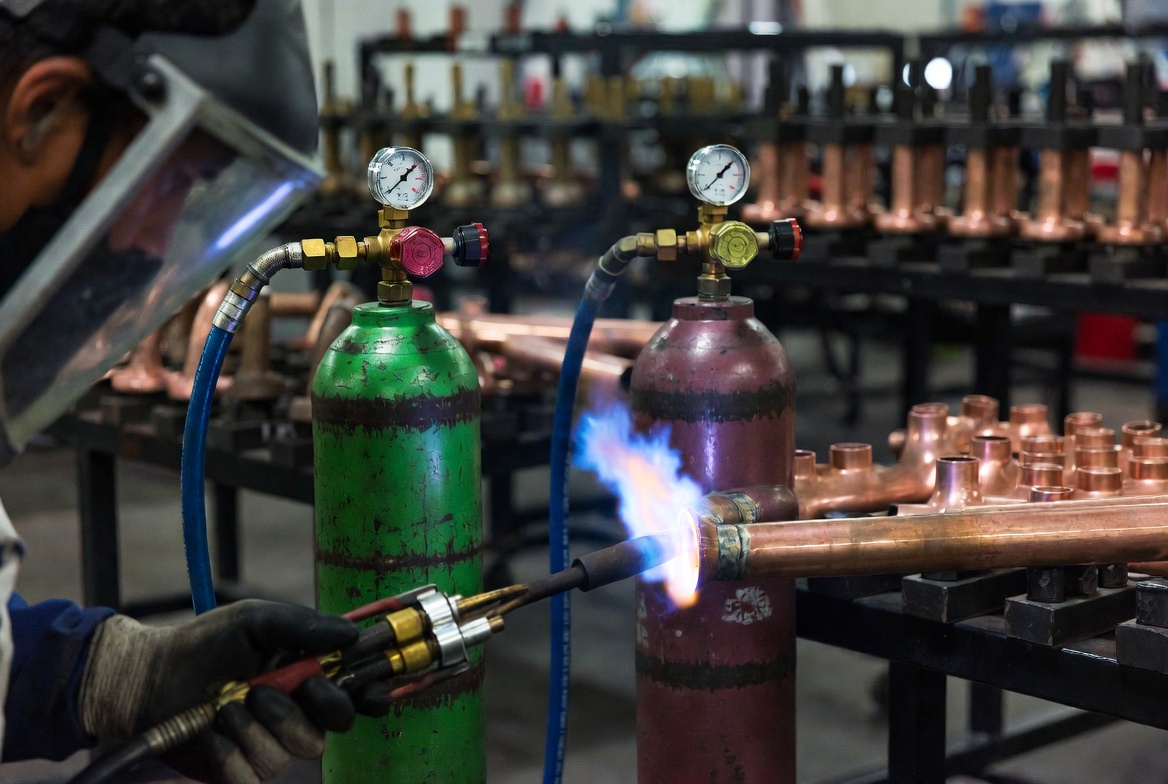
High‑temperature copper brazing typically runs above 600–800 °C, often using oxy‑fuel flames (commonly oxy‑acetylene) to achieve fast, localized heating and strong joints. In this environment, the stability and precision of the gas regulator directly influence flame temperature, brazing speed, filler flow, and joint integrity. [boc.com]
What Is an Acetylene Gas Pressure Regulator?
An acetylene gas pressure regulator is a pressure‑reducing device specifically designed for acetylene cylinders, with internal materials, safety features, and flow curves optimized for acetylene’s chemistry and decomposition risks. These regulators are typically used in oxy‑acetylene systems for welding, cutting, brazing, and heating. [boc.co]
Acetylene regulators usually have:
– A connection type conforming to national/ISO standards for acetylene. [boc.co]
– Pressure ranges that limit outlet pressure to safe levels (commonly below 1.5 bar / ~15–20 psi for many torch applications). [boc.com]
– Flame arrest and relieved construction to reduce the risk of backfire and decomposition. [pakoxygen]
In high‑temperature copper brazing, the acetylene regulator is the foundation for a stable, high‑BTU flame with a controllable reducing or neutral profile. [boc.com]
What Is an Industrial Pressure Regulator?
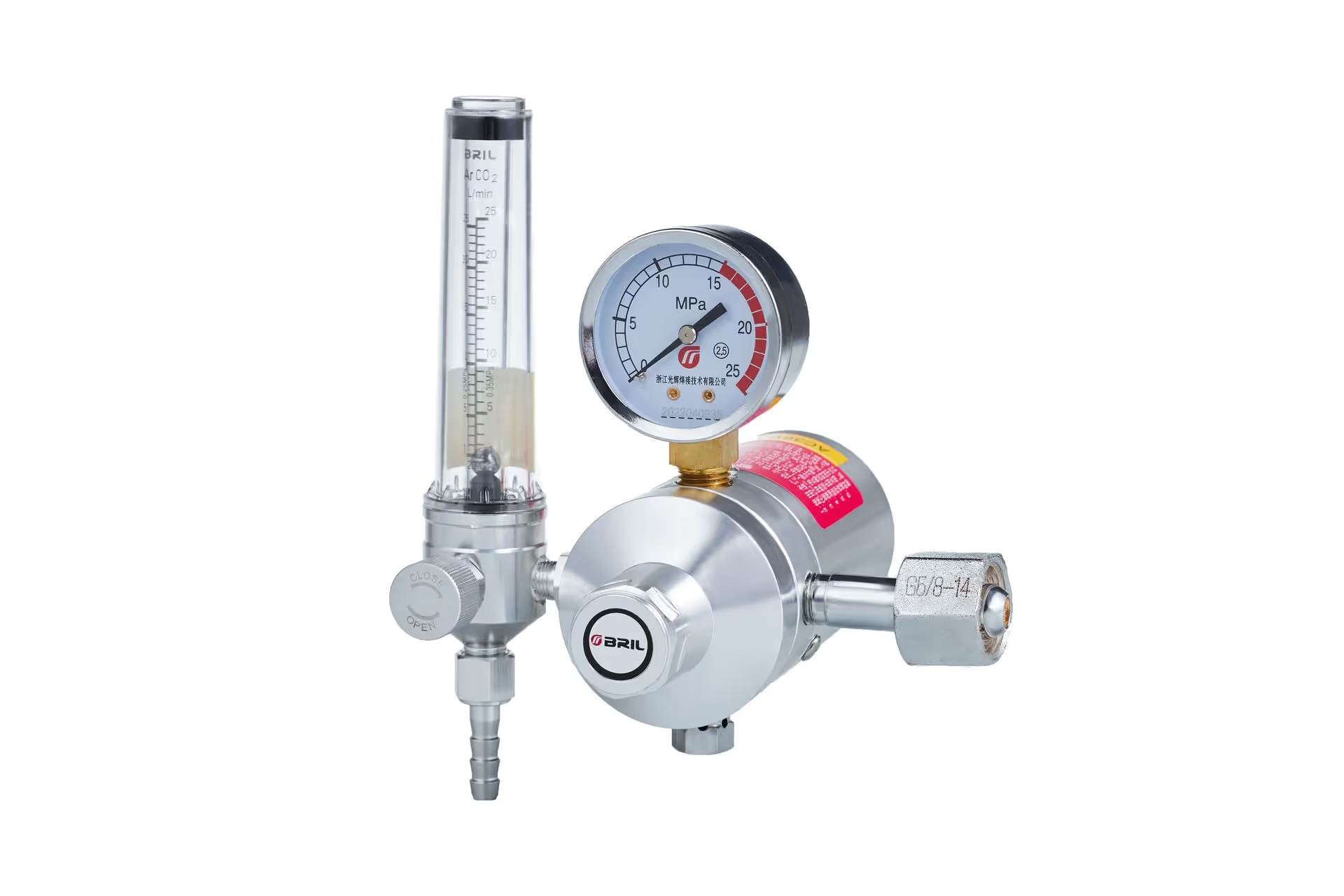
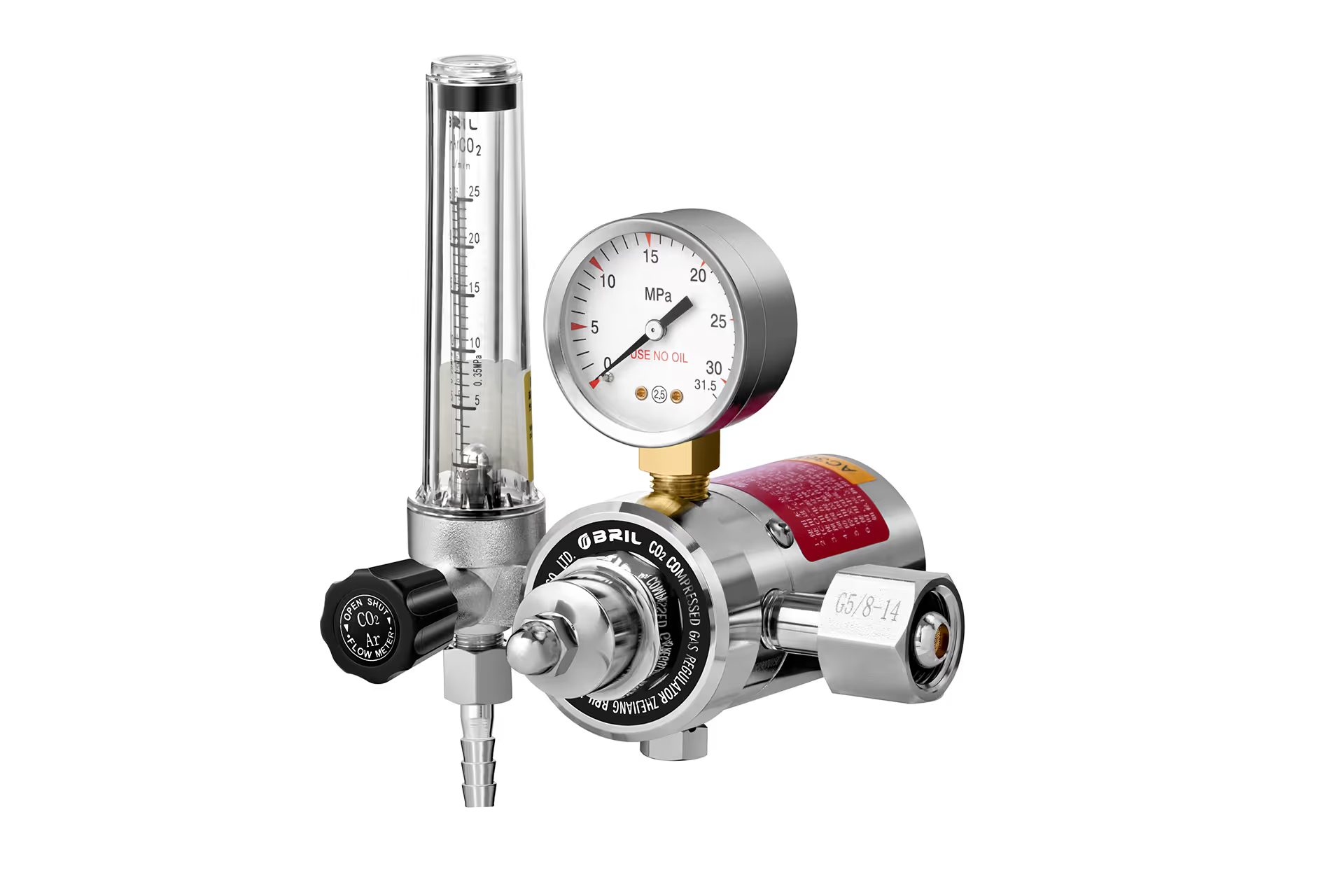
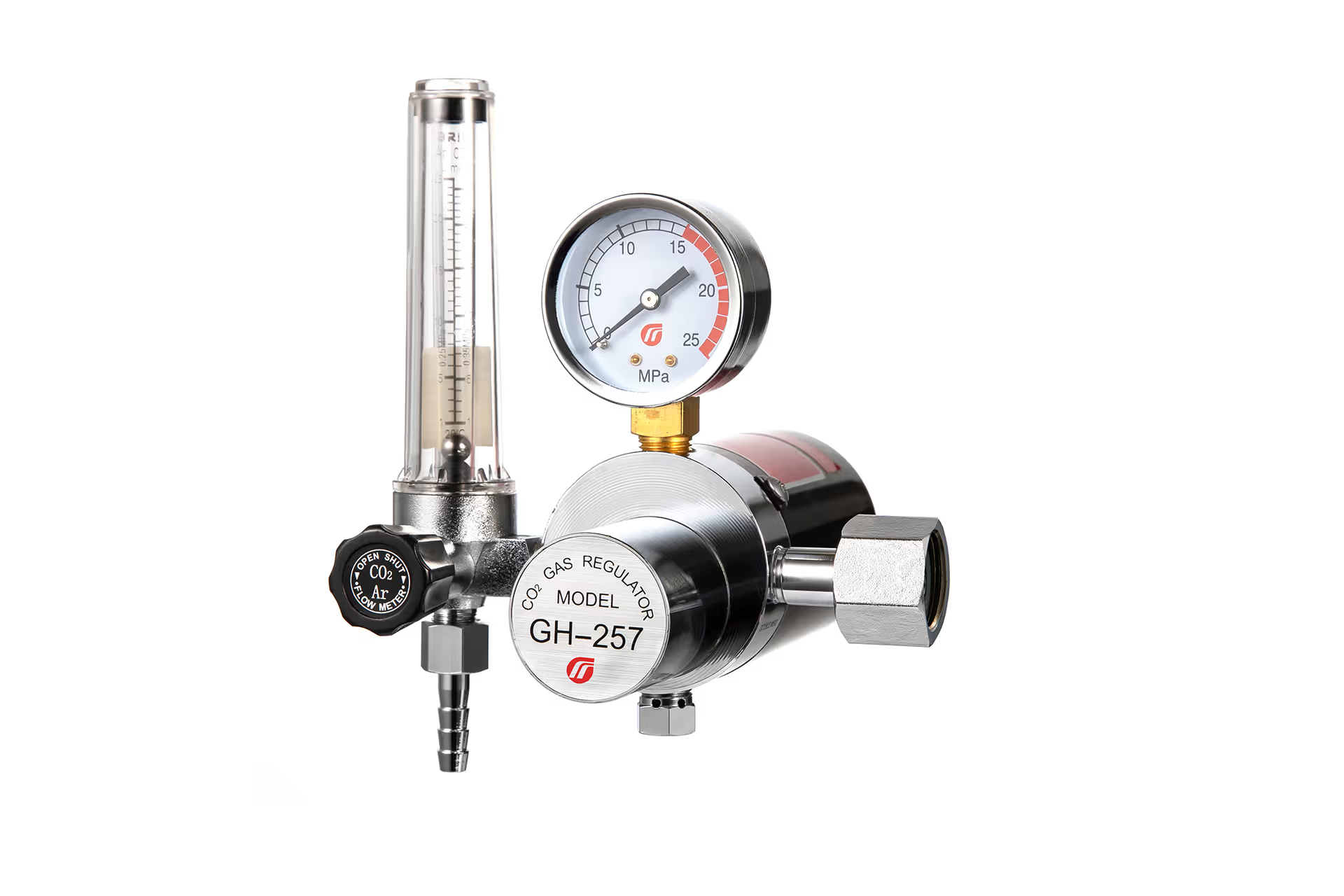
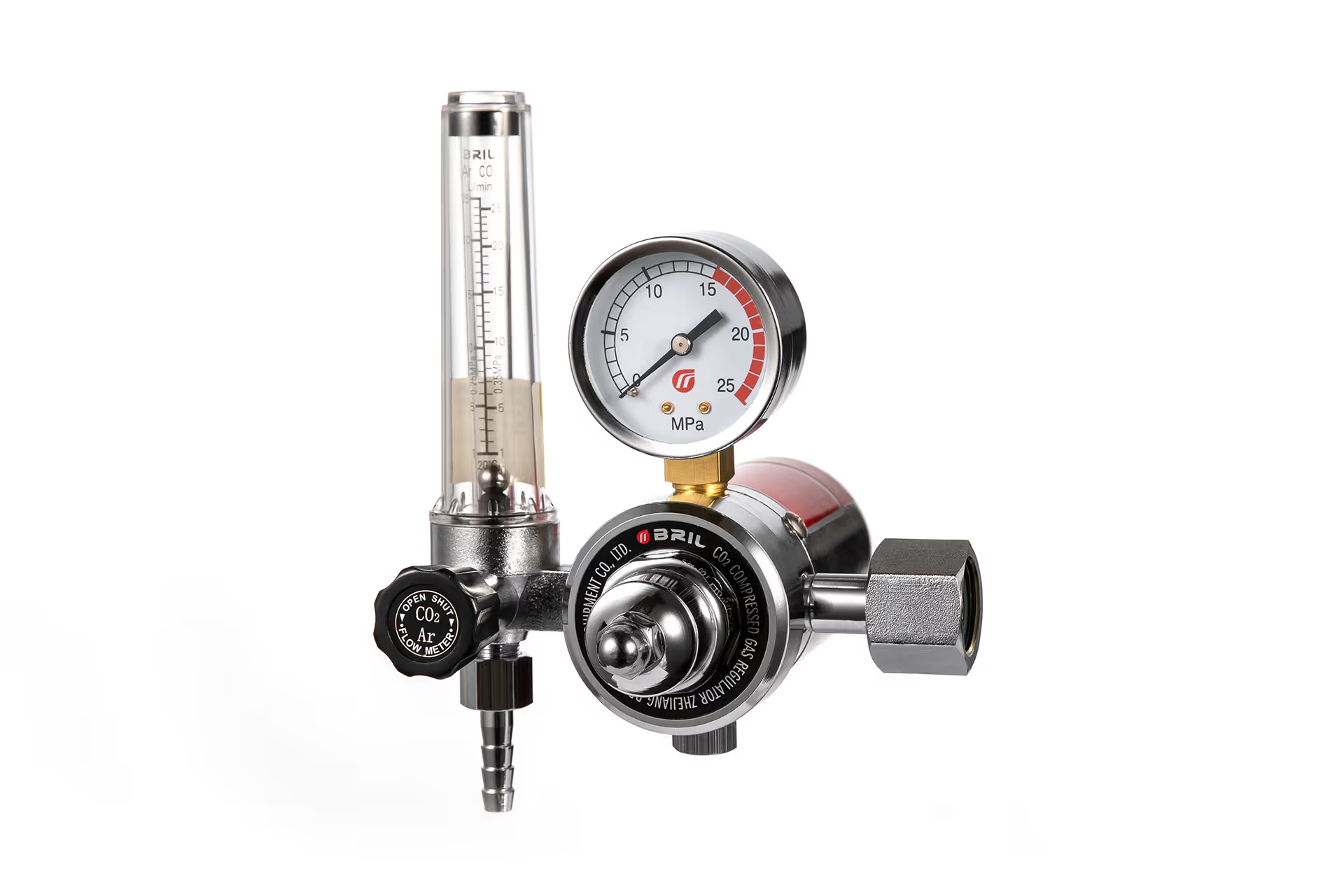
An industrial pressure regulator is a broader category that includes regulators for oxygen, nitrogen, propane, CO₂, argon, LPG, and mixed gases used across welding, cutting, heating, test benches, and general plant utilities. These units may be single‑stage or dual‑stage, and they are engineered to manage a wide range of inlet pressures and flow conditions in industrial environments. [boc.co]
Industrial regulators vary by:
– Gas type (oxygen, argon, nitrogen, propane, CO₂, specialty gases). [store.mathesongas]
– Application (welding and cutting, shielding gas for MIG/TIG, process control, laboratory gases). [boc.com]
– Design (single‑stage for general use, dual‑stage for high stability and critical applications). [boc.co]
For copper brazing, industrial regulators are commonly used on oxygen cylinders, propane or natural gas lines, nitrogen purging systems, and sometimes CO₂ or nitrogen for post‑braze cooling or leak testing. [boc.co]
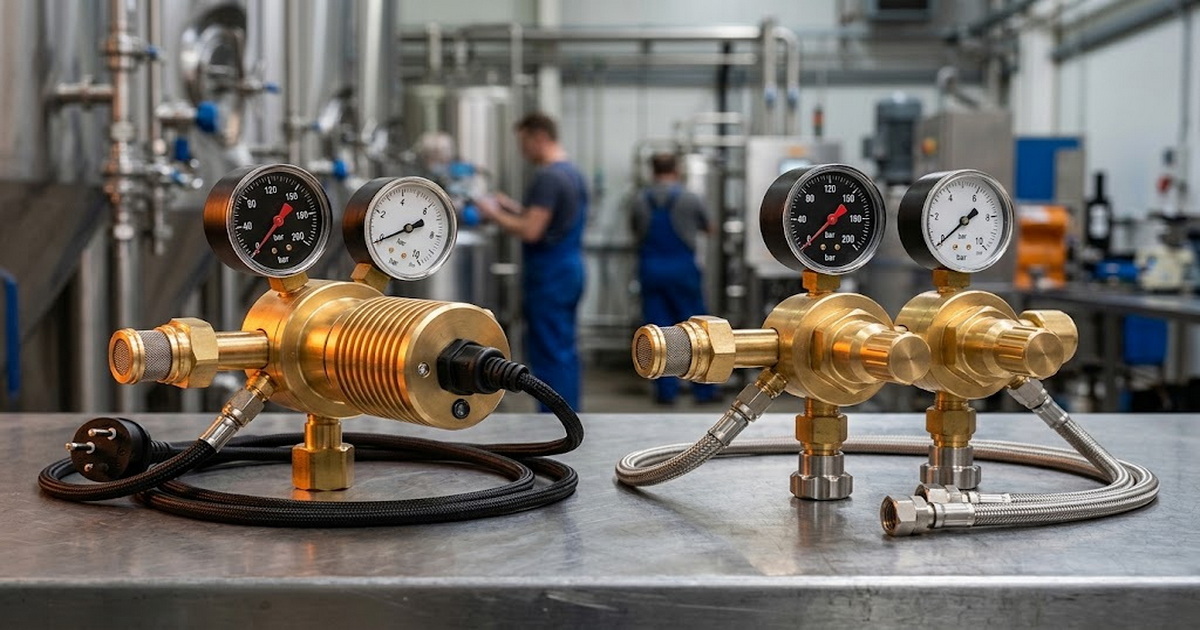
Acetylene vs Industrial Regulator: Key Design Differences
Below is a high‑level comparison focused on high‑temperature copper brazing:
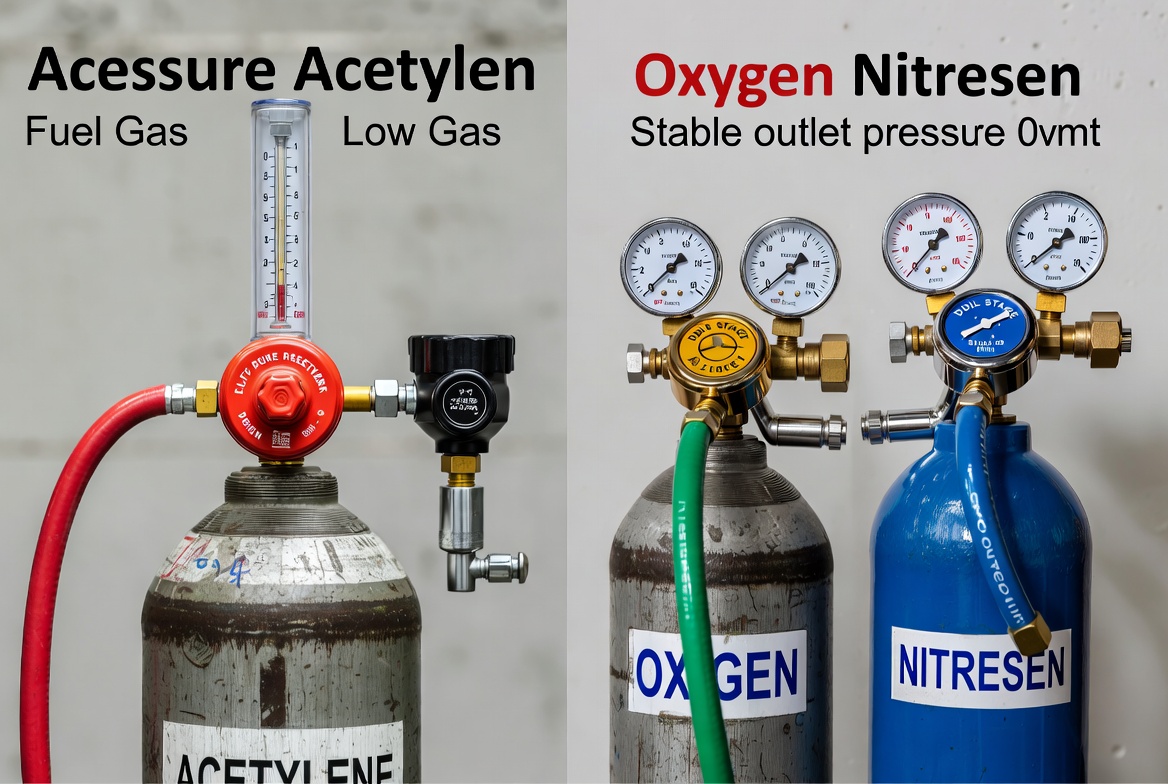
| Feature / Aspect | Acetylene Gas Pressure Regulator | Industrial Pressure Regulator (O₂ / Propane / N₂) |
|---|---|---|
| Primary gas | Acetylene (C₂H₂) fuel gas for brazing and cutting (boc.co) | Oxygen, nitrogen, propane, CO₂, argon, mixed gases (boc.co) |
| Safety focus | Prevent acetylene decomposition, control outlet pressure tightly (boc.co) | Handle high inlet pressure, avoid contamination, maintain stable delivery (boc.co) |
| Typical use in copper brazing | Torch fuel side in oxy‑acetylene systems (boc.co) | Oxygen side of torch, purge line, shielding or process gas (boc.com) |
| Construction materials | Brass body with internal parts compatible with acetylene and fuel gas (pakoxygen) | Brass or stainless, selected per gas (oxygen‑clean for O₂, LPG‑compatible seals, etc.) (boc.co) |
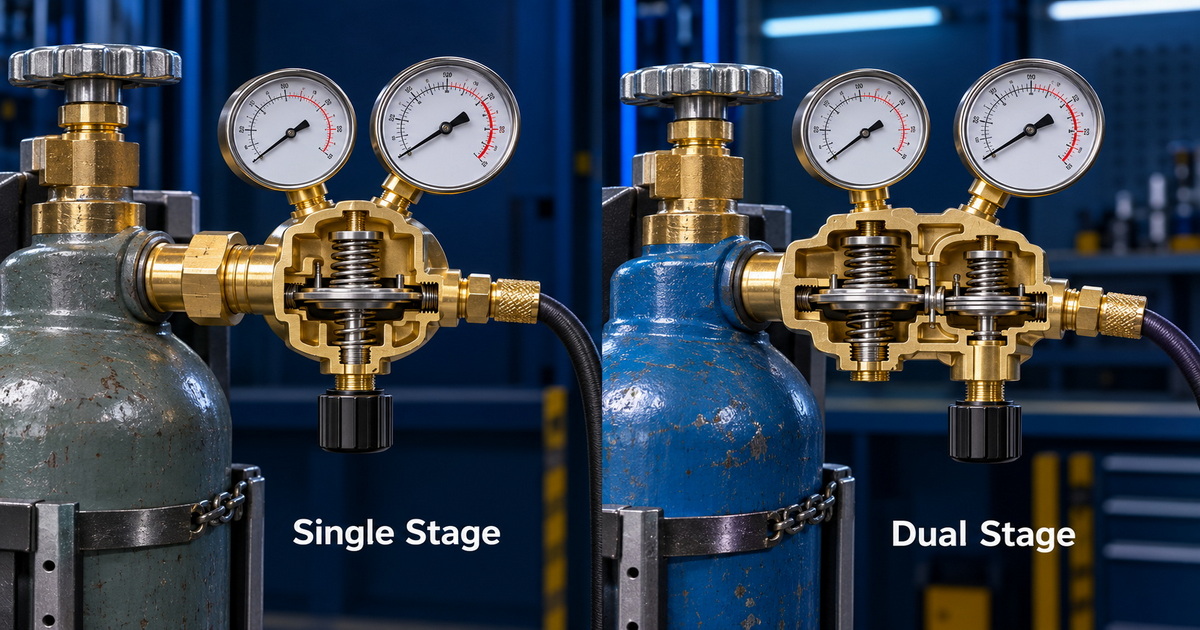
| Pressure stages | Single‑stage common; dual‑stage for premium torch stability (pakoxygen) | Both single‑stage and dual‑stage widely used in critical processes (boc.co) |
| Risk profile | Backfire, flashback, decomposition at high pressure/temperature (boc.co) | Oxidation (for O₂), contamination, over‑pressurization, leakage (boc.co) |
In practice, a professional copper‑brazing system usually combines a dedicated acetylene regulator on the fuel side with one or more industrial regulators for oxygen and supporting gases. [boc.com]
Why Acetylene Regulators Matter for High-Temperature Brazing
From an engineering and user perspective, acetylene regulators determine flame quality and process reliability in copper brazing. A correctly specified regulator provides: [boc.co]
– Stable outlet pressure: Minimizes flame flicker and keeps temperature consistent as cylinder pressure drops. [pakoxygen]
– Predictable flow curve: Ensures that torch adjustments correspond linearly to heat output, helping operators maintain a consistent brazing window. [boc.co]
– Enhanced safety: Internal design helps protect against flashback and reduces the risk of acetylene decomposition caused by over‑pressurization. [pakoxygen]
For OEMs and plant engineers, this stability translates into repeatable braze fillet size, controlled heat‑affected zone, and lower rework and leakage rates in copper assemblies. [boc.com]
Where General Industrial Regulators Are Essential in Brazing
While the acetylene regulator governs the fuel side, industrial regulators manage the rest of the gas ecosystem around high‑temperature brazing. Typical roles include: [boc.co]
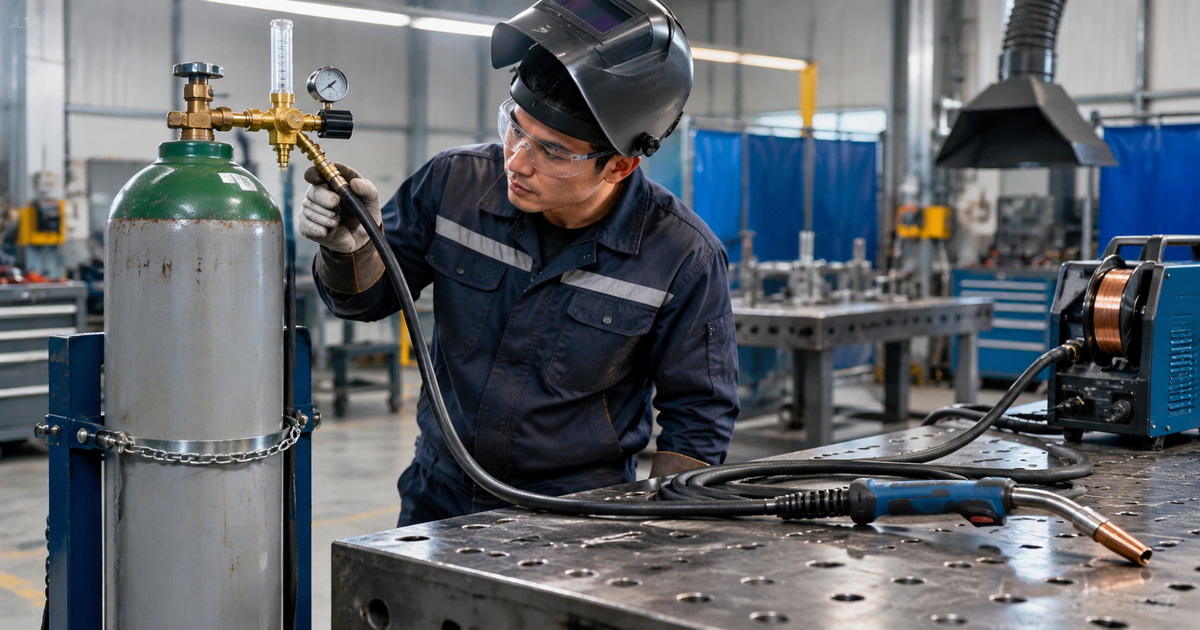
– Oxygen regulators: Paired with acetylene regulators for oxy‑fuel torches, ensuring the correct O₂ flow and pressure to achieve the desired flame chemistry and brazing temperature. [boc.co]
– Propane or LPG regulators: Used in oxy‑propane systems or for pre‑heating applications where lower flame temperature or cost efficiency is acceptable. [boc.com]
– Nitrogen / argon regulators: Control purge or shielding gas for internal passages in copper heat exchangers or refrigeration coils to reduce oxidation and internal scale. [boc.com]
In each case, industrial regulators must be matched to gas compatibility, expected flow rate, and the downstream equipment (torch, burner, or purge manifold). [boc.co]
Dual-Stage Regulators: When Precision Is Non‑Negotiable
For high‑value brazed assemblies, many manufacturers specify dual‑stage industrial gas regulators on oxygen or inert gas lines. These regulators reduce pressure in two steps, delivering: [boc.co]
– Very stable outlet pressure even as cylinder pressure falls. [boc.co]
– Reduced need for operator readjustment during long brazing runs. [store.mathesongas]
– Better control of flame temperature and brazing atmosphere, especially in critical joints. [pakoxygen]
In copper brazing cells that run multiple shifts, dual‑stage regulators can directly support process capability (Cp/Cpk) by narrowing variation in heat input and gas flow. [store.mathesongas]
Expert View: Matching Regulator Type to Brazing Method
From an industry‑expert standpoint, you should start with the brazing method and joint criticality, then work backwards to regulator selection. [pakoxygen]
For typical manual copper brazing with oxy‑acetylene torches:
– Use a dedicated acetylene gas pressure regulator matched to your cylinder standard and torch flow range. [boc.co]
– Pair it with a high‑quality oxygen industrial regulator, preferably dual‑stage for consistent pressure during long runs or production work. [boc.co]
For semi‑automated or furnace‑assisted brazing systems where copper components are pre‑heated by flames and then heated in controlled chambers:
– Consider industrial regulators on natural gas/propane and oxygen lines feeding burners or ribbon flames. [boc.com]
– Use precision nitrogen or argon regulators for purging internal channels and controlling oxidation in multi‑tube copper assemblies. [boc.com]
In both scenarios, an acetylene regulator is specialized for fuel safety and flame energy, while industrial regulators build the broader gas control framework around the process. [pakoxygen]
Safety and Compliance Considerations
For high‑temperature copper brazing, regulators must not only perform but also comply with relevant standards and best practices. [boc.co]
Key points include:
– Gas‑specific connections and markings to prevent cross‑connection of oxygen, fuel, and inert gases. [boc.com]
– Materials and cleaning for oxygen service, avoiding oils and contaminants in oxygen regulators and fittings. [store.mathesongas]
– Regular inspection and replacement of regulators that show creep, leakage, or damaged gauges. [pakoxygen]
Professional manufacturers, OEMs, and distributors typically align products with ISO, EN, or regional standards and supplement them with internal quality control such as 100% leak testing and endurance cycling. [store.mathesongas]
Practical Selection Guide for Plant Engineers
When specifying between an acetylene gas pressure regulator and a broader industrial pressure regulator set‑up for copper brazing, consider:
1. Brazing fuel strategy
– Oxy‑acetylene systems: Require a gas‑specific acetylene regulator and an oxygen industrial regulator. [boc.co]
– Oxy‑propane or oxy‑LPG systems: Use industrial fuel gas regulators approved for LPG, plus oxygen regulators. [boc.com]
2. Process criticality and volume
– Job‑shop or maintenance brazing: High‑quality single‑stage regulators may be sufficient. [pakoxygen]
– High‑volume OEM production: Dual‑stage regulators and tighter pressure stability can justify the investment. [boc.co]
3. Quality and failure cost
– If joint failure leads to leakage, field returns, or safety issues, the combination of dedicated acetylene regulators plus precision industrial regulators becomes a small cost compared to rework and warranty risk. [store.mathesongas]
By treating regulators as process‑critical components rather than consumables, you support consistent brazing quality and safer operations. [boc.com]
OEM & ODM Opportunities for Regulators in Brazing Systems
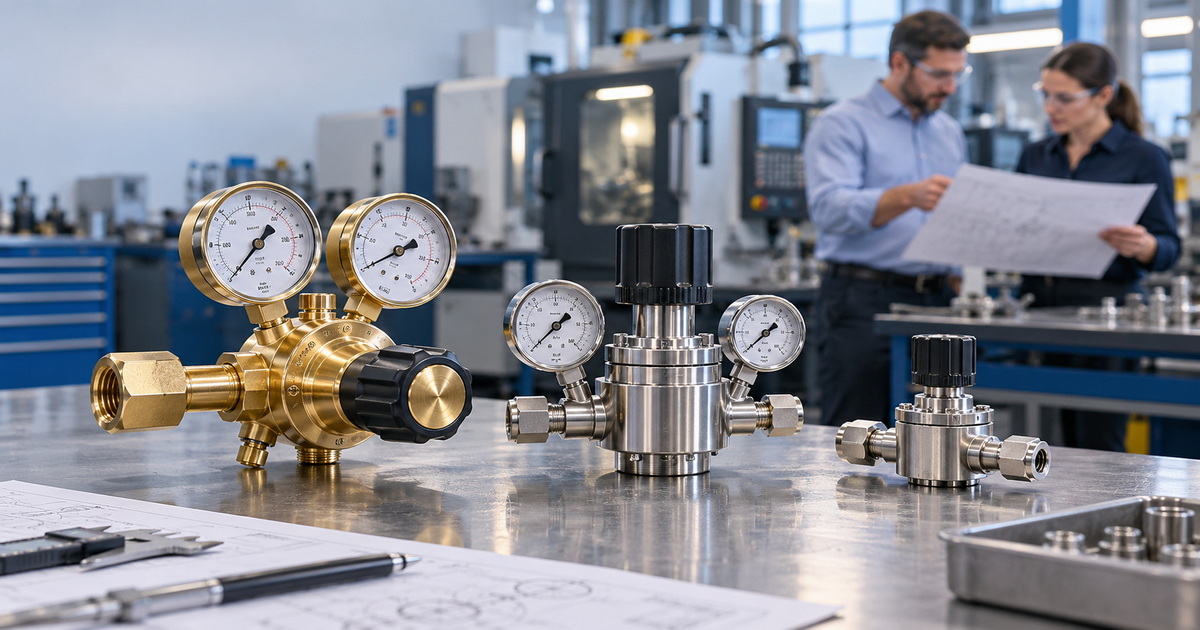
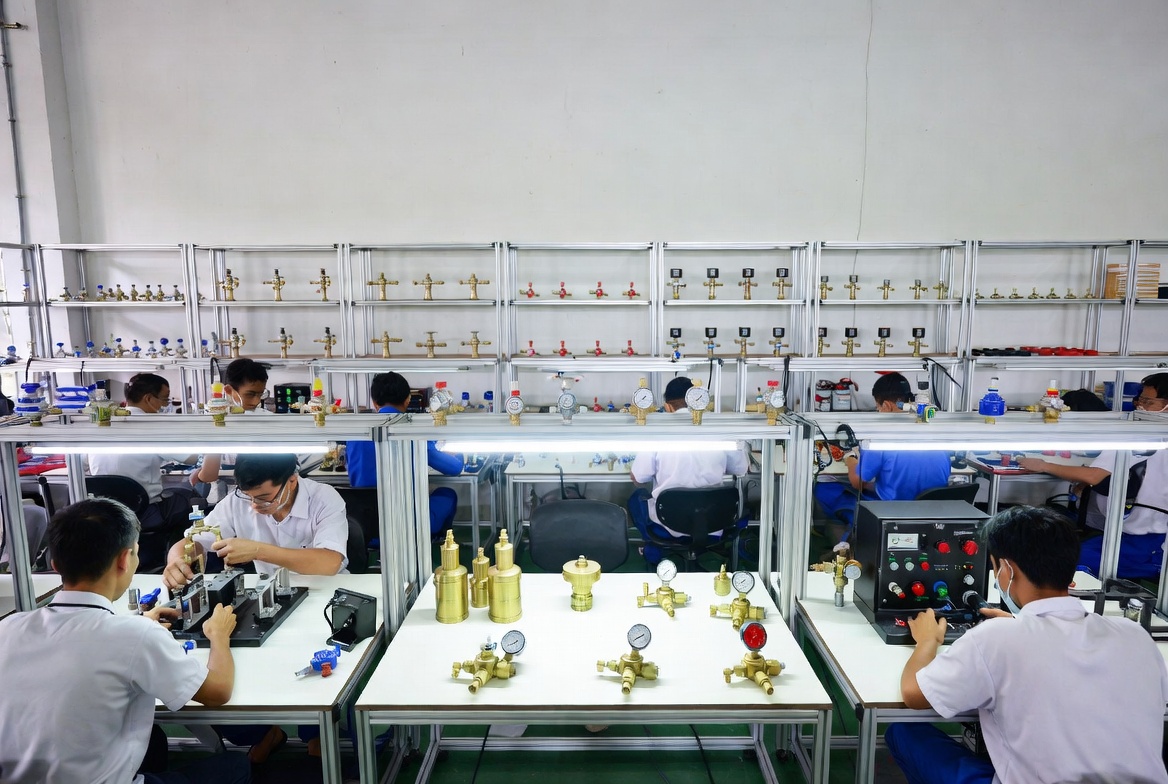
For overseas brands, wholesalers, and equipment manufacturers, partnering with a specialized gas regulator OEM/ODM enables customized solutions aligned with copper brazing requirements. Typical customization options include: [store.mathesongas]
– Gas portfolio: Acetylene, oxygen, nitrogen, propane, CO₂, argon, and dual‑stage industrial configurations. [store.mathesongas]
– Application‑specific calibration: Flow ranges and pressure settings tailored to brazing torches, manifolds, or automated burners. [boc.co]
– Materials and surface finishes: High‑quality brass bodies, robust diaphragms, and corrosion‑resistant components for harsh shop environments. [pakoxygen]
This allows system integrators and private‑label brands to offer complete high‑temperature brazing gas control packages instead of standalone hardware, improving differentiation and customer loyalty. [store.mathesongas]
How to Evaluate Regulator Performance on the Shop Floor
From a user‑experience standpoint, your brazing operators will immediately feel the difference between a well‑designed regulator set‑up and a low‑grade one. [pakoxygen]
You can evaluate performance using simple, everyday criteria:
– Flame stability: Flame remains consistent during long heating cycles, without surging when the torch valve is opened or closed. [boc.co]
– Pressure drift: Outlet pressure stays within a narrow band as the cylinder empties, especially with dual‑stage units. [boc.co]
– Ease of adjustment: Pressure knobs offer smooth, predictable control, and gauges are easy to read at a glance. [pakoxygen]
When operators spend less time “chasing the flame” and more time focusing on filler placement and joint cleanliness, overall brazing quality improves. [boc.com]
Best Practices for Long-Term Reliability
To keep both acetylene and industrial regulators performing reliably in high‑temperature copper brazing environments, implement a basic maintenance and replacement strategy. [store.mathesongas]
Recommended practices include:
– Scheduled inspections for leaks, damaged gauges, cracked lenses, and worn threads. [pakoxygen]
– Functional checks to detect regulator creep or unstable outlet pressure before a production shift. [boc.co]
– Planned replacement cycles based on usage hours or years in service, especially in high‑duty brazing cells. [store.mathesongas]
Combining quality regulator design with disciplined maintenance is one of the most cost‑effective ways to stabilize brazing performance over the long term. [boc.co]
Call to Action: Build a Stable Brazing Gas System
If you are designing or upgrading a high‑temperature copper brazing line, now is the time to review your entire gas control architecture—from acetylene and oxygen regulators at the cylinders to nitrogen or argon regulators on purge lines. By working with a professional manufacturer that specializes in CO₂, argon, oxygen, acetylene, propane, nitrogen, and dual‑stage industrial gas regulators, you can align regulator selection with your brazing method, quality targets, and safety requirements. [boc.com]
For OEM and ODM projects, consider partnering with a regulator supplier that offers precision manufacturing, high‑quality brass construction, strict quality inspection, and customized industrial gas control solutions for welding, cutting, and brazing applications. A technical review of your brazing process, joint design, and gas mix is often the fastest way to unlock more stable production and lower total cost of quality. [store.mathesongas]
FAQs
Q1: Can I use a general industrial regulator on an acetylene cylinder for copper brazing?
A: No, regulators should always be gas‑specific; acetylene regulators are designed for acetylene’s unique safety and pressure requirements and must not be substituted with general industrial regulators. [boc.co]
Q2: When should I upgrade from single‑stage to dual‑stage regulators?
A: Dual‑stage regulators are recommended when you run long brazing cycles, have strict temperature and quality limits, or want to minimize operator readjustment as cylinders empty. [boc.co]
Q3: Do nitrogen or argon regulators really affect copper brazing quality?
A: Yes, for assemblies with internal passages, controlled nitrogen or argon purge reduces oxidation and scale, supporting cleaner internal surfaces and better overall system reliability. [boc.com]
Q4: How often should regulators be inspected or replaced in a brazing shop?
A: Many industrial users perform visual and functional checks before each shift and plan regulator replacement on a multi‑year schedule depending on duty cycle and environmental conditions. [store.mathesongas]
Q5: What is the most common regulator combination for manual high‑temperature copper brazing?
A: A dedicated acetylene gas pressure regulator on the fuel cylinder, paired with a high‑quality industrial oxygen regulator (often dual‑stage for production work), is the most typical set‑up. [boc.com]
References
1. BOC – Industrial Gas Regulators. https://www.boc.com.au/shop/en/au/gas-welding-heating-cutting-brazing/industrial-gas-regulators
2. BOC – Dual Stage Specialty Gas Regulators. https://www.boc.co.nz/shop/en/nz/gas-regulator/dual-stage-specialty-gas-regulators
3. BOC – Specialty Gas Regulators. https://www.boc.com.au/shop/en/au/gas-welding-heating-cutting-brazing/specialty-gas-regulators
4. Gas Regulators (single & multi-stage). https://www.pakoxygen.com/Hardgoods/GasRegulators
5. Industrial Gas Regulators – BOC. https://www.boc.com.au/shop/en/au/gas-welding-heating-cutting-brazing/industrial-gas-regulators/1000
6. MATHESON – Specialty Gas Equipment Regulators. https://store.mathesongas.com/regulators/
7. Uniweld – Regulators. https://uniweld.com/product-category/all-products/all-regulators/
8. Presscon – Regulators. https://www.presscon.co.nz/shop/regulators
Hot Tags: Acetylene Gas Pressure Regulator, Industrial Gas Regulator, High Temperature Copper Brazing, Oxy Acetylene Brazing Equipment, Dual Stage Gas Regulator, OEM Gas Regulator Manufacturer, Industrial Gas Control Solutions, Oxygen Regulator For Brazing, Propane And Acetylene Regulators, Nitrogen Regulator For HVACR