Content Menu
● What Is a Heated CO2 Regulator?
>> Core Design Features of Heated CO2 Regulators
● What Is an Industrial CO2 Regulator?
>> Typical Use Cases for Industrial CO2 Regulators
● How CO2 Behaves in Sub‑Zero Winter Conditions
>> Common Cold‑Weather Problems With CO2
● Heated vs Industrial CO2 Regulators – Direct Comparison
>> Key Performance Differences in Winter
● Industry Case Insight – Welding in Sub‑Zero Environments
>> Scenario: Outdoor Structural Welding at −15 °C
● Engineering Considerations for OEMs and Industrial Buyers
>> When to Choose a Heated CO2 Regulator
>> When a Standard Industrial CO2 Regulator Is Sufficient
● Practical Selection Checklist for Sub‑Zero Projects
● OEM/ODM Opportunities for Overseas Brands and Distributors
● Expert Tips for Reliable CO2 Regulation in Winter
>> Safety and Compliance Notes
● Summary – Which Regulator Should You Choose?
● Call to Action – Design Your Winter‑Ready Gas Control Solution
● FAQs
Heated CO₂ regulators and standard industrial CO₂ regulators behave very differently in sub‑zero winter environments, and choosing the wrong one can directly impact weld quality, gas costs, and safety. This guide compares them from a practical, field-tested perspective so you can specify the right regulator for cold‑weather welding and industrial gas applications. [boc.co]
In winter conditions, CO₂ behaves in ways many engineers underestimate: pressure swings, freezing regulators, and unstable flow are common once temperatures drop below 0 °C. A heated CO₂ regulator is designed to stabilize gas temperature and pressure, while a standard industrial CO₂ regulator relies on ambient conditions and internal design alone. For OEMs, welding equipment brands, and industrial gas distributors, understanding this difference is critical when serving customers in cold regions. [boc.co]
What Is a Heated CO2 Regulator?
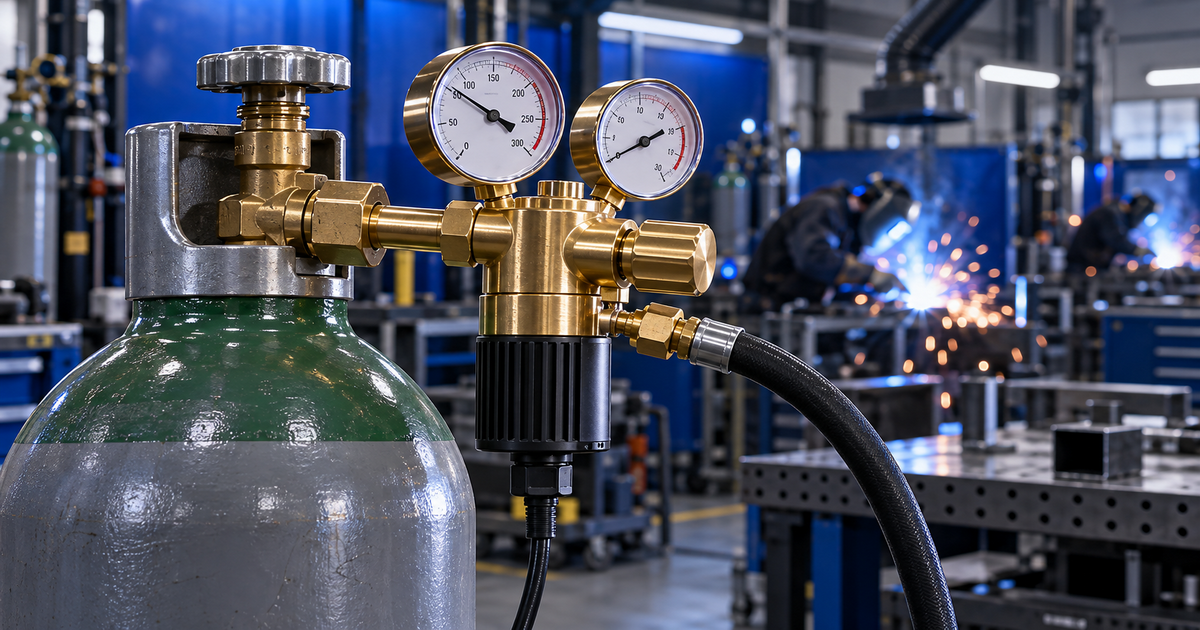
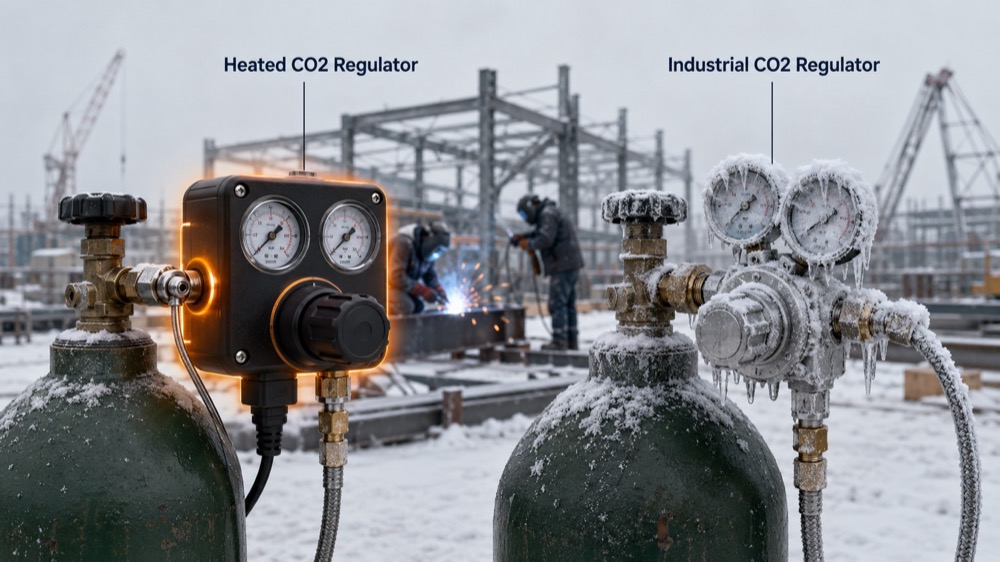
A heated CO₂ regulator integrates an electric heating element or heat‑exchange system around the gas path to keep CO₂ above a minimum temperature as it expands from cylinder pressure to working pressure. This reduces ice formation, prevents freezing of internal components, and maintains more stable outlet pressure in low ambient temperatures. [store.mathesongas]
Core Design Features of Heated CO2 Regulators
– Integrated heater around the regulator body or inlet section to counteract the Joule‑Thomson cooling effect when CO₂ expands.
– Thermostat or temperature control to maintain a target range (for example, just above 0–5 °C) and avoid overheating seals. [store.mathesongas]
– Enhanced sealing materials and brass or stainless‑steel bodies to withstand repeated thermal cycling. [pakoxygen]
– Over‑temperature protection and electrical safety compliance (e.g., CE, UL, or equivalent regional standards depending on supply market). [store.mathesongas]
In real‑world winter welding (pipeline maintenance, outdoor structural steel, greenhouse CO₂ dosing, etc.), these features allow operators to run higher continuous flow rates without the regulator icing up. [boc.co]
What Is an Industrial CO2 Regulator?
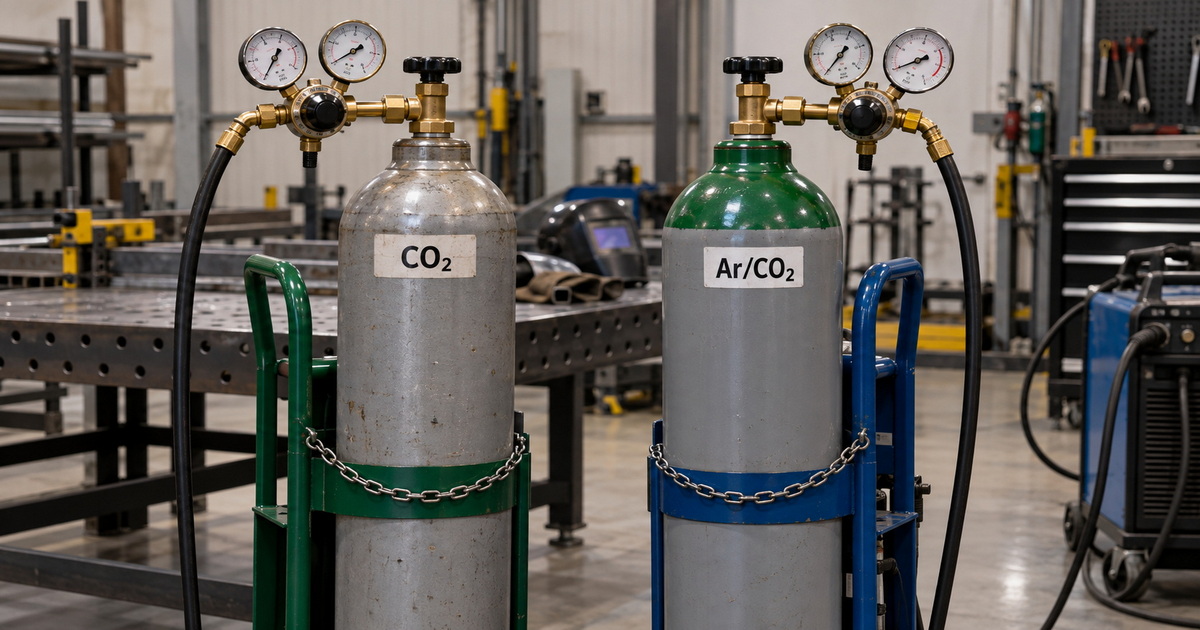
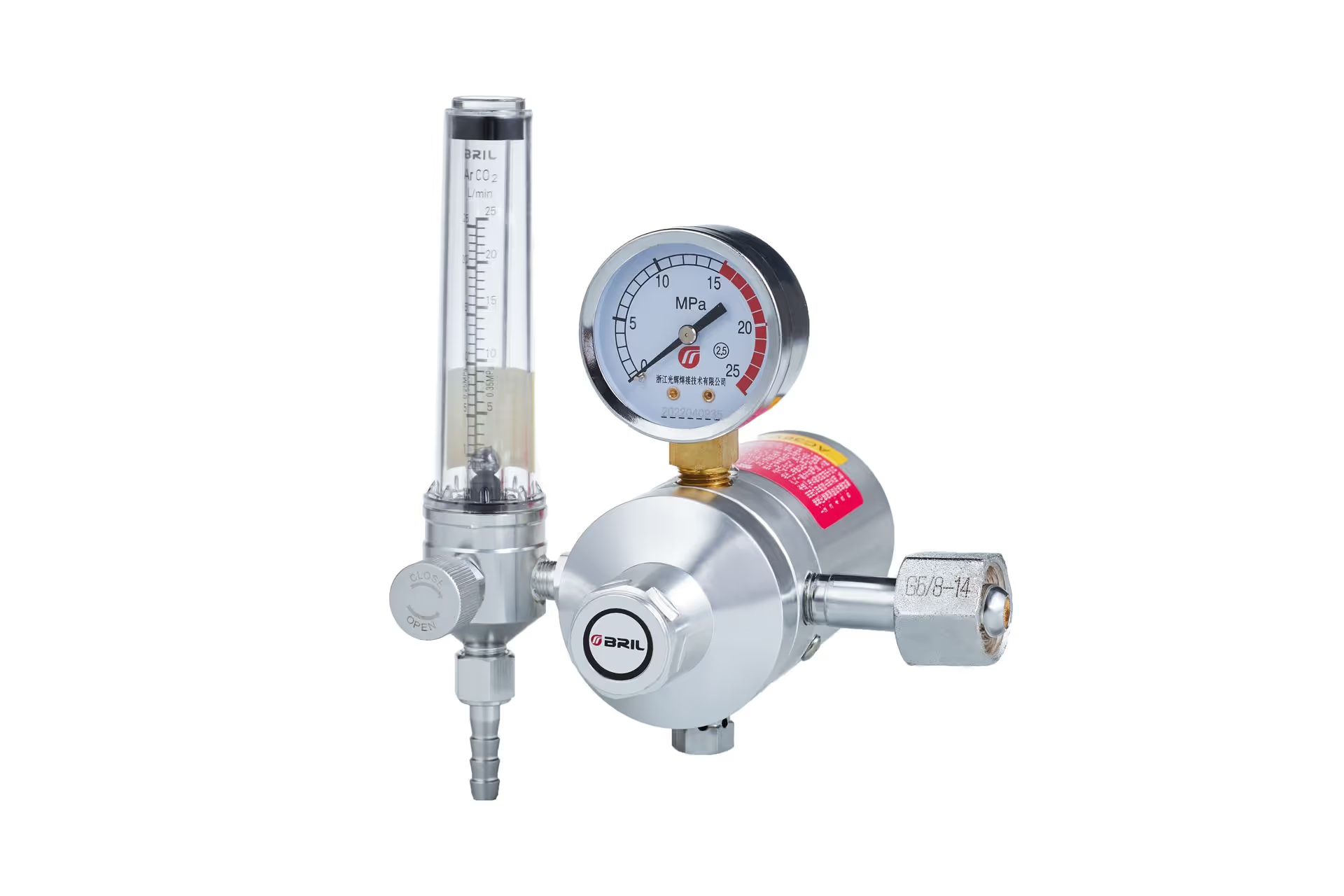
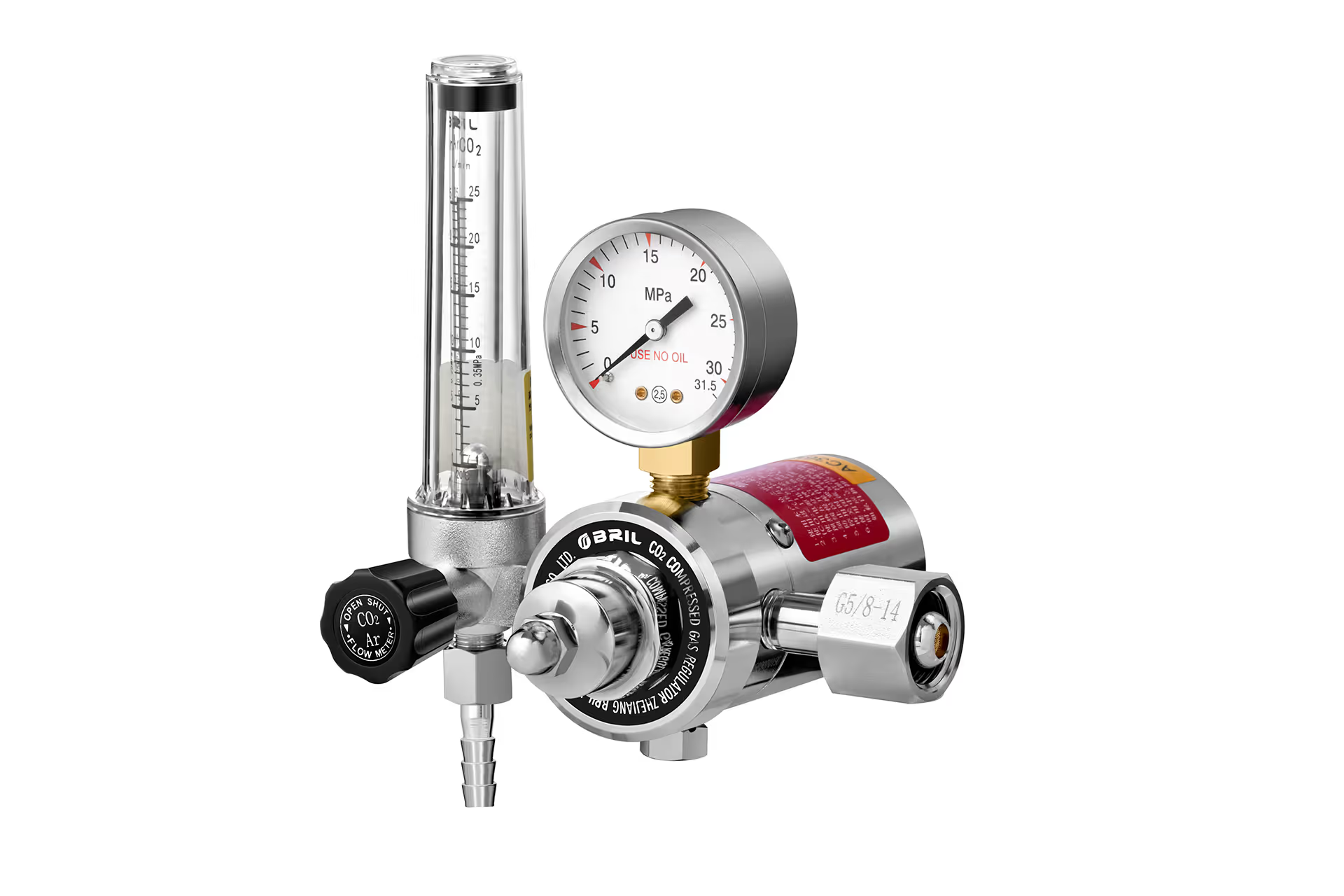
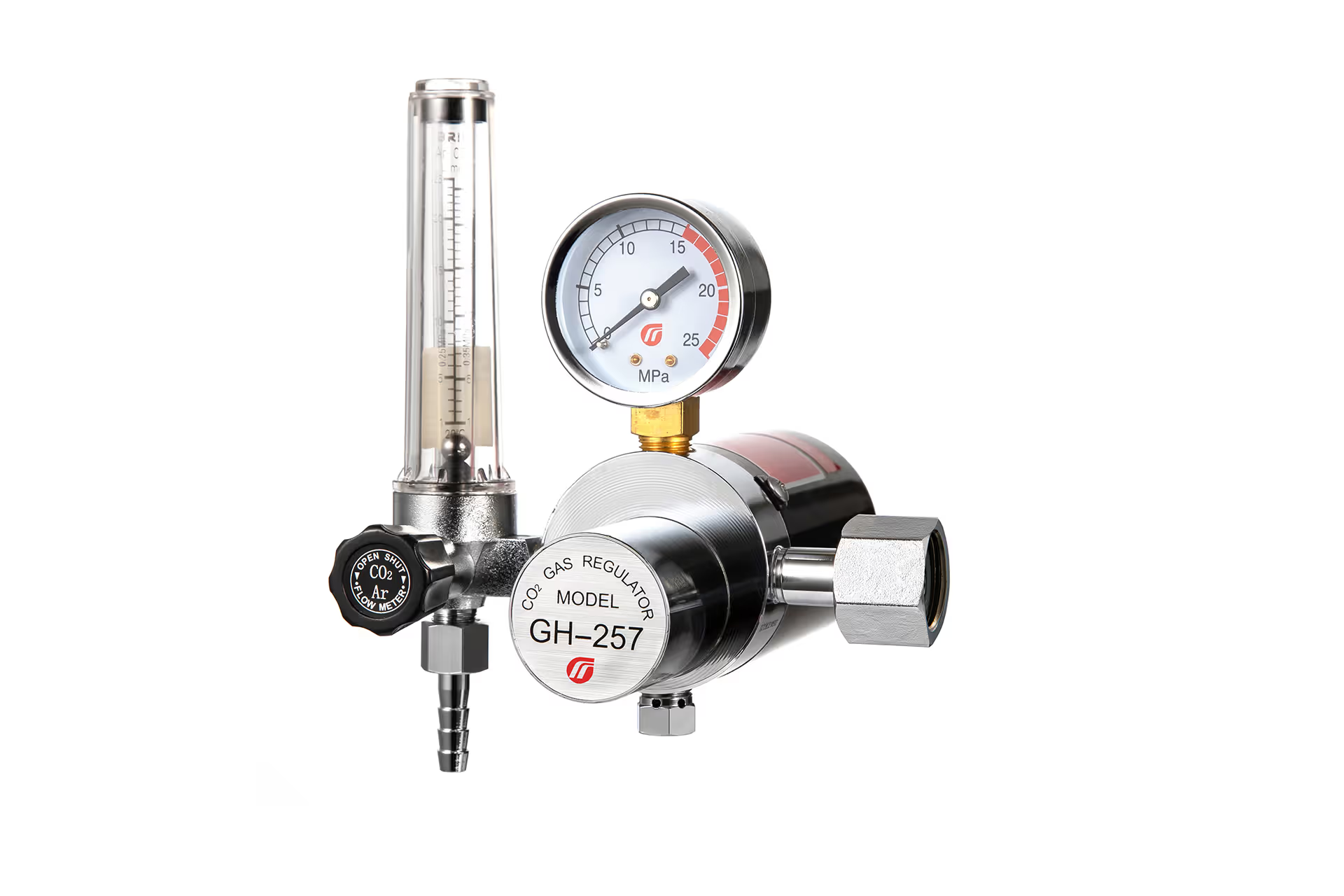
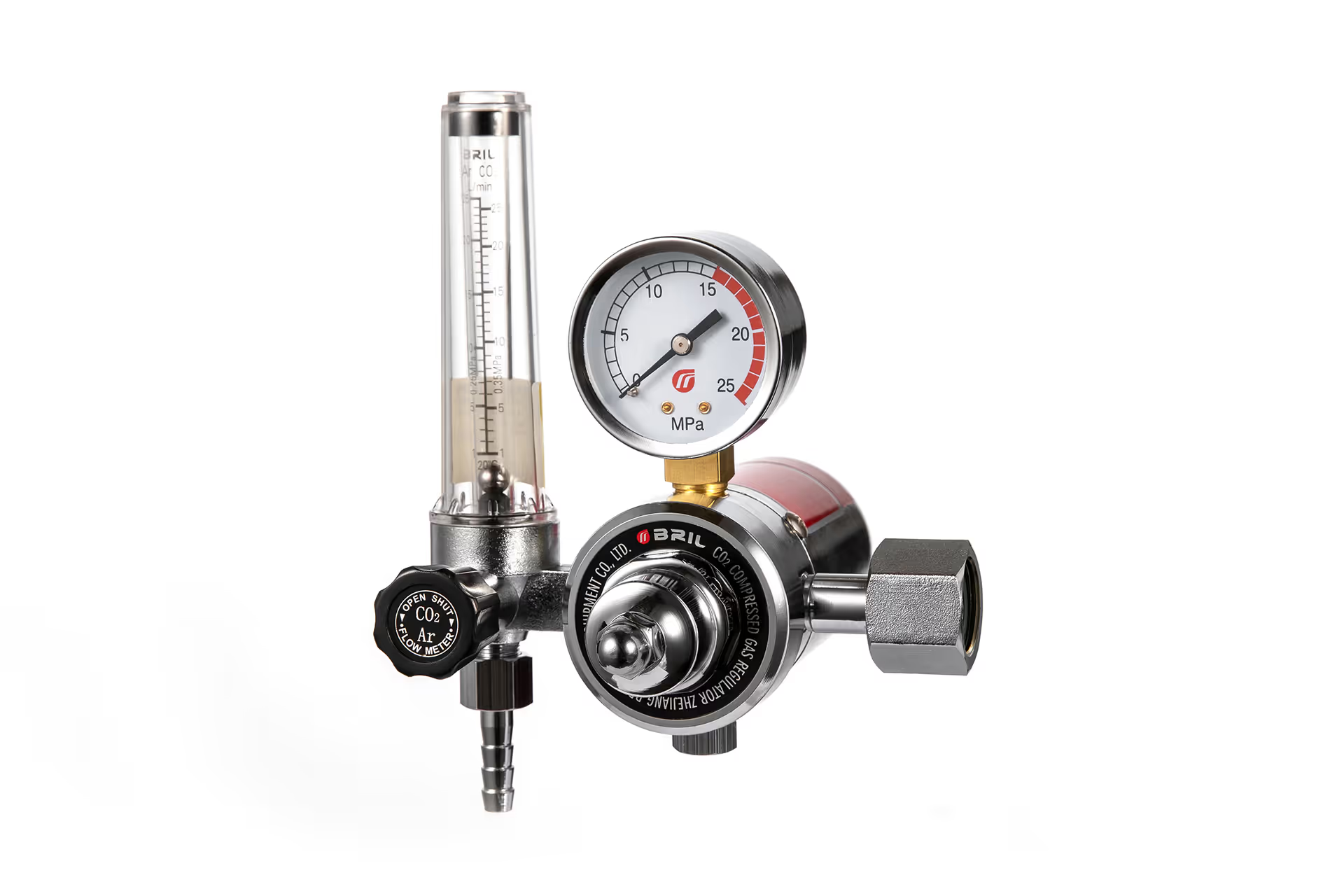
A standard industrial CO₂ regulator is a single‑stage or dual‑stage gas regulator designed to control high‑pressure CO₂ cylinders down to a stable working pressure for welding, cutting, beverage carbonation, or industrial processes. These regulators are often made from forged brass, include a pressure‑reducing valve, gauges, and safety relief components, but they do not include active heating. [pakoxygen]
Typical Use Cases for Industrial CO2 Regulators
– MIG/MAG welding in workshops and mild climates
– CO₂ shielding gas for light manufacturing and job shops
– General industrial process control where ambient temperature is controlled or above freezing
– Beverage systems and food processing where regulators sit indoors
In temperate environments, an industrial CO₂ regulator offers reliable performance and good cost‑effectiveness for most users. The challenge starts when cylinders are stored outdoors or used continuously at high flow in sub‑zero temperatures. [boc.co]
How CO2 Behaves in Sub‑Zero Winter Conditions
To understand the comparison, you need to look at CO₂ physics. At typical cylinder pressures, CO₂ is close to its saturation point; when it expands through a regulator, its temperature drops rapidly due to the Joule‑Thomson effect. In cold environments, this can push the gas temperature below the freezing point of moisture and even cause dry ice formation in the regulator. [store.mathesongas]
Common Cold‑Weather Problems With CO2
– Regulator freezing: Internal passages can block with ice or dry ice, causing pressure drop or sudden surges as ice breaks free. [boc.co]
– Gauge malfunction: Condensed moisture around gauges may freeze, leading to inaccurate readings or delayed needle movement. [boc.co]
– Flow instability: Welding arcs fluctuate, bead profile becomes inconsistent, and porosity increases due to unstable shielding gas flow. [specialisedwelding.co]
– Safety risks: Blocked relief valves or over‑pressure conditions can occur if internal ice formation reduces effective flow area. [boc.co]
Heated CO₂ regulators are specifically engineered to mitigate these risks by maintaining a controlled temperature, whereas standard industrial regulators rely only on passive design and ambient heat. [store.mathesongas]
Heated vs Industrial CO2 Regulators – Direct Comparison
Key Performance Differences in Winter
| Aspect | Heated CO2 Regulator | Industrial CO2 Regulator |
|---|---|---|
| Operating temperature range | Optimized for sub‑zero environments, maintains controlled gas temperature for stable pressure. store.mathesongas | Rated for industrial use but performance degrades in sustained sub‑zero conditions. boc.co |
| Pressure stability at high flow | High – reduced icing keeps outlet pressure and flow more consistent during extended welding. store.mathesongas | Medium to low – outlet pressure may drop or fluctuate as icing occurs under continuous high flow. boc.co |
| Risk of icing and blockage | Lower, due to active heating and thermal design. store.mathesongas | Higher, especially at high duty cycles and outdoor use. boc.co |
| Maintenance frequency | Lower in harsh winters; less need to pause for thawing or regulator replacement. | Higher – operators may need to stop work to defrost and inspect. |
| Upfront cost | Higher unit price due to heater and controls. store.mathesongas | Lower initial cost; standard industrial product. boc.co |
| Energy consumption | Requires electrical power; small continuous load per regulator. store.mathesongas | None (no active heating). boc.co |
For operators in Northern Europe, Canada, Northern China, or high‑altitude regions, the reduction in downtime and defect rates often outweighs the higher initial cost of a heated regulator. [specialisedwelding.co]
Industry Case Insight – Welding in Sub‑Zero Environments
Scenario: Outdoor Structural Welding at −15 °C
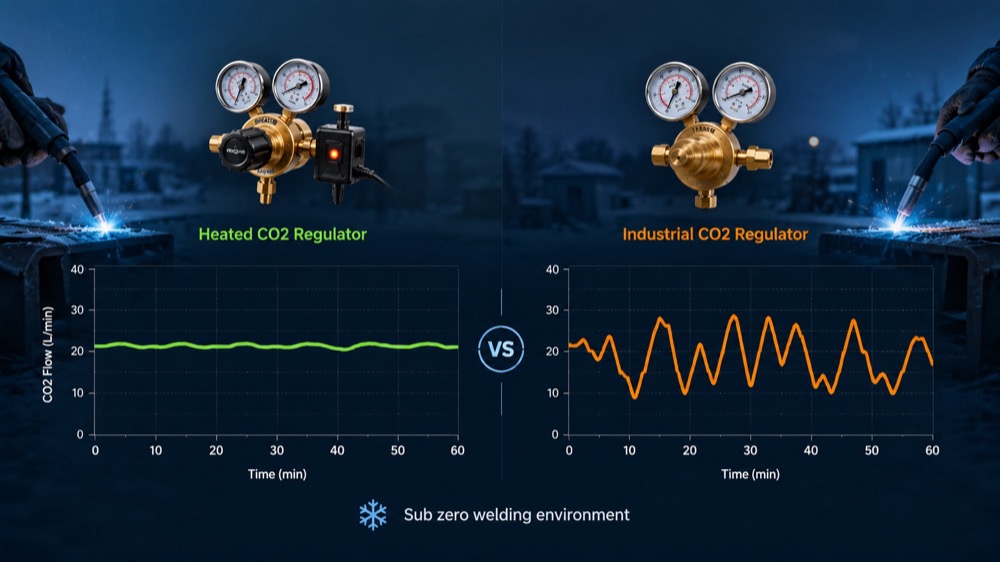
Consider a construction contractor performing MIG welding on structural steel at −15 °C. They initially use standard industrial CO₂ regulators because of lower cost. As welding progresses: [specialisedwelding.co]
– Gas flow becomes unstable after 15–20 minutes of continuous welding
– Regulators show visible frost and occasional flow pulsation
– Weld defects such as porosity and lack of fusion increase, leading to rework
After switching to heated CO₂ regulators specified for low‑temperature duty:
– Gas flow remains stable over multi‑hour shifts
– Frosting still occurs externally on the cylinder but not inside the regulator body
– Weld quality metrics improve, with fewer repairs and better productivity
While exact performance metrics vary by manufacturer and setup, field reports from welding suppliers consistently highlight improved arc stability and reduced downtime when using heated regulators in severe winter conditions. [specialisedwelding.co]
Engineering Considerations for OEMs and Industrial Buyers
When to Choose a Heated CO2 Regulator
You should prioritize heated CO₂ regulators if one or more of the following apply:
1. Operating environment
– Regular use below 0 °C, or long outdoor exposure in winter. [boc.co]
– Cylinders stored outdoors or in unheated sheds.
2. Process characteristics
– Continuous or high‑duty CO₂ consumption (multi‑shift MIG welding, heavy‑duty cutting, CO₂‑intensive processes). [specialisedwelding.co]
– Applications where consistent gas flow and arc stability directly affect product quality.
3. Risk and compliance
– Projects with strict welding quality standards or third‑party inspection.
– Facilities with safety‑critical components where regulator icing could pose hazards.
When a Standard Industrial CO2 Regulator Is Sufficient
A standard industrial CO₂ regulator remains a strong choice where:
– Ambient temperatures are usually above freezing (indoor workshops, mild climates). [boc.co]
– CO₂ usage is intermittent and relatively low (small job shops, maintenance work).
– Budget constraints are high and winter performance is not mission‑critical.
In such environments, focusing on robust brass construction, dual‑stage design for pressure stability, and correct sizing may deliver excellent performance without the added complexity of heating. [pakoxygen]
Practical Selection Checklist for Sub‑Zero Projects
From a hands‑on, engineering‑plus‑UX perspective, you can use this step‑by‑step approach:
1. Define operating temperature
– Identify minimum ambient temperature and storage conditions for gas cylinders.
2. Map duty cycle and flow demand
– Estimate average and peak CO₂ flow rates, and how long high flow must be sustained.
3. Evaluate risk tolerance
– Quantify the cost of downtime, rework, and weld defects caused by unstable gas flow.
4. Specify regulator type
– If sub‑zero and high duty: shortlist heated CO₂ regulators.
– If mild climate or light duty: shortlist standard industrial regulators.
5. Confirm materials and standards
– Ensure brass or appropriate alloy body, compatible seals, and adherence to relevant regional standards for gas pressure equipment. [pakoxygen]
6. Plan power and installation (for heated regulators)
– Check available voltage, cable routing, and safety compliance for heaters. [store.mathesongas]
This structured process helps OEMs and distributors turn a technical choice into a repeatable specification embedded in product catalogs and project documents.
OEM/ODM Opportunities for Overseas Brands and Distributors
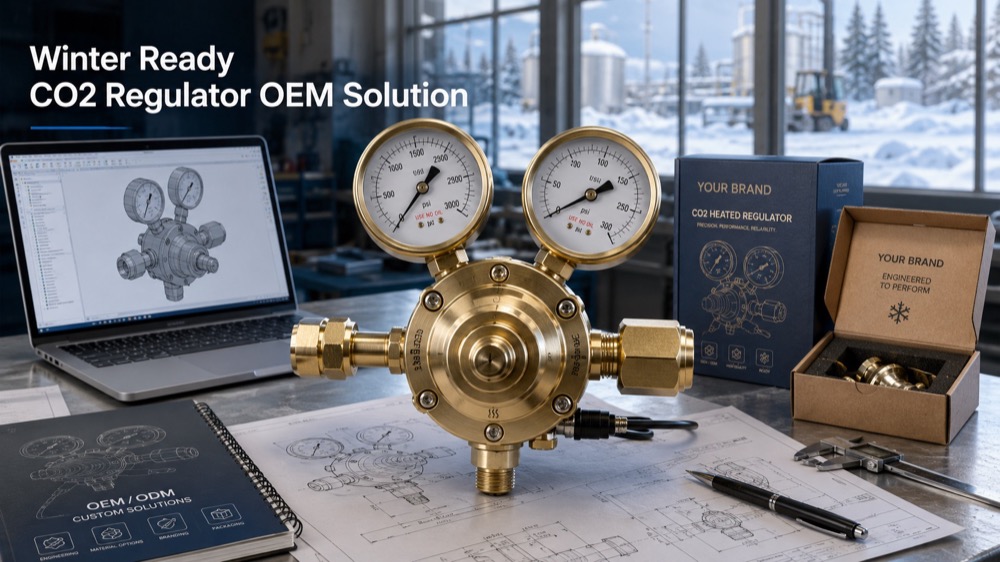
If you are a brand owner or distributor serving cold‑climate markets, heated regulators can be a strong differentiator in your portfolio. Many catalogs still list CO₂ regulators generically, without segmenting by climate or duty cycle. By offering a clearly positioned “Winter‑Duty Heated CO₂ Regulator” alongside your industrial series, you can address a real pain point for welders and industrial users. [specialisedwelding.co]
Typical OEM/ODM collaboration opportunities include:
– Customizing regulator inlet/outlet connections to match regional gas cylinder standards
– Branding the regulator body, gauges, and packaging for private‑label partners
– Tuning heater capacity and control logic to local voltage and safety standards
– Developing dual‑stage heated regulators for applications that demand both pressure stability and freeze protection
Combining precise machining, high‑quality brass components, and rigorous leak and performance testing further strengthens your value proposition in B2B markets. [pakoxygen]
Expert Tips for Reliable CO2 Regulation in Winter
Operational Best Practices
Even with the right regulator, small operational adjustments make a big difference:
– Keep cylinders as upright as possible to avoid liquid CO₂ carry‑over into the regulator. [boc.co]
– Avoid sudden large jumps in flow rate; ramp up gradually when possible.
– Use proper hose lengths and diameters to minimize pressure drop and condensation.
– Inspect regulators regularly for frost, unusual noises, or pressure fluctuations during winter operations.
Safety and Compliance Notes
– Always follow local safety regulations and gas supplier guidelines for CO₂ handling and storage. [boc.co]
– Verify that any heated regulator has appropriate electrical certifications for the target market. [store.mathesongas]
– Train operators to recognize early signs of icing and to shut down equipment safely if abnormal behavior occurs.
These practical details are often missing in spec sheets but have a direct impact on uptime, safety, and user satisfaction.
Summary – Which Regulator Should You Choose?
From an experienced welding and industrial gas standpoint, the decision comes down to temperature, duty cycle, and risk:
– Choose a heated CO₂ regulator if you operate in sub‑zero climates, need stable high‑flow performance, and want to reduce downtime and weld defects in winter.
– Choose a standard industrial CO₂ regulator if your environment is generally above freezing, your duty cycle is moderate, and cost‑efficiency is the top priority.
For brands, wholesalers, and equipment manufacturers, offering both options—with clear positioning for “standard industrial” and “winter‑duty heated”—delivers better UX for your customers and builds authority as a knowledgeable gas control specialist. [specialisedwelding.co]
Call to Action – Design Your Winter‑Ready Gas Control Solution
If your customers face unstable CO₂ flow, frozen regulators, or weld quality issues every winter, now is the time to upgrade your product line. By partnering with a specialized gas regulator manufacturer that offers OEM/ODM heated CO₂ regulators, you can launch climate‑optimized solutions under your own brand and support welders, fabricators, and industrial users in harsh winter conditions.
Reach out to your engineering or sourcing team today and start defining a winter‑ready CO₂ regulator spec—including heated and industrial variants—so your next catalog delivers real, measurable value in sub‑zero environments.
FAQs
Q1: Can I use a standard industrial CO₂ regulator below 0 °C if I reduce flow?
In some cases, reducing flow and duty cycle can delay icing, but you will still face higher risk of pressure instability and blockage in sustained sub‑zero conditions compared to a heated regulator. [boc.co]
Q2: Do heated CO₂ regulators consume a lot of power?
Typical heated regulators use relatively low power, designed to maintain a modest temperature rise rather than fully heat the gas, so the additional energy cost is usually small compared to production benefits. [store.mathesongas]
Q3: Are heated CO₂ regulators suitable for gases other than CO₂?
Some heated regulators are optimized specifically for CO₂ behavior, while others can be configured for different industrial gases; you should check compatibility with the manufacturer before multi‑gas use. [store.mathesongas]
Q4: How does a dual‑stage regulator help in winter?
A dual‑stage regulator improves pressure stability by splitting pressure reduction into two steps, which, combined with heating in cold environments, can further stabilize outlet pressure and flow. [boc.co]
Q5: What maintenance does a heated CO₂ regulator require?
Beyond normal inspection for leaks and wear, you should periodically verify heater operation, electrical integrity, and temperature control to ensure ongoing winter performance and safety. [store.mathesongas]
References
1. BOC – Industrial Gas Regulators: product information and application notes for CO₂ and other industrial gas regulators. [https://www.boc.co.nz/shop/en/nz/gas-welding-heating-cutting-brazing/gas-regulator/industrial-gas-regulators] [boc.co]
2. Matheson Gas – Specialty Gas Equipment, Regulators: technical data on specialty and high‑performance gas regulators. [https://store.mathesongas.com/regulators/] [store.mathesongas]
3. BOC – Dual Stage Specialty Gas Regulators: information on dual‑stage regulator design and pressure stability. [https://www.boc.co.nz/shop/en/nz/gas-regulator/dual-stage-specialty-gas-regulators] [boc.co]
4. Specialised Welding – Gas Regulators & Flowmeters: catalog descriptions and field‑oriented notes on welding gas regulators. [https://specialisedwelding.co.uk/collections/gas-regulators] [specialisedwelding.co]
5. PakOxygen – Gas Regulators (Single & Multi‑Stage): materials, body construction, and industrial regulator usage information. [https://pakoxygen.com/Hardgoods/GasRegulators] [pakoxygen]
Hot tags: Heated CO2 Regulator, Industrial CO2 Regulator, Winter Welding Gas Control, Heated Gas Regulator OEM, CO2 Regulator For Sub Zero, Dual Stage CO2 Regulator, B2B Welding Equipment Supplier, Industrial Gas Pressure Control, CO2 Regulator For Outdoor Welding, OEM Heated CO2 Solutions