Content Menu
● CO2 Regulator vs Nitrogen Regulator: What They Do
● The Core Difference in Beverage Use
● When CO2 Is the Better Choice
● When Nitrogen Is the Better Choice
● Pressure, Stability, and Pour Quality
● Blended Gas in Beverage Production
● A Manufacturer’s View on Regulator Selection
● Choosing the Right Regulator for Your Line
● Expert Insight for B2B Buyers
● FAQ
>> Is a CO2 regulator the same as a nitrogen regulator?
>> Can I use nitrogen instead of CO2 for beverage production?
>> Why do some beverage systems use blended gas?
>> What happens if the regulator pressure is too high?
>> What should B2B buyers check before ordering regulators?
Which gas regulator should beverage producers choose: carbon dioxide or nitrogen? The answer depends on the product, the desired mouthfeel, the serving pressure, and the dispensing system design. In beverage production, the right regulator is not just a hardware choice; it directly affects carbonation stability, foam quality, flavor perception, and operational efficiency.
CO2 Regulator vs Nitrogen Regulator: What They Do
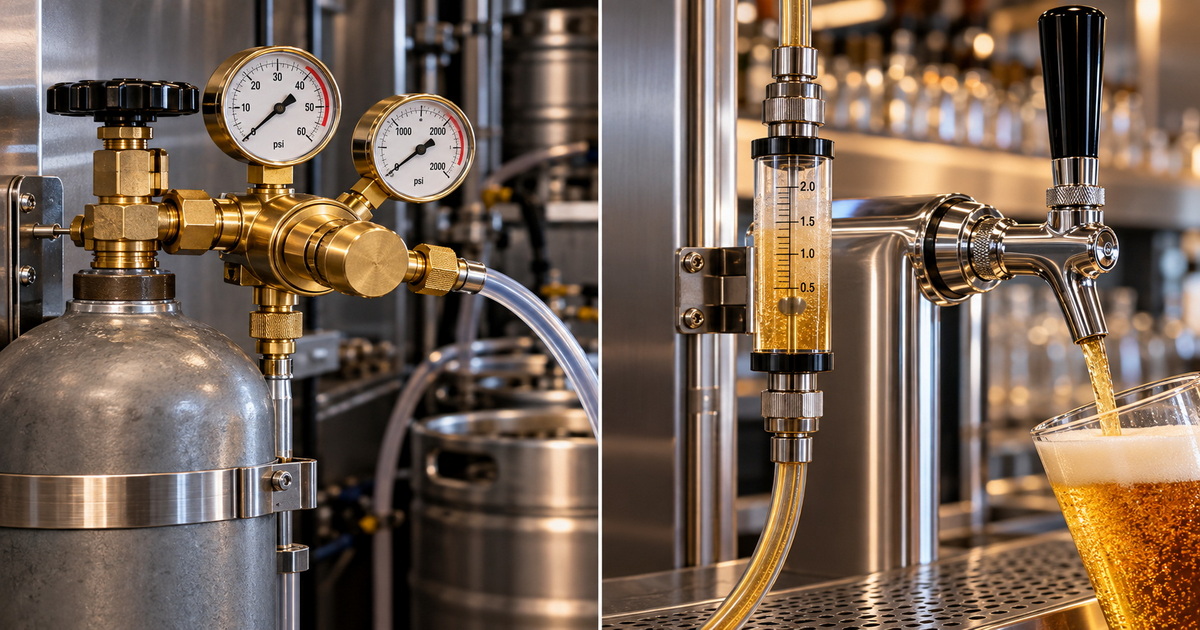
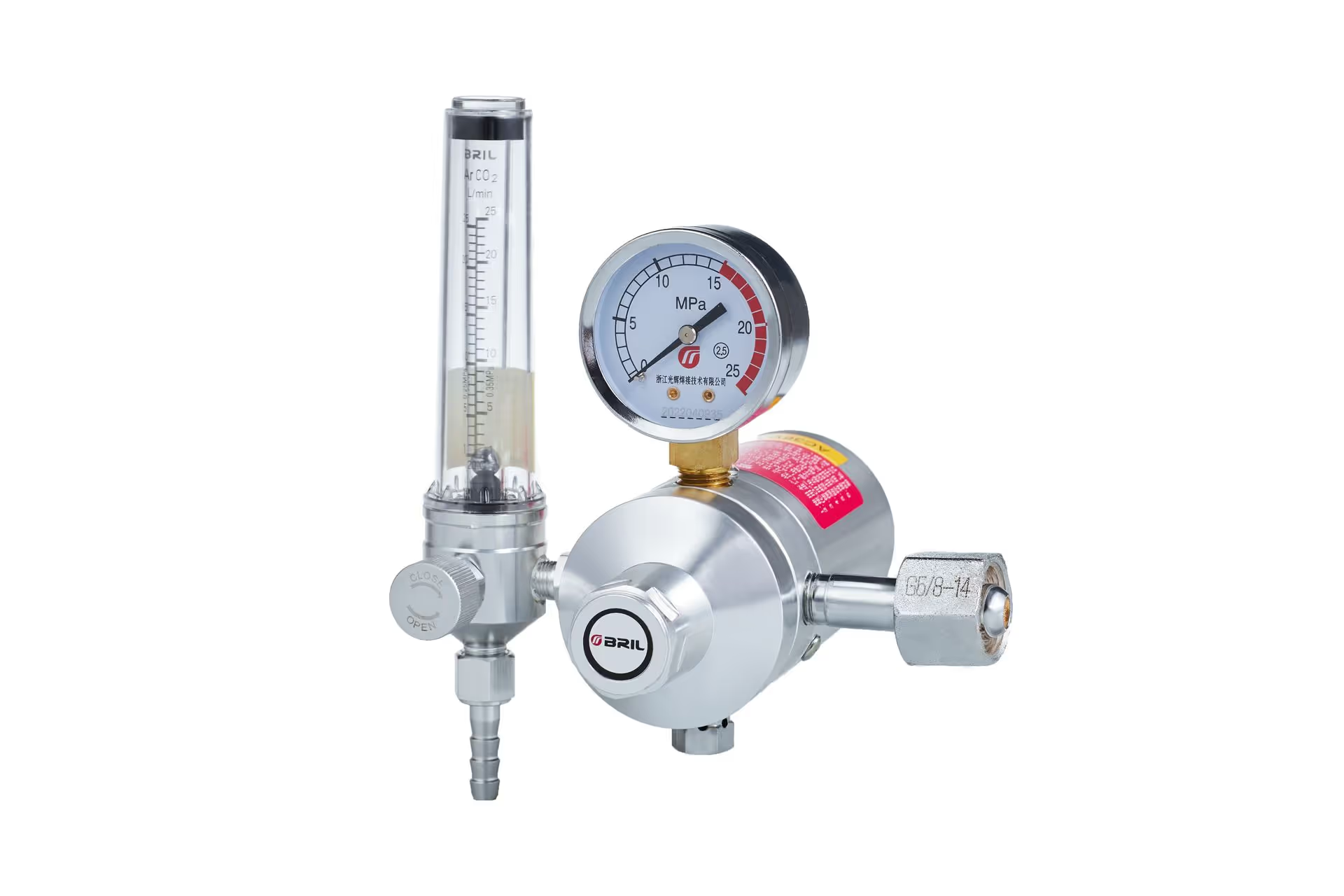
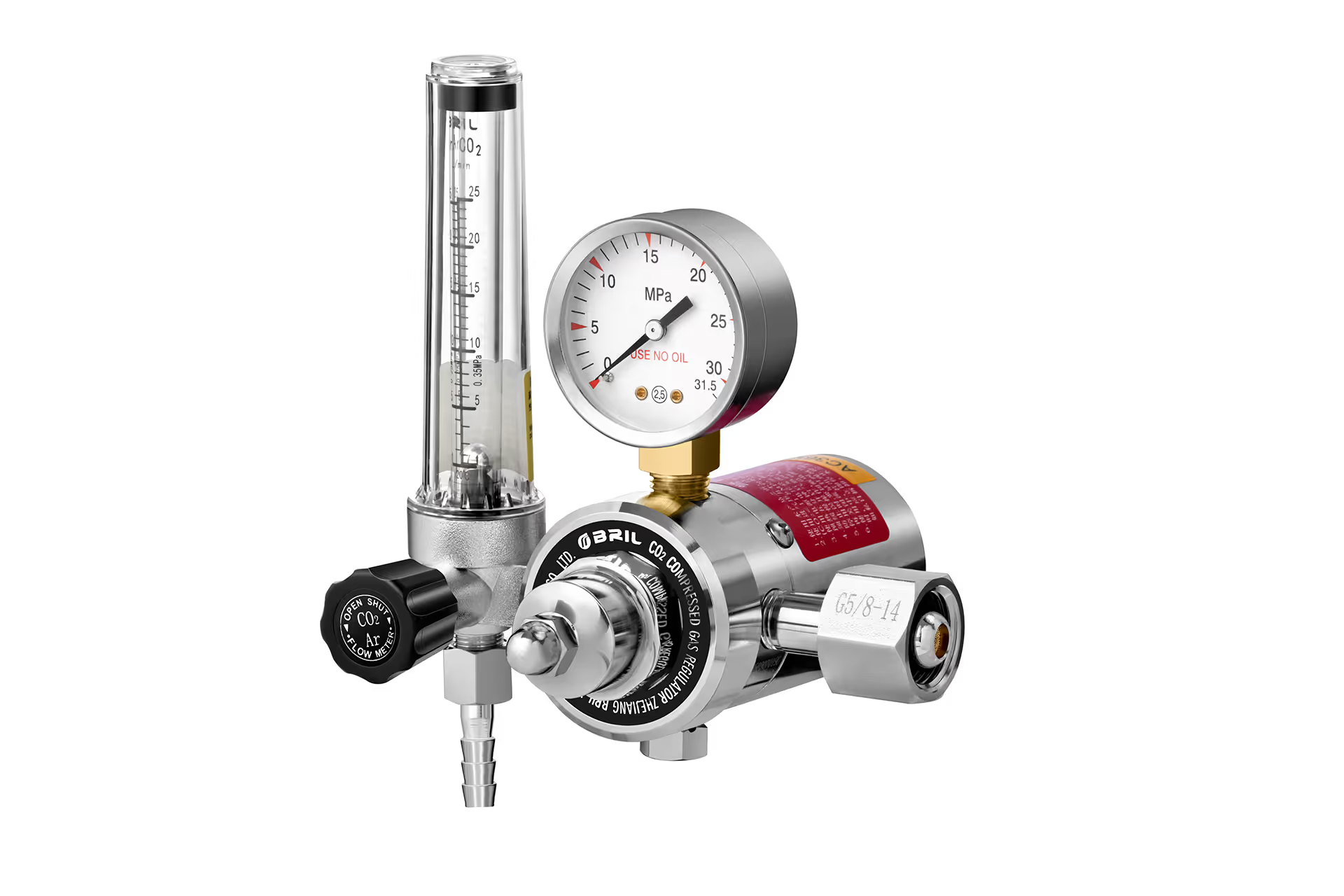
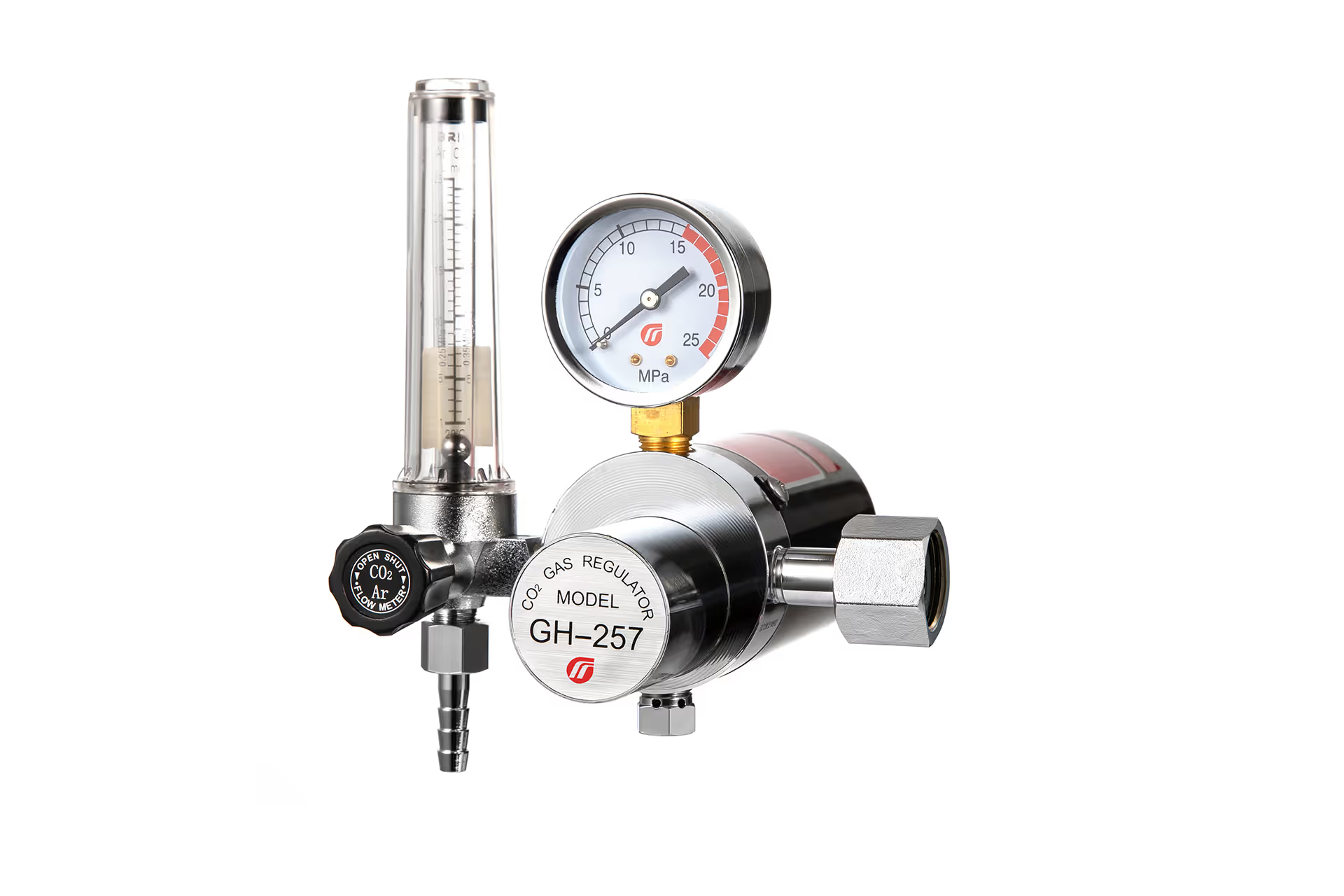
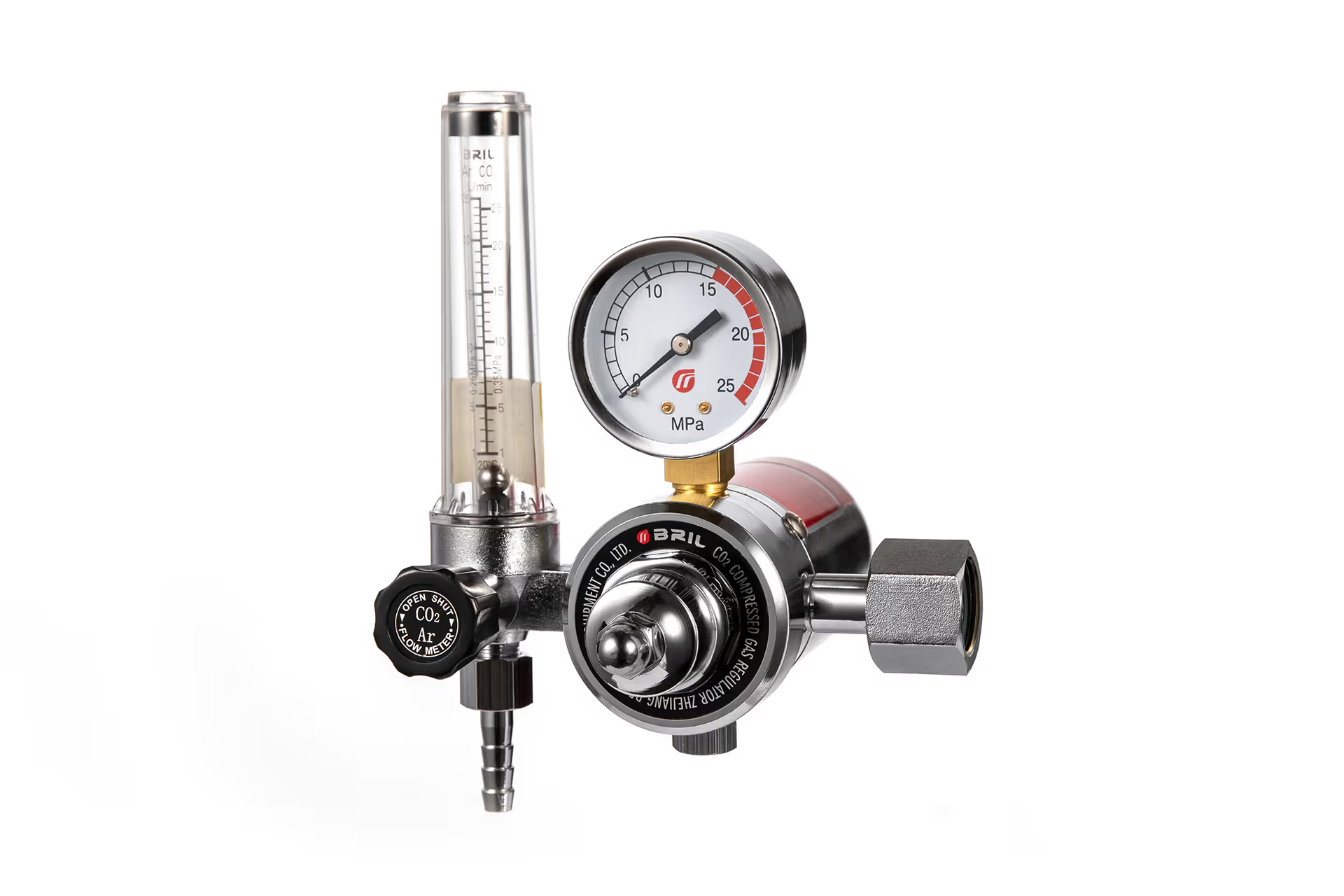
A carbon dioxide regulator reduces high cylinder pressure and delivers a controlled, stable output pressure for carbonation and dispensing. A nitrogen regulator performs the same pressure-reduction role, but it is used for nitrogen-based or blended-gas systems that require higher push pressure and a different cylinder connection standard in many setups. In practical terms, the regulator does not measure flow; it controls pressure so the beverage can be dispensed consistently.
In beverage production, that difference matters because CO2 and nitrogen behave differently inside the keg or tank. CO2 dissolves into liquid more readily, which helps maintain carbonation. Nitrogen is much less soluble, so it is better for pushing product through longer lines or creating a smooth, creamy pour when paired with the right dispense method.
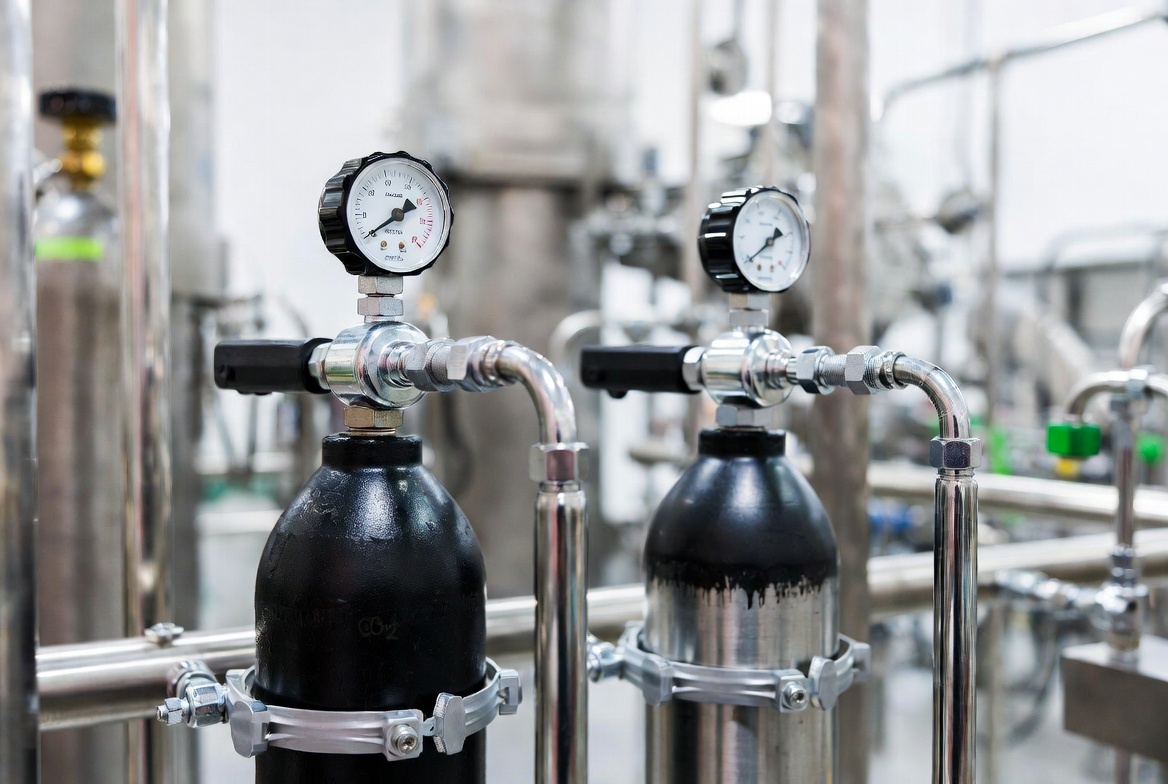
The Core Difference in Beverage Use
If your product needs carbonation retention, CO2 is usually the primary gas. If your system needs high push pressure with minimal additional carbonation, nitrogen is often the better choice. That is why many draft systems use CO2 for standard beer styles, while nitro-style beverages and some blended-gas systems rely on nitrogen or CO2-nitrogen mixtures.
Here is the simplest way to think about it:
– CO2 regulator, best for carbonation-heavy beverages and standard draft dispensing.
– Nitrogen regulator, best for nitro pours, long-draw systems, and beverages that need push without over-carbonation.
– Mixed gas systems, best when a beverage must stay stable during longer runs while preserving the right carbonation balance.
Side-by-Side Comparison
| Factor | Carbon Dioxide Regulator | Nitrogen Regulator |
|---|---|---|
| Main purpose | Maintains carbonation and controls serving pressure | Provides high push pressure with minimal dissolution |
| Typical use | Standard beer, sparkling beverage applications | Nitro beer, coffee, long-draw dispensing, blended gas systems |
| Gas behavior | Dissolves more easily in liquid | Much less soluble than CO2 |
| Pour result | Sharper carbonation, livelier mouthfeel | Smoother texture, tighter foam, creamier presentation |
| System fit | Standard CO2 cylinders and beverage systems | Nitrogen cylinders or blended-gas setups |
| Best for | Products that must stay fizzy | Products that need stable delivery and softer texture |
This distinction is important for beverage producers because the wrong gas choice can damage quality. Too much CO2 pressure can create over-carbonation and excess foam. Too little pressure can make the beverage flat, slow to pour, or unstable in the glass.
When CO2 Is the Better Choice
CO2 is usually the right choice when the beverage must keep its natural carbonation or when the goal is a crisp, bright, lively taste. That makes it a strong fit for most carbonated drinks, many beers, and beverage lines where flavor expression depends on dissolved CO2. CO2 also supports standard draft serving pressures in many direct-draw applications.
For beverage production teams, CO2 is often preferred when:
– The product is naturally carbonated.
– The beverage must stay fizzy from tank to glass.
– The system is short and does not require extreme push pressure.
– The goal is a traditional draft presentation.
In our experience as an industrial gas control manufacturer, CO2 regulator stability is especially important when the line length changes, temperature fluctuates, or multiple kegs are served from one source. A steady pressure regulator helps protect consistency across shifts, outlets, and seasonal volume swings.
When Nitrogen Is the Better Choice
Nitrogen becomes the better option when the beverage needs push pressure more than carbonation. Because nitrogen is largely inert and far less soluble, it can drive liquid through longer beverage lines without adding the same level of dissolved gas that CO2 would. This is why nitrogen is common in nitro draft applications and in beverage systems where a smooth, creamy finish is desired.
Nitrogen is often used when:
– The beverage requires a creamy, dense foam.
– The dispensing line is long or complex.
– The product should not become more carbonated during delivery.
– The operation uses blended gas or nitro-style service.
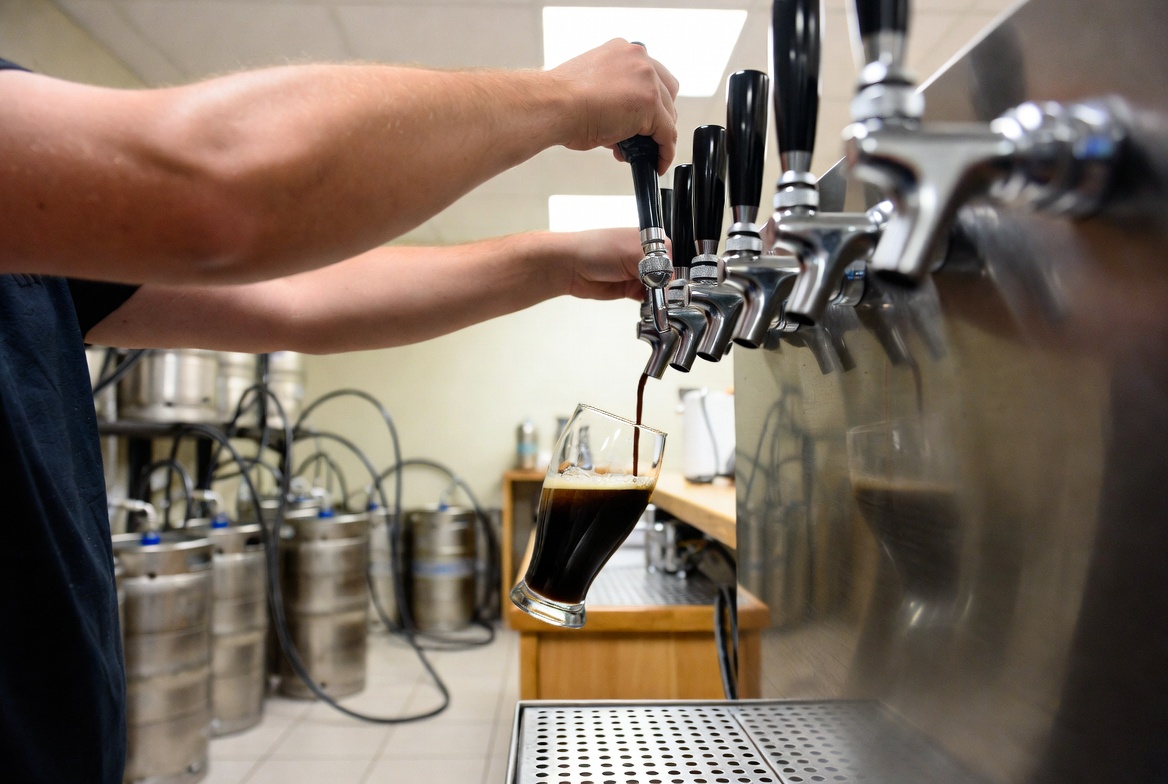
A practical example is nitro draft service. The beverage is typically conditioned first, then dispensed with nitrogen or a blended gas to create the cascading effect and tight head that consumers expect. In that case, the nitrogen regulator is not a luxury; it is a core part of the product experience.
Pressure, Stability, and Pour Quality
The regulator choice affects more than pressure numbers on a gauge. It affects how the beverage looks in the glass, how the foam behaves, and how consistent the first pour is compared with the last. If pressure is too low, the beverage may pour slowly or lose carbonation balance. If pressure is too high, the system can push excess gas into the liquid and create foamy, unstable service.
For beverage production managers, three variables deserve close attention:
1. Temperature, because colder product behaves differently under pressure.
2. Line length, because long runs often need more push pressure.
3. Gas composition, because CO2 and nitrogen affect the beverage in different ways.
This is where a properly selected regulator becomes a quality-control tool rather than a simple accessory. Stable control protects the brand experience at the tap, in the bar, or on the production floor.
Blended Gas in Beverage Production
Many beverage systems do not rely on pure CO2 or pure nitrogen alone. Instead, they use blended gas to balance carbonation preservation with dispensing force. According to industry dispensing guidance, some stout applications may use a 25% CO2 / 75% nitrogen mix, while other beer styles may require higher CO2 ratios to preserve flavor and carbonation during service.
Blended gas is especially useful when:
– The beverage must travel through long lines.
– The serving environment has temperature variation.
– The product category includes both carbonated and nitro-style drinks.
– The operator wants more consistent dispense performance across venues.
For many distributors, this is the hidden advantage of choosing a manufacturer that understands industrial gas control, not only beverage dispensing. A regulator platform designed for precision and stable pressure control can support both standard and blended-gas applications with better operational flexibility.
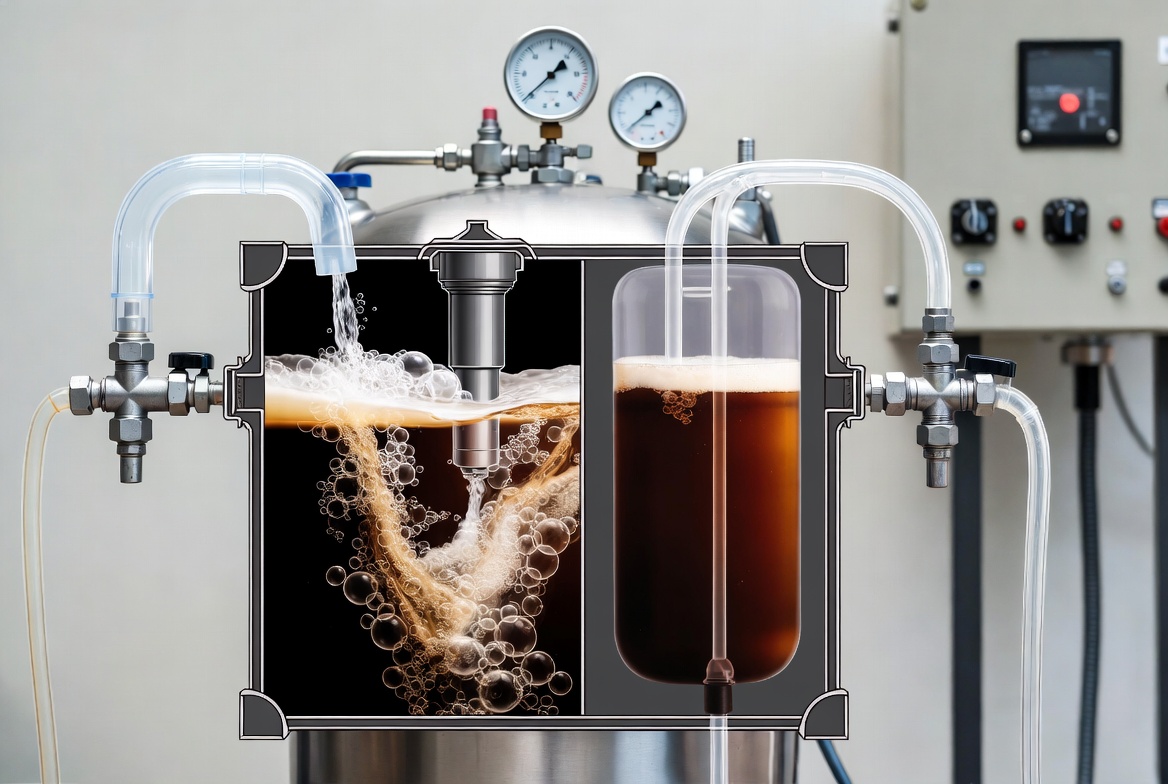
A Manufacturer’s View on Regulator Selection
From a manufacturing standpoint, the best regulator is not simply the one with a pressure gauge. It is the one built with consistent internal machining, reliable sealing, strong brass construction, and repeatable pressure response. That matters in beverage production because small pressure variations can create visible quality differences in the final pour.
Overseas brands, wholesalers, and distributors often need more than a standard product. They need:
– Custom outlet configurations.
– Different cylinder connections for regional markets.
– Stable performance under commercial use.
– OEM and ODM support for brand-specific requirements.
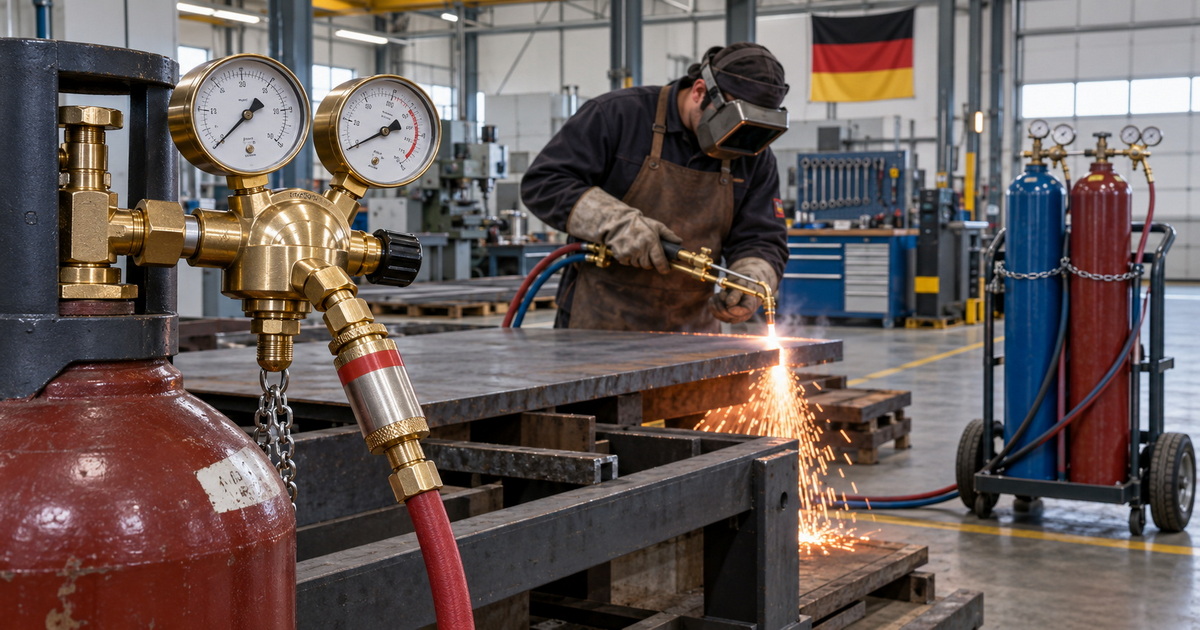
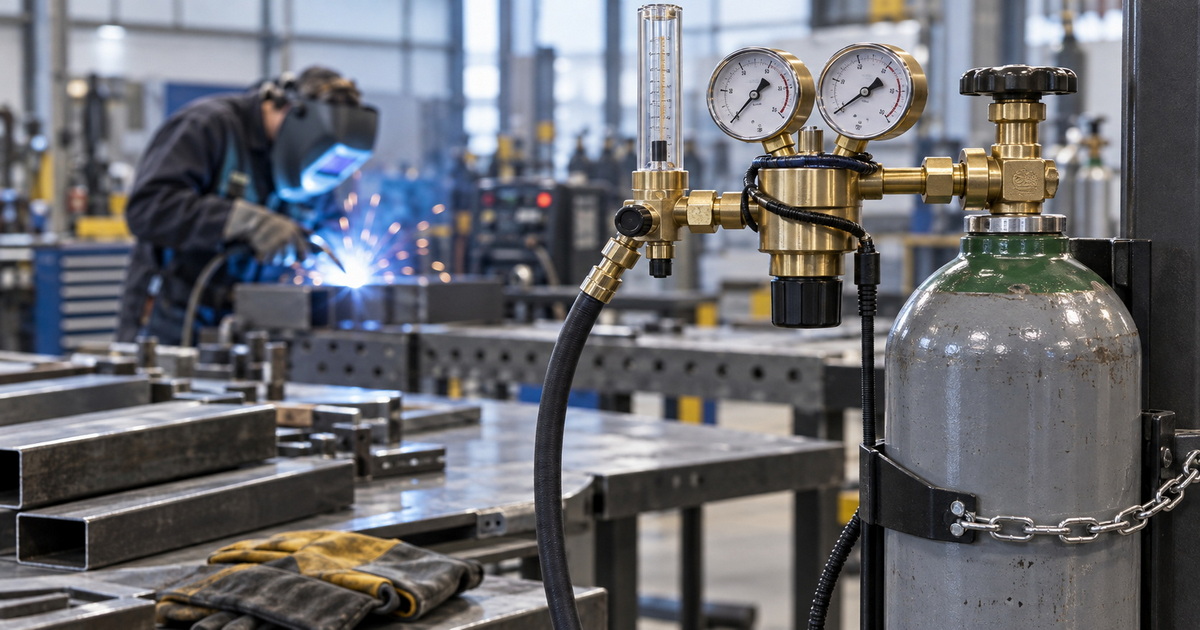
This is why industrial gas control expertise transfers well into beverage applications. The same precision that supports welding and industrial gas systems also supports beverage dispensing, where consistency and safety are non-negotiable.
Choosing the Right Regulator for Your Line
A practical selection process helps avoid costly mistakes. Before choosing between a carbon dioxide regulator and a nitrogen regulator, define the beverage, the serving environment, and the pressure target. Then match the regulator to the gas behavior, not just the cylinder type.
Use this checklist:
1. Identify the beverage category.
2. Confirm whether carbonation must be preserved or minimized.
3. Measure line length and serving distance.
4. Decide whether pure gas or blended gas is needed.
5. Verify cylinder connection and regional fitting standards.
6. Confirm the regulator’s pressure range and durability.
This method is especially useful for beverage factories and multi-site distributors, because it reduces trial-and-error and improves launch speed. It also supports more predictable training, installation, and after-sales service.
Common Mistakes to Avoid
One common mistake is assuming CO2 and nitrogen regulators are interchangeable without checking the cylinder connection and pressure design. Another is using the wrong gas for the beverage style, which can flatten product quality or create excessive foam. A third mistake is ignoring temperature and line design, even though those variables strongly influence performance.
Avoid these errors:
– Using CO2 when the system needs high push with low dissolution.
– Using nitrogen when the beverage still needs meaningful carbonation support.
– Choosing a regulator only by price.
– Ignoring regional fitting standards and connection type.
– Failing to match pressure to line length and temperature.
In commercial beverage production, these mistakes do not just affect taste. They can increase waste, lower yield, and create avoidable customer complaints.
Expert Insight for B2B Buyers
For B2B buyers, the real question is not “Which regulator is better?” The real question is “Which regulator fits the beverage, the delivery system, and the target market?” That perspective helps brands avoid generic purchasing decisions and build a system that supports repeatable quality.
If you are sourcing for export, also consider:
– Country-specific cylinder fittings.
– Pressure ranges required by local beverage equipment.
– Need for single-stage or dual-stage control.
– Brand customization for OEM or ODM programs.
That is where a precision manufacturer adds value. A strong technical partner can help align product design with market needs, reducing installation issues and supporting a better customer experience.
Conclusion
For most standard carbonated beverage applications, carbon dioxide regulators are the first choice because they preserve carbonation and support traditional dispense performance. For nitro beverages, long-draw systems, or applications that need more push and less dissolution, nitrogen regulators are the better fit. If the application sits between those two needs, a blended-gas solution may deliver the most stable result.
The best buying decision comes from matching gas behavior to beverage quality goals. When the regulator is selected correctly, the result is better consistency, less waste, and a more professional pour.
If you are developing beverage dispensing equipment, private-label regulator lines, or OEM/ODM industrial gas control solutions, choose a manufacturer that can support precision pressure control, brass component quality, custom fittings, and stable long-term performance. A well-matched regulator platform can improve product reliability and strengthen your brand in the beverage market.
FAQ
Is a CO2 regulator the same as a nitrogen regulator?
No. Both reduce cylinder pressure, but they are used in different gas applications and may use different connection standards. CO2 is more suited to carbonation support, while nitrogen is better for high push pressure and low-solubility dispensing.
Can I use nitrogen instead of CO2 for beverage production?
Sometimes, but only when the beverage and system are designed for it. Nitrogen is better for nitro-style pours and long-draw delivery, but it does not replace CO2 in all carbonated beverage applications.
Why do some beverage systems use blended gas?
Blended gas helps balance carbonation retention with sufficient push pressure. It is commonly used when the beverage must travel farther or when the serving style requires a specific mouthfeel and foam structure.
What happens if the regulator pressure is too high?
Excess pressure can force too much gas into the beverage, causing foamy pours, unstable carbonation, and poor serving consistency. Over time, it can also increase waste and reduce product quality.
What should B2B buyers check before ordering regulators?
They should confirm gas type, pressure requirements, cylinder fitting, line length, beverage category, and whether OEM or ODM customization is needed. These factors reduce installation problems and improve end-user satisfaction.
References
1. [Compressed Gas Regulators for CO2, Oxygen & Nitrogen]
2. [Bril Welding Equipment: OEM Welding Gas Regulator Supplier]
3. [Gas Regulators – Grainger Industrial Supply]
4. [Beverage Regulators – Harris Products Group]
5. [Under Pressure: A Guide to CO2 and Nitrogen Beer Regulators – Kegworks]
6. [Gas Blending Beer in Draft Beer Systems – Micro Matic]
7. [A Guide to Draft Beer Regulators – Draft Beer Intelligence]
Hot Tags: Carbon Dioxide Regulator, Nitrogen Regulator, Beverage Regulator, CO2 Regulator, Nitrogen Gas Regulator, Draft Beer Regulator, Beverage Production, Blended Gas Regulator, CO2 Beverage System, Nitro Beer Regulator