Content Menu
● Why Regulator Choice Matters More Than Most Welders Think
● Core Differences Between Argon and CO₂ in MIG Welding
>> Gas Behavior and Typical Applications
>> Regulator Requirements by Gas Type
● Comparison Table – Argon vs CO₂ Regulators for MIG Welding
>> Practical Selection Snapshot
● Choosing the Right Gas and Regulator for Aluminum MIG Welding
>> Why Argon is Non‑Negotiable for Aluminum
>> Recommended Features for Aluminum MIG Argon Regulators
● Choosing the Right Gas and Regulator for Steel MIG Welding
>> When CO₂ Regulators Make Sense
>> Practical Regulator Features for Steel MIG with CO₂
● Argon vs CO₂ for Aluminum and Steel – Expert Use Cases
>> Case 1 – Aluminum Autobody Panels with Argon Regulators
>> Case 2 – Structural Steel with CO₂ Heated Regulators
● Step‑by‑Step: How to Choose Between Argon and CO₂ Regulators
● Why Dual‑Stage and Specialty Regulators Matter for Professional MIG Cells
>> Benefits of Dual‑Stage Regulators
● What to Look for in a Professional Gas Regulator Partner
>> OEM/ODM Perspective for Overseas Brands and Distributors
● Actionable Recommendations – Argon vs CO₂ Regulator Selection
● Call to Action – Upgrade Your Argon and CO₂ Regulator Strategy
● FAQs: Argon vs CO₂ Regulators for MIG Welding
Argon and CO₂ are both widely used in MIG welding, but they behave very differently at the arc, on the weld pool, and in your final bead quality. To choose the right regulator and shielding gas mix for aluminum and steel MIG welding, you need to understand how each gas works, what regulator features matter, and where a specialist OEM/ODM regulator partner can give you an edge. [specialisedwelding.co]
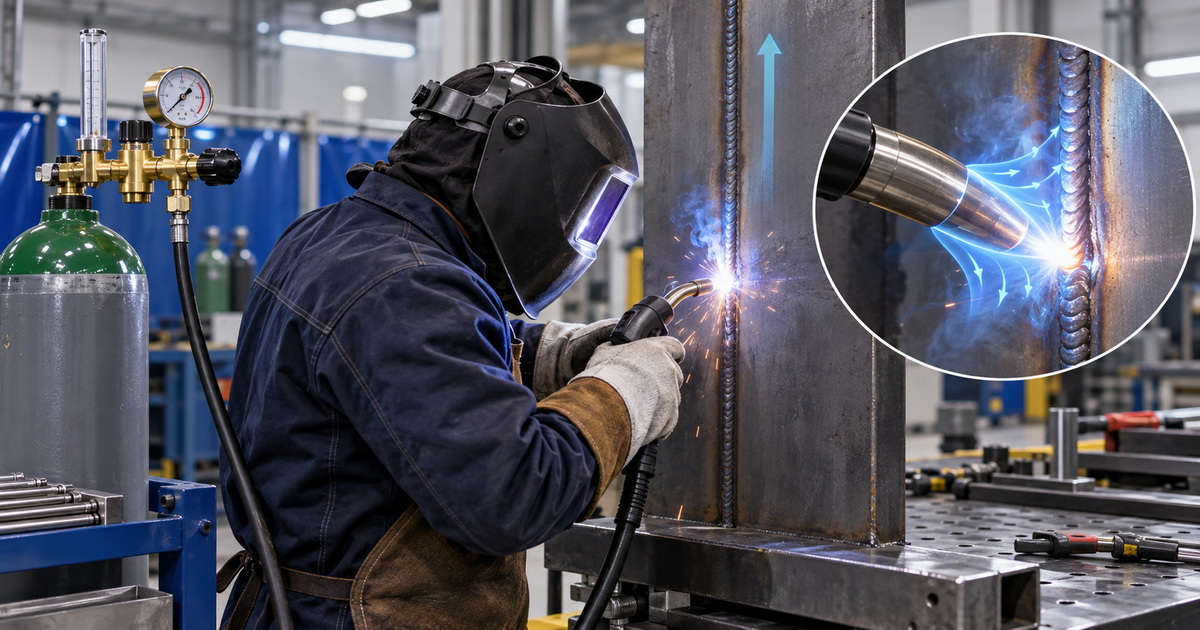
MIG welding performance is not just about the gas itself; it is the combination of gas type, flow control, pressure stability, and regulator design that determines real‑world weld quality. For aluminum, almost all MIG applications rely on high‑purity argon, while steel MIG welding often uses 100% CO₂ or argon/CO₂ mixtures, each requiring correctly specified regulators for pressure, flow range, and materials compatibility. [boc.co]
Why Regulator Choice Matters More Than Most Welders Think
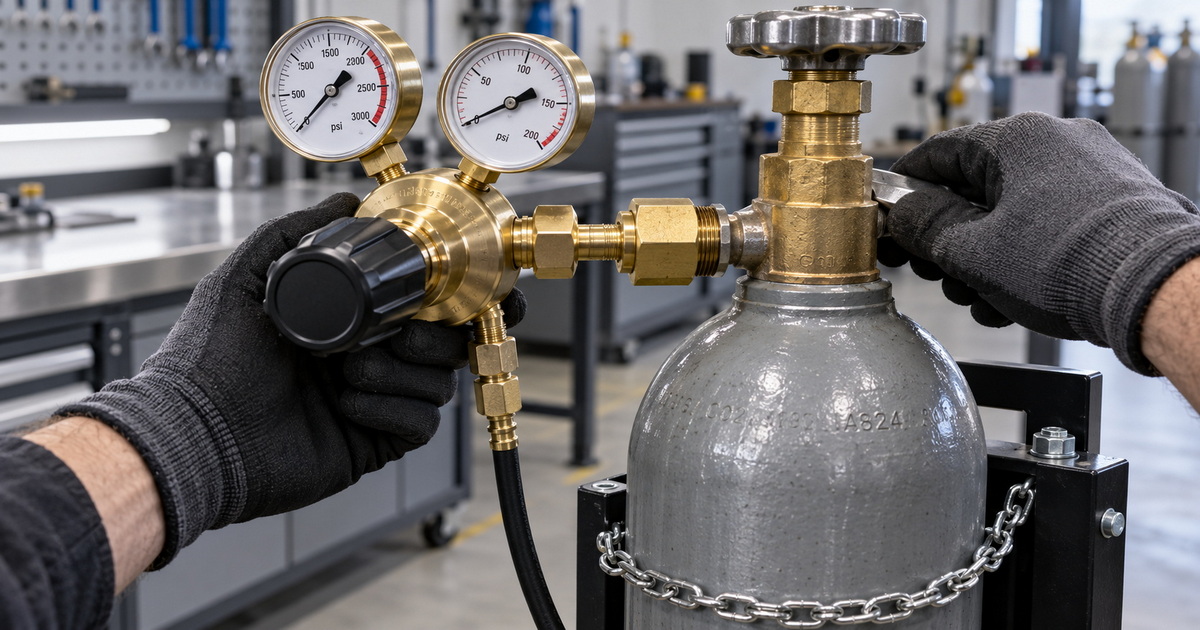
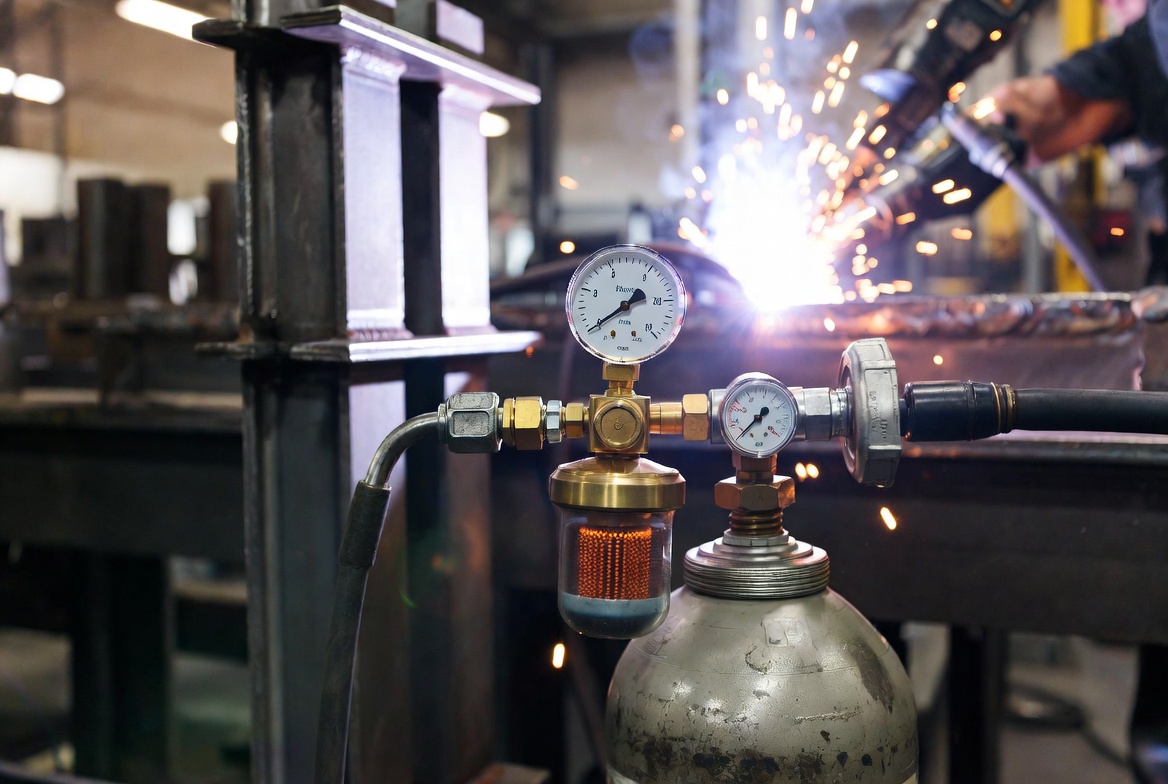
A gas regulator converts cylinder pressure into a controlled, stable working pressure and flow that your welding system can actually use. If that control is unstable, your arc fluctuates, your bead becomes inconsistent, and spatter and porosity rise sharply. [pakoxygen]
From a fabrication manager or welding engineer perspective, regulator performance directly affects:
– Arc stability and metal transfer mode
– Gas coverage of the weld pool and HAZ
– Rework rates due to porosity, undercut, and lack of fusion
– Gas consumption and cost per meter of weld
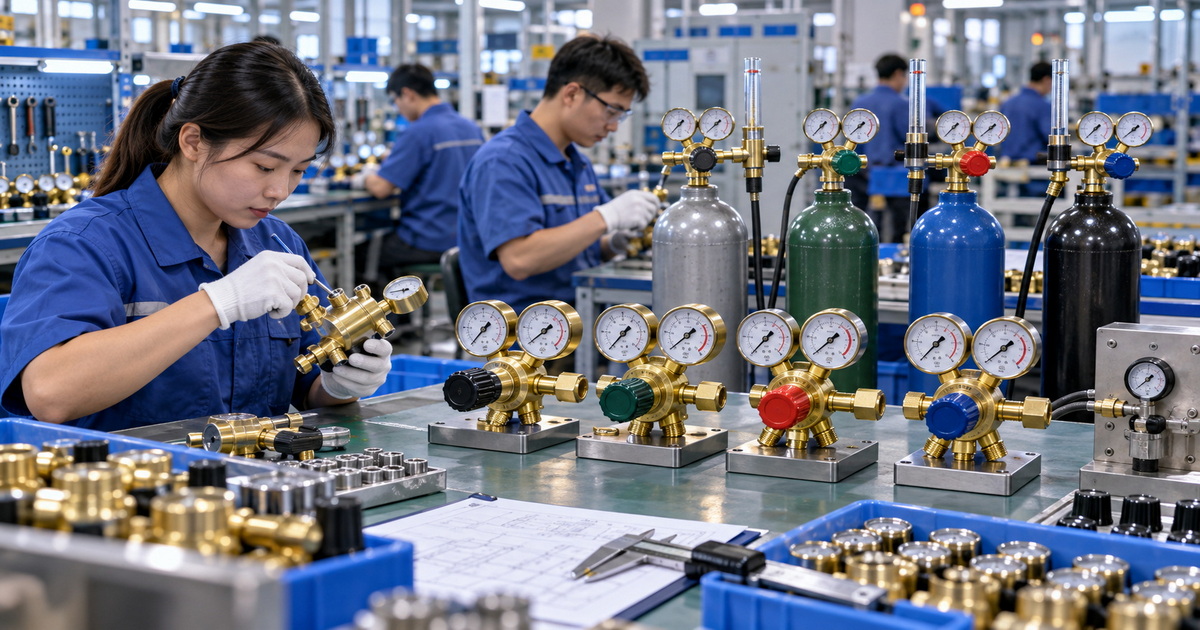
For welding OEMs and distributors, the regulator is a critical quality component that must combine precision machining, robust brass bodies, and reliably calibrated gauges to maintain brand reputation and minimize field failures. [store.mathesongas]
Core Differences Between Argon and CO₂ in MIG Welding
Gas Behavior and Typical Applications
– Argon is an inert shielding gas, ideal for aluminum and non‑ferrous metals and widely used in mixed form for spray‑transfer steel welding. [boc.co]
– CO₂ is an active gas that promotes deeper penetration but can increase spatter, especially in short‑arc steel MIG welding. [boc.co]
For aluminum MIG welding, pure argon is standard because CO₂ would react with the molten aluminum, creating severe porosity and oxidation. For carbon steel, 100% CO₂ or argon/CO₂ blends (e.g., 75/25) are common, depending on whether you prioritize penetration, bead appearance, or reduced spatter. [store.mathesongas]
Regulator Requirements by Gas Type
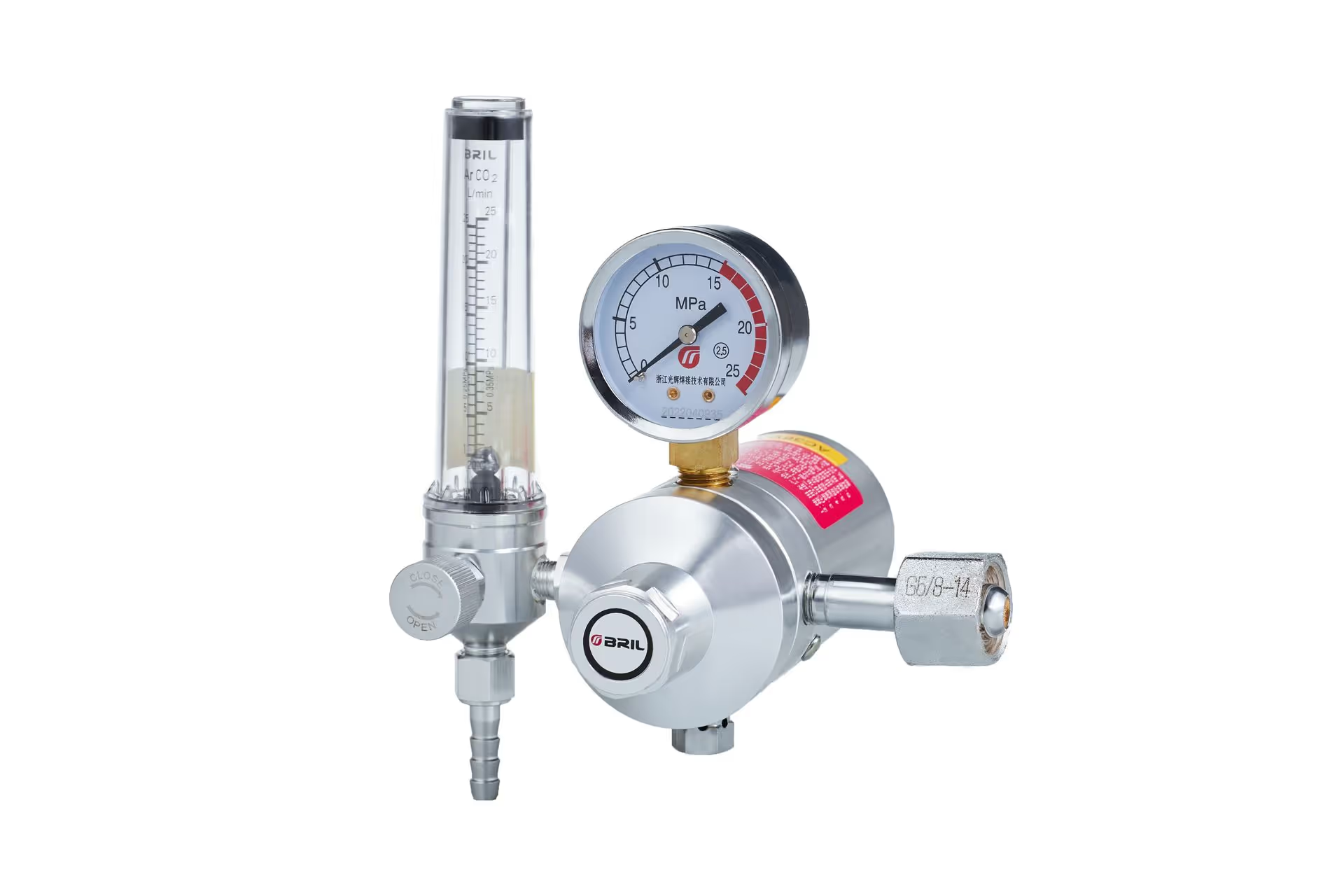
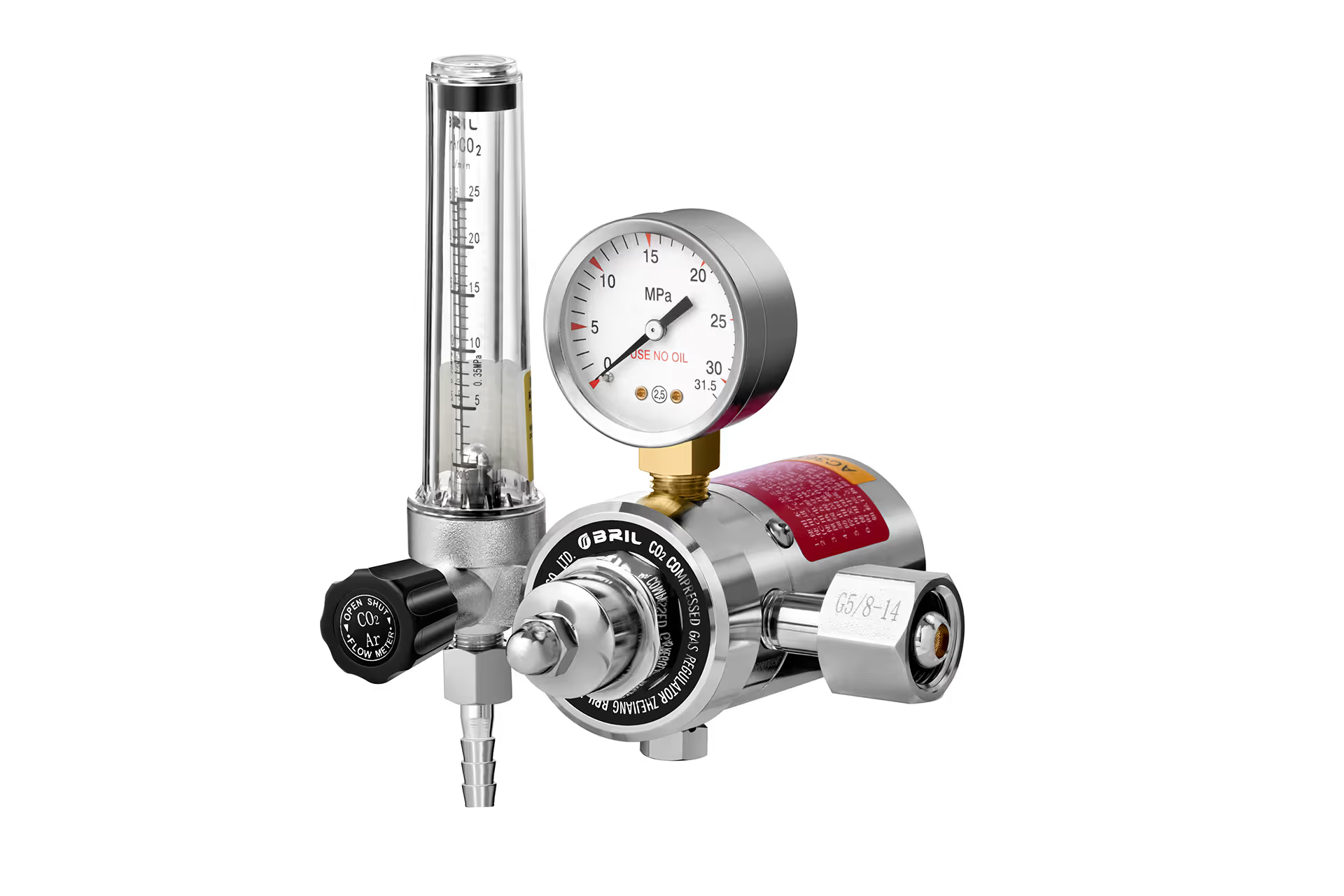
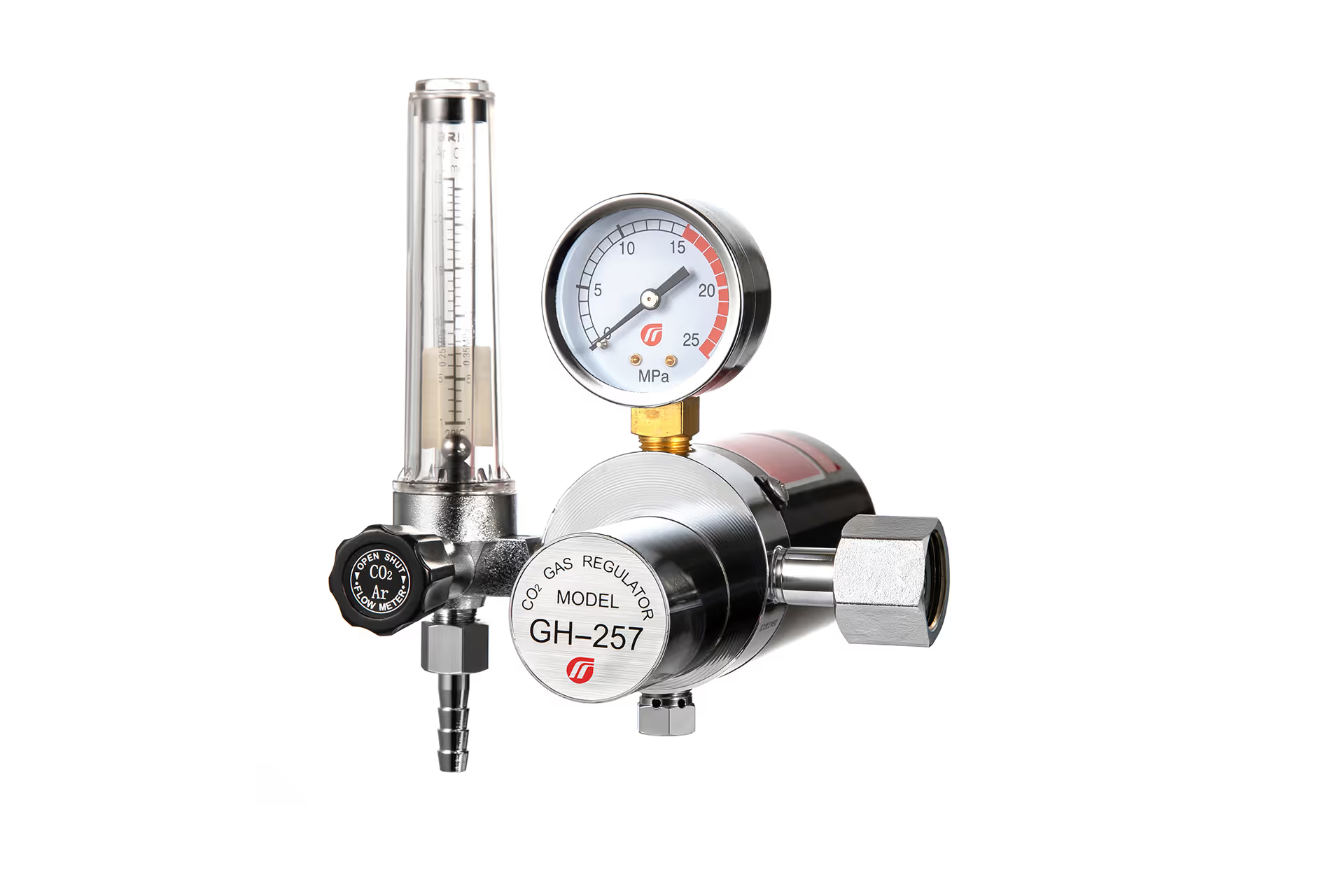
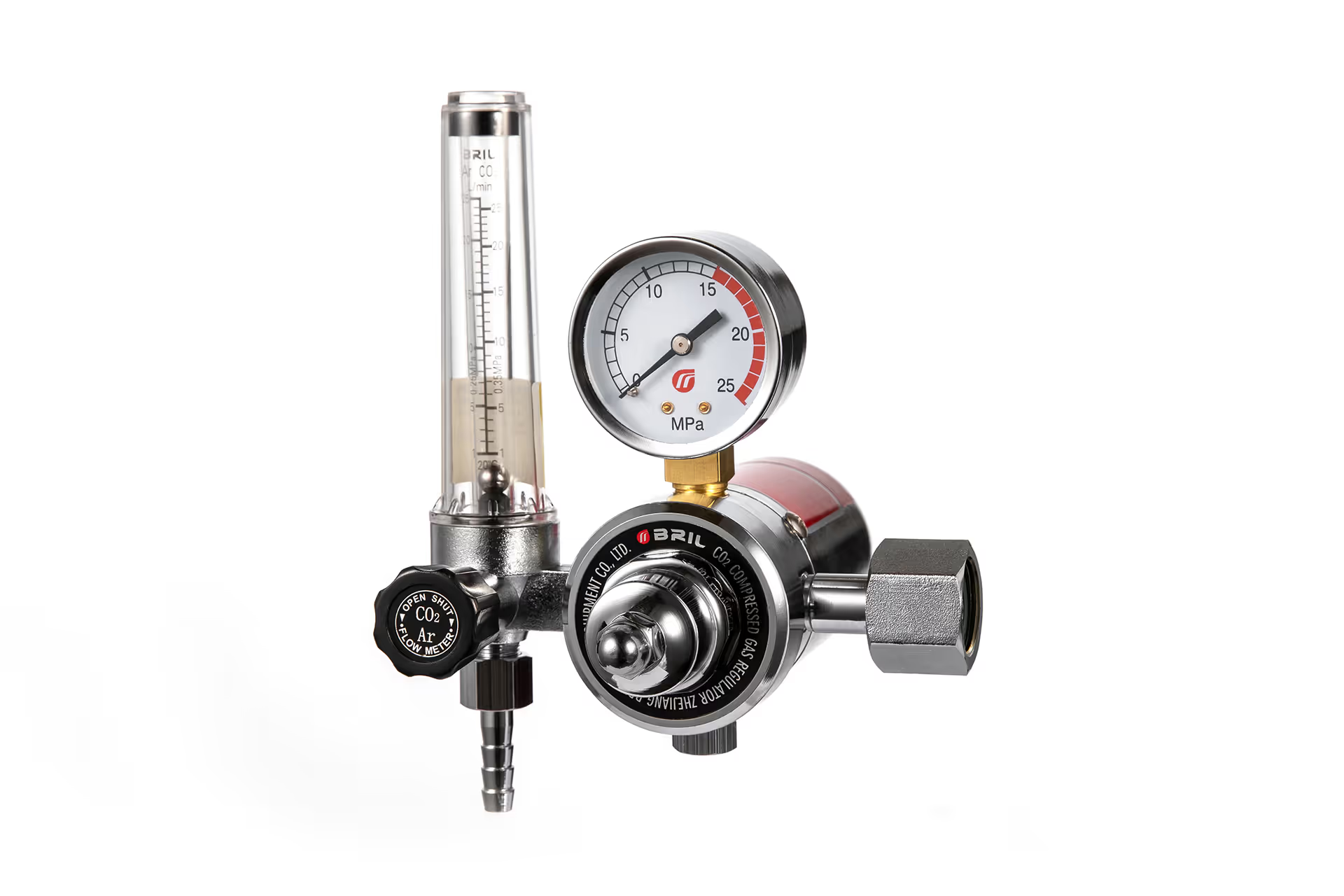
Although argon and CO₂ regulators can look similar from the outside, their internal design and configuration are optimized for different gas behaviors and pressures. [pakoxygen]
Key considerations:
– Pressure range: CO₂ cylinders often operate at different pressures and can require higher inlet ratings and different seat designs. [pakoxygen]
– Temperature effects: CO₂ is stored as a liquefied gas; when drawn off rapidly, it can cause regulator freezing, so heated CO₂ regulators or specific body designs are often recommended. [boc.com]
– Flow calibration: Flow scales and orifices are calibrated to the gas density, so argon and CO₂ regulators or flowmeters are not always interchangeable. [store.mathesongas]
Comparison Table – Argon vs CO₂ Regulators for MIG Welding
Practical Selection Snapshot
| Aspect | Argon Regulator for MIG | CO₂ Regulator (incl. Heated) for MIG |
|---|---|---|
| Typical gas use | Pure argon for aluminum and non‑ferrous; argon mixes for spray-transfer steel (boc.co) | 100% CO₂ or argon/CO₂ blends for steel, heavy penetration (boc.co) |
| Target materials | Aluminum, stainless, non‑ferrous alloys (boc.co) | Mild steel, structural steel, thicker sections (boc.co) |
| Pressure/flow behavior | Stable, inert gas, relatively low tendency to cause freezing (boc.co) | Liquefied gas, rapid draw‑off can cause regulator icing (boc.com) |
| Recommended regulator type | Precision single‑stage or dual‑stage regulator with fine low‑flow control (store.mathesongas) | CO₂‑specific regulator, often with heated option for high‑demand MIG (boc.com) |
| Weld bead characteristics | Smooth, low spatter, good wetting; essential for clean aluminum welds (boc.co) | Deeper penetration, higher spatter in short‑arc modes (boc.co) |
| Typical users | Aluminum fabricators, automotive, aerospace, food‑grade equipment (boc.co) | General fabrication, construction, heavy manufacturing (boc.co) |
Choosing the Right Gas and Regulator for Aluminum MIG Welding
Why Argon is Non‑Negotiable for Aluminum
For MIG welding aluminum, pure argon is the accepted industry standard thanks to its inert nature and ability to provide a stable, clean arc. Using CO₂ or CO₂‑rich mixes with aluminum leads to contamination, porosity, and brittle welds that will fail under service conditions. [boc.co]
To support this:
– Use a regulator designed and calibrated specifically for argon or argon‑based gases. [store.mathesongas]
– Opt for a dual‑stage regulator when consistency is critical (e.g., for robotic aluminum MIG cells). [boc.co]
– Ensure high‑quality brass construction and clean internal passageways to avoid contamination and drift. [pakoxygen]
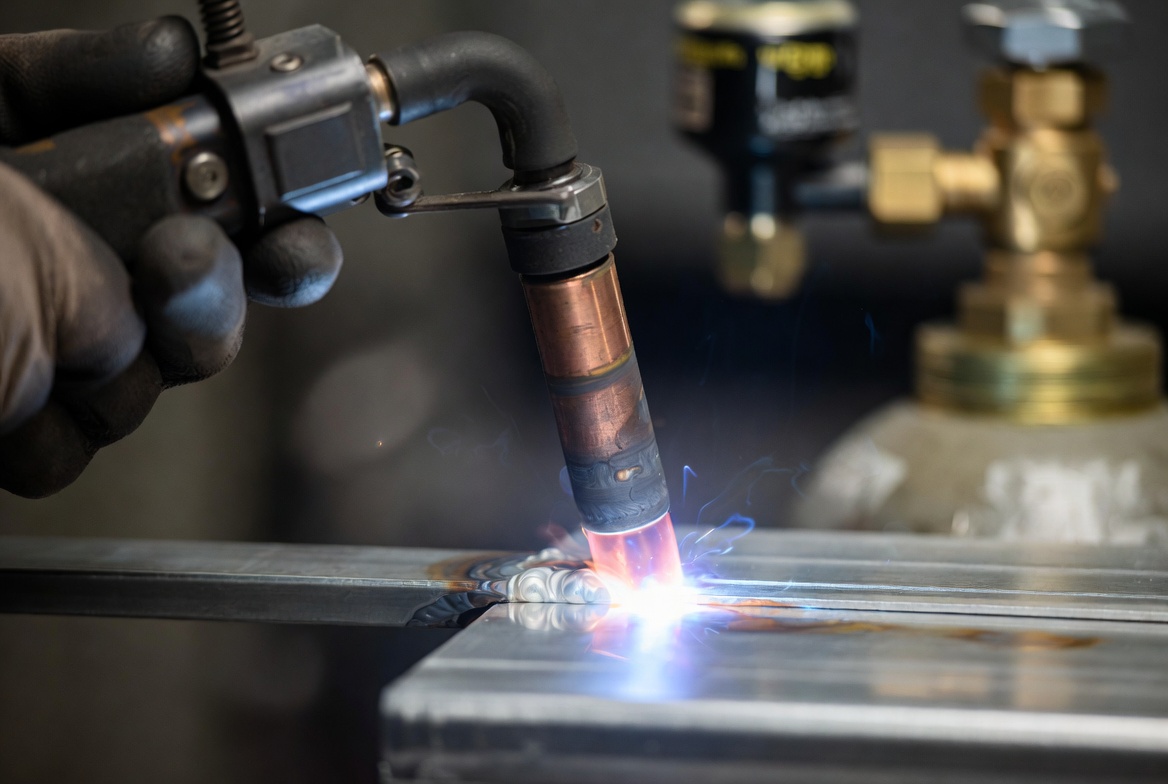
From an expert welder’s viewpoint, even a small pressure fluctuation or inconsistent flow can cause undercut or lack of fusion on thin aluminum, making a precise, stable regulator essential for repeatable results. [store.mathesongas]
Recommended Features for Aluminum MIG Argon Regulators
When specifying an argon regulator for aluminum:
– Fine low‑flow control for thin sheet and pulsed MIG. [store.mathesongas]
– Dual‑stage design where long weld runs or robotic cells need ultra‑stable outlet pressure. [boc.co]
– Clear, easy‑to‑read gauge faces and protected housings to survive shop environments. [pakoxygen]
– OEM/ODM customization of inlet connections, flow scales, and branding for integrators and private‑label welding brands. [pakoxygen]
Choosing the Right Gas and Regulator for Steel MIG Welding
When CO₂ Regulators Make Sense
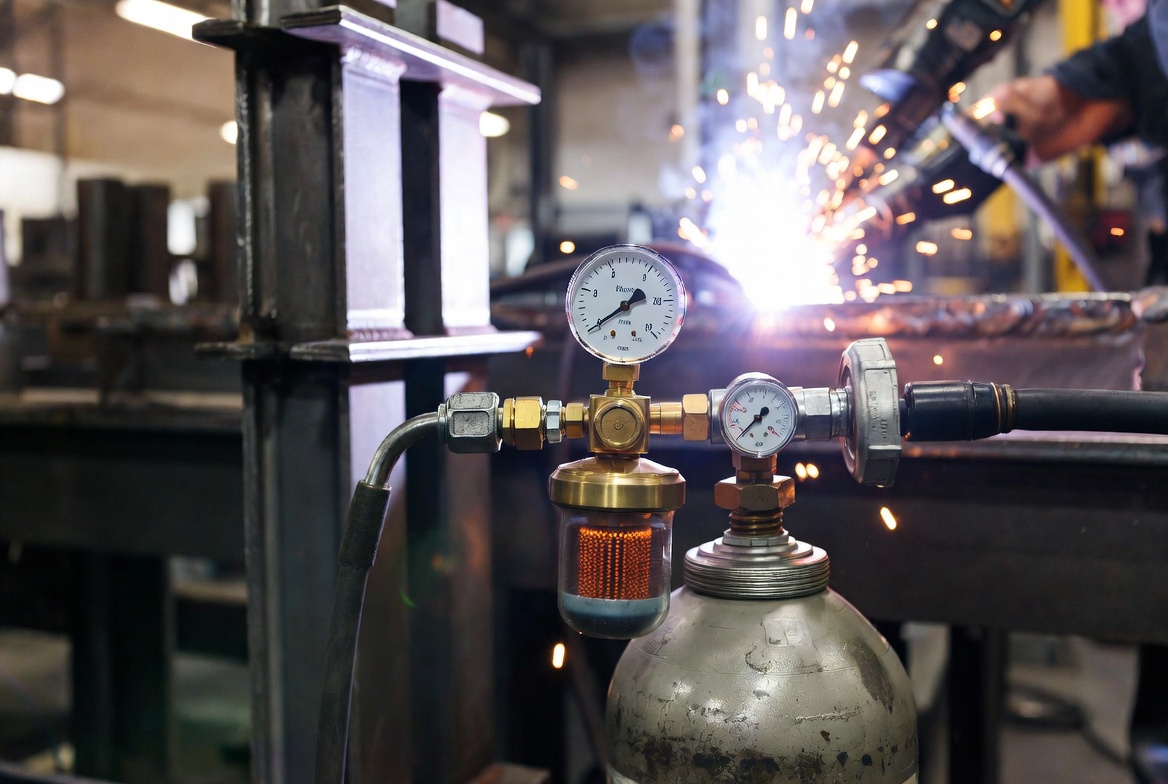
For carbon steel, 100% CO₂ is attractive because of its low cost and deep penetration, especially in heavy fabrication. However, its liquefied nature means that fast gas withdrawal can chill the regulator and cause pressure instability or icing. [boc.com]
This is where CO₂‑specific and heated CO₂ regulators become important:
– They are built to handle liquid‑to‑gas phase change and maintain stable outlet pressure. [boc.com]
– Heating elements help prevent freezing in high duty‑cycle MIG applications, such as automated welding or multi‑shift production. [boc.com]
If you use argon/CO₂ mixes from high‑pressure gas cylinders, regulators must still be correctly rated for the working pressure and calibrated for mixed gas properties. [boc.co]
Practical Regulator Features for Steel MIG with CO₂
For steel MIG setups using CO₂, look for regulators with:
– Adequate inlet pressure rating for CO₂ or CO₂ mix cylinders. [pakoxygen]
– Optional heating for high‑flow, high‑duty applications to prevent freeze‑up. [boc.co]
– Rugged brass bodies and high‑integrity seats to resist erosion and leakage. [pakoxygen]
– Flow range aligned with your nozzle size and wire feed speed so you avoid over‑consumption. [store.mathesongas]
Fabrication shops that standardize on properly matched CO₂ regulators often see more stable arc behavior and fewer sudden flow drops compared with using generic, non‑optimized units. [store.mathesongas]
Argon vs CO₂ for Aluminum and Steel – Expert Use Cases
Case 1 – Aluminum Autobody Panels with Argon Regulators
In an automotive repair context, thin aluminum panels require low heat input, smooth beads, and minimal post‑weld cleanup. A high‑quality argon regulator with stable low‑flow capability allows technicians to keep gas coverage consistent during varying torch angles and travel speeds. [boc.co]
Results:
– Reduced burn‑through on thin panels
– Lower risk of porosity and oxidation
– Cleaner weld surface, less grinding and finishing
Case 2 – Structural Steel with CO₂ Heated Regulators
For structural steel fabrication in multi‑shift operations, full penetration and high deposition rates are critical. Using 100% CO₂ with heated regulators allows high gas flow without freezing, supporting stable arcs on long fillet and groove welds. [boc.co]
Results:
– Deeper penetration and strong joints
– Less downtime due to regulator icing
– More predictable weld quality across shifts
Step‑by‑Step: How to Choose Between Argon and CO₂ Regulators
6‑Step Selection Checklist
1. Define your base material
– Aluminum or non‑ferrous: choose argon with an argon‑calibrated regulator. [boc.co]
– Carbon steel: choose CO₂ or Ar/CO₂ mix with a CO₂‑capable regulator. [boc.co]
2. Clarify your weld process and duty cycle
– Light, intermittent welding: standard single‑stage is often sufficient. [store.mathesongas]
– Heavy or automated welding: consider dual‑stage or heated regulators. [boc.co]
3. Confirm cylinder type and pressure
– CO₂ (liquefied gas) vs high‑pressure argon or mix. [pakoxygen]
– Match regulator inlet ratings and connections accordingly. [pakoxygen]
4. Set your target flow range
– Thin aluminum: lower flow with fine adjustment. [store.mathesongas]
– Heavy steel: higher flow range, possibly with heating for CO₂. [boc.com]
5. Check build quality and materials
– Prefer precision‑machined brass regulators with robust gauges. [pakoxygen]
– Ensure compliance with relevant international standards for industrial gas equipment. [store.mathesongas]
6. Decide on customization needs
– OEM/ODM branding, custom gauges, fittings, and flow scales for integrators, distributors, and private‑label welding brands. [pakoxygen]
Why Dual‑Stage and Specialty Regulators Matter for Professional MIG Cells
Benefits of Dual‑Stage Regulators
Dual‑stage regulators reduce cylinder pressure in two steps, significantly improving outlet stability as the cylinder empties. In aluminum or high‑precision steel MIG applications, that stability translates directly into more consistent weld bead geometry and reduced tuning time for robotic or automated cells. [boc.co]
Key advantages:
– Almost constant outlet pressure over cylinder life
– Reduced need for manual adjustments
– Improved process repeatability across multiple machines
For OEMs integrating MIG welding systems, specifying dual‑stage argon or CO₂ regulators is a clear way to differentiate on quality and reliability. [boc.co]
What to Look for in a Professional Gas Regulator Partner
OEM/ODM Perspective for Overseas Brands and Distributors
If you are a welding equipment brand, regional distributor, or industrial gas supplier, choosing the right gas regulator manufacturer is as strategic as choosing your power sources or torches. A strong partner should offer: [pakoxygen]
– Full product coverage: CO₂ regulators (including heated), argon, oxygen, acetylene, propane, nitrogen, and dual‑stage regulators for welding and cutting. [boc.co]
– Precision manufacturing: tight machining tolerances, stable pressure control, and consistent flow calibration. [pakoxygen]
– High‑grade brass materials and rigorous quality inspection to ensure leak‑free performance and long life. [pakoxygen]
– Customization: private‑label design, tailored gauge faces, connection standards, and application‑specific configurations. [store.mathesongas]
From a content strategist and buyer‑enablement angle, highlighting these regulator capabilities in product and landing pages builds trust and aligns strongly with Google’s E‑E‑A‑T expectations.
Actionable Recommendations – Argon vs CO₂ Regulator Selection
For aluminum MIG welding:
– Use pure argon shielding gas with an argon‑specific regulator. [boc.co]
– Choose dual‑stage regulators for automated or high‑precision work. [boc.co]
– Prioritize fine low‑flow control and stable pressure output to minimize porosity and burn‑through. [store.mathesongas]
For steel MIG welding:
– Use 100% CO₂ with CO₂‑specific or heated regulators for heavy, deep‑penetration welds. [boc.com]
– Consider argon/CO₂ blends and compatible regulators when you want lower spatter and better bead appearance. [boc.co]
– Match regulator capacity and heating options to duty cycle and gas draw‑off rate. [boc.com]
For OEMs, distributors, and welding brands:
– Standardize your regulator portfolio by gas type and application (aluminum vs steel, manual vs robotic) for clarity in your catalog and easier customer selection. [boc.co]
– Partner with a specialized regulator manufacturer that offers end‑to‑end OEM and ODM services, from engineering and testing to branding and certification support. [pakoxygen]
Call to Action – Upgrade Your Argon and CO₂ Regulator Strategy
If you manufacture or distribute MIG welding equipment, now is the time to treat argon and CO₂ regulators as strategic components, not commodity accessories. By specifying precise, application‑matched regulators – including CO₂ heated regulators, argon regulators for aluminum, and dual‑stage designs for critical lines – you can cut rework, stabilize weld quality, and elevate your brand’s technical reputation. [boc.com]
If you would like to develop customized argon and CO₂ regulator lines for aluminum and steel MIG welding, tailored to your target markets and standards, consider partnering with a dedicated OEM/ODM regulator manufacturer that focuses on precision brass construction, strict inspection, and international‑standard performance. [pakoxygen]
FAQs: Argon vs CO₂ Regulators for MIG Welding
Q1: Can I use the same regulator for both argon and CO₂?
In some cases combination regulators exist, but for accurate flow and long‑term reliability it is safer to use regulators calibrated and rated for each specific gas, especially with CO₂’s liquefied behavior and icing risk. [boc.com]
Q2: Why do CO₂ regulators sometimes freeze during welding?
CO₂ is stored as a liquefied gas; when you withdraw gas quickly, rapid expansion causes cooling, which can lead to regulator icing, pressure drop, and unstable flow. Heated CO₂ regulators are designed to minimize this issue. [boc.co]
Q3: Do I ever use CO₂ for aluminum MIG welding?
No. For aluminum MIG welding, pure argon shielding is standard because CO₂ is reactive and will cause severe porosity and oxidation in the weld. [boc.co]
Q4: When should I choose a dual‑stage regulator?
Choose dual‑stage regulators when you need very stable outlet pressure over long weld runs or across the full cylinder life, such as in robotic MIG cells or precision aluminum fabrication. [boc.co]
Q5: What should distributors look for in an OEM regulator supplier?
Look for a broad product range (argon, CO₂, CO₂ heated, oxygen, acetylene, propane, nitrogen, dual‑stage), robust brass construction, strict quality inspection, international standard compliance, and strong OEM/ODM customization options. [boc.co]
References
– [Specialty Gas Equipment – Regulators, Matheson] – general regulator functions, specialty and dual‑stage regulator applications. [store.mathesongas]
– [BOC – Industrial Gas Regulators] – industrial gas regulator types for argon, CO₂, oxygen, nitrogen, and acetylene. [boc.co]
– [BOC – Dual Stage Specialty Gas Regulators] – benefits and applications of dual‑stage regulators. [boc.co]
– [BOC – Specialty Gas Regulators] – specialty and heated regulator considerations for liquefied gases. [boc.com]
– [PakOxygen – Gas Regulators] – industrial gas regulator construction and portfolio overview. [pakoxygen]
– [Specialised Welding – Gas Regulators & Flowmeters] – practical welding regulator products and use contexts. [specialisedwelding.co]
– [BOC – Industrial Gas Regulators Overview] – argon and CO₂ regulator offerings for welding. [boc.co]
– [PakOxygen – Gas Regulators (single & multi‑stage)] – single and multi‑stage regulator configurations for industrial gases. [pakoxygen]
Hot Tags: Argon vs CO₂ Regulator, Manufacturers, Customized, Custom, Suppliers, Buy, Cheap, Quality, Advanced, Durable, Made in China, Price, Quotation