Content Menu
● What Is an Adjustable CO₂ Regulator?
● What Is a Fixed Pressure CO₂ Regulator?
● Adjustable vs Fixed Pressure CO₂ Regulator
● Why Pressure Control Matters for Beverage Lines
● When an Adjustable CO₂ Regulator Is the Better Choice
>> 1. Multiple beverages need different pressures
>> 2. Temperature is not perfectly constant
>> 3. The beverage line design may change
>> 4. OEM buyers need product flexibility
● When a Fixed Pressure CO₂ Regulator Is the Better Choice
>> 1. The beverage system is standardized
>> 2. Tamper prevention matters
>> 3. The installation has one stable requirement
>> 4. Equipment makers need a defined operating envelope
● Selection Checklist for Beverage Equipment Buyers
● Expert Setup Procedure for an Adjustable CO₂ Regulator
● Safety and Compliance Considerations
● Choosing the Right CO₂ Regulator
● FAQ
>> 1. What pressure should I set a CO₂ regulator for draft beer?
>> 2. Can a fixed pressure CO₂ regulator be used for beer?
>> 3. Why is beer foamy even when the CO₂ regulator is working?
>> 4. Can I use an oxygen or argon regulator for CO₂?
>> 5. Does a dual-gauge CO₂ regulator show how much gas remains?
>> 6. Are adjustable CO₂ regulators suitable for soda and sparkling water?
Choosing between an adjustable CO₂ regulator and a fixed pressure CO₂ regulator affects beverage quality, dispensing consistency, operating safety, and service efficiency. For draft beer, soda, sparkling water, and other carbonated beverage lines, the right CO₂ pressure regulator must match the beverage, keg temperature, line resistance, gas supply design, and the operator’s ability to manage settings.
From our experience manufacturing precision gas regulators for industrial and beverage gas-control applications, the core decision is simple: choose an adjustable CO₂ regulator when operating conditions vary; choose a fixed pressure CO₂ regulator when the system is standardized and misuse prevention matters most. A regulator is not merely a connector between a CO₂ cylinder and a keg—it is the control point that protects carbonation, pouring performance, and downstream equipment.
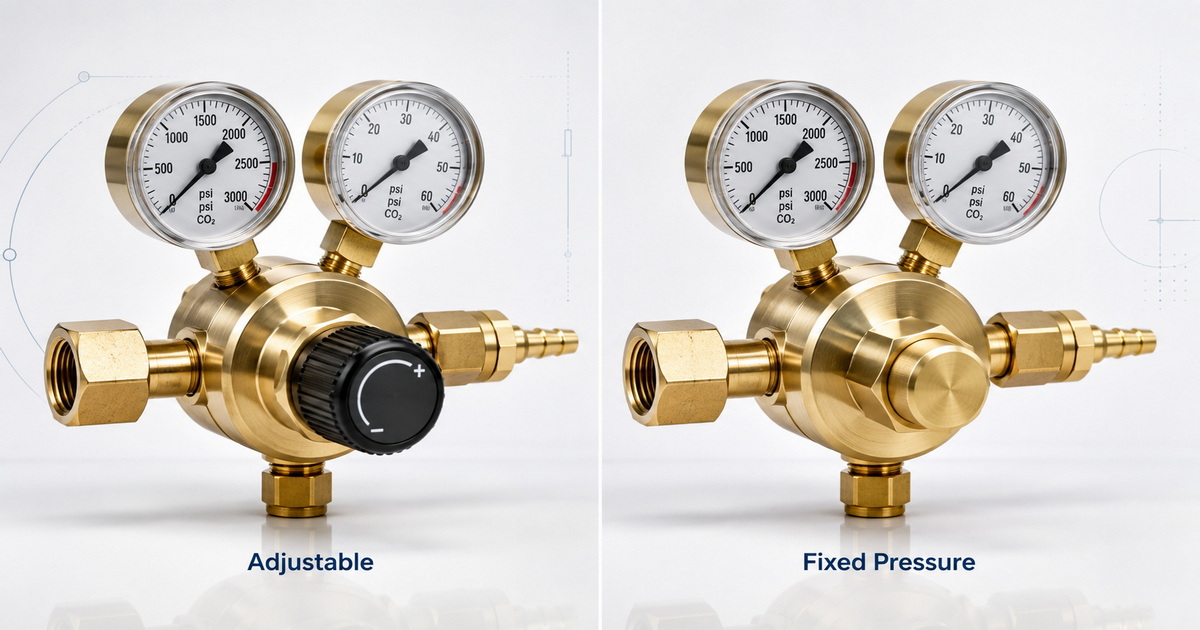
What Is an Adjustable CO₂ Regulator?
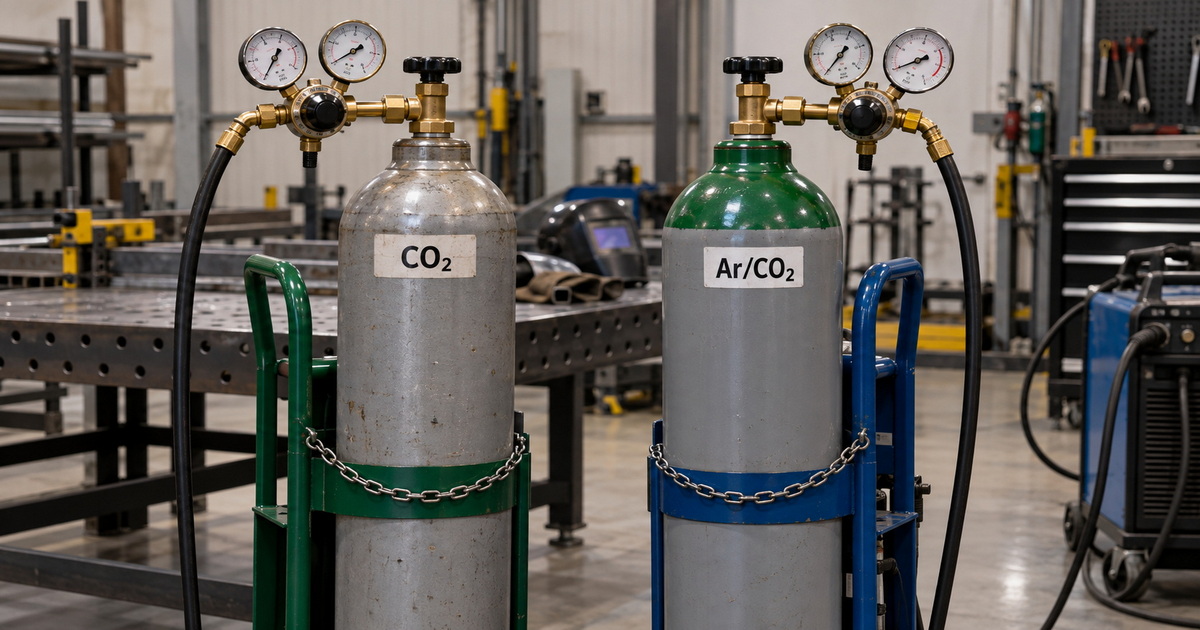
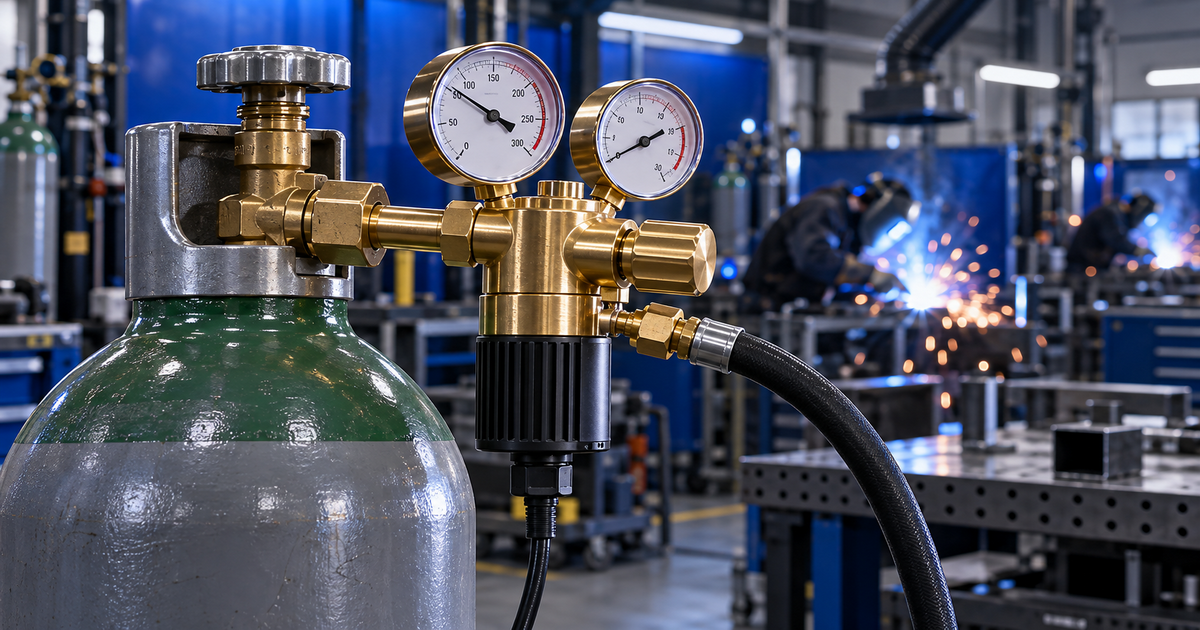
An adjustable CO₂ regulator reduces high cylinder pressure to a selected, usable outlet pressure. The operator changes the setting through an adjustment screw, knob, or bonnet mechanism. Turning the control clockwise generally increases outlet pressure, while turning it counterclockwise reduces it.
For beverage dispensing, adjustable regulators commonly include:
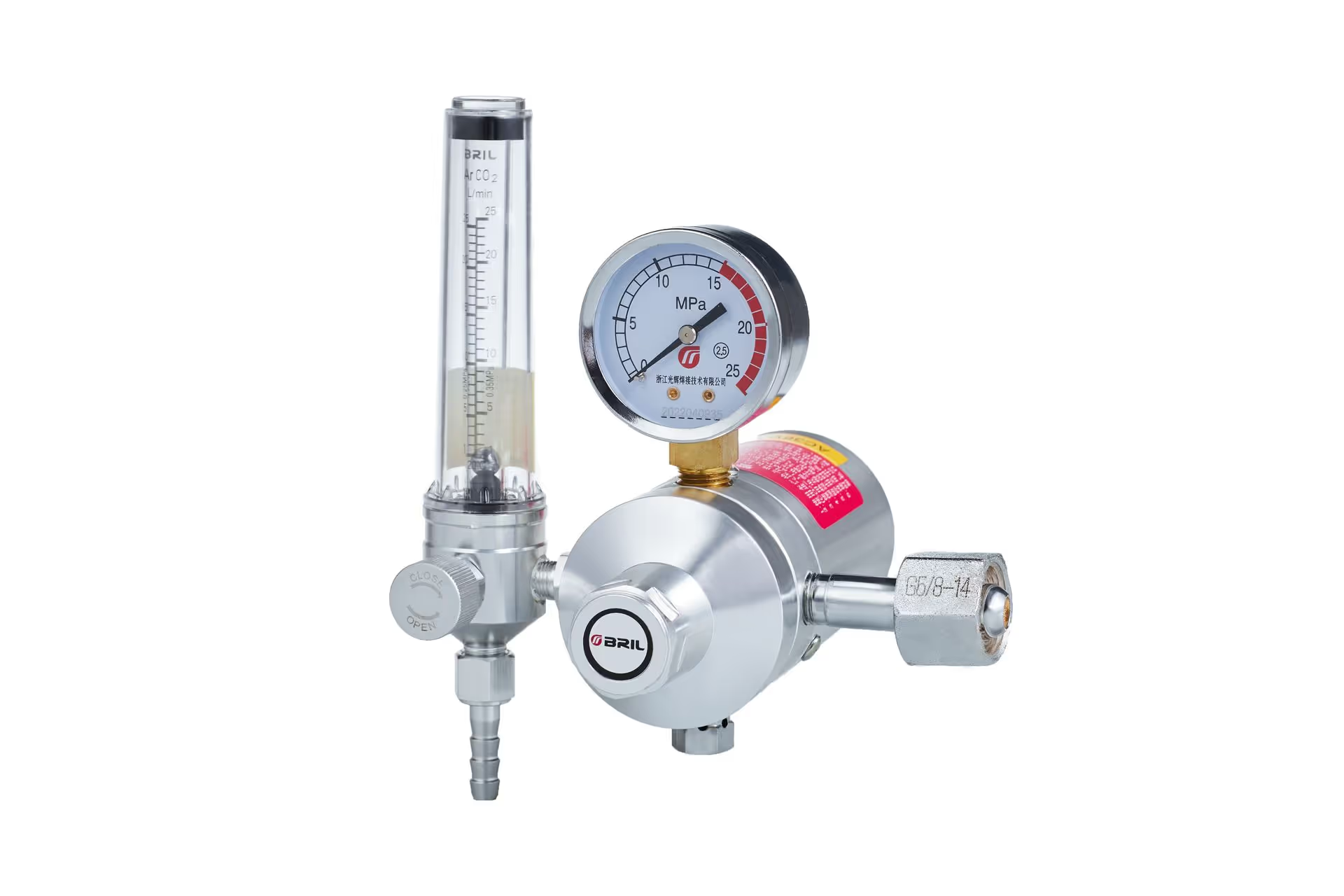
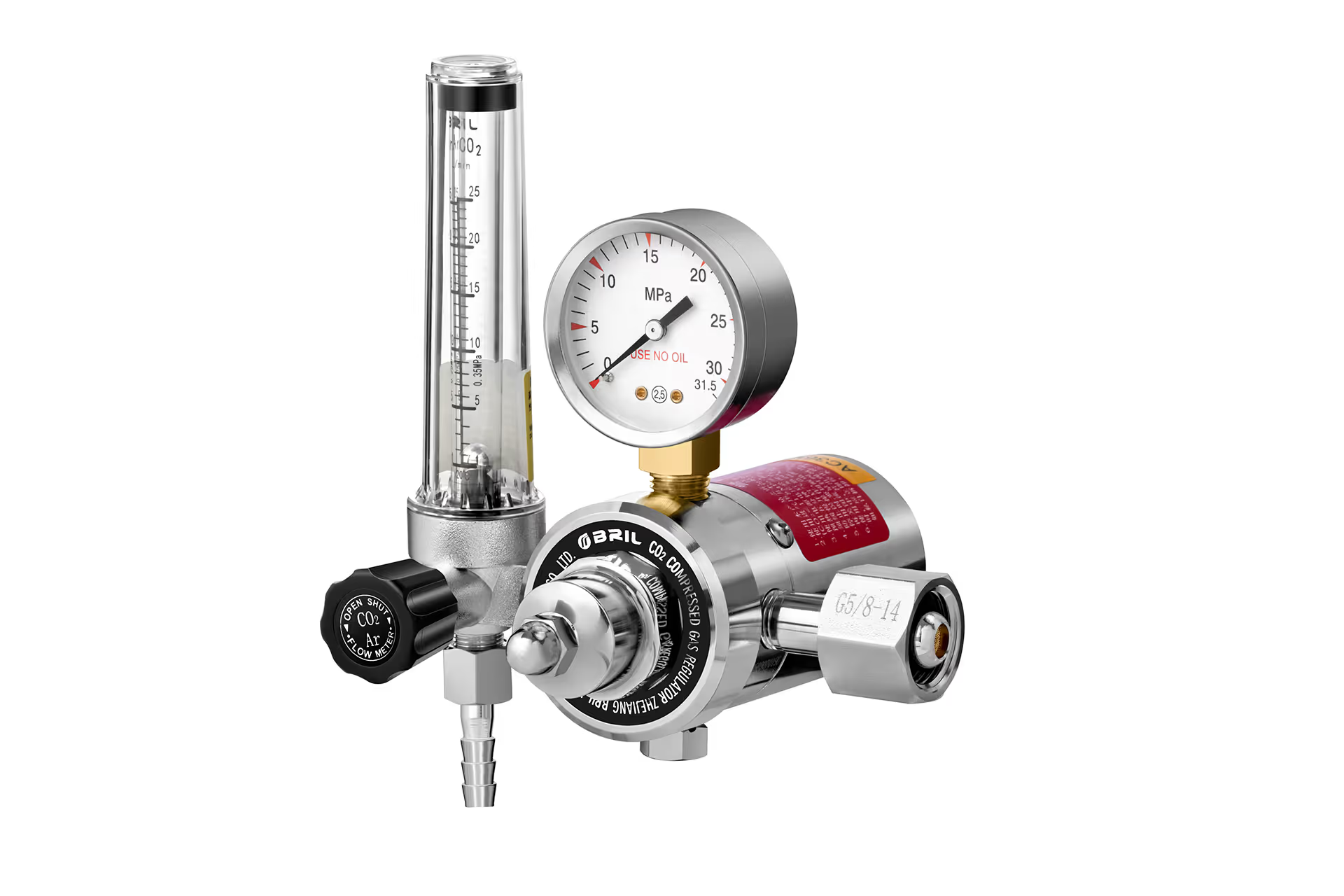
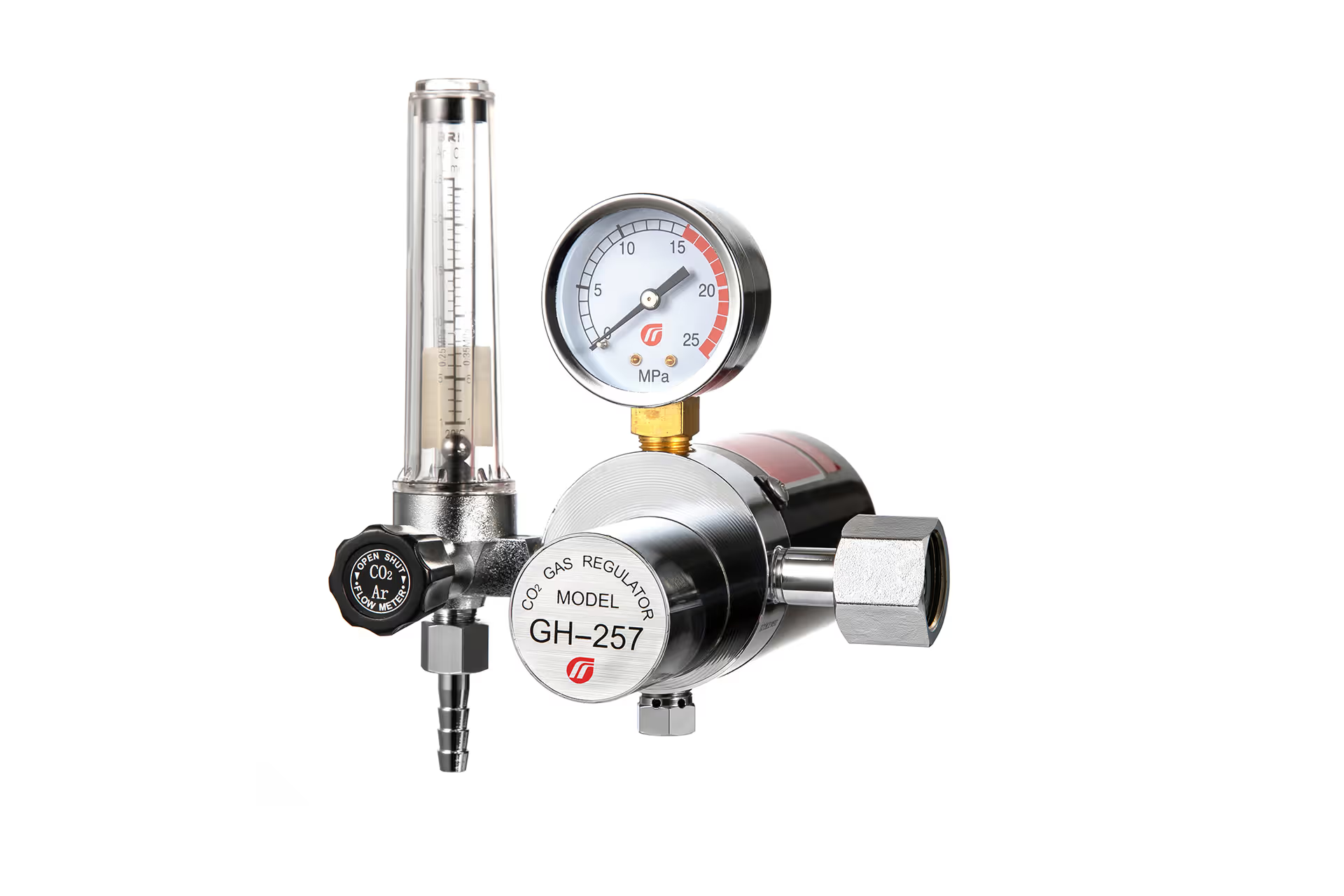
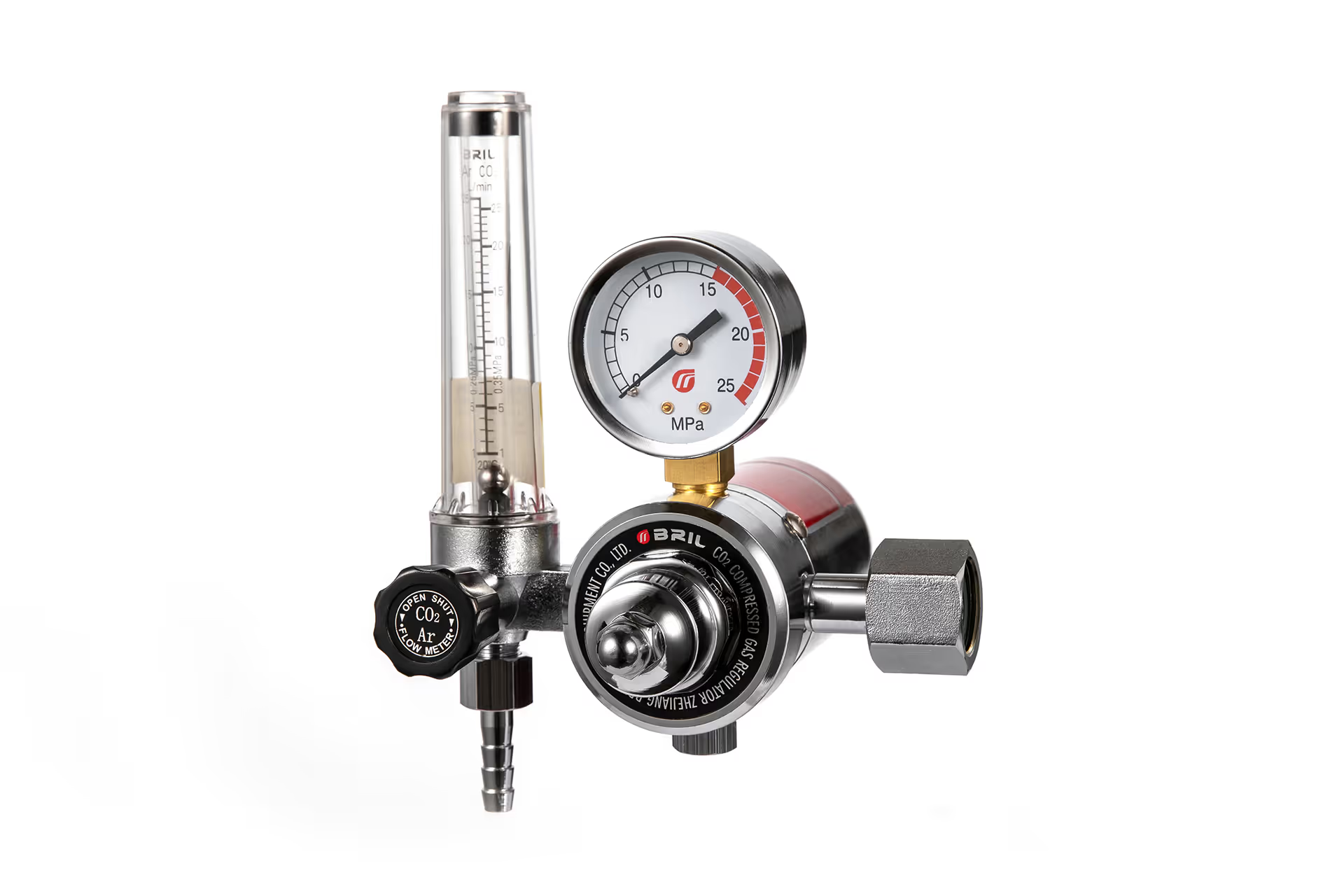
– A high-pressure gauge to indicate cylinder-side pressure.
– A low-pressure gauge to display outlet or delivery pressure.
– An adjustment mechanism for setting the desired pressure.
– A safety relief device or pressure-relief valve.
– A shut-off valve, check valve, or multiple outlet body, depending on the system configuration.
– Gas-specific inlet connection options designed for CO₂ service.
An adjustable CO₂ regulator is particularly useful because beverage dispensing pressure is not universal. For example, a typical ale or lager held at 38°F and carbonated at 2.6 volumes of CO₂ may require a regulator setting of approximately 14 psi. A line that serves soda, sparkling water, or long-draw beer can require a different pressure strategy.
In practice, an adjustable regulator gives operators the ability to respond when a keg temperature changes, a product formulation changes, a line is extended, or a new beverage is added to the system.
What Is a Fixed Pressure CO₂ Regulator?
A fixed pressure CO₂ regulator supplies gas at a predetermined outlet pressure rather than allowing frequent user adjustment. The outlet pressure is normally factory-set or mechanically limited to a specific value, such as 10 psi, 15 psi, 30 psi, or another application-defined setting.
Unlike an adjustable CO₂ regulator, a fixed pressure CO₂ regulator is designed for repeatability. It is a practical choice where every outlet should operate at the same defined pressure and where operators should not routinely change the setting.
Fixed pressure models may use a preset spring configuration, tamper-resistant adjustment design, or a limited adjustment range. For example, some beverage regulator designs incorporate factory-set outlet-pressure limits and integral relief protection.
A fixed regulator is not automatically “better” or “safer” simply because the setting cannot be changed. It is only the better choice when the fixed setpoint has been engineered around the actual beverage system.
Adjustable vs Fixed Pressure CO₂ Regulator
| Feature | Adjustable CO₂ Regulator | Fixed Pressure CO₂ Regulator |
|---|---|---|
| Outlet pressure control | Operator can increase or decrease pressure within the rated range | Preset pressure, with limited or no routine adjustment |
| Best for | Multi-product beverage systems, changing keg temperatures, long-draw systems, service applications | Standardized single-product systems, repeat installations, controlled-use environments |
| Flexibility | High | Low to moderate |
| Risk of incorrect settings | Higher if users lack training | Lower when the preset pressure is correct |
| Installation simplicity | Requires setup and pressure verification | Faster when the specified outlet pressure is already known |
| Carbonation control | Can be optimized for specific beverage and temperature conditions | Consistent only if system conditions remain stable |
| Maintenance approach | Requires gauge checks and controlled adjustment | Requires periodic verification that actual output remains at design pressure |
| OEM/ODM potential | Custom pressure ranges, ports, gauges, fittings, branding, relief settings | Custom fixed setpoints, tamper-resistant designs, housing finishes, packaging |
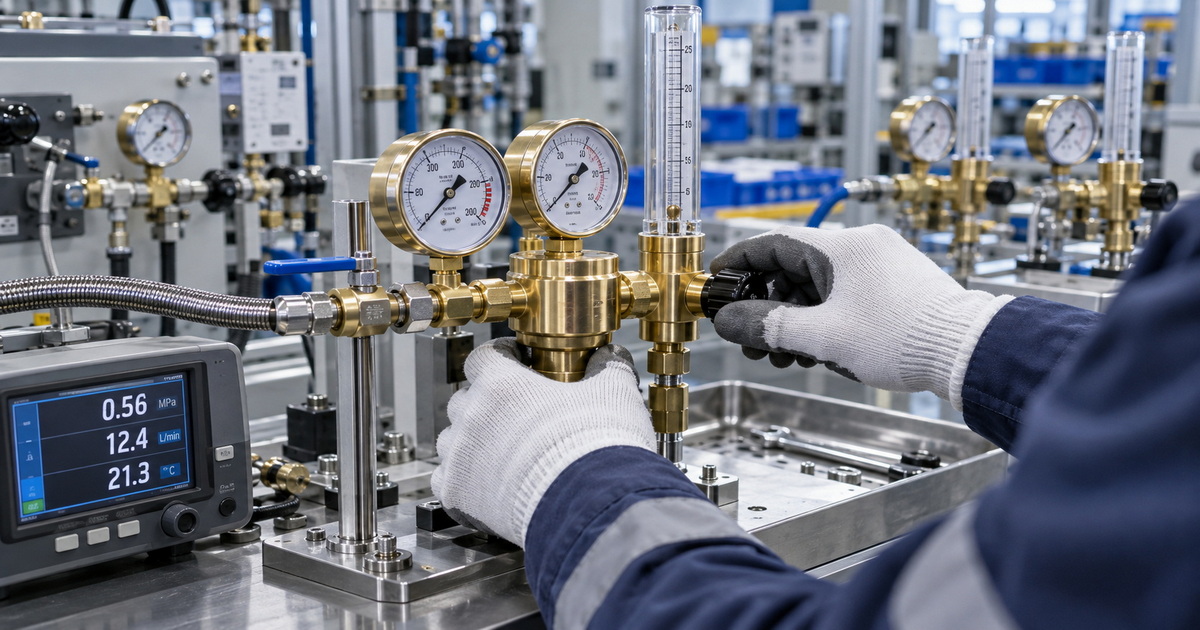
The most important distinction is not whether a regulator can adjust. It is whether the regulator can deliver stable pressure at the required flow while remaining compatible with the gas, cylinder connection, hoses, couplers, and safety requirements of the beverage installation.
Why Pressure Control Matters for Beverage Lines
CO₂ pressure directly influences carbonation balance and dispense behavior. If pressure is too low, the beverage can gradually lose carbonation, pour slowly, or appear flat. If pressure is too high, excessive foam, over-carbonation, wasted product, and customer complaints can follow.
Beer is especially sensitive because its ideal dispense pressure depends on both storage temperature and carbonation target. Draft-system guidance commonly places many beer applications in the 10–15 psi range, but that is a starting point rather than a universal specification. The correct value can change with:
– Beverage temperature.
– Desired CO₂ volumes or carbonation level.
– Beer style or beverage type.
– Length, diameter, elevation, and restriction of the beverage line.
– Coupler type and keg condition.
– Number of outlets on the gas distribution system.
– Whether CO₂, nitrogen, or a gas blend is used.
For example, a short, well-balanced beer line with refrigerated kegs may operate reliably at a relatively moderate pressure. A long-draw system may need more pressure to overcome line resistance. Simply increasing CO₂ pressure without reviewing the full system can create foam rather than solve it.
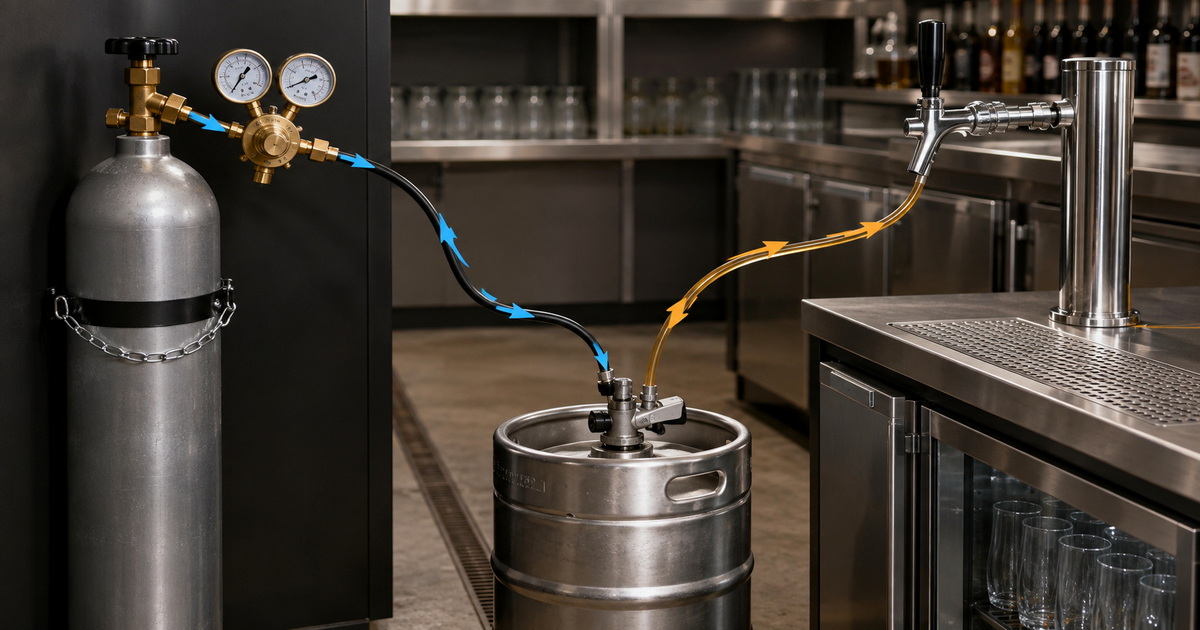
When an Adjustable CO₂ Regulator Is the Better Choice
An adjustable CO₂ regulator is the stronger option for operators who need control over varied beverage conditions. It is common in bars, breweries, beverage distributors, mobile beverage carts, and commercial installations with multiple keg types.
1. Multiple beverages need different pressures
One outlet pressure may not work for every beverage. A carbonated soft drink, sparkling water, lager, stout, kombucha, or high-carbonation specialty beverage can have different gas requirements.
A practical configuration is a primary adjustable CO₂ regulator at the cylinder, followed by secondary regulators downstream. This lets an operator create pressure zones rather than applying one pressure to every keg.
2. Temperature is not perfectly constant
CO₂ dissolves differently as beverage temperature changes. A keg stored at 38°F will not behave exactly like one stored at 44°F. Adjustable pressure helps a trained operator compensate for real operating conditions rather than relying on a fixed setpoint selected for an ideal environment.
3. The beverage line design may change
Restaurants and beverage operators frequently expand tap systems, replace line materials, or relocate kegs. These changes affect pressure loss and dispensing balance. Adjustable regulators provide practical tuning capability during commissioning and maintenance.
4. OEM buyers need product flexibility
For overseas brands, wholesalers, and beverage-equipment assemblers, an adjustable CO₂ regulator offers broader market applicability. OEM and ODM buyers can specify:
– Output pressure range.
– Single- or dual-gauge configuration.
– One, two, or multiple outlet ports.
– Brass body grade and surface finish.
– Relief-valve specification.
– Inlet and outlet thread standards.
– Private-label logos, color rings, packaging, and instructions.
For distributors, this flexibility can reduce SKU complexity because one configurable product can support multiple common beverage applications.
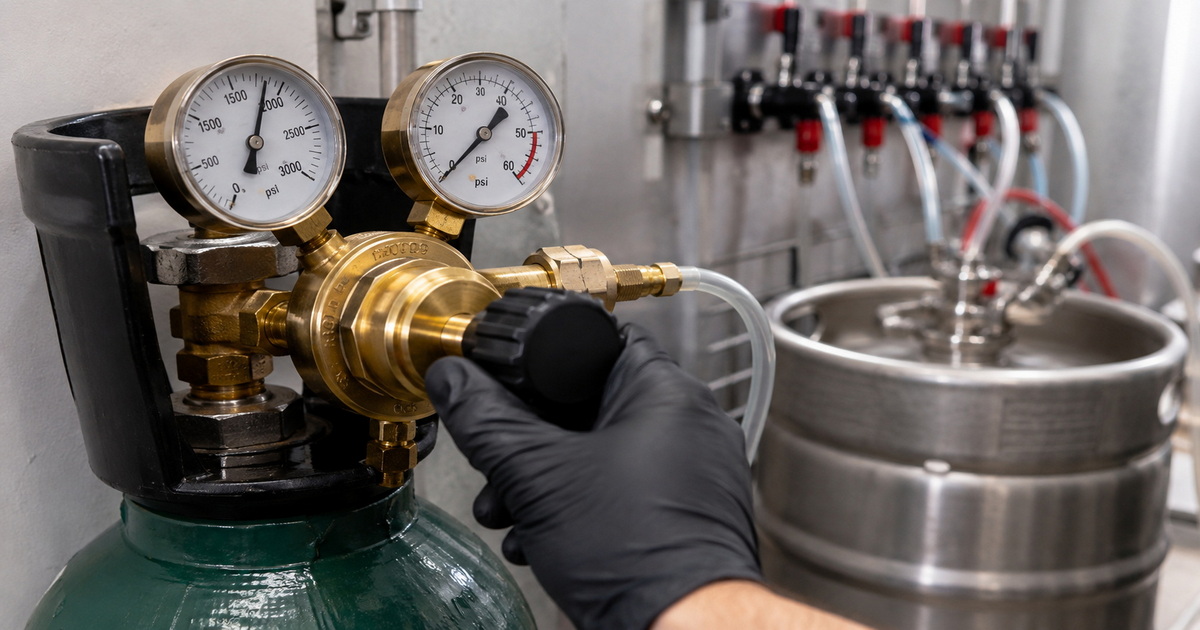
When a Fixed Pressure CO₂ Regulator Is the Better Choice
A fixed pressure CO₂ regulator is valuable when process consistency is more important than operator control. It can be an excellent option for equipment manufacturers, franchise systems, preconfigured dispensers, and installations where staff should not adjust pressure.
1. The beverage system is standardized
If every installation uses the same beverage, keg temperature, hose length, fittings, and dispensing hardware, a preset regulator can reduce setup time. The manufacturer determines the intended outlet pressure during system engineering.
This approach can improve repeatability across identical installations. It also reduces the chance that a staff member changes a setting to “fix” foam without understanding the underlying cause.
2. Tamper prevention matters
A fixed pressure or tamper-resistant CO₂ regulator is useful in high-turnover locations, self-service environments, and managed beverage programs. A locked or factory-preset design supports process discipline.
However, tamper resistance should not replace proper commissioning. If the line is unbalanced, locking the wrong pressure simply preserves the problem.
3. The installation has one stable requirement
A small dispensing system serving one standardized product at a controlled temperature may not require daily adjustment. In that case, fixed pressure control can simplify operation and reduce training needs.
4. Equipment makers need a defined operating envelope
For a beverage machine manufacturer, a fixed regulator may help protect downstream components by restricting output to the system’s intended pressure range. The regulator’s materials, seals, relief function, flow capacity, and pressure rating must still be selected for CO₂ service and the complete equipment design.
Selection Checklist for Beverage Equipment Buyers
Before purchasing an adjustable or fixed pressure CO₂ regulator, ask these questions:
1. What beverage will the system dispense?
Identify beer, soda, sparkling water, wine, cocktail mixer, kombucha, or another carbonated product.
2. What is the normal keg or product temperature?
Pressure selection without temperature data is incomplete.
3. Does every outlet need the same pressure?
If not, consider multiple adjustable outlets or secondary regulators.
4. What are the gas-line and beverage-line lengths?
Long-draw systems require a system-level pressure calculation.
5. What is the maximum inlet pressure?
Confirm that the regulator is rated for the CO₂ cylinder supply pressure and intended service.
6. Which connection standard is required?
Use the correct gas-specific cylinder connection. Safety guidance warns against using adapters to make an incompatible regulator fit a different cylinder connection.
7. What protection features are needed?
Consider pressure relief, shut-off valves, check valves, robust gauges, and tamper-resistant controls.
8. Who will adjust and inspect the regulator?
A trained technician can manage an adjustable model. A standardized site may benefit from a fixed pressure design.
Expert Setup Procedure for an Adjustable CO₂ Regulator
In our quality-control work, we recommend treating regulator setup as a controlled commissioning task, not a trial-and-error adjustment.
1. Confirm that the regulator, cylinder connection, seals, hoses, and fittings are designed for CO₂ service.
2. Inspect the regulator body, gauges, threads, inlet nipple, outlet connection, and relief device before installation. A regulator should be in safe working condition and compatible with the specific gas and cylinder combination.
3. Close the regulator adjustment fully before opening the CO₂ cylinder valve.
4. Secure the cylinder upright and open the cylinder valve slowly.
5. Check all connections for leakage using an approved leak-detection method.
6. Set the outlet pressure according to beverage temperature, carbonation target, and line design.
7. Allow the keg and line system to stabilize before deciding whether further adjustment is required.
8. Document the final pressure setting, beverage temperature, and system configuration for future service reference.
One important operational point: lowering a regulator setting does not instantly reduce pressure already inside the keg. The keg must be safely vented through the appropriate pressure-relief method before the new lower equilibrium is achieved.
Safety and Compliance Considerations
CO₂ is nonflammable, but it can displace oxygen and accumulate in enclosed or low-lying areas. Beverage operators should not view a regulator as the complete safety solution. Safe operation requires appropriate cylinder handling, compatible equipment, leak control, ventilation or gas detection where required, and staff training.
In the United States, beverage-dispensing CO₂ installations may fall under local fire-code and permitting requirements. International Fire Code guidance addresses CO₂ systems used in beverage dispensing and requires ventilation or emergency alarm protection in certain indoor areas where CO₂ can accumulate. Requirements vary by location, total CO₂ quantity, system type, and installation environment.
For manufacturers and OEM buyers, this means product documentation should clearly state:
– Approved gas service.
– Maximum inlet pressure.
– Outlet-pressure range or fixed setpoint.
– Gauge ranges and accuracy expectations.
– Relief-device information.
– Compatible fittings and thread standards.
– Inspection and maintenance instructions.
– Warnings against unauthorized modification or cross-gas use.
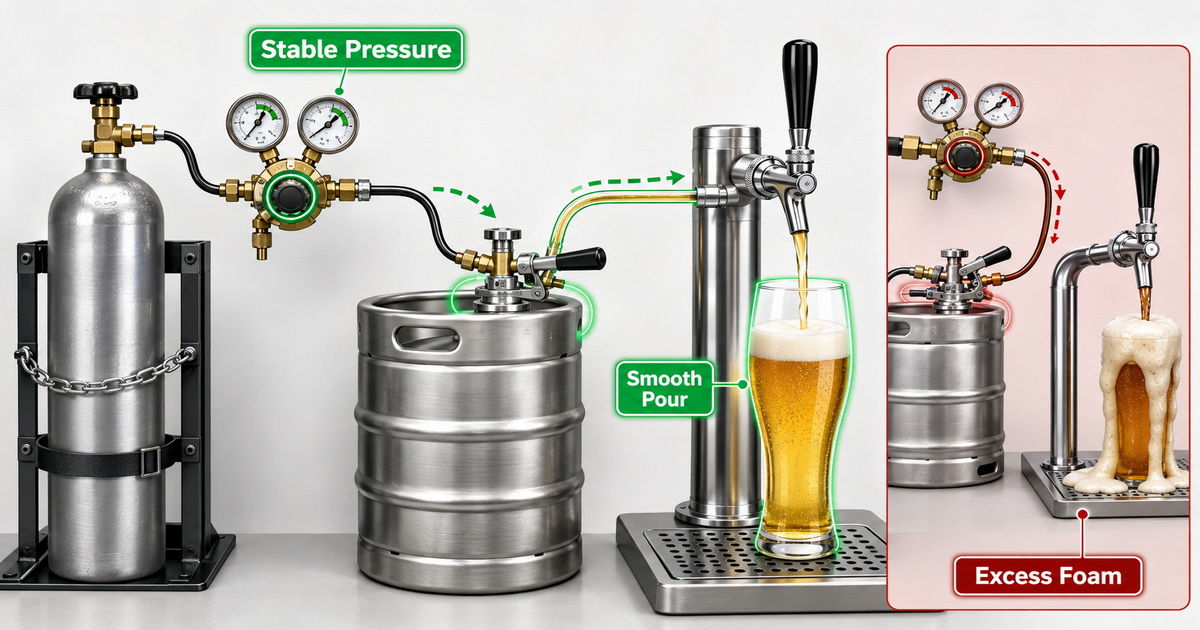
Choosing the Right CO₂ Regulator
Choose an adjustable CO₂ regulator if your beverage lines serve multiple products, experience temperature variation, use different line lengths, or require field tuning. It provides the control needed to optimize carbonation and pour quality across changing operating conditions.
Choose a fixed pressure CO₂ regulator if your system is engineered around one stable pressure requirement, uses repeatable hardware, and benefits from tamper resistance or rapid installation. Its value comes from consistency—not from eliminating the need for correct system design.
For OEM, ODM, and wholesale beverage-equipment projects, the best approach is to define the full operating profile before selecting the regulator. Our engineering team can help specify brass CO₂ regulators with customized pressure ranges, fixed setpoints, gauges, outlet configurations, fittings, branding, and packaging for your target market.
Need a reliable CO₂ regulator for a beverage line or private-label product range? Contact us with your gas type, cylinder connection, target outlet pressure, beverage application, and expected order quantity to request an OEM/ODM solution.
FAQ
1. What pressure should I set a CO₂ regulator for draft beer?
Many standard draft beer systems operate around 10–15 psi, but the correct setting depends on keg temperature, carbonation level, line resistance, and beer type. A 38°F keg at 2.6 volumes of CO₂, for example, may require about 14 psi.
2. Can a fixed pressure CO₂ regulator be used for beer?
Yes. It works well when the beer system has a stable, validated operating pressure. It is less suitable when products, temperatures, or line configurations change frequently.
3. Why is beer foamy even when the CO₂ regulator is working?
Foam can result from warm beer, excessive pressure, insufficient line resistance, dirty lines, damaged couplers, or an unbalanced dispensing system. Do not assume the regulator is the only cause.
4. Can I use an oxygen or argon regulator for CO₂?
No. Use a regulator designed and connected for the specific gas service. Gas-specific fittings help prevent incompatible connections, and safety authorities advise against using adapters to bypass those safeguards.
5. Does a dual-gauge CO₂ regulator show how much gas remains?
A dual-gauge regulator typically shows cylinder-side pressure and regulated outlet pressure. Cylinder pressure can indicate general cylinder condition, but for liquid CO₂, weight or a dedicated level-measurement method is more reliable for determining remaining contents.
6. Are adjustable CO₂ regulators suitable for soda and sparkling water?
Yes, provided the regulator’s pressure range, flow capacity, fittings, seals, and safety features match the beverage system. Soda and sparkling-water systems may require different pressures from draft beer systems.
References
1. Micro Matic. “[What Pressure Do I Need to Set the CO₂ Beer Regulator To?]” Accessed August 12, 2026.
2. University of Southern California Environmental Health & Safety. “[Gas Regulators]” Accessed August 12, 2026.
3. Lawrence Berkeley National Laboratory Environment, Health & Safety. “[Chapter 13 – Gas Safety]” Accessed August 12, 2026.
4. International Code Council. “[CO₂ Standards: Do You Know the Dangers of Carbon Dioxide?]” Accessed August 12, 2026.
5. Norgren. “[UL Listed Beverage Regulators: Cylinder Gas Pressure (CO₂)]” Product and technical documentation.
6. KegWorks. “[A Guide to CO₂ and Nitrogen Beer Regulators]” Accessed August 12, 2026.
7. Coldbreak Brewing Equipment. “[Beer Regulator Basics: Primary and Secondary Regulators]” Accessed August 12, 2026.
Hot Tags: CO₂ Regulator Manufacturer, Beverage CO₂ Regulator, Adjustable CO₂ Regulator, Fixed Pressure CO₂ Regulator, Dual Gauge CO₂ Regulator, Commercial Beverage Regulator, CO₂ Gas Pressure Regulator, Beer Dispensing CO₂ Regulator, Soda CO₂ Regulator, OEM CO₂ Regulator