Content Menu
● Gas Pressure Regulator vs Flowmeter Regulator: Why the Distinction Matters
● What Is a Gas Pressure Regulator?
● What Is a Flowmeter Regulator?
● Fuel Gas Management: Why Pressure Regulators Are Critical
>> Role of Gas Pressure Regulators in Fuel Gas Safety
>> Typical Fuel Gas Pressure Settings and Considerations
● Shielding Gas Management: Why Flowmeter Regulators Matter
>> Impact of Gas Flow on Weld Quality
>> Flowmeter Regulator Features for Shielding Gas Optimization
● Gas Pressure Regulator vs Flowmeter Regulator: Core Technical Differences
>> Control Variable: Pressure vs Flow
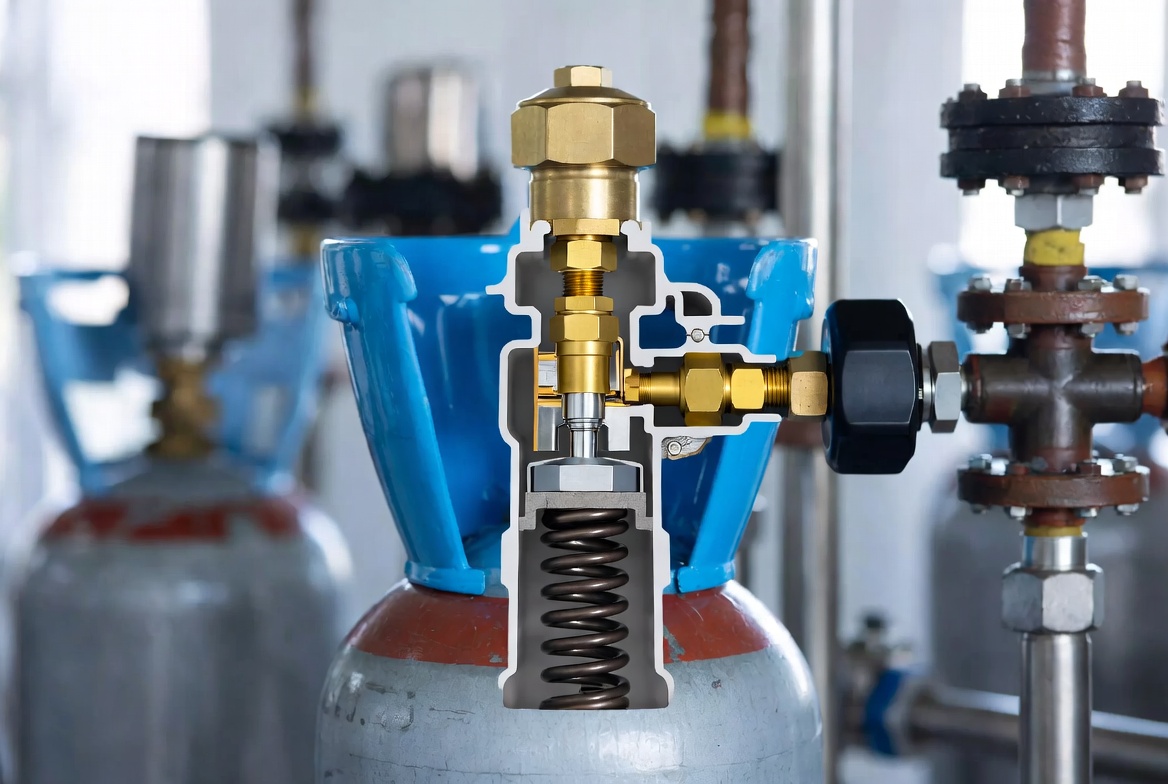
>> Design and Construction Differences
● Fuel Gas vs Shielding Gas: Matching the Right Regulator
>> Choosing Regulators for Fuel Gas Systems
>> Choosing Flowmeter Regulators for Shielding Gas Systems
● OEM/ODM Perspective: Designing Regulator Solutions for Global Brands
>> Customization for Fuel and Shielding Gas Portfolios
>> Quality, Compliance, and International Standards
● Expert Insights: Common Misconceptions and Practical Tips
>> Misconception 1: “Any Regulator Works for Any Gas”
>> Misconception 2: “Pressure Is Enough for Shielding Gas”
● Practical Step-by-Step Guide: Selecting the Right Regulator
>> Step 1: Define Gas Type and Application
>> Step 2: Choose Pressure vs Flow Control
>> Step 3: Define Performance and Compliance Requirements
● Summary Table: Gas Pressure Regulator vs Flowmeter Regulator
● UX-Focused Takeaways for End Users
● Call to Action: Build a Tailored Regulator Portfolio for Your Market
● FAQs
Gas pressure regulators and flowmeter regulators play different but complementary roles in fuel gas and shielding gas management, and understanding these differences is essential for safe, efficient welding and cutting operations. [fishersci]
Gas Pressure Regulator vs Flowmeter Regulator: Why the Distinction Matters
In industrial welding, cutting, and thermal processing, operators often treat all “gas devices” as similar, but a gas pressure regulator and a flowmeter regulator are engineered for very different control tasks. A gas pressure regulator focuses on reducing cylinder pressure to a safe, stable working pressure, whereas a flowmeter regulator is designed to precisely meter and visualize gas flow, especially for shielding gases like argon and CO₂. For OEM and ODM buyers, understanding this distinction is critical when specifying regulators for global brands, distributors, and manufacturing plants that demand consistent weld quality and strict safety compliance. [fishersci]
What Is a Gas Pressure Regulator?
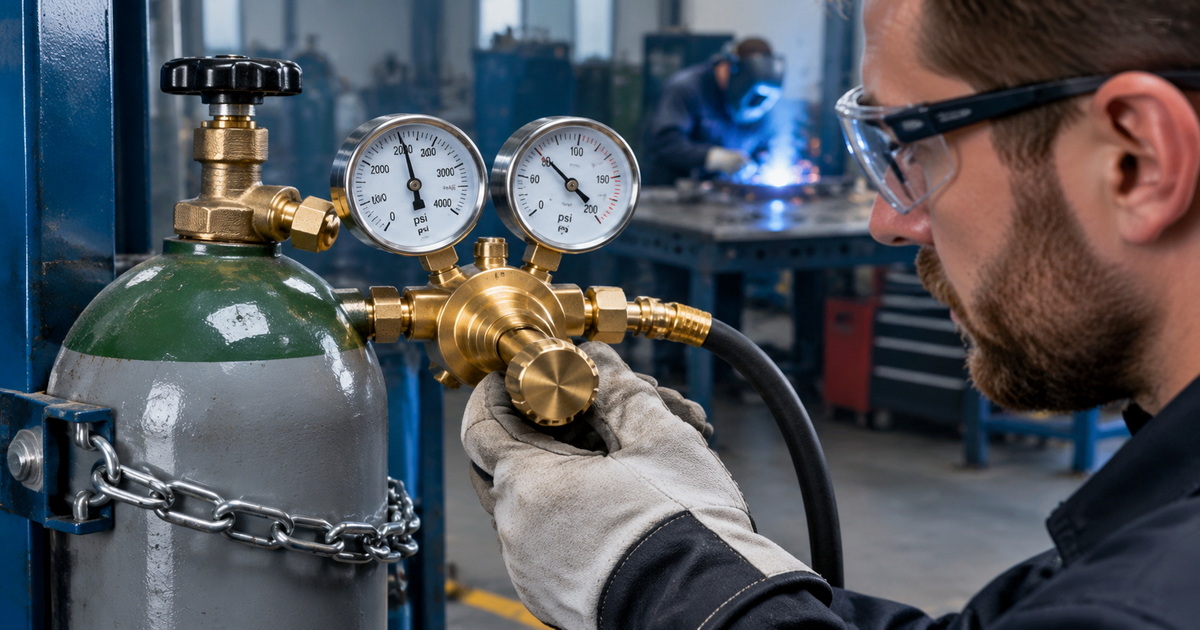
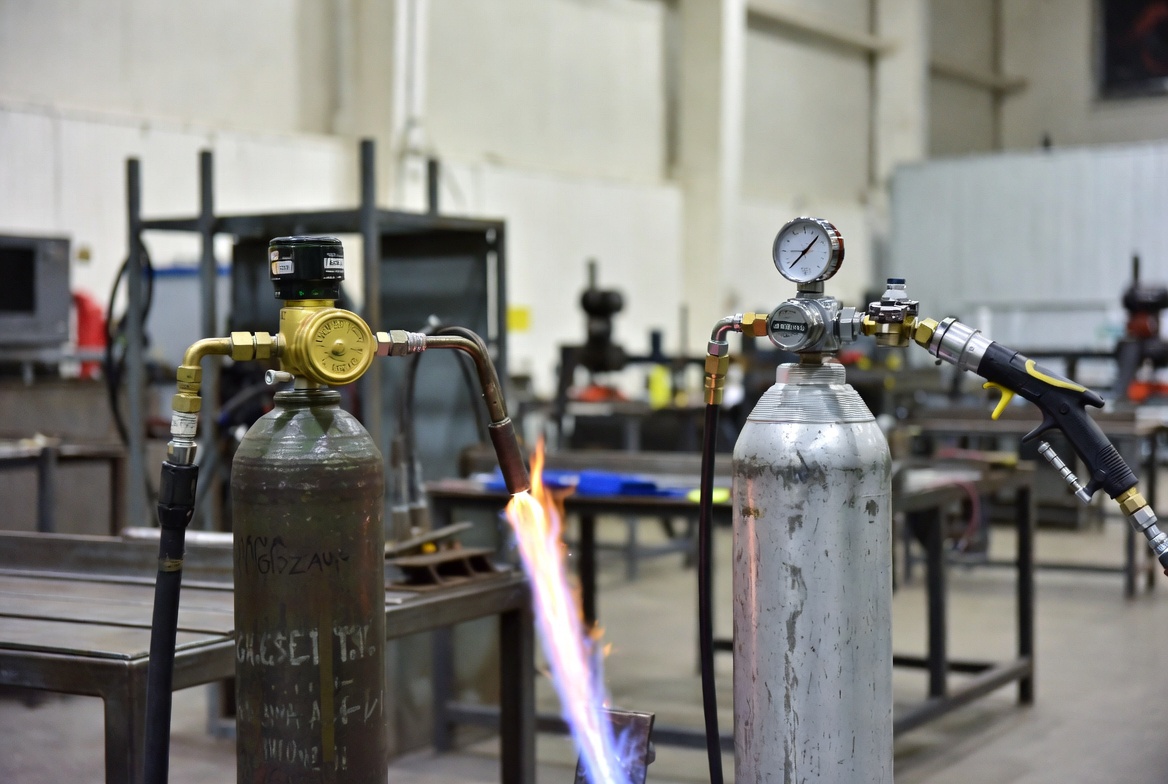
A gas pressure regulator is a control device that takes high-pressure gas from a cylinder and reduces it to a stable, usable outlet pressure for downstream equipment. In welding and cutting, pressure regulators are widely used for oxygen, acetylene, propane, nitrogen, CO₂, and mixed fuel gases. [boc.co]
Key characteristics:
– Primary function: Convert high cylinder pressure to a safe, controlled working pressure.
– Materials: Often brass bodies with robust diaphragms and sintered filters for long-term durability. [fishersci]
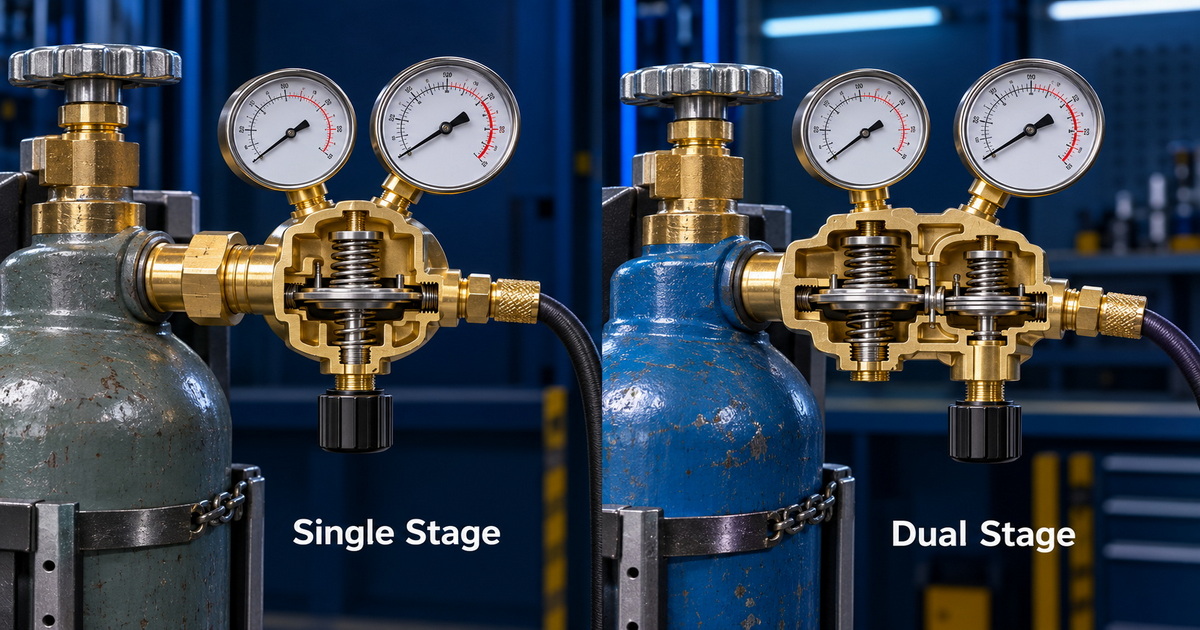
– Types: Single-stage and dual-stage (two-stage) designs for different stability requirements. [fishersci]
– Applications: Welding, cutting, brazing, heating, and industrial gas distribution systems. [prolineindustrial.co]
For fuel gases, the gas pressure regulator is the core safety device that protects torches, hoses, and downstream components from dangerous overpressure. [prolineindustrial.co]
What Is a Flowmeter Regulator?
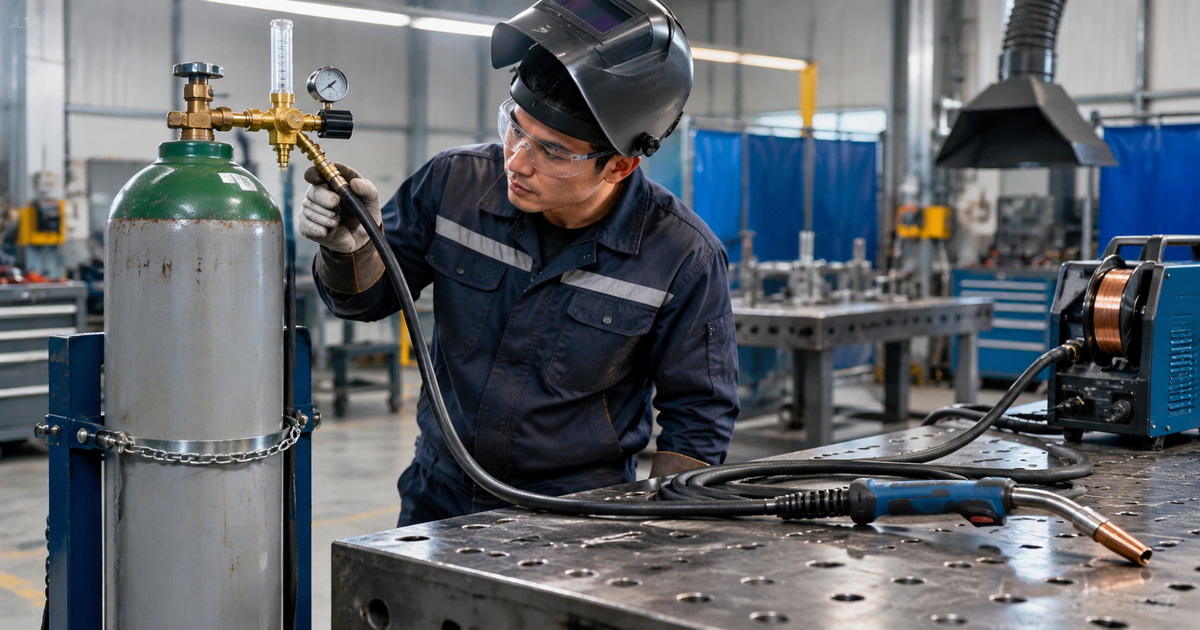
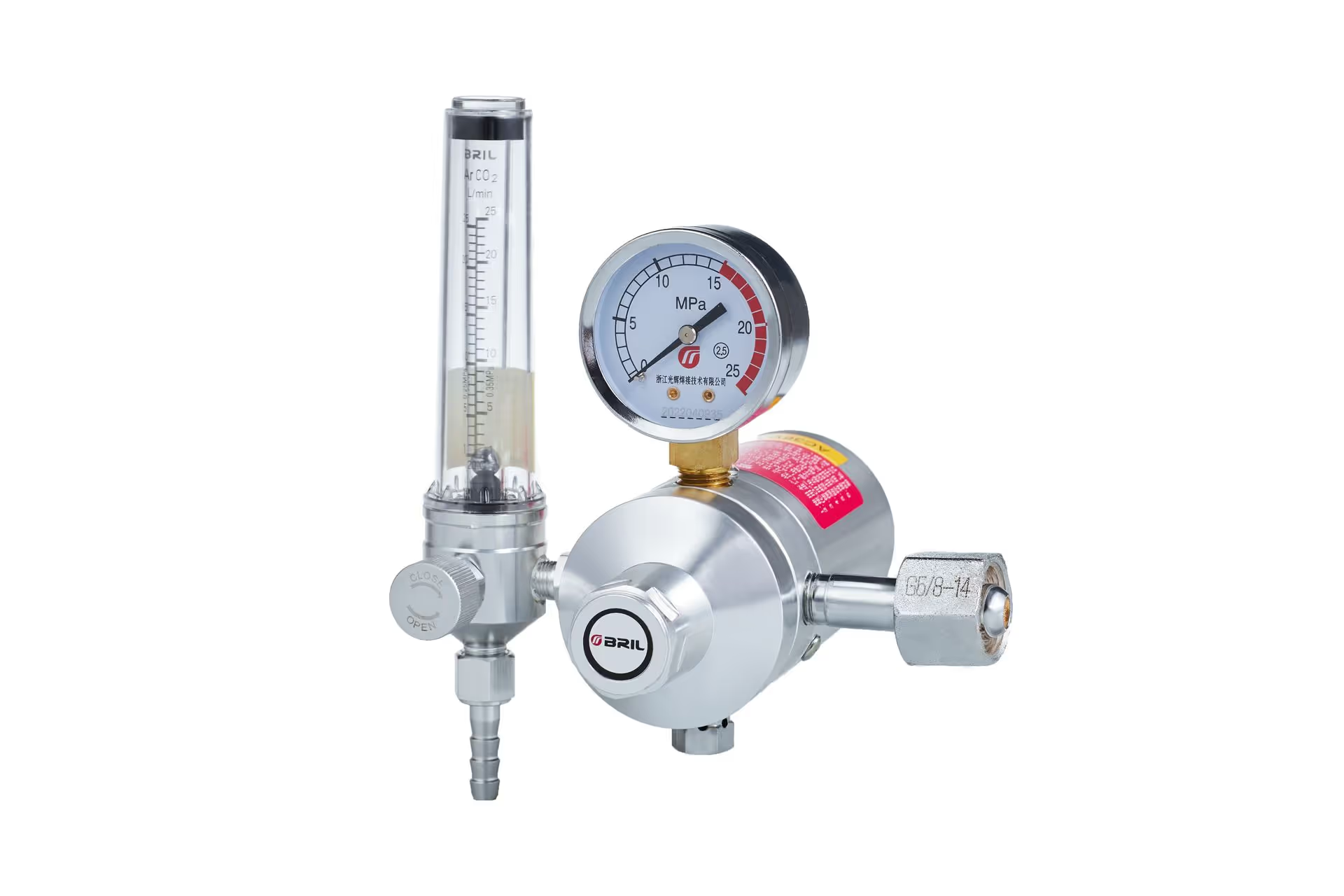
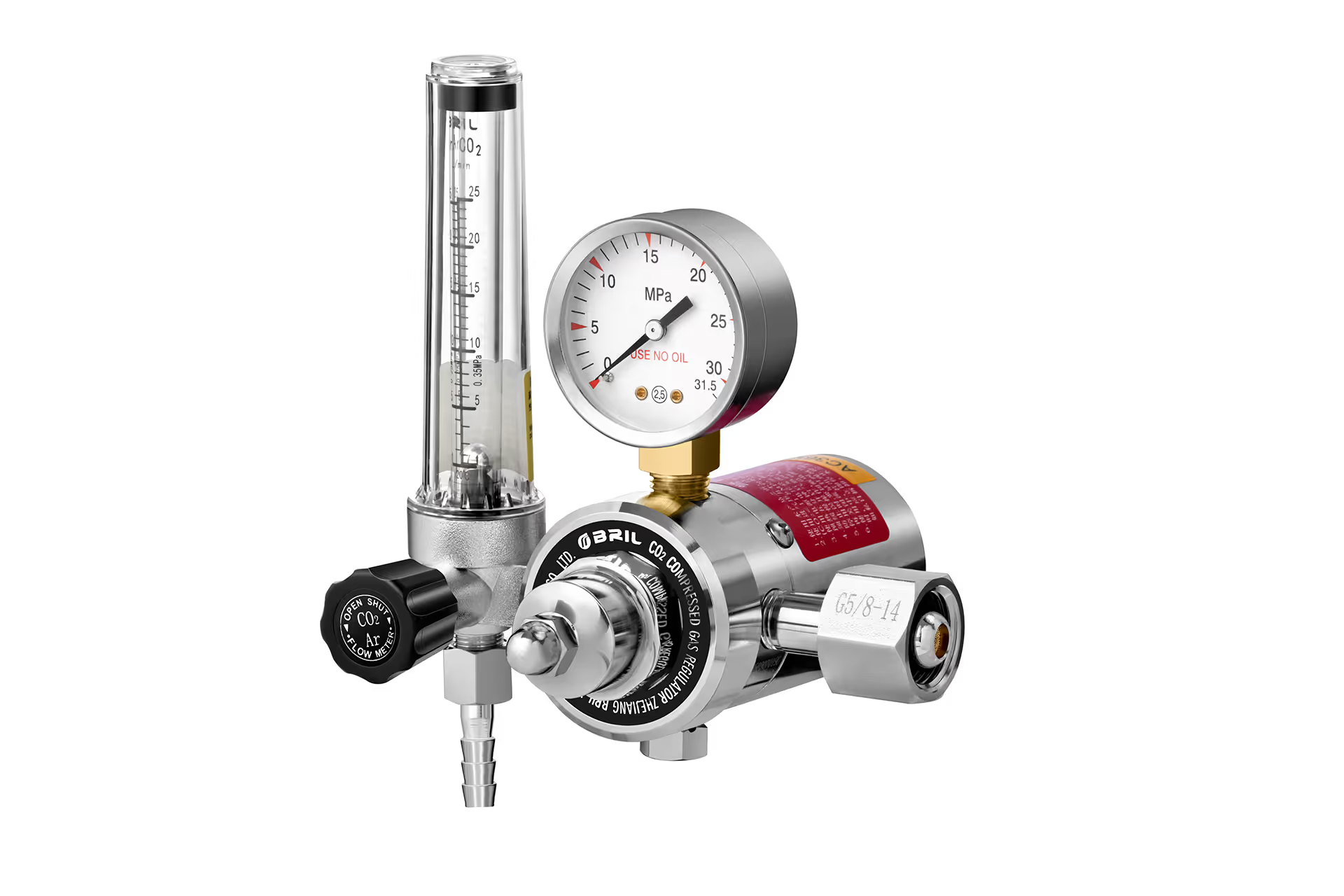
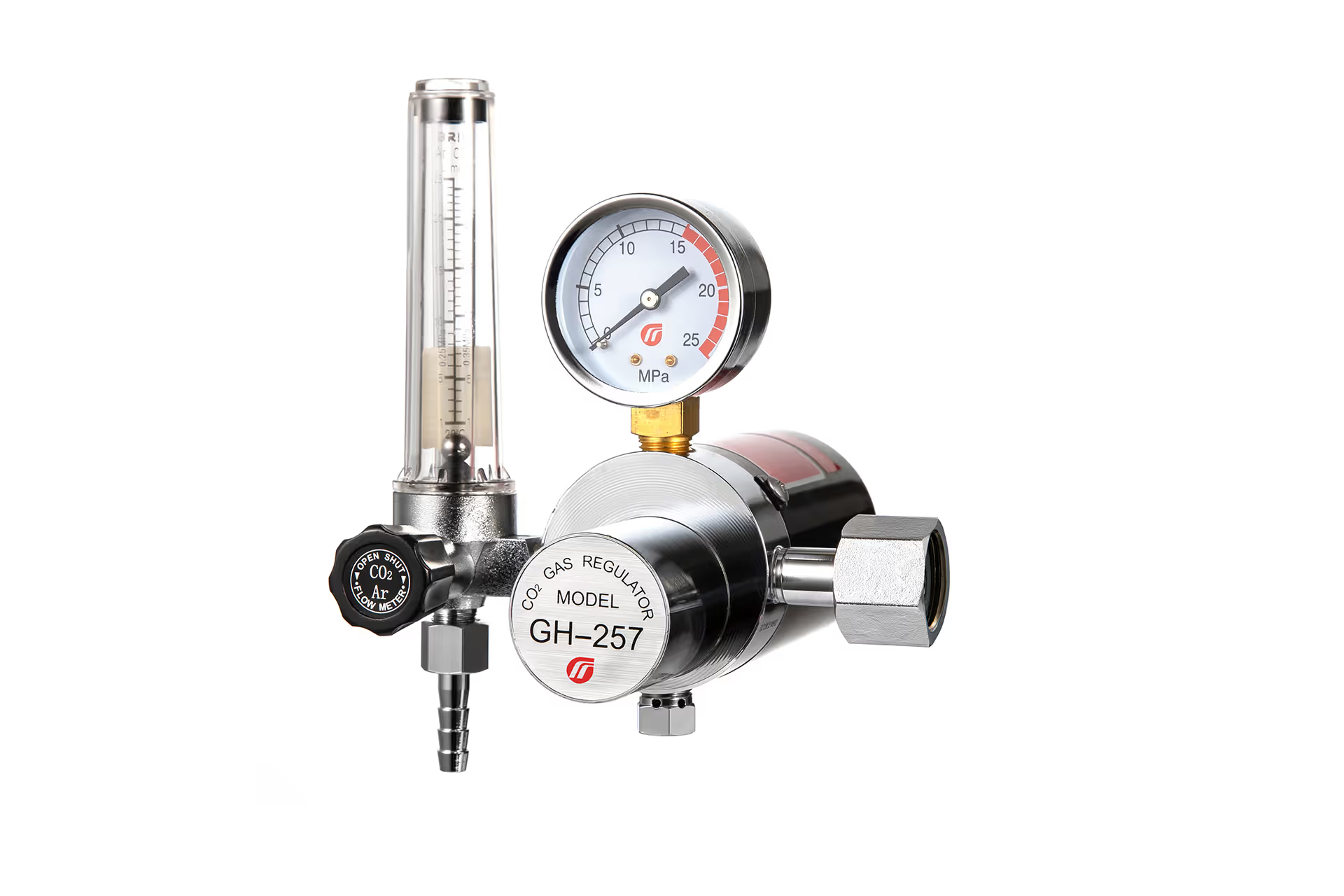
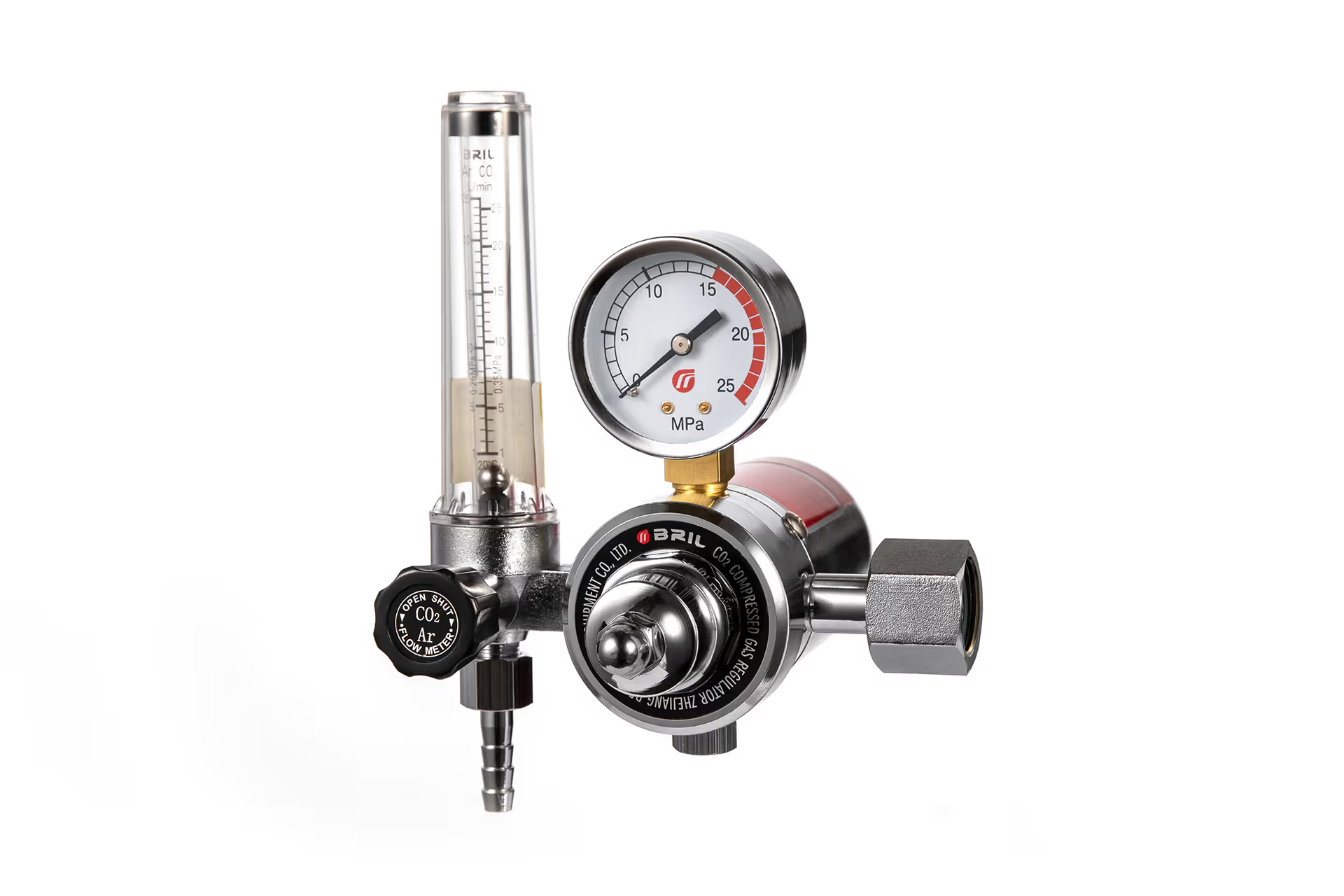
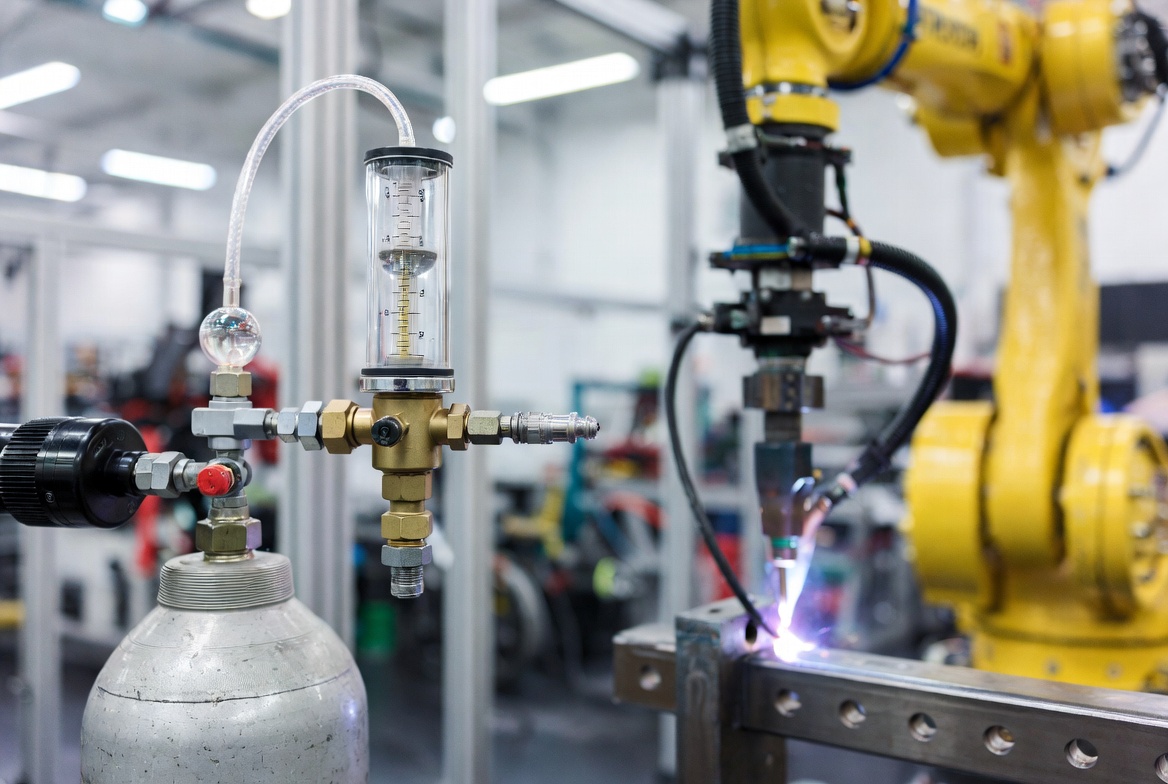
A flowmeter regulator combines a pressure regulator with a calibrated flowmeter (often a rotameter or gauge) to deliver and display a precise gas flow rate. It is most commonly used for shielding gas control in processes such as MIG/MAG welding and TIG welding using argon, CO₂, or mixed gases. [specialisedwelding.co]
Key characteristics:
– Primary function: Provide stable outlet pressure plus accurate, visible flow indication in L/min or CFH. [fishersci]
– Typical gases: Argon, CO₂, and argon/CO₂ mixtures for shielding gas coverage. [boc.co]
– User interface: Clear flow scale that lets welders set and verify gas flow at a glance. [specialisedwelding.co]
– Applications: Shielding gas management for welding, laboratory and analytical gas delivery where precise low flow is required. [fishersci]
In shielding gas applications, a flowmeter regulator is directly linked to weld bead appearance, porosity levels, and gas cost control. [fishersci]
Fuel Gas Management: Why Pressure Regulators Are Critical
Role of Gas Pressure Regulators in Fuel Gas Safety
Fuel gases such as acetylene, propane, and fuel oxygen require strict control to prevent flashbacks, backfires, and leaks. A gas pressure regulator keeps outlet pressure within safe limits so torches operate in their intended pressure range and flame stability is maintained. [boc.co]
Fuel gas regulators support:
– Safe pressure reduction from cylinder pressure to torch operating pressure.
– Stable flame for cutting, heating, and brazing operations.
– Protection against pressure spikes that can damage hoses and torch components. [prolineindustrial.co]
For OEM and ODM buyers, dual-stage gas pressure regulators provide an extra level of stability by maintaining nearly constant outlet pressure as cylinder pressure drops during use. [fishersci]
Typical Fuel Gas Pressure Settings and Considerations
In practice, fuel gas pressure must be matched to nozzle size, cutting thickness, and process type. Too low pressure results in unstable flames and inefficient cutting; too high pressure increases the risk of backfires and excessive gas consumption. [prolineindustrial.co]
Key considerations:
– Process specification: Follow equipment manufacturer recommendations for oxygen and fuel gas pressure. [prolineindustrial.co]
– Cylinder type: Different cylinder pressures demand appropriately rated regulators. [fishersci]
– Environment: High ambient temperatures or long hose runs may require fine adjustment or different regulator designs. [fishersci]
OEM-grade regulators with precision brass internals and tested valve seats help maintain tight pressure ranges under real-world conditions in workshops and heavy industry. [fishersci]
Shielding Gas Management: Why Flowmeter Regulators Matter
Impact of Gas Flow on Weld Quality
Shielding gases like argon and CO₂ protect the weld pool from atmospheric contamination, directly influencing porosity, spatter, and mechanical properties. A flowmeter regulator allows welders to dial in the exact gas flow rate recommended for their wire size, joint type, and welding position. [specialisedwelding.co]
If shielding gas flow is:
– Too low: The arc is exposed; porosity, oxidation, and unstable arc occur. [boc.co]
– Too high: Turbulence draws air into the arc, causing similar defects and wasting gas. [specialisedwelding.co]
By using a flowmeter regulator instead of a simple pressure regulator, operators can visually confirm they are in the optimal window for shielding gas coverage and cost efficiency. [specialisedwelding.co]
Flowmeter Regulator Features for Shielding Gas Optimization
Modern flowmeter regulators offer several features that enhance shielding gas management in welding and industrial gas applications. [specialisedwelding.co]
Common features:
– Clear flow scale in L/min or CFH for exact settings. [specialisedwelding.co]
– Optimized orifice design for low-flow accuracy and repeatability. [fishersci]
– Protection filters that reduce contamination and extend service life. [fishersci]
For OEM partners in overseas markets, offering customized flow ranges, fitting types, and branding on flowmeter regulators is increasingly important to match local welding standards and end-user expectations. [fishersci]
Gas Pressure Regulator vs Flowmeter Regulator: Core Technical Differences
Control Variable: Pressure vs Flow
The fundamental difference between a gas pressure regulator and a flowmeter regulator is the primary control variable. [fishersci]
– Gas pressure regulator: Controls and stabilizes outlet pressure (bar or psi). [fishersci]
– Flowmeter regulator: Controls outlet pressure and displays/controls gas flow (L/min or CFH) for shielding applications. [specialisedwelding.co]
In fuel gas systems, pressure is the dominant parameter for flame stability, while in shielding gas systems, flow rate is the dominant parameter for gas coverage. [prolineindustrial.co]
Design and Construction Differences
Although both devices may have brass bodies and diaphragms, internal design reflects different use cases. [fishersci]
– Pressure regulators often use larger orifices and robust stages to cope with high inlet pressures and variable demand. [fishersci]
– Flowmeter regulators incorporate precision flow control components and calibrated tubes or gauges for fine flow adjustment. [specialisedwelding.co]
For industrial OEM customers, this distinction affects product selection, maintenance strategy, and long-term operating cost in welding and gas distribution lines. [fishersci]
Fuel Gas vs Shielding Gas: Matching the Right Regulator
Choosing Regulators for Fuel Gas Systems
Fuel gas systems require gas pressure regulators that are compatible with each specific gas type and pressure rating. [boc.co]
Best practices:
– Select regulators specifically rated for oxygen, acetylene, propane, or mixed fuel gases. [boc.co]
– Use dual-stage regulators where outlet pressure stability is critical, such as in automated cutting lines. [fishersci]
– Ensure correct CGA, DIN, or regional connection standards for international operations. [fishersci]
A well-chosen fuel gas pressure regulator not only improves safety but also reduces downtime due to irregular flame performance or regulator failures. [prolineindustrial.co]
Choosing Flowmeter Regulators for Shielding Gas Systems
Shielding gas systems benefit from flowmeter regulators tuned to the process and gas mixture in use. [specialisedwelding.co]
Best practices:
– Match the flowmeter range to typical welding parameters and gas types (pure argon, CO₂, or mixtures). [boc.co]
– Use clear flow scales and robust housings to maintain visibility and calibration in harsh workshop environments. [specialisedwelding.co]
– Prioritize regulators that combine stable outlet pressure with accurate low-flow performance for TIG and MIG/MAG processes. [fishersci]
For global brands, offering dedicated argon flowmeter regulators and CO₂ heated regulators helps ensure reliable gas delivery even in cold climates or high-demand applications. [boc.co]
OEM/ODM Perspective: Designing Regulator Solutions for Global Brands
Customization for Fuel and Shielding Gas Portfolios
From an OEM and ODM perspective, manufacturers and distributors often need tailored regulator portfolios that cover both fuel gas and shielding gas usage across markets. This includes CO₂ heated regulators, argon regulators, oxygen regulators, acetylene regulators, propane regulators, nitrogen regulators, and dual-stage gas regulators. [demwelding]
Strategic customization angles:
– Branding: Customized dials, flow scales, and labeling for private-label brands. [fishersci]
– Connection standards: CGA, BS, DIN, and other regional interfaces to support international trade. [fishersci]
– Performance tiers: Standard regulators for general welding, and premium dual-stage or high-purity models for demanding industrial gas applications. [fishersci]
Quality, Compliance, and International Standards
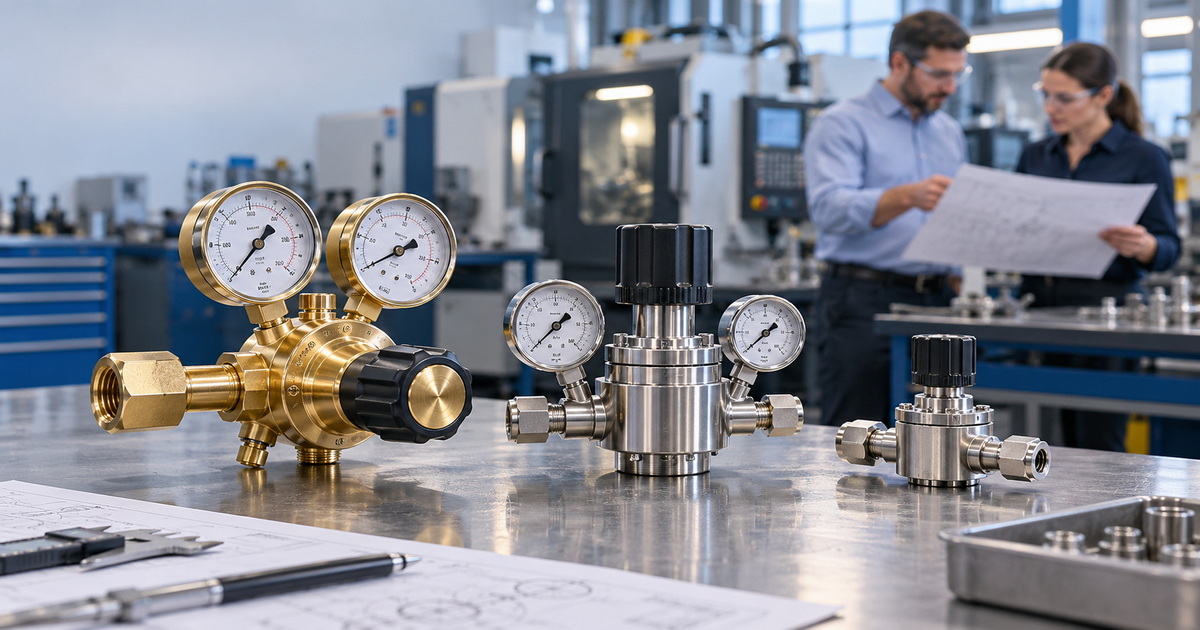
To support overseas OEM/ODM projects, regulators must meet international standards and pass strict quality inspections. Critical elements include precision machining, leak testing, pressure cycling tests, and material traceability for brass and stainless-steel components. [fishersci]
Key priorities for global buyers:
– Stable pressure control and repeatable flow performance over the regulator’s service life. [fishersci]
– Compliance with relevant safety and performance norms in target markets. [fishersci]
– Documentation such as test reports and certificates to support EHS and audit requirements. [fishersci]
Expert Insights: Common Misconceptions and Practical Tips
Misconception 1: “Any Regulator Works for Any Gas”
A frequent misconception in workshops is that any regulator can be used for any gas, which is incorrect and potentially dangerous. Regulators are designed for specific gases and pressures, and mismatching them can lead to leaks, unsafe operation, or poor process control. [prolineindustrial.co]
Expert tip:
– Always match regulator type and rating to the specific gas: oxygen, acetylene, propane, CO₂, argon, nitrogen, or mixed gases. [boc.co]
Misconception 2: “Pressure Is Enough for Shielding Gas”
Another misconception is that measuring shielding gas pressure is sufficient to ensure proper gas coverage. In reality, flow rate is the key parameter for shielding gas performance, and pressure-only regulators cannot provide the same level of control as flowmeter regulators. [specialisedwelding.co]
Expert tip:
– For MIG/TIG welding, prioritize flowmeter regulators with clear scales and calibrated flow ranges matched to process recommendations. [specialisedwelding.co]
Practical Step-by-Step Guide: Selecting the Right Regulator
Step 1: Define Gas Type and Application
1. Identify whether you are managing fuel gas (acetylene, propane, oxygen for cutting) or shielding gas (argon, CO₂, mixtures). [boc.co]
2. Clarify whether the operation is manual welding, automated cutting, brazing, or gas distribution. [prolineindustrial.co]
Step 2: Choose Pressure vs Flow Control
1. For fuel gas systems, prioritize a gas pressure regulator rated for the specific gas and pressure. [prolineindustrial.co]
2. For shielding gas systems, specify a flowmeter regulator to control and visualize gas flow. [specialisedwelding.co]
Step 3: Define Performance and Compliance Requirements
1. Decide whether you need single-stage or dual-stage regulators based on outlet pressure stability needs. [fishersci]
2. Confirm required standards, test documentation, and material quality (e.g., high-quality brass). [fishersci]
3. For OEM/ODM projects, list branding, packaging, and connection interface requirements for global distribution. [fishersci]
Summary Table: Gas Pressure Regulator vs Flowmeter Regulator
| Aspect | Gas pressure regulator | Flowmeter regulator |
|---|---|---|
| Primary control | Outlet pressure for fuel and industrial gas systems (fishersci) | Gas flow rate with stable outlet pressure (specialisedwelding.co) |
| Typical gases | Oxygen, acetylene, propane, nitrogen, CO₂ fuel applications (boc.co) | Argon, CO₂, argon/CO₂ shielding gas mixtures (boc.co) |
| Main use | Fuel gas management and general industrial gas control (prolineindustrial.co) | Shielding gas management in welding and analytical systems (specialisedwelding.co) |
| Key feature | Single- or dual-stage design for pressure stability (fishersci) | Integrated flowmeter (rotameter or gauge) with clear scale (specialisedwelding.co) |
| Safety focus | Prevent overpressure, ensure flame stability (prolineindustrial.co) | Prevent under/over-shielding, reduce porosity and gas waste (boc.co) |
UX-Focused Takeaways for End Users
For welders, engineers, and plant managers, the most important practical takeaway is to treat fuel gas management and shielding gas management as distinct control tasks and choose regulators accordingly. Clear labeling, intuitive scales, and stable performance significantly improve day-to-day usability, training efficiency, and defect reduction in industrial environments. [prolineindustrial.co]
Well-designed regulator systems also minimize cognitive load: operators can quickly understand whether they are adjusting pressure or flow, and set values without complex calculations. This leads to faster setup, more predictable weld quality, and fewer maintenance issues over time. [specialisedwelding.co]
Call to Action: Build a Tailored Regulator Portfolio for Your Market
If you are an overseas brand, wholesaler, distributor, or manufacturer looking to expand your fuel gas and shielding gas product lines, it is vital to work with a partner that understands both gas pressure regulators and flowmeter regulators across multiple gases and applications. By combining precision manufacturing, high-quality brass materials, strict quality inspection, and flexible OEM/ODM customization, you can deliver a regulator portfolio that matches your local standards, enhances user experience, and supports long-term industrial growth. [boc.co]
To explore tailored solutions for CO₂ heated regulators, argon and oxygen regulators, acetylene and propane regulators, nitrogen regulators, and dual-stage gas regulators designed for welding, cutting, and industrial gas control, connect with a specialized gas regulator manufacturer that can co-develop products aligned with your brand strategy and market requirements. [demwelding]
FAQs
Q1: Can I use the same regulator for both fuel gas and shielding gas?
Not in most cases; regulators are designed for specific gases and control variables, and mixing applications can compromise safety and performance. [boc.co]
Q2: When should I choose a dual-stage gas pressure regulator?
Use dual-stage regulators when you need highly stable outlet pressure over wide inlet pressure changes, such as long cutting shifts or automated processes. [fishersci]
Q3: Why is a flowmeter regulator preferred for MIG/MAG welding?
Because weld quality depends on precise shielding gas flow, not just pressure, and flowmeter regulators provide a visual, calibrated indication of actual gas flow. [specialisedwelding.co]
Q4: What materials are recommended for industrial gas regulators?
High-quality brass bodies with suitable diaphragms and filters are widely used for reliability and corrosion resistance in many industrial gas applications. [fishersci]
Q5: How does OEM/ODM customization add value for distributors?
Customization enables alignment with local standards, brand identity, and process requirements, making regulators easier to sell and integrate into existing product lines. [fishersci]
References
1. Baker’s Gas & Welding – Regulators https://bakersgas.com/collections/regulators
2. BOC – Industrial gas regulators (argon, CO₂, oxygen, nitrogen, acetylene, LPG) https://www.boc.co.nz/shop/en/nz/gas-welding-heating-cutting-brazing/gas-regulator/industrial-gas-regulators
3. Proline Industrial – Welding gas regulators for controlled gas pressure https://www.prolineindustrial.co.nz/equipment/welding-equipment/gas-regulators
4. Specialised Welding – Gas regulators & flowmeters overview https://specialisedwelding.co.uk/collections/gas-regulators
5. Fisher Scientific – Gas regulators and dual-stage regulator specifications https://www.fishersci.com/us/en/browse/90126178/gas-regulators
6. DEM Welding – Gas regulators for oxygen, acetylene, argon, CO₂, nitrogen https://demwelding.com/gas-regulator/
Hot Tags: Gas Pressure Regulator, Flowmeter Regulator, Fuel Gas Regulator, Shielding Gas Management, CO2 Gas Regulator OEM, Argon Flowmeter Regulator, Dual Stage Gas Regulator, Industrial Welding Gas Control, OEM ODM Gas Regulator, Welding Shielding Gas System