Content Menu
● Introduction: Why Your Root Purge Hardware Choice Matters
● What Is a Dual Output Argon Flowmeter?
● What Is a Dual Gauge Regulator?
● Core Functional Difference for TIG Root Purging
● Comparison Overview – Dual Output Argon Flowmeter vs Dual Gauge Regulator
>> Side‑by‑Side Feature Comparison
● Gas Control Stability and Weld Quality
>> Impact on Purge Consistency
>> Root Quality in Pipe and Fabrication Work
● Safety, Compliance, and Material Quality
>> High‑Pressure Safety with Dual Gauge Regulators
>> Material and Build Quality for Industrial Use
● Cost, Gas Consumption, and Lifecycle Value
>> Gas Savings with a Dual Output Flowmeter
>> Long‑Term Value of a Dual Gauge Regulator
● Real‑World Use Cases – When to Choose Which
>> When a Dual Output Argon Flowmeter Is the Better Choice
>> When a Dual Gauge Regulator Is the Primary Requirement
● Expert Setup Recommendations for TIG Root Purging
>> Best‑Practice System Layout
>> Practical Tips from the Shop Floor
● OEM, ODM, and Custom Gas Control Solutions
● How to Decide for Your TIG Root Purge Application
>> Key Questions to Ask Before Choosing
● Call to Action – Build a Safer, More Efficient TIG Purge System
● FAQ
Introduction: Why Your Root Purge Hardware Choice Matters
When you are chasing flawless TIG root purging, your gas control hardware is just as critical as your welding parameters, joint prep, and purge dams. A mismatch between process requirements and your regulator or flowmeter setup can lead to unstable gas coverage, excessive consumption, and inconsistent weld quality—especially on stainless steel and high‑value pipe welds. [specialisedwelding.co]
In this guide, I will walk you through the real‑world differences between a dual output argon flowmeter and a dual gauge regulator for TIG root purging, based on hands‑on shop experience and best practices from industrial gas control manufacturers. We will look at control characteristics, safety, cost, lifecycle value, and typical use cases, so you can choose the configuration that actually supports your QA requirements and production targets. [pakoxygen]
What Is a Dual Output Argon Flowmeter?
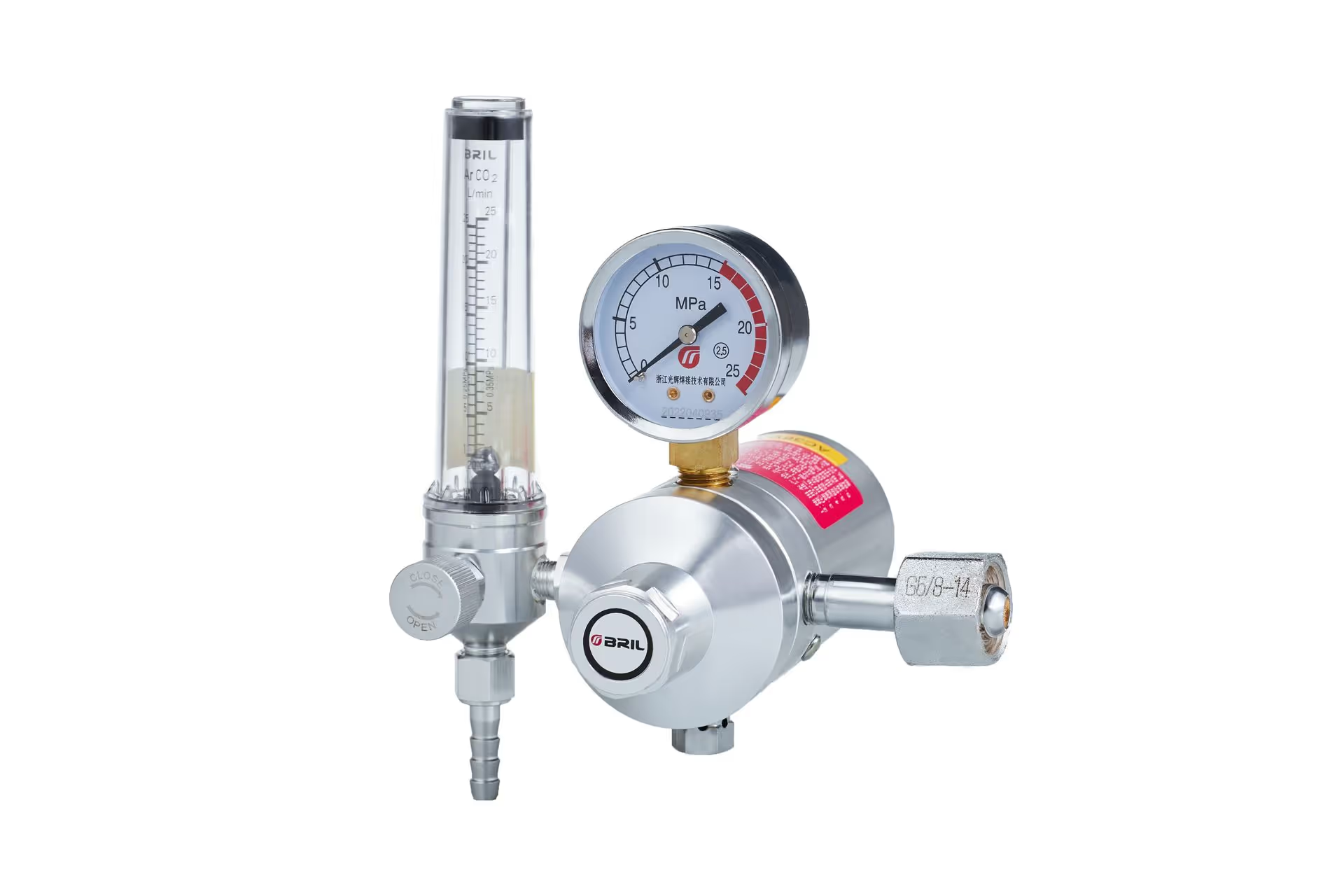
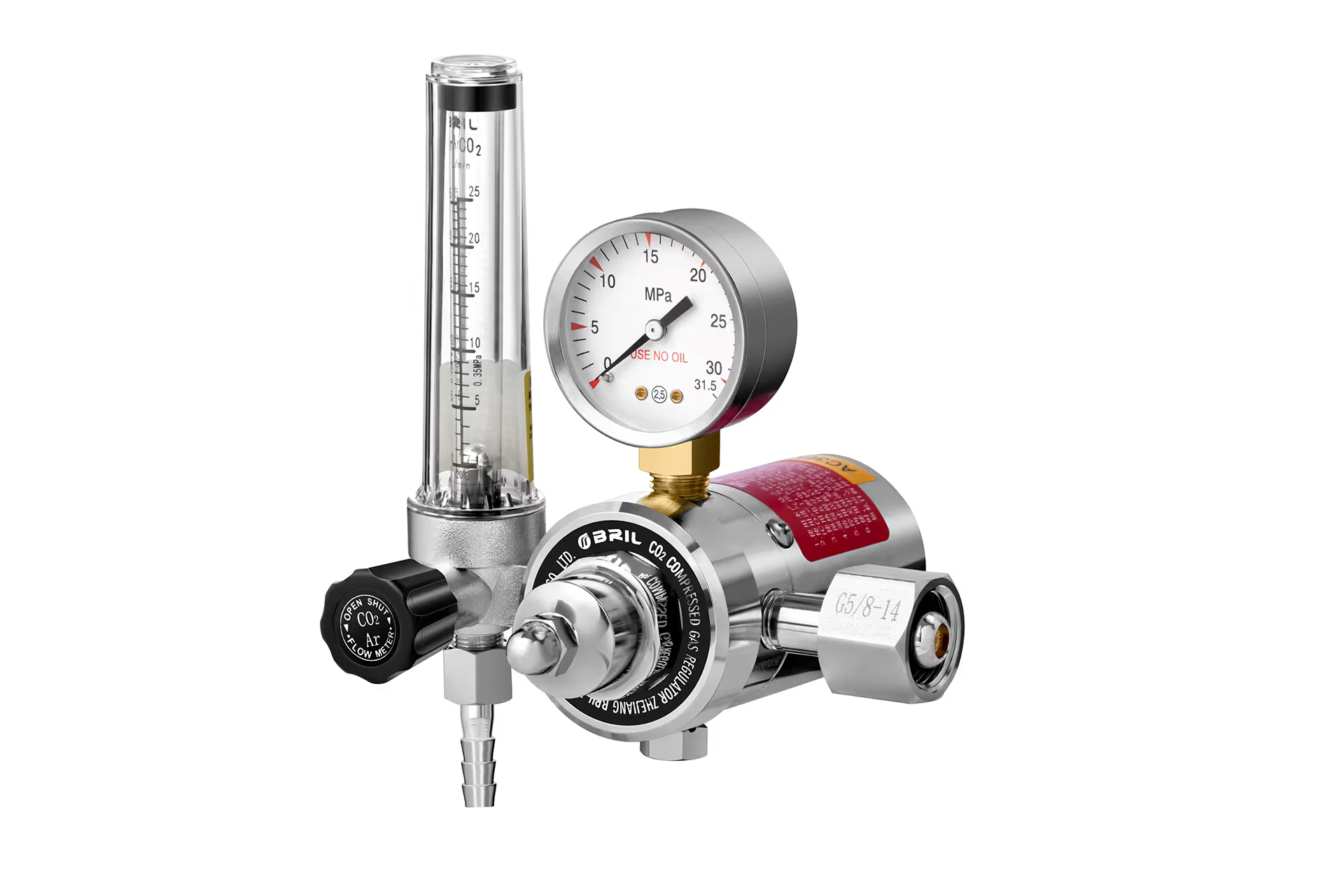
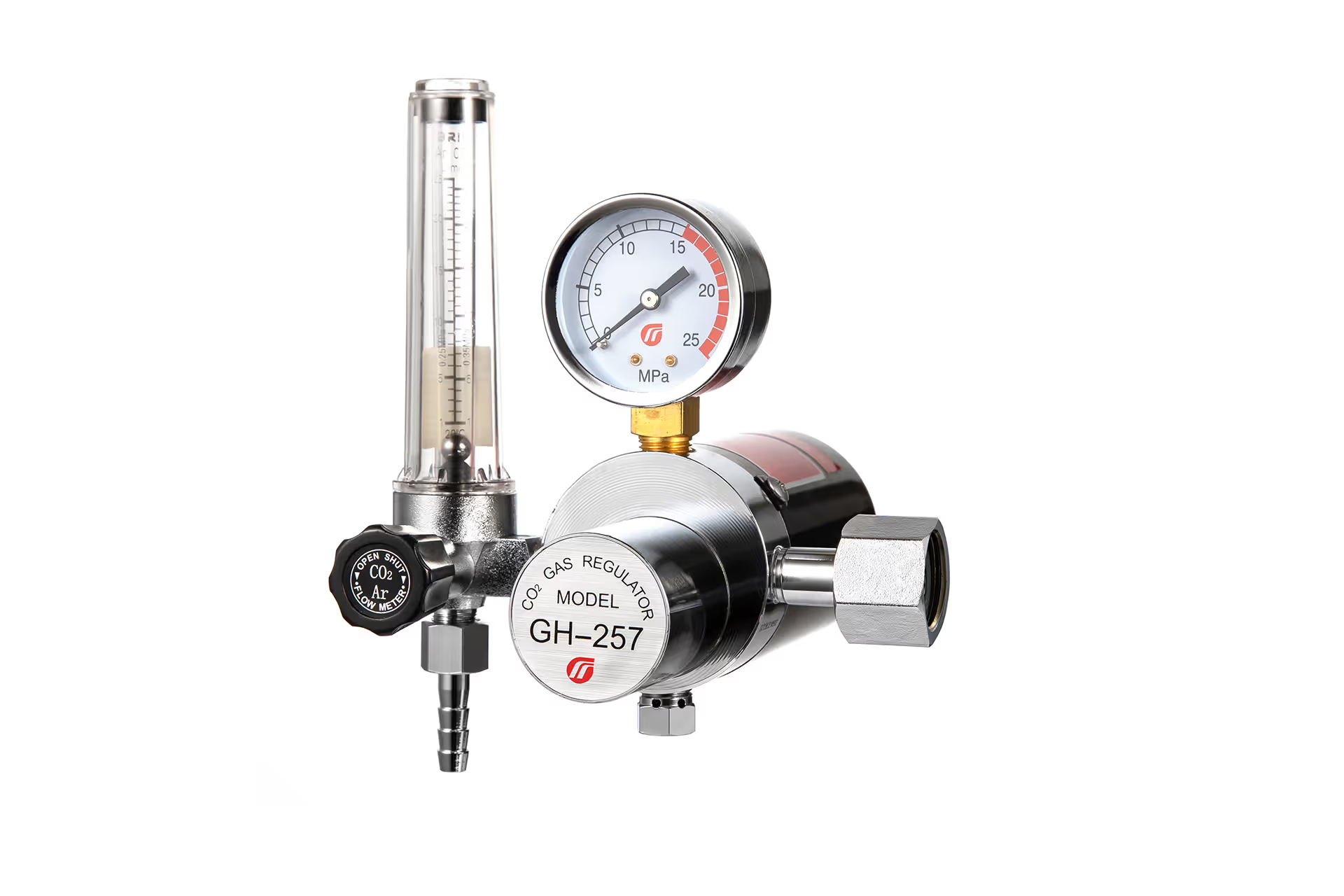
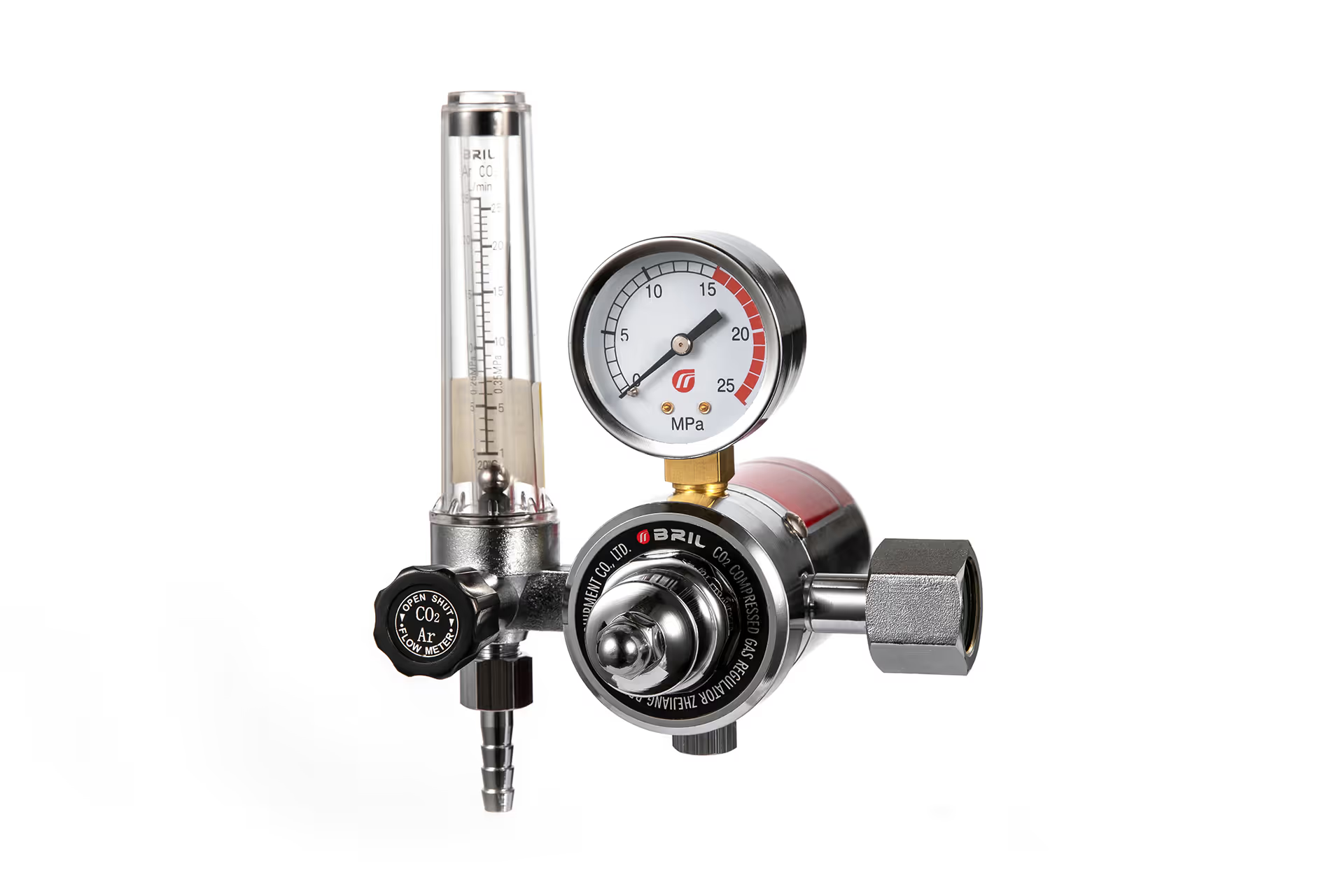
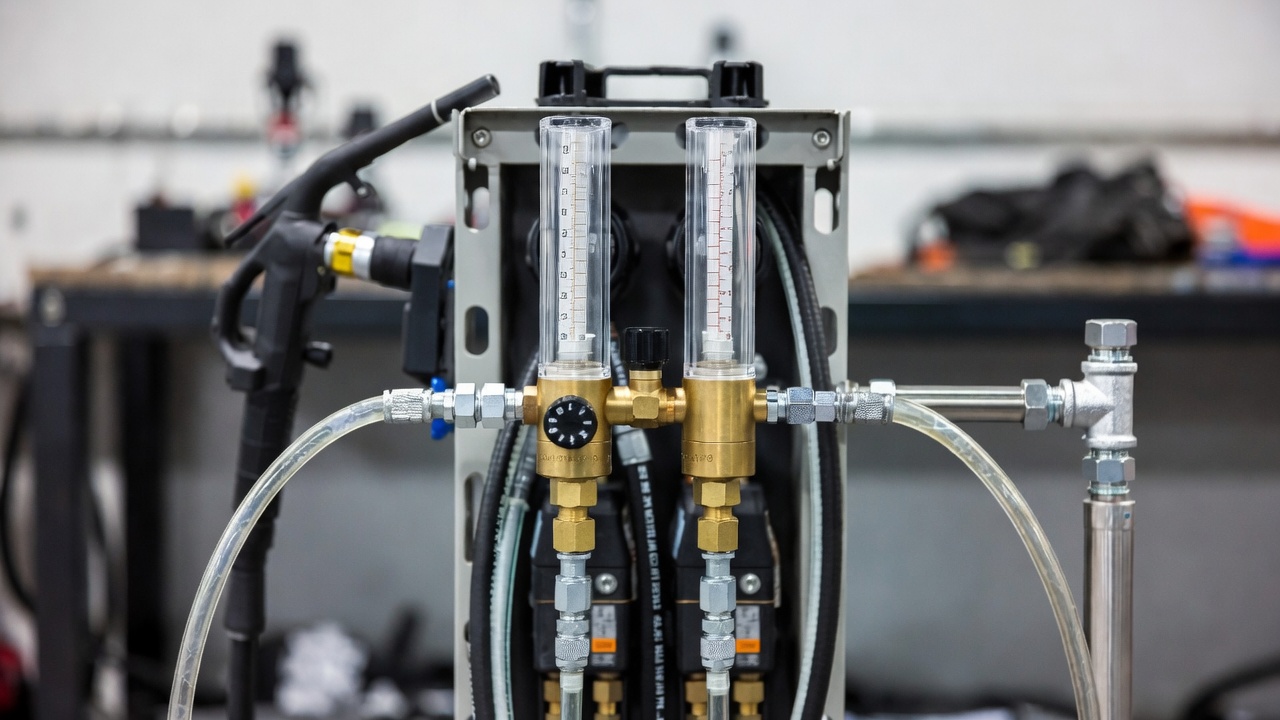
A dual output argon flowmeter is designed to control argon flow (in L/min or CFH) to two separate outlets, typically used for torch shielding gas and root purging simultaneously. Instead of displaying cylinder pressure, the focus is on delivering stable and repeatable flow at low to medium flow rates. [boc.com]
Key characteristics:
– Flow‑based control calibrated for argon or argon mixes
– Two independent outlets, often with separate flow adjustment
– Typically used downstream of a cylinder regulator or integrated with a low‑pressure inlet
– Clear visual indication of flow via float‑type or digital tube
For TIG root purging, the ability to fine‑tune purge flow (for example, 3–10 L/min) while independently controlling torch shielding flow is a major UX advantage for welders who want to tighten gas usage without sacrificing bead quality. [specialisedwelding.co]
What Is a Dual Gauge Regulator?
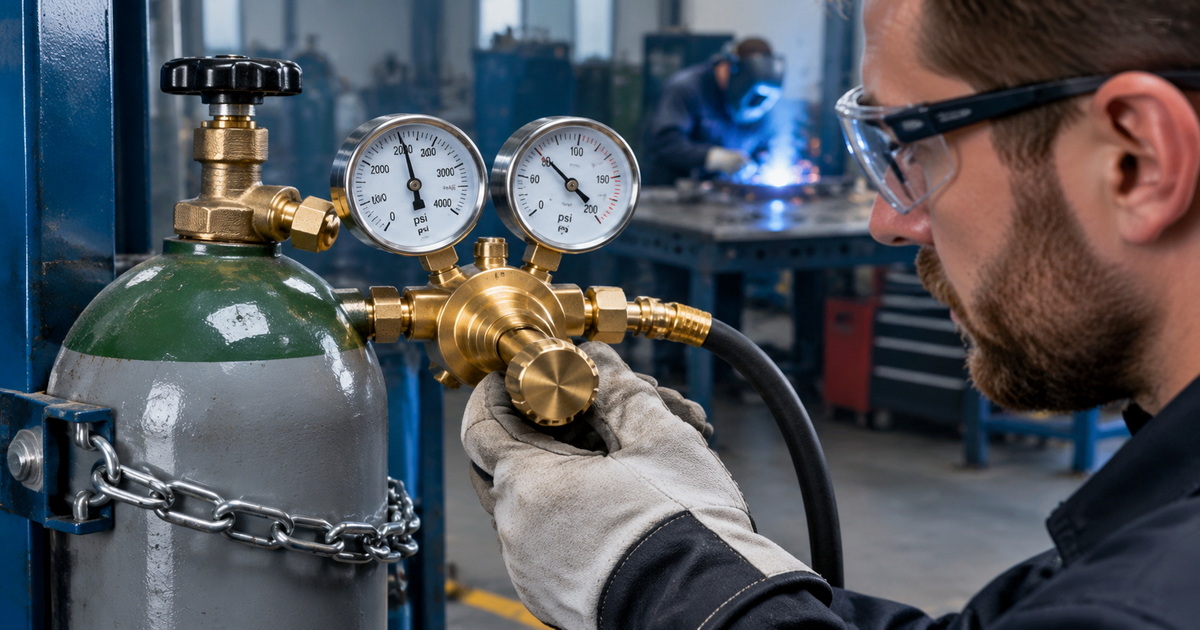
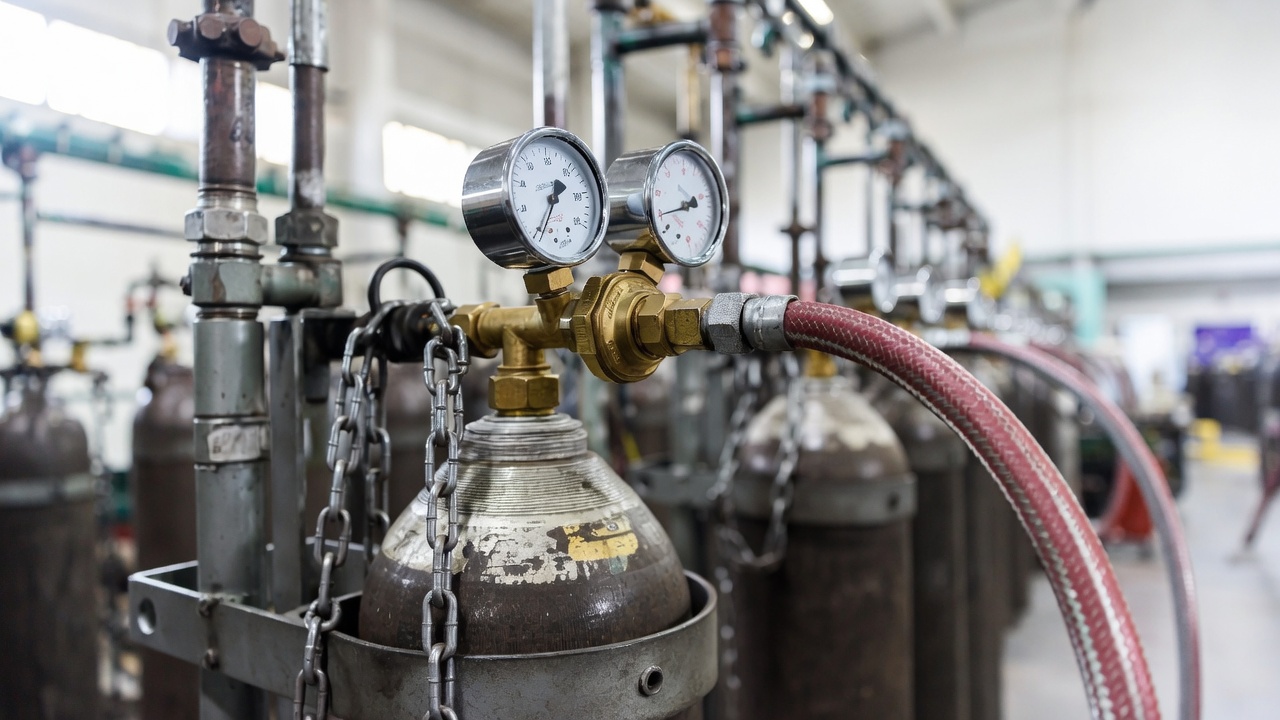
A dual gauge regulator is a pressure‑reducing device with two gauges: one for cylinder pressure and one for outlet (delivery) pressure. It reduces high cylinder pressure (up to 200 bar / 3000 psi and above, depending on the gas) down to a usable pressure range for downstream equipment. [boc.co]
Typical features:
– Pressure‑based control, not direct flow indication
– One outlet feeding either a hose, a flowmeter, or a gas manifold
– Robust brass or stainless construction suitable for industrial use
– Essential for safety when drawing gas directly from high‑pressure cylinders
For root purging, a dual gauge regulator is usually the first stage of control from the cylinder, ensuring safe, stable pressure before gas is further controlled by a flowmeter or an orifice setup at the purge side. [boc.co]
Core Functional Difference for TIG Root Purging
From a purging perspective, the key difference is:
– The dual output argon flowmeter is optimized for precise, low‑to‑medium flow control at the point of use.
– The dual gauge regulator is optimized for pressure reduction and monitoring at the cylinder.
If you try to use only a dual gauge regulator to manage root purge, you rely on pressure control as a proxy for flow, which is less intuitive and more sensitive to downstream restrictions and hose length. A dedicated dual output flowmeter gives the welder clear, repeatable flow values, especially important when you want to standardize purge procedures across multiple welders or sites. [boc.com]
Comparison Overview – Dual Output Argon Flowmeter vs Dual Gauge Regulator
Side‑by‑Side Feature Comparison
| Aspect | Dual Output Argon Flowmeter | Dual Gauge Regulator |
|---|---|---|
| Control variable | Direct flow (CFH/L/min) (specialisedwelding.co) | Outlet pressure (bar/psi) (boc.co) |
| Typical use | Torch shielding + root purge outlets (specialisedwelding.co) | Cylinder pressure reduction and monitoring (boc.co) |
| Measurement | Visual flow tubes or digital readout (specialisedwelding.co) | Two gauges (cylinder & delivery pressure) (boc.co) |
| Purge repeatability | High, due to flow‑based adjustment | Medium, depends on downstream restrictions |
| Gas savings | Easier optimization at low flow settings | Risk of over‑purging if set by feel only |
| Safety role | Secondary, low‑pressure side | Primary, high‑pressure safety device (boc.co) |
| Best position in system | Downstream of a regulator, near weld station | Directly on cylinder valve |
This table reflects how complementary these devices really are: in a robust industrial TIG root purging setup, you typically want both—one for safe pressure reduction, one for fine flow control. [store.mathesongas]
Gas Control Stability and Weld Quality
Impact on Purge Consistency
For root purging, consistency beats raw flow rate. Uneven or turbulent flow can trap oxygen pockets, leading to sugaring, discoloration, and higher rework rates on stainless and nickel alloys. A dual output argon flowmeter helps here by: [store.mathesongas]
– Providing smooth, low‑velocity flow better suited to controlled purge chambers and dams
– Enabling the welder to match documented purge procedures (e.g., 5 L/min for X minutes)
– Making small adjustments visible in real time when site conditions change
Dual gauge regulators contribute indirectly through stable outlet pressure, but the welder does not see flow changes as clearly, which can hide issues when purge lines get kinked or restricted. [boc.co]
Root Quality in Pipe and Fabrication Work
In pipe shops and high‑spec fabrication, QA inspectors are increasingly tying weld acceptance to documented purge parameters (flow, time, oxygen levels). A dual output flowmeter integrated into a root purge setup makes it much easier to standardize: [store.mathesongas]
– Standard torch shielding flow for each diameter and filler setup
– Standard purge flow for each pipe size and dam configuration
– Faster troubleshooting when discoloration appears—because you have a flow reference, not just “it felt right”
This is why many advanced TIG teams view the flowmeter as a process control tool, while the regulator remains the safety and supply backbone. [specialisedwelding.co]
Safety, Compliance, and Material Quality
High‑Pressure Safety with Dual Gauge Regulators
No matter how advanced your flowmeter is, you should never run purge lines directly off a high‑pressure cylinder without a proper dual stage or single‑stage regulator designed and certified for the gas involved. A dual gauge regulator: [pakoxygen]
– Protects operators and downstream equipment from full cylinder pressure
– Helps detect leaks or abnormal cylinder pressure drop
– Supports compliance with industrial gas handling standards and safety guidelines
For oxygen or mixed gas environments in multi‑process shops, high‑quality brass regulators with appropriate cleaning and design standards are essential to minimize ignition risk and ensure long‑term stability. [pakoxygen]
Material and Build Quality for Industrial Use
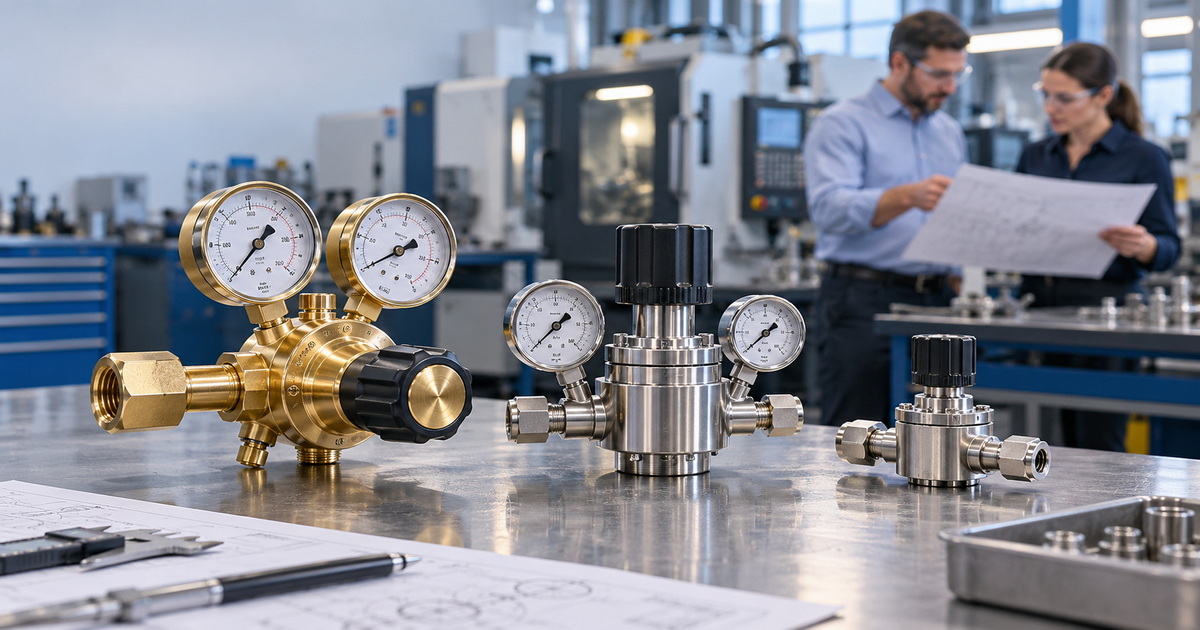
Professional‑grade regulators and flowmeters for welding are typically made from forged brass bodies, precision machined internal components, and corrosion‑resistant fittings to withstand industrial use. For manufacturers focused on OEM and ODM supply, this includes: [boc.co]
– Tight machining tolerances for consistent pressure control
– Robust valve design to handle frequent open/close cycles
– Comprehensive leak testing and performance inspection before shipment
Using high‑quality materials not only improves safety, but also reduces drift and maintenance, which directly impacts weld consistency over the life of the system. [pakoxygen]
Cost, Gas Consumption, and Lifecycle Value
Gas Savings with a Dual Output Flowmeter
From a cost‑of‑ownership perspective, gas is often more expensive than hardware over the lifetime of a project pipeline or fabrication cell. A dual output argon flowmeter can reduce overall consumption by: [store.mathesongas]
– Allowing lower but still effective purge flow without guesswork
– Enabling accurate repeat settings between shifts and welders
– Reducing the temptation to “overshoot” flow rates just to feel safe
For shops running high volumes of stainless TIG welding, even a modest reduction in purge flow—multiplied by every joint—can deliver a measurable cost saving over the year. [store.mathesongas]
Long‑Term Value of a Dual Gauge Regulator
Dual gauge regulators deliver value in a different way. Their primary role is protecting your gas system and enabling safe, consistent supply across multiple jobs and processes. A well‑built regulator: [boc.com]
– Extends the life of downstream equipment, including flowmeters and hoses
– Reduces unplanned downtime linked to gas delivery issues
– Maintains predictable cylinder utilization through accurate pressure monitoring
For OEM buyers, distributors, and large fabricators, investing in high‑quality regulators and pairing them with suitable flowmeters creates a balanced system that protects people, equipment, and margins. [boc.com]
Real‑World Use Cases – When to Choose Which
When a Dual Output Argon Flowmeter Is the Better Choice
The dual output argon flowmeter shines when you need fine control and repeatability on the shop floor. It is usually the better choice if:
– You run multiple TIG root purge procedures that must be repeatable between welders
– You want a single argon source feeding both torch and purge, with separate control
– You are training new welders and need visual, intuitive flow feedback
– You are standardizing weld procedures for certified or audited projects
From a UX standpoint, welders often find flow dials and transparent flow tubes more intuitive than interpreting a combination of pressure gauge readings and hose restrictions. This reduces training time and procedural deviations. [specialisedwelding.co]
When a Dual Gauge Regulator Is the Primary Requirement
A dual gauge regulator is non‑negotiable wherever you have high‑pressure gas cylinders. It is the primary requirement if:
– You are connecting directly to high‑pressure argon, CO₂, nitrogen, or mixed gas cylinders
– You are feeding multiple downstream devices from a single cylinder or manifold
– You need clear visibility of remaining cylinder pressure for planning and safety
– Your local safety standards or insurer require compliant pressure‑reducing equipment
In practice, most professional installations use a dual gauge regulator at the cylinder and then add the required flowmeters or secondary regulators near the workstations. [boc.co]
Expert Setup Recommendations for TIG Root Purging
Best‑Practice System Layout
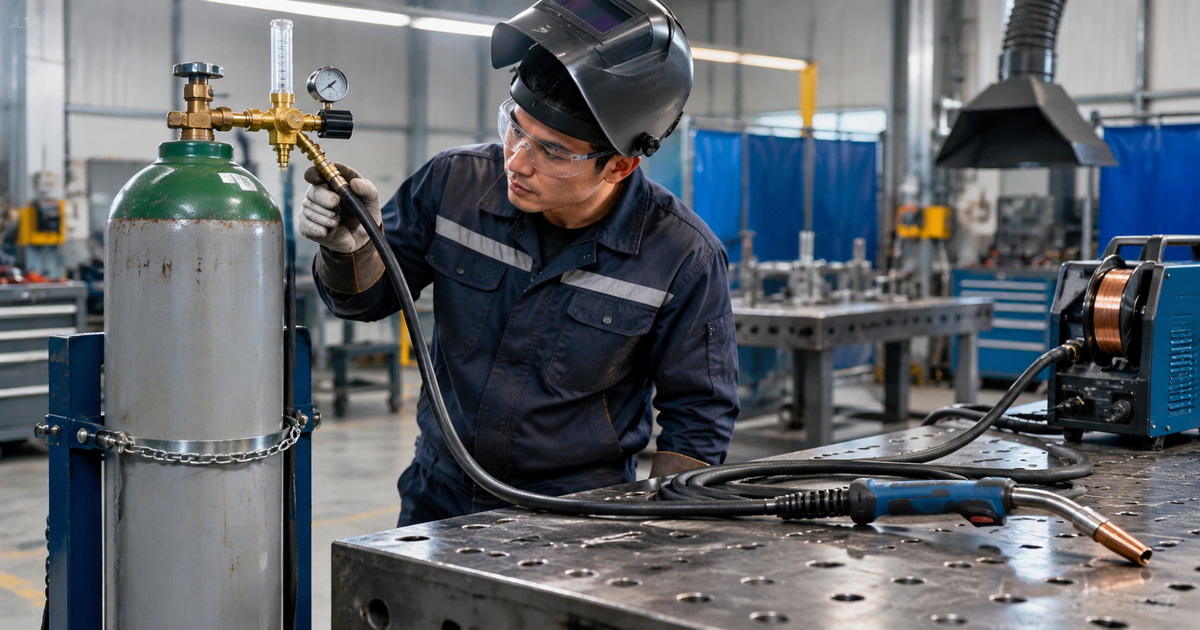
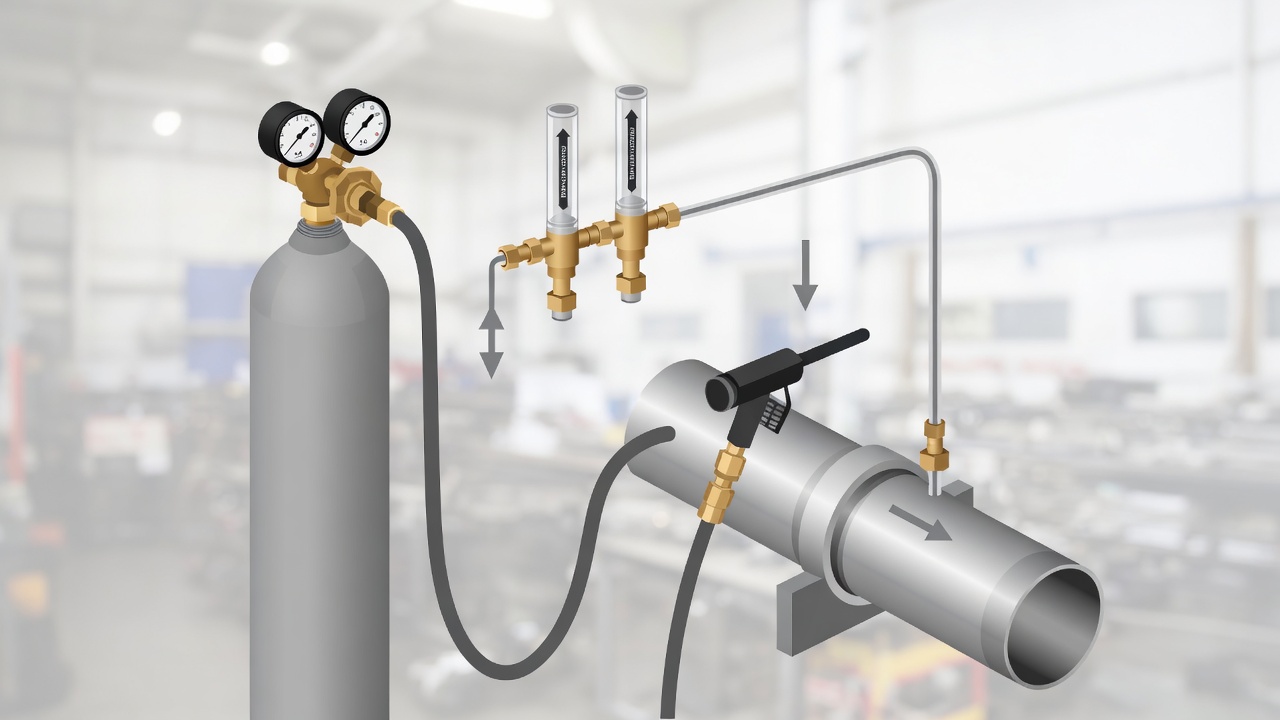
For high‑quality TIG root purging on stainless or alloy pipe, a typical best‑practice layout is:
1. High‑pressure cylinder with appropriate gas (argon or argon mix).
2. Dual gauge regulator at the cylinder to safely reduce and monitor pressure. [boc.co]
3. Dual output argon flowmeter downstream, ideally mounted near the workstation. [specialisedwelding.co]
4. Separate outlet lines: one to the TIG torch, one to the root purge zone.
5. Purge dams, tape, or chamber with controlled venting to avoid turbulence.
This setup gives you both safety and precision: the regulator ensures stable, safe inlet pressure, while the dual output flowmeter provides fine‑grained, visible control for both shielding and purge flows.
Practical Tips from the Shop Floor
From an industry perspective, welders and supervisors can enhance consistency by:
– Documenting standard flow settings for each joint type and pipe diameter
– Marking preferred flow ranges directly on the flowmeter for quick reference
– Conducting periodic leak checks and comparing gauge readings to actual usage
– Training operators to recognize when pressure changes do not match expected flow behavior, which may indicate restrictions or leaks
These practices align with modern QA systems and help connect shop‑floor behavior with the requirements set by welding engineers and inspectors. [store.mathesongas]
OEM, ODM, and Custom Gas Control Solutions
For overseas brands, wholesalers, distributors, and equipment manufacturers, there is growing demand for tailored gas control solutions that match specific welding and cutting workflows. OEM and ODM partnerships can deliver: [ftipv]
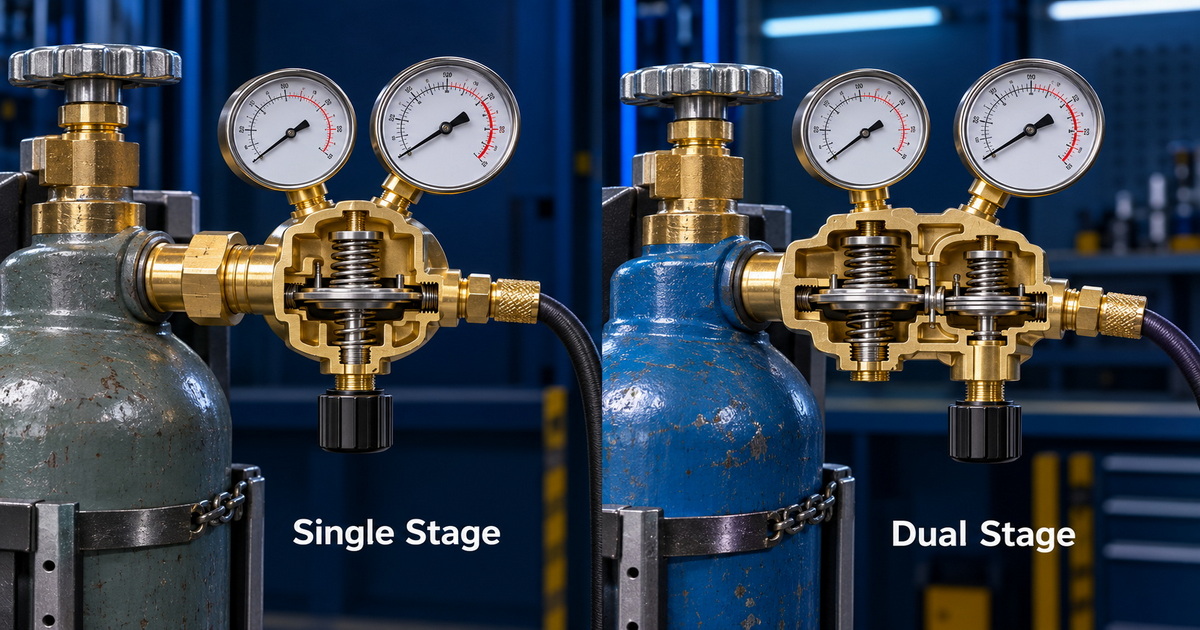
– Custom dual stage regulators optimized for TIG, MIG, and cutting applications
– Dual output argon flowmeters with brand‑specific scales, colors, and fittings
– Integrated purge and shielding gas panels for fabrication cells
– Quality documentation aligned with international standards and buyer requirements
Precision manufacturing, high‑grade brass materials, and strict quality inspection are central to ensuring these products maintain stable performance in demanding industrial environments. For B2B buyers, this means less field failure, more predictable weld quality, and better alignment between product branding and real‑world performance. [ftipv]
How to Decide for Your TIG Root Purge Application
Key Questions to Ask Before Choosing
To select between a dual output argon flowmeter and a dual gauge regulator (or more realistically, to define how they will work together), consider:
– Do you already have compliant cylinder regulators in place?
– Is your main challenge safety and pressure control, or fine‑tuning purge flow?
– Do standard procedures or audits require documented flow values?
– How many welders and workstations share the same gas source?
– Are you planning OEM/ODM solutions for resale, or internal use only?
If your core issue is inconsistent purge quality and gas consumption, adding or upgrading a dual output argon flowmeter near the workstation is likely the fastest win. If you are deploying new gas systems or upgrading safety, start with robust dual gauge regulators and then layer in flowmeter control.
Call to Action – Build a Safer, More Efficient TIG Purge System
If you are responsible for weld quality, safety, or equipment sourcing, now is the time to review how your TIG root purging setup uses dual output flowmeters and dual gauge regulators. Aligning your hardware with your procedure requirements can dramatically improve root quality, gas efficiency, and operator consistency across your fleet of welders. [specialisedwelding.co]
Consider partnering with a specialized gas regulator manufacturer that offers OEM and ODM services for argon, CO₂, oxygen, acetylene, propane, nitrogen, and dual‑stage regulators, so you can standardize your gas control hardware across welding, cutting, and industrial gas applications. Reach out with your weld procedures, target standards, and branding requirements to design a customized industrial gas control solution that supports your long‑term safety and productivity goals. [ftipv]
FAQ
Q1: Can I use only a dual gauge regulator for TIG root purging?
A1: You can reduce cylinder pressure with just a dual gauge regulator, but you will not have precise, visible flow control for purge gas, which makes it harder to standardize procedures and optimize consumption. [boc.com]
Q2: Do I always need both a dual gauge regulator and a dual output argon flowmeter?
A2: For professional TIG root purging from cylinders, yes—use the dual gauge regulator for safe pressure reduction at the cylinder and the dual output flowmeter for precise flow control at the workstation. [specialisedwelding.co]
Q3: How does a dual output flowmeter help reduce argon consumption?
A3: It lets welders set and monitor exact flow rates for both torch and purge gas, avoiding the common practice of running higher‑than‑necessary flows “just to be safe,” which wastes gas over time. [store.mathesongas]
Q4: What materials should I look for in industrial gas regulators and flowmeters?
A4: Look for high‑quality brass bodies, precision‑machined internal components, and robust seals, supported by strict quality inspection and adherence to international gas handling standards. [pakoxygen]
Q5: Can OEM and ODM gas control solutions be customized for different welding processes?
A5: Yes, specialized manufacturers can design dual stage regulators, flowmeters, and gas panels tailored to TIG, MIG, cutting, and industrial gas applications, including branding, scaling, and connection options. [ftipv]
References
1. BOC – Industrial Gas Regulators. https://www.boc.com.au/shop/en/au/gas-welding-heating-cutting-brazing/industrial-gas-regulators
2. BOC – Specialty Gas Regulators and Flowmeters. https://www.boc.com.au/shop/en/au/gas-welding-heating-cutting-brazing/specialty-gas-regulators
3. Specialised Welding – Gas Regulators & Flowmeters. https://specialisedwelding.co.uk/collections/gas-regulators
4. PAK Oxygen – Gas Regulators (Single & Multi‑Stage). https://www.pakoxygen.com/Hardgoods/GasRegulators
5. MATHESON – Specialty Gas Equipment Regulators. https://store.mathesongas.com/regulators/
6. FTIPV – Gas Regulators Product Category. https://www.ftipv.com/category/gas-regulators/
Hot Tags: Dual Output Argon Flowmeter, Dual Gauge Regulator, TIG Root Purging, Argon Gas Regulator, Industrial Gas Regulator OEM, Welding Gas Control Solution, Dual Stage Gas Regulator, Stainless Steel Pipe Welding, B2B Welding Equipment Supplier, Argon Flowmeter For Purging