Content Menu
● Understanding Acetylene Gas Pressure Regulators
● What Is a Mini Gas Regulator for Brazing Kits?
● Core Functional Differences in Pressure and Flow
● Portability vs Stability in Field Maintenance
● Detailed Feature Comparison Table
● Safety Considerations for Acetylene vs Mini Regulators
● UX‑Driven Perspective: Technician Experience in the Field
● When to Choose Acetylene Gas Pressure Regulators
● When Mini Gas Regulators Make More Sense
● Expert Tip: Matching Regulator Type to Brazing Torch and Nozzle
● OEM and ODM Considerations for Overseas Brands
● Practical Selection Checklist for Buyers
● Call to Action: Design the Right Regulator Package for Your Brazing Kits
● FAQ: Acetylene Gas Pressure Regulator vs Mini Gas Regulator
When you choose between a full‑size acetylene gas pressure regulator and a compact mini gas regulator for field brazing, you are really choosing between maximum control and maximum portability. Both can deliver safe flames for copper tube brazing and light fabrication, but they perform very differently once you leave the workshop and walk onto a rooftop, plant room, or construction site. [specialisedwelding.co]
Understanding Acetylene Gas Pressure Regulators
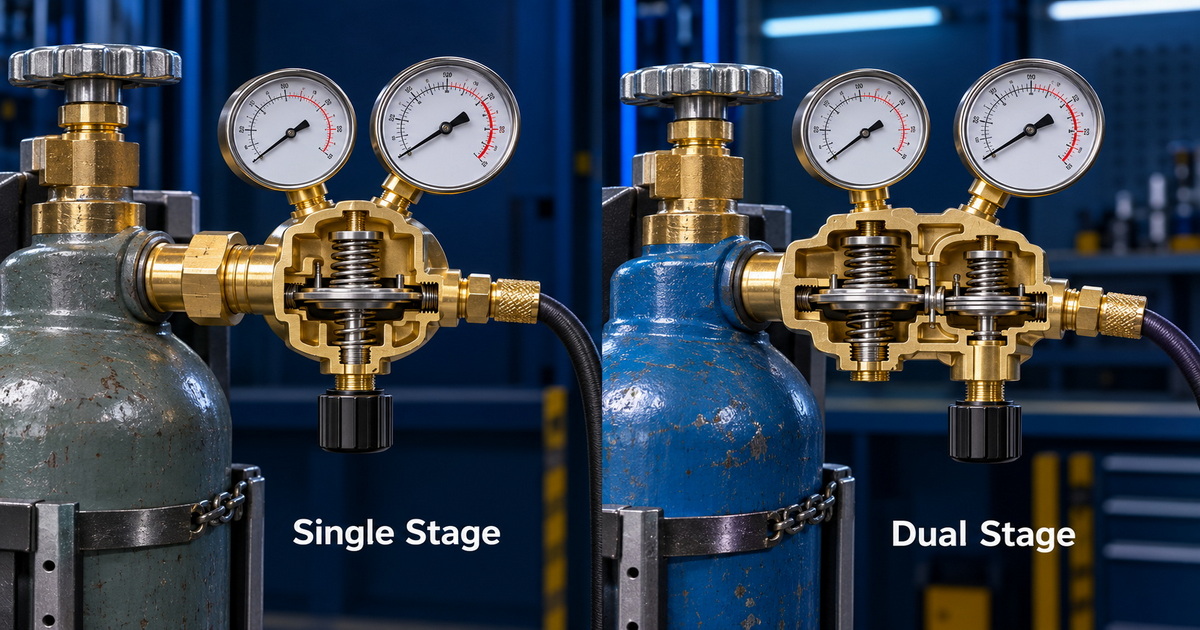
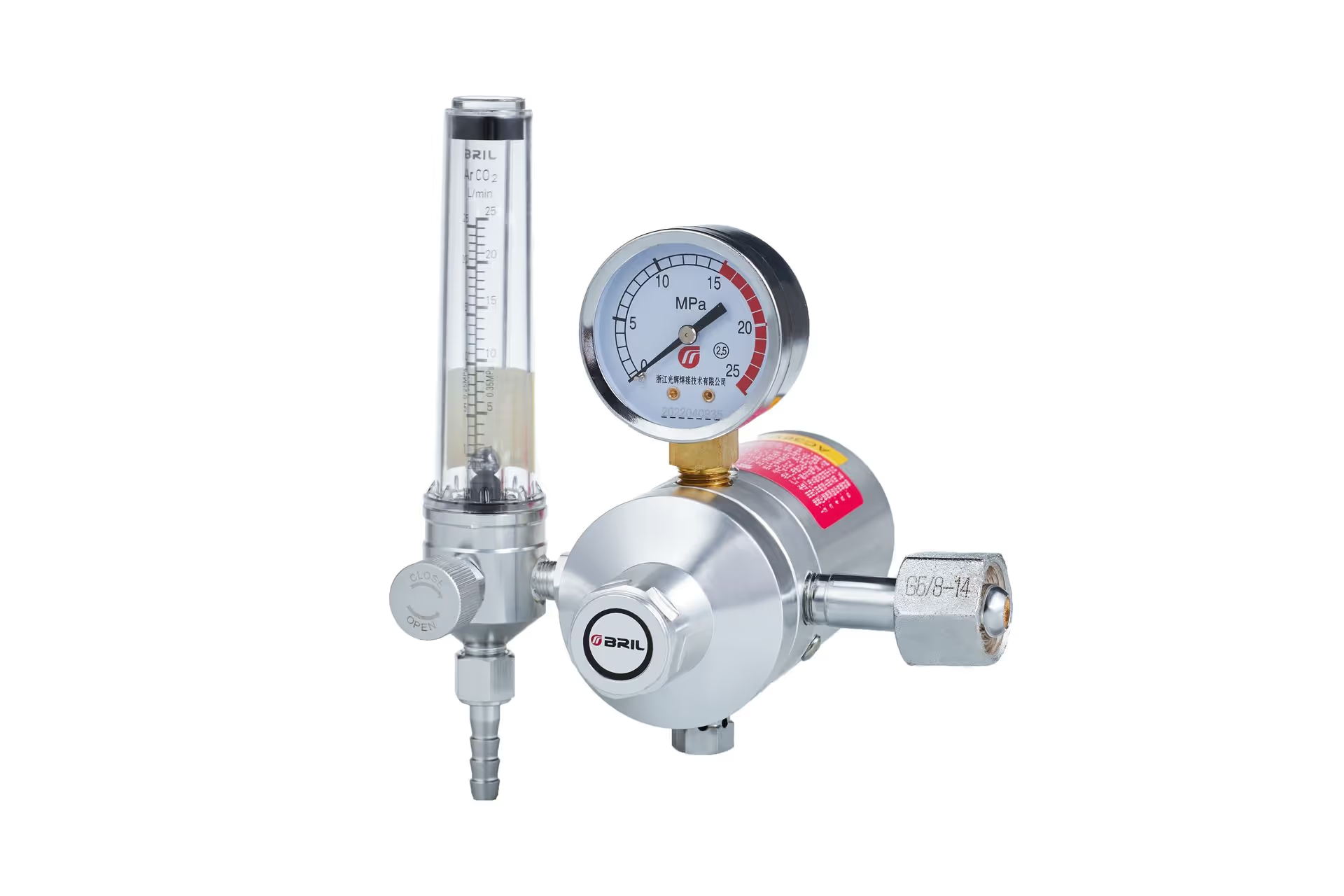
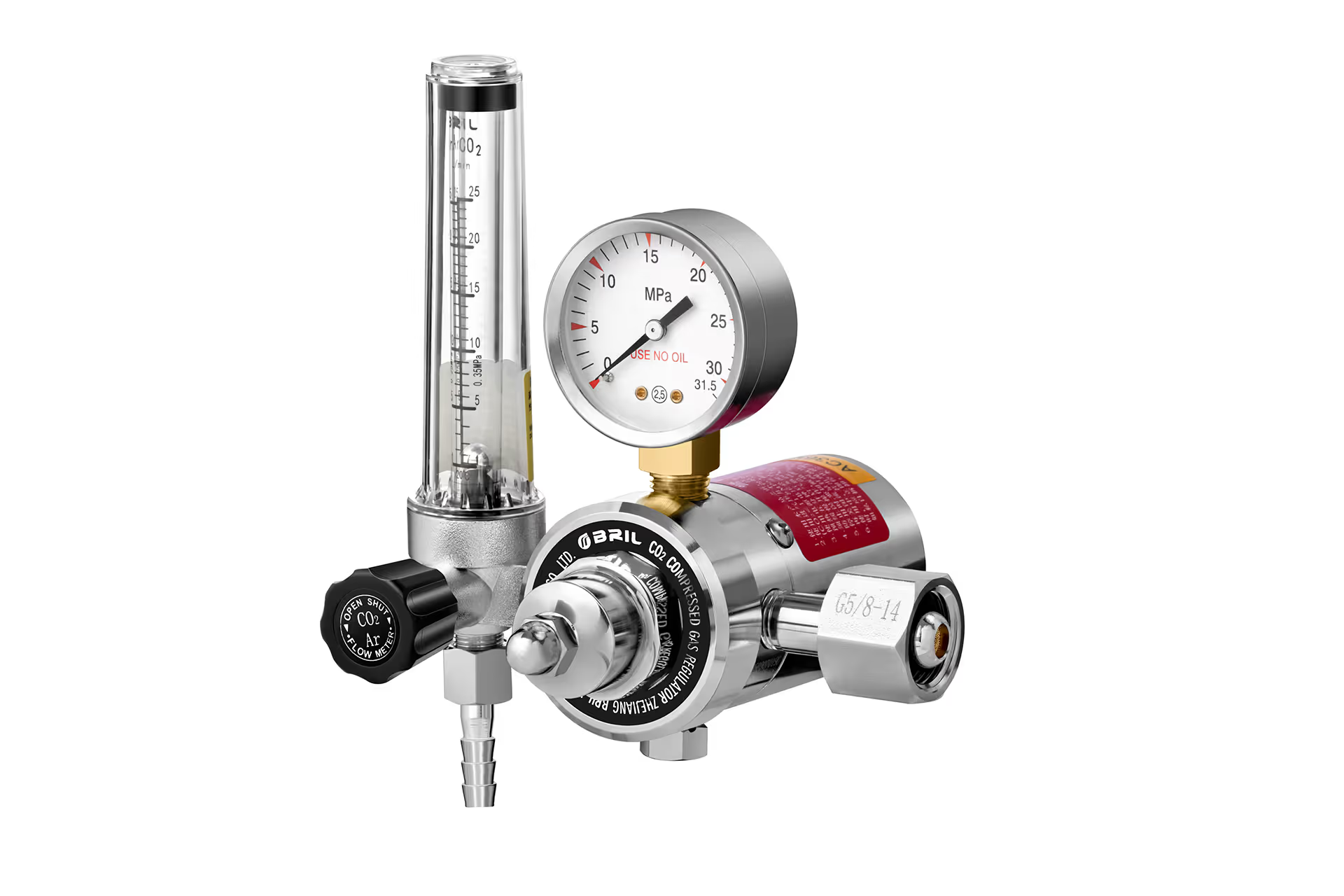
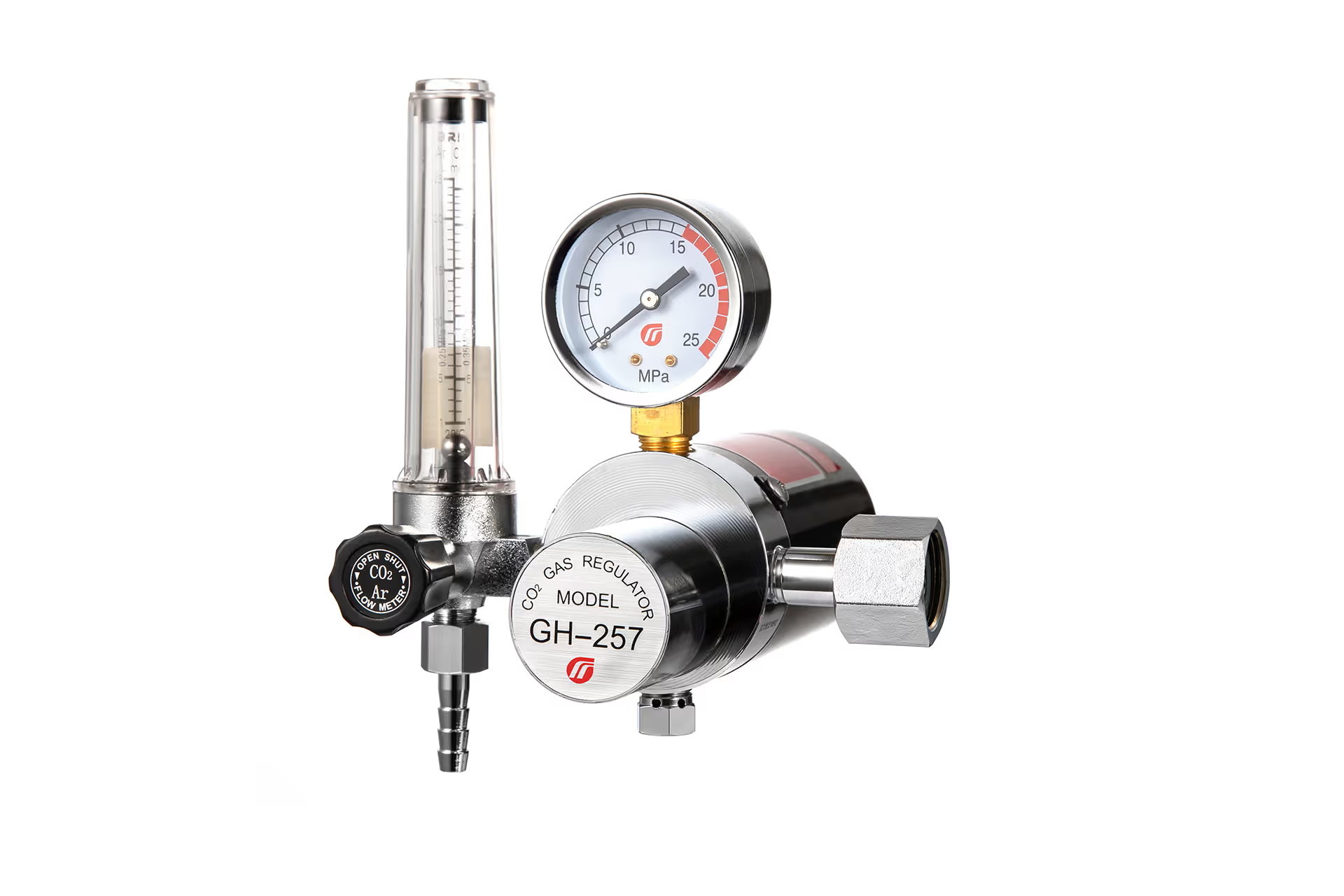
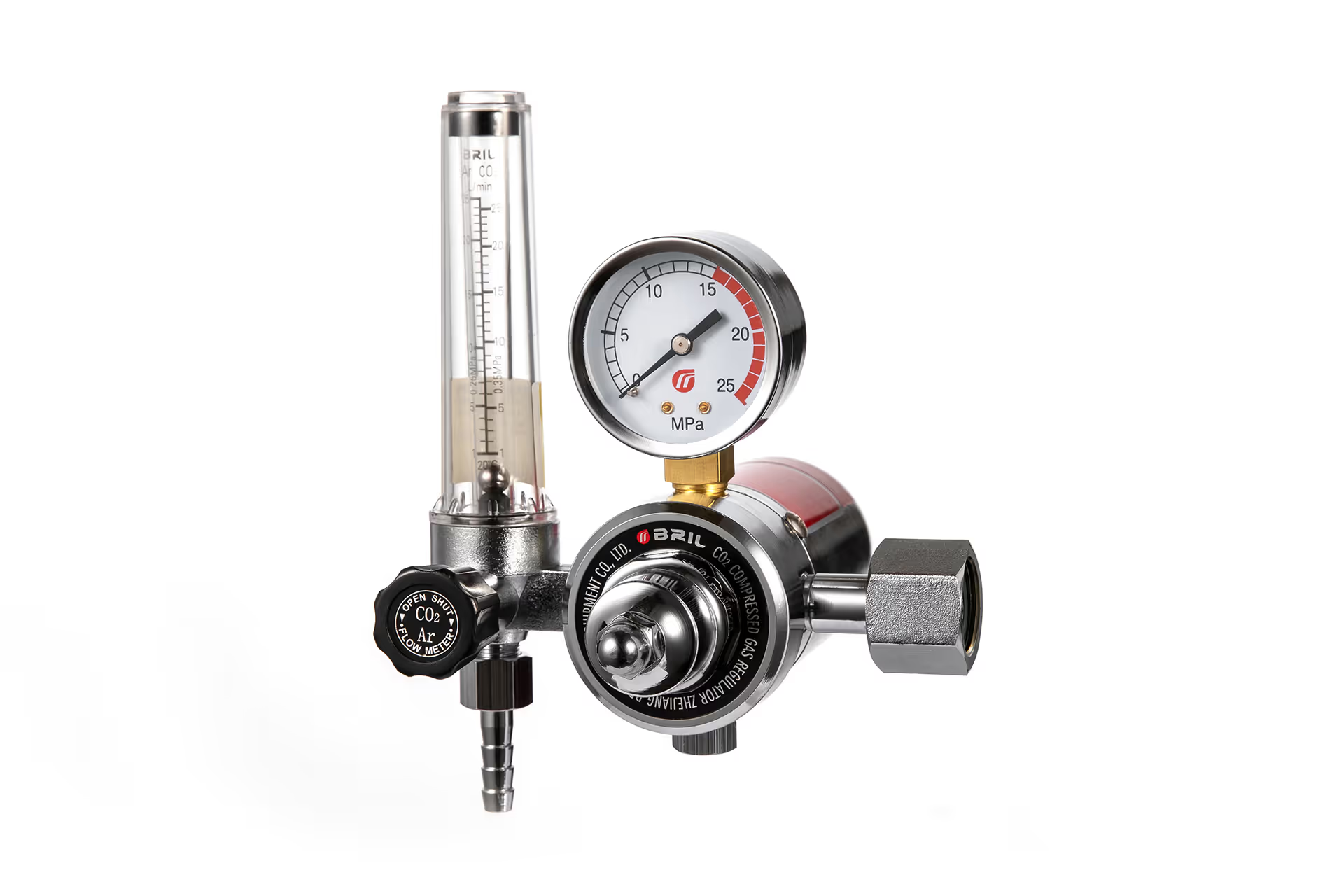
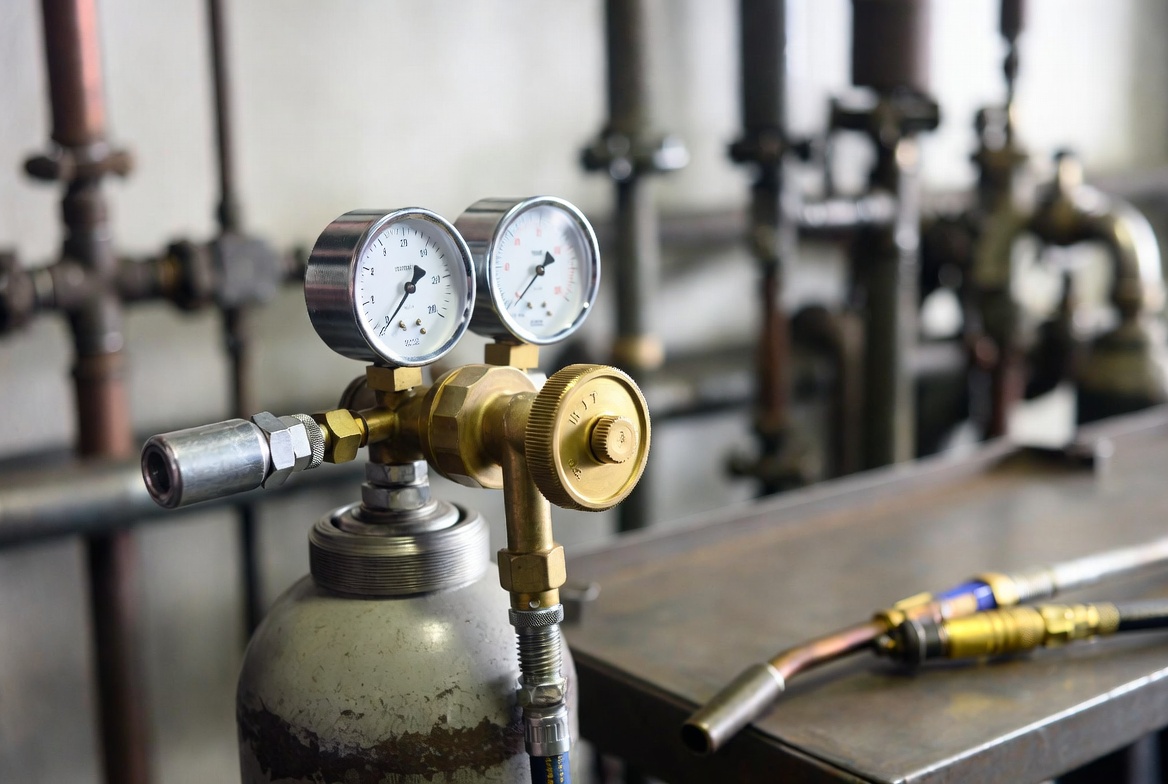
A standard acetylene gas pressure regulator is a dedicated device designed to reduce high cylinder pressure to a safe, stable working pressure for welding, cutting, and brazing. It is usually a single‑stage or dual‑stage regulator with robust brass construction and large, easy‑to‑read gauges. [boc.co]
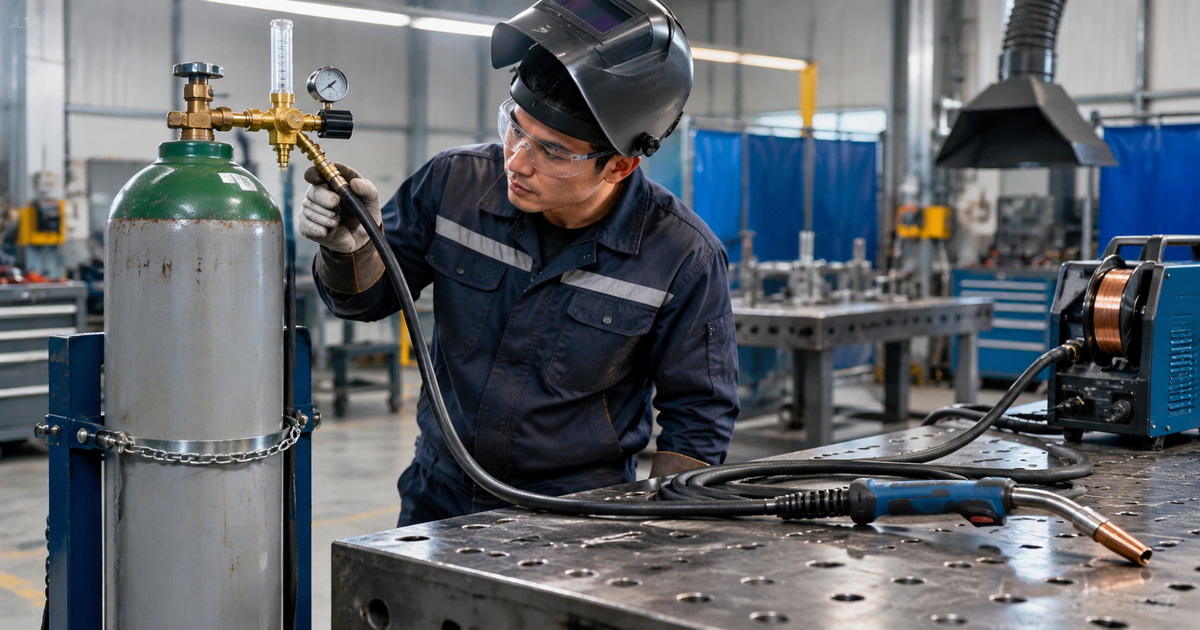
From a practical standpoint, these regulators are built for heavy‑duty use on industrial cylinders in fixed or semi‑fixed locations. They are the default choice in workshops, fabrication shops, and maintenance bays where acetylene is used daily. [boc.com]
What Is a Mini Gas Regulator for Brazing Kits?
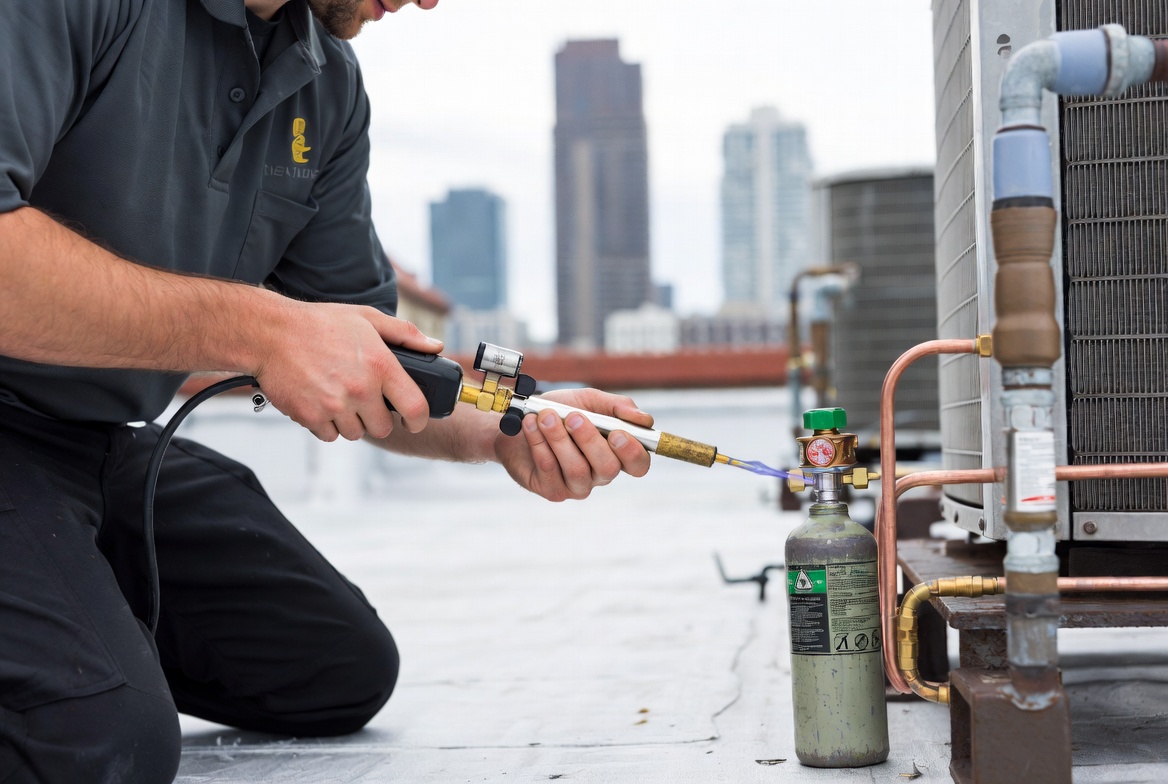
A mini gas regulator for field maintenance brazing kits is a compact, lightweight regulator often supplied as part of portable torch outfits for HVAC/R technicians, plumbers, and field service engineers. [ftipv]
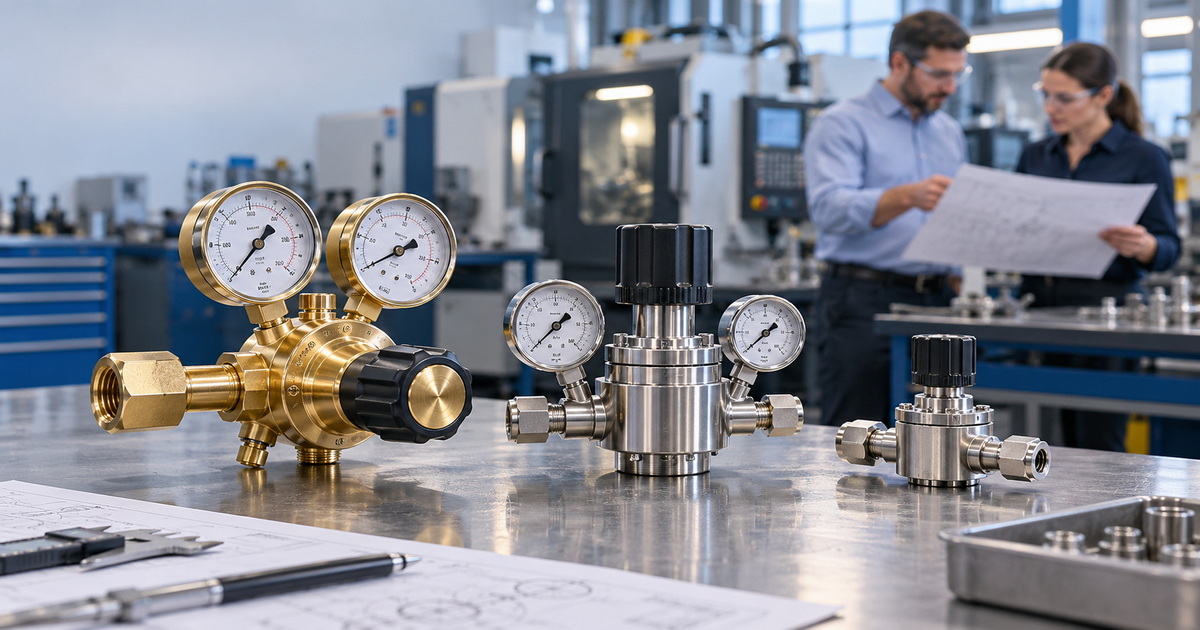
These mini regulators are optimized for mobility and quick setup on small cylinders or disposable cartridges. They still provide safe pressure reduction, but their flow capacity, adjustment range, and durability are tuned to short‑duration jobs and frequent relocation rather than continuous production work. [specialisedwelding.co]
Core Functional Differences in Pressure and Flow
From an engineering and user perspective, the biggest functional gap lies in pressure and flow capacity.
– Acetylene gas pressure regulators
– Higher flow capacity for larger nozzles and multi‑hour jobs. [boc.co]
– Finer pressure control, especially on dual‑stage models, which hold outlet pressure stable as cylinder pressure drops. [boc.co]
– Wider adjustment range for switching between cutting, heavy welding, and brazing. [boc.com]
– Mini gas regulators
– Adequate flow for typical HVAC/R and plumbing brazing tips but limited for large cutting or heating nozzles. [ftipv]
– Shorter duty cycles; best for intermittent, field‑based service work rather than continuous industrial use. [specialisedwelding.co]
In my experience working with maintenance teams, technicians who frequently braze 1/4″ to 7/8″ copper lines in rooftop units rarely notice the flow limitations of mini regulators. However, fabrication shops and pipeline contractors quickly hit the ceiling of a mini regulator’s capacity.
Portability vs Stability in Field Maintenance
Field maintenance is where mini gas regulators shine, but the trade‑off with full acetylene regulators is very real.
Portability advantages of mini gas regulators
– Lower weight and smaller footprint on tool trolleys and backpacks. [ftipv]
– Easier to balance on small cylinders, reducing trip hazards in tight plant rooms or rooftops. [specialisedwelding.co]
– Faster setup and teardown, which matters when your team handles multiple short calls per day.
Stability advantages of acetylene regulators
– Larger bodies and gauges that are easier to read even with PPE and fogged glasses. [linde-gas]
– More robust internal components, better suited to rough handling and pressure spikes from frequent cylinder changes. [pakoxygen]
– More stable outlet pressure over long brazing runs, especially when cylinder pressure drops during extended heating. [boc.co]
As an SEO content strategist working closely with industrial clients, the pattern is clear: facility managers favor the stability and lifespan of full‑size acetylene regulators, while mobile field teams prioritize the agility of mini regulators—even if that occasionally means carrying a spare unit.
Detailed Feature Comparison Table
Key Performance Differences: Acetylene Regulator vs Mini Regulator
| Feature / Criterion | Acetylene Gas Pressure Regulator | Mini Gas Regulator for Brazing Kits |
|---|---|---|
| Primary gas | Dedicated acetylene use. (boc.co) | Often multi‑gas or kit‑specific. (specialisedwelding.co) |
| Typical use case | Workshop, fabrication, industrial cutting/brazing. (boc.co) | Field HVAC/R and plumbing maintenance. (specialisedwelding.co) |
| Flow capacity | Medium to high, supports larger tips and longer jobs. (boc.co) | Low to medium, optimized for light brazing. (specialisedwelding.co) |
| Pressure stability | Very stable, especially dual‑stage models. (boc.co) | Stable enough for short jobs; more fluctuation as cylinder empties. (specialisedwelding.co) |
| Size and weight | Larger, heavier, best on full‑size cylinders. (boc.co) | Compact, lightweight, ideal for portable kits. (specialisedwelding.co) |
| Gauge readability | Large dials, easy to read at a distance. (boc.com) | Smaller gauges, may be harder to read in low light. (specialisedwelding.co) |
| Durability | High durability; thick brass bodies and reinforced components. (boc.co) | Good but more susceptible to impact due to lighter construction. (specialisedwelding.co) |
| Cost | Higher initial investment, lower cost per year with heavy use. (pakoxygen) | Lower upfront cost, potentially shorter service life in harsh use. (specialisedwelding.co) |
| Typical standards | Designed to meet industrial gas and safety standards. (boc.co) | Often built to portable kit or OEM standards. (specialisedwelding.co) |
Safety Considerations for Acetylene vs Mini Regulators
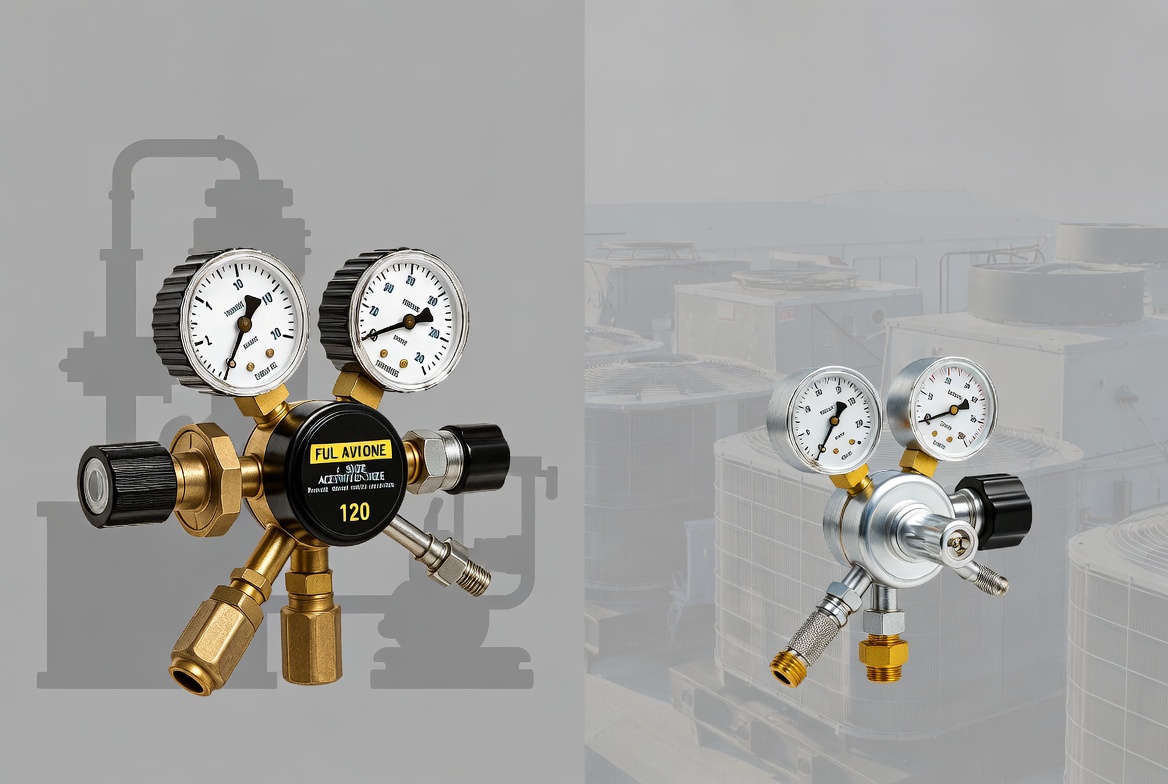
Whether you choose an acetylene gas pressure regulator or a mini gas regulator, safety is non‑negotiable. Acetylene, in particular, has strict handling rules due to its instability at high pressure. [boc.co]
Key points that I emphasize when working with industrial buyers:
– Backfire and flashback prevention
Use flashback arrestors and check valves regardless of regulator size to protect the torch, regulator, and cylinder. [boc.com]
– Correct pressure ranges for acetylene
Follow the manufacturer’s recommended outlet pressure and never exceed safe limits, especially on mini regulators with smaller gauges. [boc.co]
– Cylinder positioning and transport
Full‑size regulators on heavy cylinders are harder to move but generally more stable, whereas mini regulators can be knocked over more easily if the cylinder is not well secured. [ftipv]
In field audits, I often see technicians using mini regulators with ad‑hoc cylinder supports. Upgrading to rugged regulator bodies, integrated gauges, and better mounting accessories can immediately reduce safety incidents.
UX‑Driven Perspective: Technician Experience in the Field
From a user‑experience angle, your choice directly affects how technicians feel and perform on the job.
What technicians tend to like about mini gas regulators
– Faster setup when accessing difficult locations such as rooftops or ceiling voids. [specialisedwelding.co]
– Lighter kits that reduce fatigue over a full shift of service calls. [ftipv]
– Simple, intuitive controls with fewer adjustments when doing repetitive brazing.
What they value in acetylene gas pressure regulators
– Confidence in stable flame when brazing near sensitive components or critical joints. [pakoxygen]
– Better feedback from large adjustment knobs and gauges when using thicker gloves. [linde-gas]
– Longer service life with fewer failures, especially in fleets that cannot risk downtime. [pakoxygen]
User interviews in B2B environments consistently show that technicians will accept slightly heavier equipment if it avoids rework and callbacks. For that reason, some companies specify high‑precision acetylene regulators even for certain field tasks, especially on high‑value refrigeration or process lines.
When to Choose Acetylene Gas Pressure Regulators
Based on industry best practice and field performance, you should prioritize a full‑size acetylene gas pressure regulator if:
1. Your brazing tasks are heavy‑duty or long duration
For continuous brazing on thick copper, steel, or multiple joints in one setup, the flow and stability of a full regulator are invaluable. [pakoxygen]
2. You operate in a fixed or semi‑fixed location
Workshops, fabricators, and plant maintenance bays benefit from the durability and readability of industrial acetylene regulators. [boc.com]
3. You need maximum precision and repeatability
Dual‑stage acetylene regulators hold outlet pressure extremely stable, which matters for consistent bead quality and minimizing oxidation issues. [boc.co]
4. You manage a large fleet of technicians or stations
Standardizing on robust, industrial‑grade regulators simplifies training, maintenance planning, and safety compliance. [linde-gas]
As a manufacturer, we typically recommend full‑size acetylene regulators for OEM welding/cutting systems, fixed production cells, and any application where downtime or rework costs are high.
When Mini Gas Regulators Make More Sense
On the other hand, mini gas regulators integrated into field maintenance brazing kits are often the smarter choice when:
1. Portability is your top priority
HVAC/R technicians frequently move between rooftops, mechanical rooms, and customer sites; every kilogram saved in the kit matters. [specialisedwelding.co]
2. Jobs are short and repetitive
If each brazing job involves a few joints on small‑diameter tube, the higher capacity of an industrial acetylene regulator is unnecessary. [ftipv]
3. You use small or disposable cylinders
Mini regulators are designed to interface cleanly with compact cylinders and cartridges used in portable kits. [specialisedwelding.co]
4. You need low entry cost for new teams
For new service teams or distributors entering the market, mini kit regulators reduce upfront investment and simplify starter packages. [ftipv]
In practice, many companies run a hybrid approach: mini regulators for light service vans and full‑size acetylene regulators in workshops and for heavy repair teams.
Expert Tip: Matching Regulator Type to Brazing Torch and Nozzle
From an engineering standpoint, your regulator choice must align with your torch and nozzle configuration.
– For large brazing tips and multi‑flame heating torches, choose a high‑capacity acetylene regulator with sufficient flow margin. [boc.co]
– For standard brazing torches used on HVAC/R copper lines, a correctly rated mini regulator is typically sufficient, provided it meets the manufacturer’s required flow and pressure. [specialisedwelding.co]
As a best practice, I recommend that technical buyers create a simple internal matrix listing:
– Typical joint sizes
– Torch and tip models
– Recommended flow/pressure ranges
Then verify that each regulator model—acetylene or mini—meets or exceeds those requirements with a safety margin.
OEM and ODM Considerations for Overseas Brands
For overseas brands, wholesalers, and OEMs, the choice is not just technical; it is strategic.
Key OEM/ODM angles where our precision manufacturing adds value
– Customized pressure ranges and flow curves
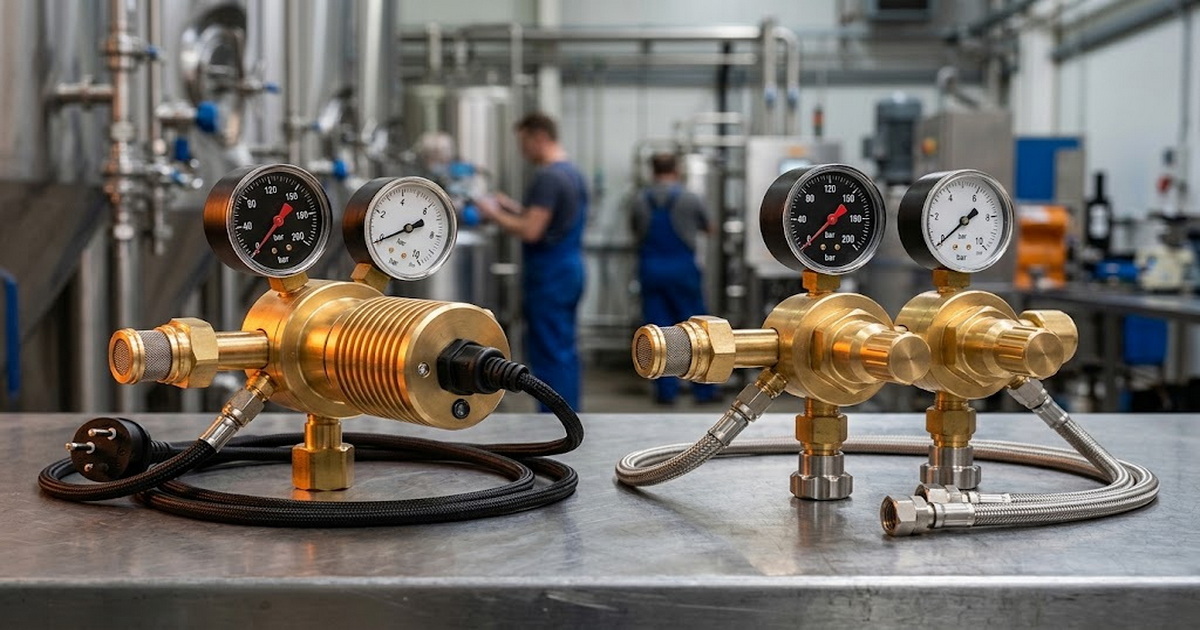
We can tune both acetylene and mini regulators to match your brazing kit performance targets and local market standards, ensuring optimal flame characteristics and compliance. [store.mathesongas]
– Material and durability upgrades
Using high‑quality brass bodies, reinforced diaphragms, and robust valve seats, we extend regulator life and reduce field failure rates in demanding climates. [store.mathesongas]
– Brand‑specific designs
We support OEM branding, unique color coding, and bespoke gauge faces, allowing you to differentiate premium acetylene regulators from compact field mini regulators within your product line. [store.mathesongas]
For distributors building a tiered product range—entry‑level mini brazing kits and premium industrial sets—this flexible approach lets you align regulator type with buyer persona and price point.
Practical Selection Checklist for Buyers
To make the decision clearer, here is a simple step‑by‑step checklist you can apply when comparing acetylene gas pressure regulators and mini gas regulators for field maintenance brazing kits:
1. Define your main environment
– Mostly workshop or plant room → favor acetylene regulator.
– Mostly mobile, multi‑site field work → favor mini regulator.
2. List typical job types and durations
– Long, high‑heat brazing or cutting → acetylene regulator.
– Short service brazing on small tube sizes → mini regulator.
3. Review your torch and nozzle specifications
– High flow / multi‑flame → acetylene regulator.
– Standard brazing tips → mini regulator is often adequate.
4. Evaluate safety and compliance requirements
– Strict industrial standards, third‑party audits → industrial acetylene regulator with clear documentation.
– Standard service use with basic safety controls → certified mini regulator may suffice.
5. Consider total cost of ownership
– Heavy daily use → more robust acetylene regulator offers better lifecycle value.
– Occasional or seasonal use → mini regulator offers better cost control.
Working through this checklist as a team (engineering, safety, and procurement) helps you avoid under‑specifying or over‑specifying your regulators.
Call to Action: Design the Right Regulator Package for Your Brazing Kits
If you are an overseas brand, wholesaler, distributor, or brazing kit manufacturer, the most effective approach is often a tailored regulator portfolio that includes both:
– High‑precision acetylene gas pressure regulators for workshop and heavy‑duty industrial brazing, and
– Compact mini gas regulators optimized for field maintenance brazing kits and service technicians.
By leveraging precision manufacturing, high‑quality brass materials, and strict quality inspection, we help you design OEM and ODM regulator solutions that deliver stable pressure control, reliable performance, and compliance with international industrial gas standards—without forcing your customers into a one‑size‑fits‑all compromise.
If you are planning a new brazing kit range or upgrading your existing gas control line, consider sharing your target markets, typical applications, and performance expectations so we can propose an optimized regulator mix and technical specification for your brand.
FAQ: Acetylene Gas Pressure Regulator vs Mini Gas Regulator
1. Can I use a mini gas regulator for all acetylene brazing work?
A mini gas regulator can safely handle light brazing tasks when correctly rated, but for high‑flow applications or long‑duration heating, a full acetylene gas pressure regulator is strongly recommended. [pakoxygen]
2. Are dual‑stage acetylene regulators useful for field maintenance?
Dual‑stage acetylene regulators offer excellent pressure stability and are beneficial when extremely consistent flames are required, but their size and cost mean they are more common in workshops than in portable kits. [boc.co]
3. How often should regulators be inspected or replaced?
Industrial gas regulators should be periodically inspected according to local regulations and manufacturer guidance, with replacement intervals based on usage intensity, environment, and any signs of damage or performance drift. [linde-gas]
4. Can one regulator be used with different gases?
Some mini regulators are designed for specific gases, while others are multi‑gas compatible; in all cases, you must follow the manufacturer’s gas compatibility ratings and not mix incompatible gases on the same regulator. [ftipv]
5. What documentation do I need for safety audits?
For both acetylene and mini regulators, auditors often ask for product data sheets, conformity declarations, pressure rating documents, and maintenance records that show compliance with applicable industrial gas and safety standards. [linde-gas]
References
1. BOC – Industrial Gas Regulators. https://www.boc.com.au/shop/en/au/gas-welding-heating-cutting-brazing/industrial-gas-regulators
2. BOC – Dual Stage Specialty Gas Regulators. https://www.boc.co.nz/shop/en/nz/gas-regulator/dual-stage-specialty-gas-regulators
3. Specialised Welding Products – Gas Regulators & Flowmeters. https://specialisedwelding.co.uk/collections/gas-regulators
4. Pakistan Oxygen – Gas Regulators (Single & Multi‑Stage). https://www.pakoxygen.com/Hardgoods/GasRegulators
5. Linde Gas – Industrial and Medical Regulators. https://www.linde-gas.lt/shop/en/lt-ig/medical-equipment-1012/regulators-1012-hc-regulators
6. MATHESON – Specialty Gas Equipment, Regulators. https://store.mathesongas.com/regulators/
7. BOC – Gas Welding, Heating, Cutting & Brazing Regulators. https://www.boc.com.au/shop/en/au/gas-welding-heating-cutting-brazing/specialty-gas-regulators
8. FTIPV – Gas Regulators. https://www.ftipv.com/category/gas-regulators/
Hot Tags: Acetylene Gas Pressure Regulator, Mini Gas Regulator, Field Maintenance Brazing Kits, HVAC Brazing Kit, Industrial Gas Regulator, Dual Stage Acetylene Regulator, Portable Brazing Torch Kit, OEM Gas Regulator Manufacturer, Brass Gas Pressure Regulator, Oxy Fuel Brazing Equipment