Content Menu
● Oxy‑Fuel Cutting Basics: Role of Each Regulator
● Core Design Differences: Oxygen vs Acetylene Regulators
>> Body, Materials, and Marking
>> Single‑Stage vs Dual‑Stage Performance
● Practical Performance: Cut Quality and Productivity
● Safety Considerations: Why You Must Never Swap Regulators
● Specification Checklist for Heavy‑Duty Oxy‑Fuel Cutting
>> Oxygen Regulator Checklist (Cutting Oxygen Side)
>> Acetylene Regulator Checklist (Fuel Gas Side)
● Technical Comparison Table: Oxygen vs Acetylene Regulators
● Common Field Problems and How to Solve Them
>> 1. Inconsistent Cut Quality
>> 2. Frequent Flashbacks or Backfires
>> 3. Regulator Vibration and Gauge Damage
● How Industrial Standards Shape Regulator Selection
● OEM/ODM Perspective: Customizing Regulators for Your Market
● Step‑by‑Step: Choosing the Right Regulator Pair
● When to Upgrade: From Basic to Heavy‑Duty Regulators
● Clear Takeaways for Buyers and Engineers
● Call to Action for OEMs, Distributors, and Industrial Users
● FAQs
Oxygen and acetylene gas pressure regulators work together in heavy‑duty oxy‑fuel cutting, but they are engineered very differently and must never be used interchangeably. Understanding those differences is critical for cut quality, operator safety, and regulator lifetime in demanding industrial environments. [boc.co]
What This Comparison Covers
This guide compares oxygen gas pressure regulators vs acetylene gas pressure regulators for heavy‑duty oxy‑fuel cutting, from a practical, field‑engineer perspective and a gas equipment manufacturer’s viewpoint. It is written for welding and cutting equipment buyers, industrial maintenance teams, and overseas OEM/ODM partners looking to specify reliable regulators for harsh production environments. [specialisedwelding.co]
Oxy‑Fuel Cutting Basics: Role of Each Regulator
In heavy‑duty oxy‑fuel cutting, the flame comes from oxygen + fuel gas (acetylene, propane, etc.), each supplied through its own regulator. [boc.com]
– The oxygen regulator controls high‑pressure oxygen from cylinders or centralized systems and feeds a stable flow to the cutting torch. [boc.co]
– The acetylene regulator safely reduces acetylene cylinder pressure and limits outlet pressure to prevent decomposition and flashback risks. [uniweld]
From an equipment engineer’s perspective, you can treat the oxygen regulator as the workhorse for cutting performance and the acetylene regulator as the guardian of fuel gas safety and stability. [uniweld]
Core Design Differences: Oxygen vs Acetylene Regulators
Body, Materials, and Marking
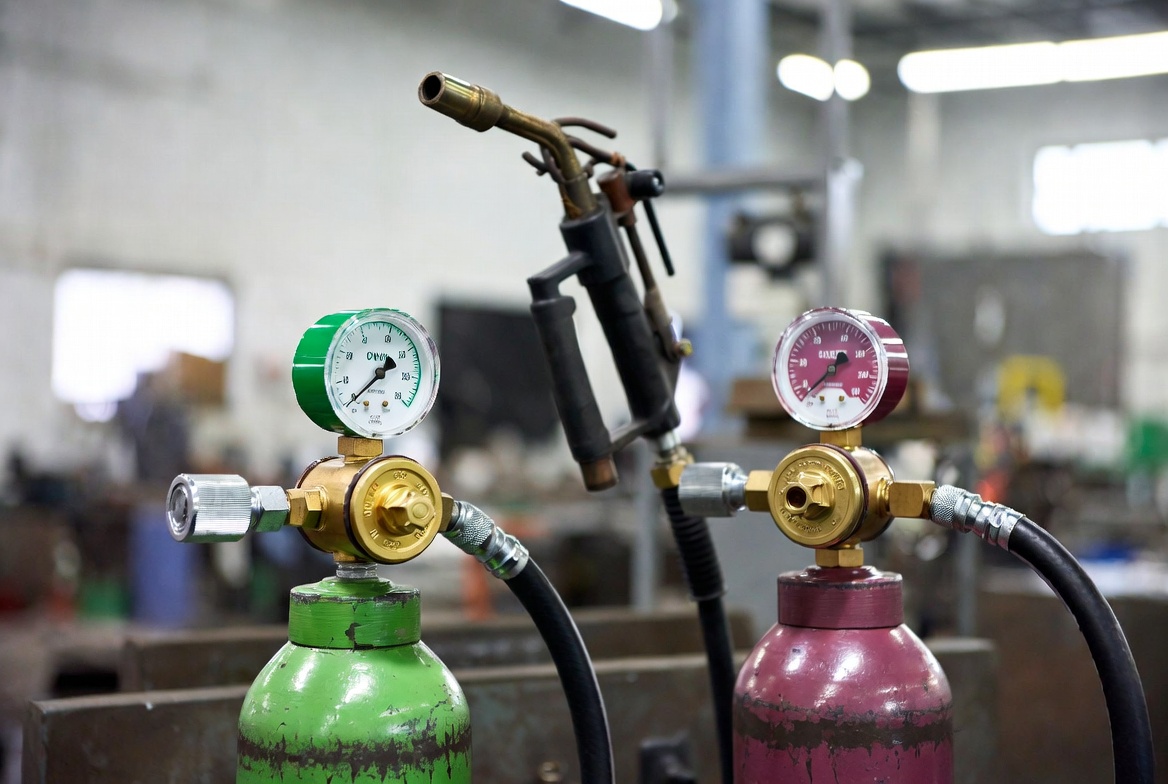
Professional industrial regulators for oxygen and acetylene share brass, forged bodies, and robust diaphragms, but their internal designs and markings differ for safety and performance. [boc.com]
– Oxygen gas pressure regulator
– Cleaned for oxygen service, with strict oil and grease‑free standards. [boc.co]
– Higher maximum inlet pressure (often 150–300 bar depending on region and standard). [boc.com]
– Outlet pressure ranges optimized for cutting oxygen delivery (often 0–10 bar or higher depending on model). [pakoxygen]
– Acetylene gas pressure regulator
– Designed around acetylene’s instability at high pressure, typically limiting outlet pressure to around 1.5 bar or lower depending on standards and manufacturer. [pakoxygen]
– Sometimes uses different seat materials and internal passages to minimize pressure spikes and backfire risks. [uniweld]
From a manufacturer’s point of view, we engineer oxygen regulators for high‑pressure resilience, while acetylene regulators are tuned for low‑pressure safety margins and smooth delivery. [pakoxygen]
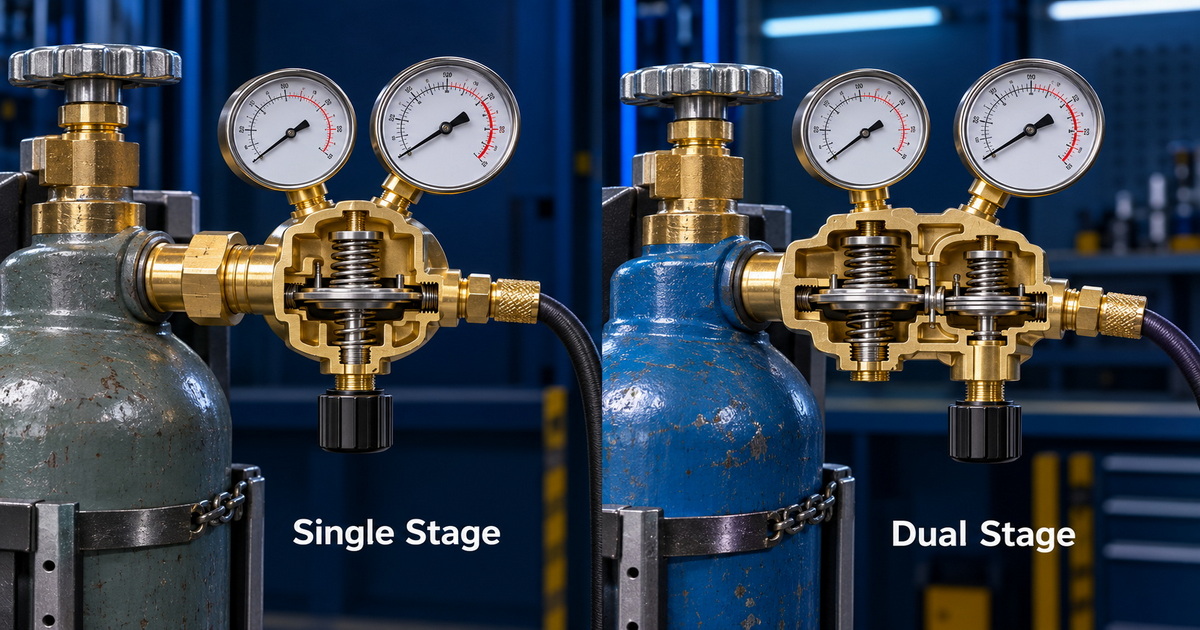
Single‑Stage vs Dual‑Stage Performance
For heavy‑duty cutting or automated gantry systems, pressure stability over time is a major practical concern. [store.mathesongas]
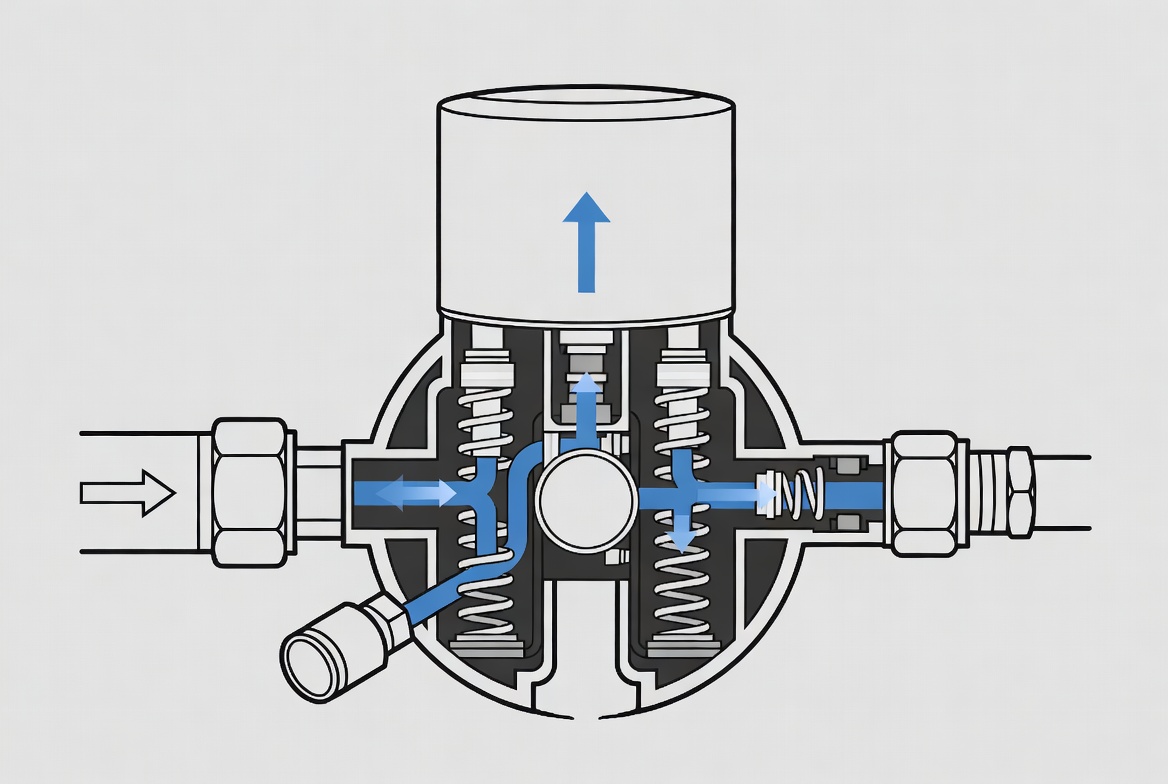
– Single‑stage regulators
– Reduce cylinder pressure to working pressure in one step. [store.mathesongas]
– More compact and cost‑effective, widely used for standard manual cutting and welding. [presscon.co]
– Dual‑stage regulators
– Two reduction stages for more stable outlet pressure as cylinder pressure drops. [boc.co]
– Especially valuable on oxygen lines where long cutting shifts and consistent kerf quality are critical. [boc.co]
In practice, many shops standardize on dual‑stage oxygen regulators for heavy‑duty cutting, while keeping single‑stage acetylene regulators where cost and compactness are priorities but pressure limits are strictly controlled. [boc.co]
Practical Performance: Cut Quality and Productivity
As someone who has worked with high‑volume manufacturing clients, I see a clear pattern: oxygen regulator performance shows up directly in cut quality, while the acetylene regulator shows up in flame stability and downtime reduction. [boc.co]
– A stable oxygen pressure regulator delivers:
– Cleaner kerf and reduced slag.
– Faster cutting speeds on thick plate.
– More repeatable results in automated cutting tables. [boc.com]
– A properly sized acetylene regulator provides:
– Smooth flame start‑up and re‑ignition.
– Fewer backfires and flashbacks.
– Less frequent readjustment by operators. [uniweld]
When you scale this to multi‑shift operation, the cumulative effect on productivity and gas cost per cut is substantial, especially for OEMs and large fabricators. [specialisedwelding.co]
Safety Considerations: Why You Must Never Swap Regulators
From a safety and compliance standpoint, the oxygen gas pressure regulator and acetylene gas pressure regulator are not interchangeable. [uniweld]
Key reasons include:
– Different maximum outlet pressure settings and safety limits, especially tight on acetylene due to decomposition risks. [pakoxygen]
– Different internal cleaning and contamination standards for oxygen service. [boc.co]
– Gas‑specific connectors and thread types in many markets to prevent cross‑connection. [presscon.co]
Heavy‑duty oxy‑fuel cutting operations that try to “standardize” on a single regulator type across gases are not only risking equipment damage, but also violating best‑practice safety guidance from industrial gas suppliers and standards bodies. [boc.com]
Specification Checklist for Heavy‑Duty Oxy‑Fuel Cutting
When I work with overseas distributors or OEM partners, we usually walk through a structured checklist for oxygen vs acetylene regulator specification. [specialisedwelding.co]
Oxygen Regulator Checklist (Cutting Oxygen Side)
– Required inlet pressure range (e.g., 200 bar cylinder, pipeline, or manifold). [boc.co]
– Required outlet pressure range based on torch manufacturer’s cutting charts (thickness, nozzle size). [boc.com]
– Choice of single‑stage or dual‑stage depending on shift length and cut quality requirements. [store.mathesongas]
– Flow capacity matching torch or cutting machine consumption. [pakoxygen]
– Pressure gauge class and readability appropriate for workshop conditions. [presscon.co]
Acetylene Regulator Checklist (Fuel Gas Side)
– Strict outlet pressure limit aligned with acetylene safety guidance. [uniweld]
– Compatible connection standard (CGA, DIN, BS, etc.) for the target market. [presscon.co]
– Flow and duty cycle matched to torch type and nozzle size. [pakoxygen]
– Integrated safety devices such as relief valves, used alongside external flashback arrestors. [presscon.co]
A structured checklist like this not only prevents overspec or underspec issues, but also speeds up OEM documentation, CE/ISO compliance work, and local certification processes. [specialisedwelding.co]
Technical Comparison Table: Oxygen vs Acetylene Regulators
| Aspect | Oxygen Gas Pressure Regulator | Acetylene Gas Pressure Regulator |
|---|---|---|
| Primary function | Supply high‑pressure oxygen to cutting torch with stable pressure for clean cuts. (boc.co) | Supply low‑pressure fuel gas safely, minimizing risk of acetylene decomposition. (uniweld) |
| Typical inlet pressure | High (up to common cylinder or pipeline pressure, often around 150–300 bar depending on standard). (boc.co) | Moderate, aligned with acetylene cylinder pressure. (uniweld) |
| Outlet pressure range | Wider range for cutting oxygen (sized for required nozzle/thickness). (boc.co) | Narrow, with low maximum outlet pressure limit for safety. (uniweld) |
| Typical stage design | Single‑stage or dual‑stage for improved stability. (boc.co) | Mostly single‑stage, tuned for safe acetylene control. (uniweld) |
| Cleanliness requirement | Strict oxygen‑clean, oil and grease‑free. (boc.co) | Fuel gas standard; not suitable for oxygen. (uniweld) |
| Main impact on cutting | Kerf quality, cutting speed, and consistency. (boc.co) | Flame stability, backfire risk, and operator comfort. (uniweld) |
Common Field Problems and How to Solve Them
From service visits and feedback from distributors, the same patterns repeat across workshops and shipyards. [specialisedwelding.co]
1. Inconsistent Cut Quality
Often traced back to oxygen regulator drift as cylinder pressure drops or after long run times. [boc.co]
– Consider upgrading to a dual‑stage oxygen regulator for heavy‑duty cutting stations. [store.mathesongas]
– Check for undersized regulators that cannot deliver the required flow and pressure simultaneously. [boc.co]
2. Frequent Flashbacks or Backfires
Usually related to the fuel gas side. [presscon.co]
– Verify the outlet pressure setting on the acetylene regulator is within recommended limits. [uniweld]
– Ensure flashback arrestors are installed and maintained on both oxygen and acetylene lines. [presscon.co]
3. Regulator Vibration and Gauge Damage
In high‑flow heavy‑duty stations, regulators that are not sized or mounted correctly can vibrate, damaging gauges over time. [specialisedwelding.co]
– Use industrial‑grade regulators with robust brass bodies and shock‑resistant gauges. [boc.com]
– Consider panel‑mounted or manifold‑mounted solutions for high‑throughput lines. [store.mathesongas]
How Industrial Standards Shape Regulator Selection
Professional buyers increasingly specify regulators by compliance and standard codes, not just price. [boc.co]
– Gas‑specific standards define allowable materials, construction, and pressure ranges for oxygen and acetylene regulators. [boc.com]
– Many industrial and welding gas suppliers publish selection guidelines that distributors follow to match regulators to applications and gases. [presscon.co]
For heavy‑duty oxy‑fuel cutting, aligning your BOM with recognized standards and best practices makes it easier to pass customer audits, insurance checks, and third‑party safety inspections. [specialisedwelding.co]
OEM/ODM Perspective: Customizing Regulators for Your Market
As an OEM or brand owner, you may need gas‑specific regulator designs that are aligned with local habits and regulations. [specialisedwelding.co]
Typical customization requests include:
– Market‑specific connections (e.g., different thread types for oxygen vs acetylene cylinders in each country). [boc.co]
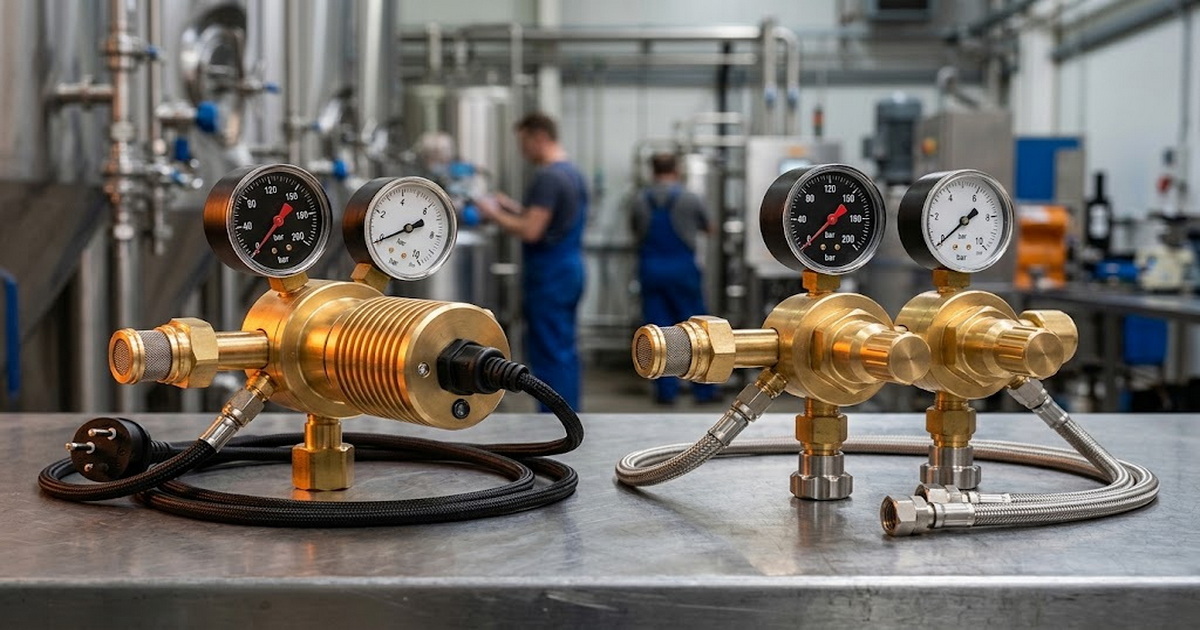
– Branded gauges and color coding to clearly distinguish oxygen and acetylene regulators on site. [specialisedwelding.co]
– Tailored pressure ranges, flow capacities, and dual‑stage options for heavy‑duty plate cutting or automated cutting tables. [boc.co]
This is where a specialized industrial gas regulator manufacturer can provide OEM and ODM services that combine precision manufacturing, high‑grade brass construction, and strict quality inspection with gas‑specific engineering for oxygen and acetylene lines. [pakoxygen]
Step‑by‑Step: Choosing the Right Regulator Pair
When consulting with end‑users, I usually recommend a simple, repeatable selection workflow for heavy‑duty oxy‑fuel cutting stations. [presscon.co]
1. Define cutting range and process
– Maximum plate thickness, typical materials, manual vs automated cutting. [boc.com]
2. Check torch and nozzle data
– Use manufacturer charts to find required oxygen and acetylene pressures and flows. [boc.co]
3. Select oxygen regulator
– Choose suitable inlet rating, outlet range, and decide between single‑stage vs dual‑stage for pressure stability. [boc.co]
4. Select acetylene regulator
– Choose a gas‑specific regulator with appropriate low‑pressure range and high enough flow capacity, respecting acetylene safety limits. [uniweld]
5. Confirm standards and connections
– Match local cylinder connections and any customer‑specific standards or approvals. [presscon.co]
Following this workflow helps distributors and plant engineers justify their specification and reduces the risk of mismatched or unsafe setups. [specialisedwelding.co]
When to Upgrade: From Basic to Heavy‑Duty Regulators
Many workshops start with general‑purpose regulators and upgrade only after pain points appear. [specialisedwelding.co]
Signals that it is time to invest in heavy‑duty oxygen and acetylene regulators include:
– Moving from light fabrication to thick‑plate cutting or multi‑torch cutting. [boc.com]
– Introducing automated cutting tables that need stable oxygen pressure for repeatability. [store.mathesongas]
– Increased shift length and utilization where regulator drift and overheating become visible issues. [store.mathesongas]
At this stage, dual‑stage oxygen regulators, higher‑capacity acetylene regulators, and customized OEM solutions offer clear ROI in productivity and cut consistency. [boc.co]
Clear Takeaways for Buyers and Engineers
– Use oxygen gas pressure regulators to optimize cutting performance, kerf quality, and speed in heavy‑duty oxy‑fuel cutting. [boc.co]
– Use acetylene gas pressure regulators to ensure safe, stable fuel delivery and minimize flashbacks and downtime. [pakoxygen]
– Never swap or cross‑use regulators between gases; respect gas‑specific designs, pressure limits, and cleanliness standards. [uniweld]
– For demanding operations or automated cutting, dual‑stage oxygen regulators and correctly sized acetylene regulators are essential investments. [boc.co]
Call to Action for OEMs, Distributors, and Industrial Users
If you are planning a new heavy‑duty oxy‑fuel cutting line or upgrading existing stations, it is the right moment to review your oxygen gas pressure regulators and acetylene gas pressure regulators against your actual duty cycle and safety requirements. Work with a dedicated gas regulator manufacturer that can provide gas‑specific designs, OEM/ODM customization, and strict quality inspection for welding, cutting, and industrial gas applications. [pakoxygen]
FAQs
1. Can I use an oxygen regulator on an acetylene cylinder?
No. Oxygen and acetylene regulators are engineered for different gases, pressures, and cleanliness standards and must not be interchanged. [uniweld]
2. When should I choose a dual‑stage oxygen regulator for cutting?
Choose dual‑stage for long cutting shifts, automated cutting tables, or when consistent kerf quality is critical across a full cylinder. [store.mathesongas]
3. Why is acetylene outlet pressure limited so strictly?
Acetylene becomes unstable at higher pressures, so fuel gas regulators and safety guidance enforce low maximum outlet pressures. [pakoxygen]
4. How do I know if my regulators are undersized?
Symptoms include pressure drop during cutting, difficulty reaching recommended torch pressures, and inconsistent flame behavior at higher flows. [pakoxygen]
5. What standards should my regulators comply with?
Industrial gas regulators for oxygen and acetylene should follow recognized gas‑specific safety and performance standards and match local cylinder connection norms. [boc.com]
References
1. BOC – Industrial gas regulators (oxygen, acetylene and other gases). Available at: <https://www.boc.com.au/shop/en/au/gas-welding-heating-cutting-brazing/industrial-gas-regulators/1000> [boc.com]
2. BOC – Industrial gas regulators overview (including oxygen, nitrogen, acetylene, CO₂). Available at: <https://www.boc.co.nz/shop/en/nz/gas-welding-heating-cutting-brazing/gas-regulator/industrial-gas-regulators> [boc.co]
3. BOC – Dual‑stage specialty gas regulators. Available at: <https://www.boc.co.nz/shop/en/nz/gas-regulator/dual-stage-specialty-gas-regulators> [boc.co]
4. Matheson – Specialty gas equipment regulators. Available at: <https://store.mathesongas.com/regulators/> [store.mathesongas]
5. Gas regulators (single & multi‑stage) – Industrial gas equipment information. Available at: <https://www.pakoxygen.com/Hardgoods/GasRegulators> [pakoxygen]
6. Gas regulators & welding equipment – Distributor perspective on welding and cutting regulators. Available at: <https://specialisedwelding.co.uk/collections/gas-regulators> [specialisedwelding.co]
7. Gas equipment and regulators – Oxygen and acetylene product ranges. Available at: <https://www.presscon.co.nz/shop/regulators> [presscon.co]
8. Acetylene regulators – Product information and guidance. Available at: <https://uniweld.com/product-category/all-products/all-regulators/> [uniweld]
Hot Tags: Oxygen Gas Pressure Regulator, Acetylene Gas Pressure Regulator, Heavy Duty Oxy Fuel Cutting, Industrial Gas Pressure Regulator, Oxy Fuel Cutting Equipment, Welding Gas Regulator OEM, Dual Stage Oxygen Regulator, Acetylene Regulator For Cutting, Industrial Welding Gas Supply, B2B Gas Regulator Manufacturer