Content Menu
● What Is an Argon Flowmeter Regulator?
● How Argon Flowmeters and Flowmeter Regulators Work
● Argon Flowmeter vs Argon Flowmeter Regulator for TIG Welding (Core Comparison)
● Detailed Feature Comparison Table
● TIG Welding Quality: Why Shielding Gas Control Matters
● Real‑World Use Cases: When I Recommend Each Option
>> When an argon flowmeter is the better choice
>> When an argon flowmeter regulator is the better choice
● Key Technical Considerations for TIG Welding Buyers
● Expert Insight: Total Cost of Ownership for TIG Shops
● OEM / ODM Perspective: Designing Better Argon Gas Control Solutions
● Practical Setup Steps for TIG Users
● How to Choose Between Argon Flowmeter and Flowmeter Regulator (Decision Checklist)
● Call to Action for Welding Distributors and OEMs
● FAQs
Argon flowmeters and argon flowmeter regulators both control shielding gas in TIG welding, but they do it in very different ways and are not interchangeable in every situation. Choosing the right solution affects weld quality, gas consumption, safety, and long‑term operating cost for your shop. [specialisedwelding.co]
What Is an Argon Flowmeter?
An argon flowmeter is a device that measures and visually indicates the flow rate of argon gas, usually in liters per minute (L/min). It is typically used downstream of a pressure regulator or built into a combined regulator–flowmeter assembly. [boc.co]
Key points about stand‑alone argon flowmeters: [specialisedwelding.co]
– They show actual gas flow more accurately than simple pressure gauges. [boc.com]
– They are usually calibrated for argon (and sometimes CO₂ or mixed gases). [store.mathesongas]
– They rely on a stable inlet pressure provided by a separate regulator. [boc.com]
In many fabrication shops, you will see a cylinder regulator feeding a separate flowmeter near the TIG machine, especially where operators frequently adjust gas settings for different joints or materials. [boc.co]
What Is an Argon Flowmeter Regulator?
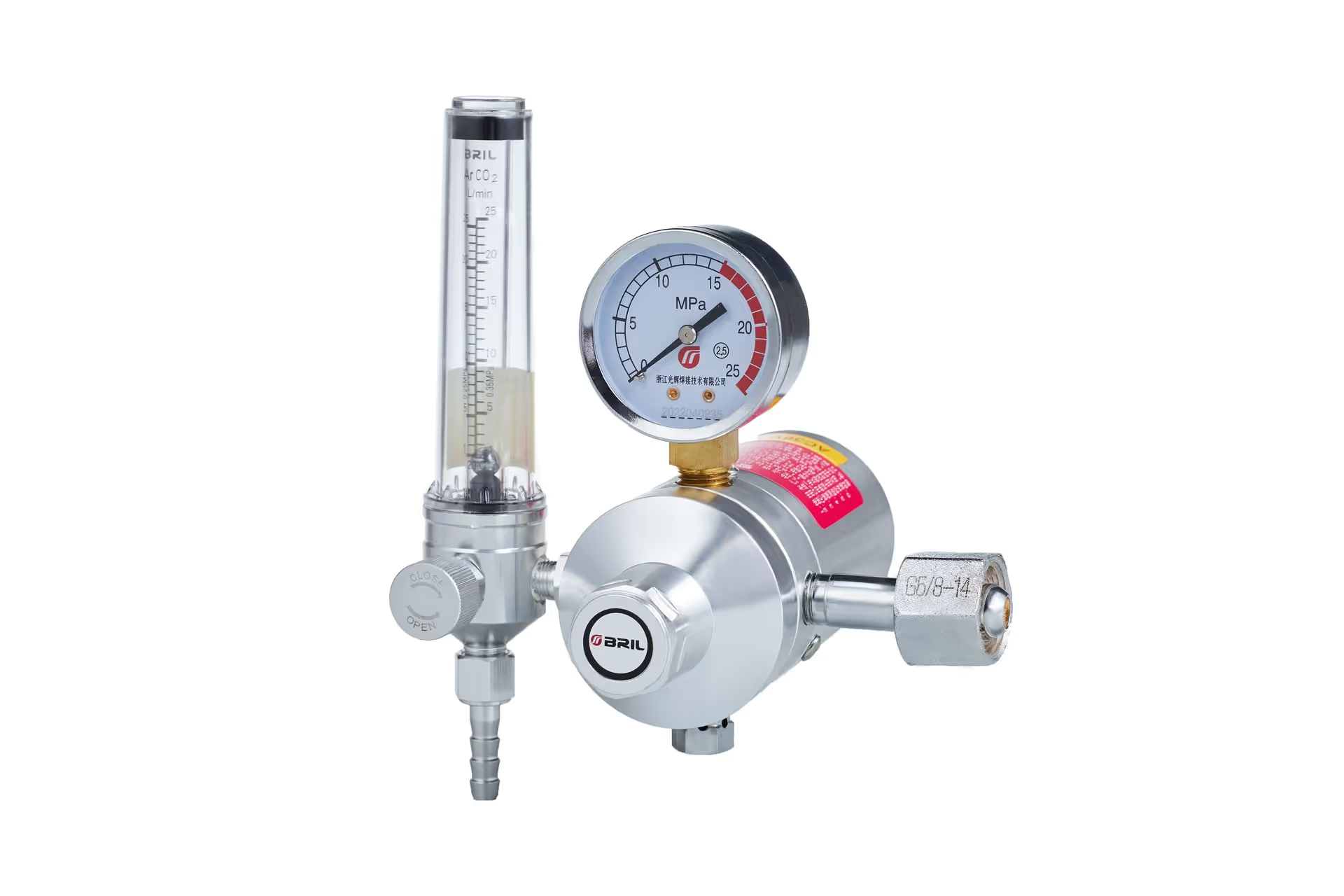
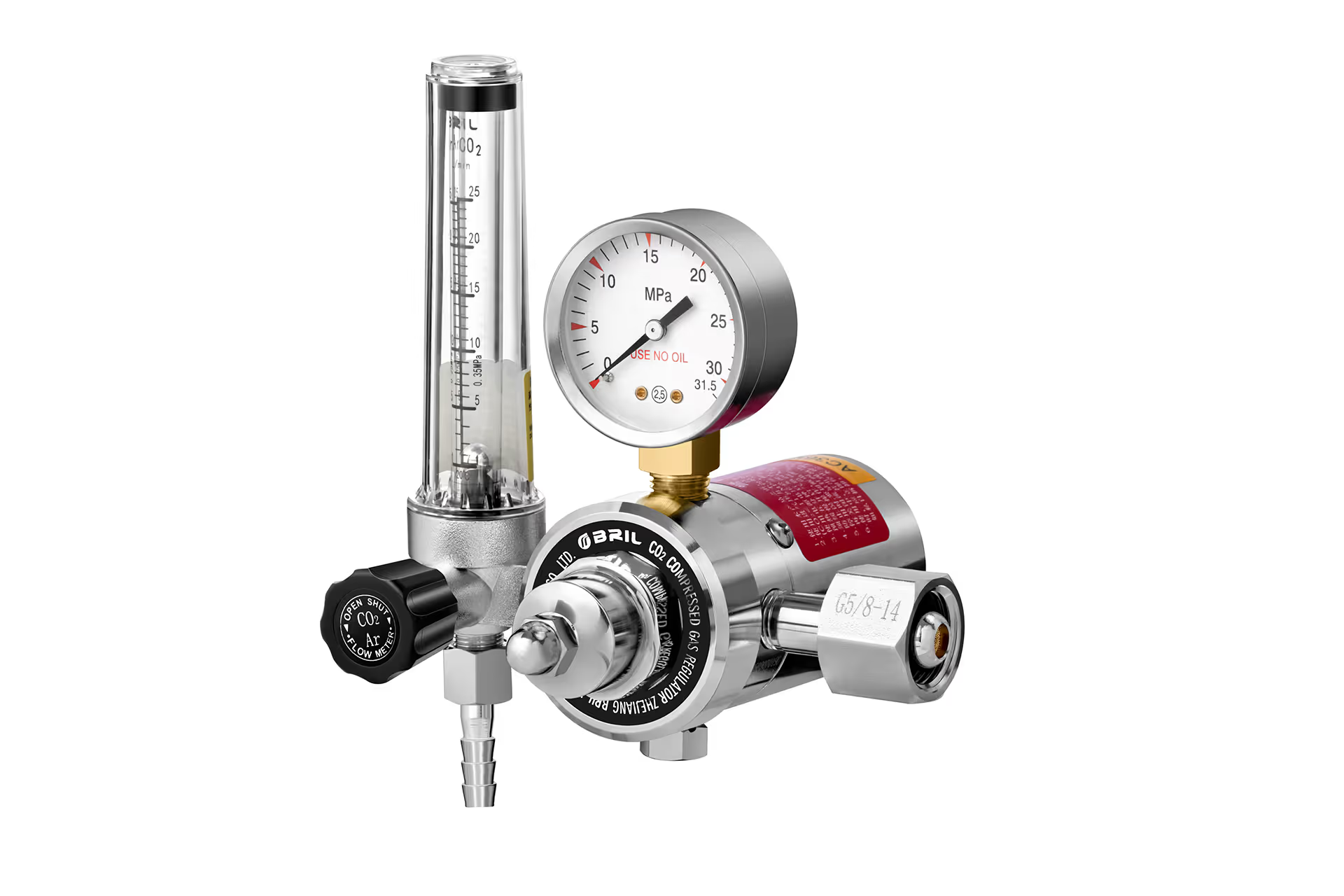
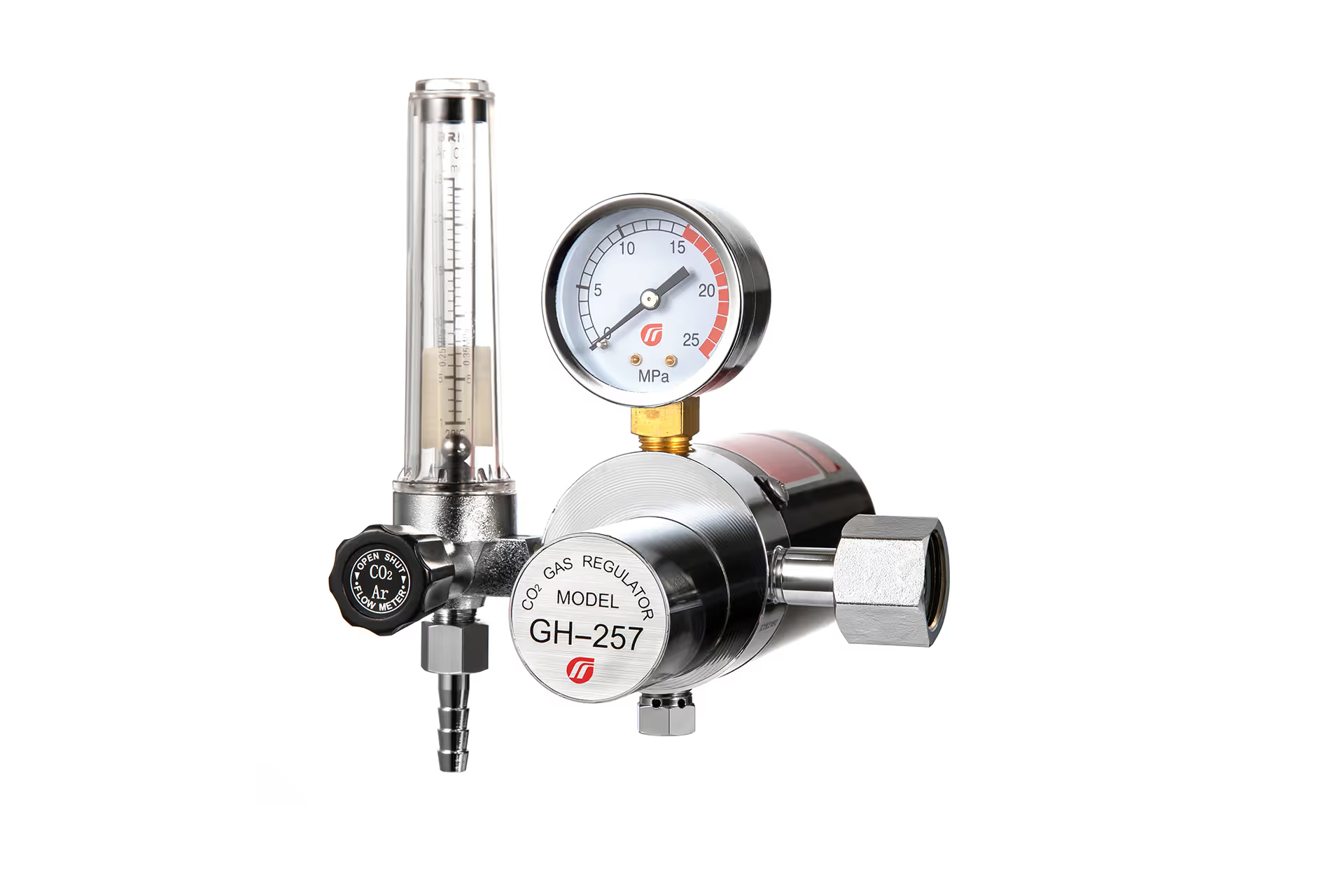
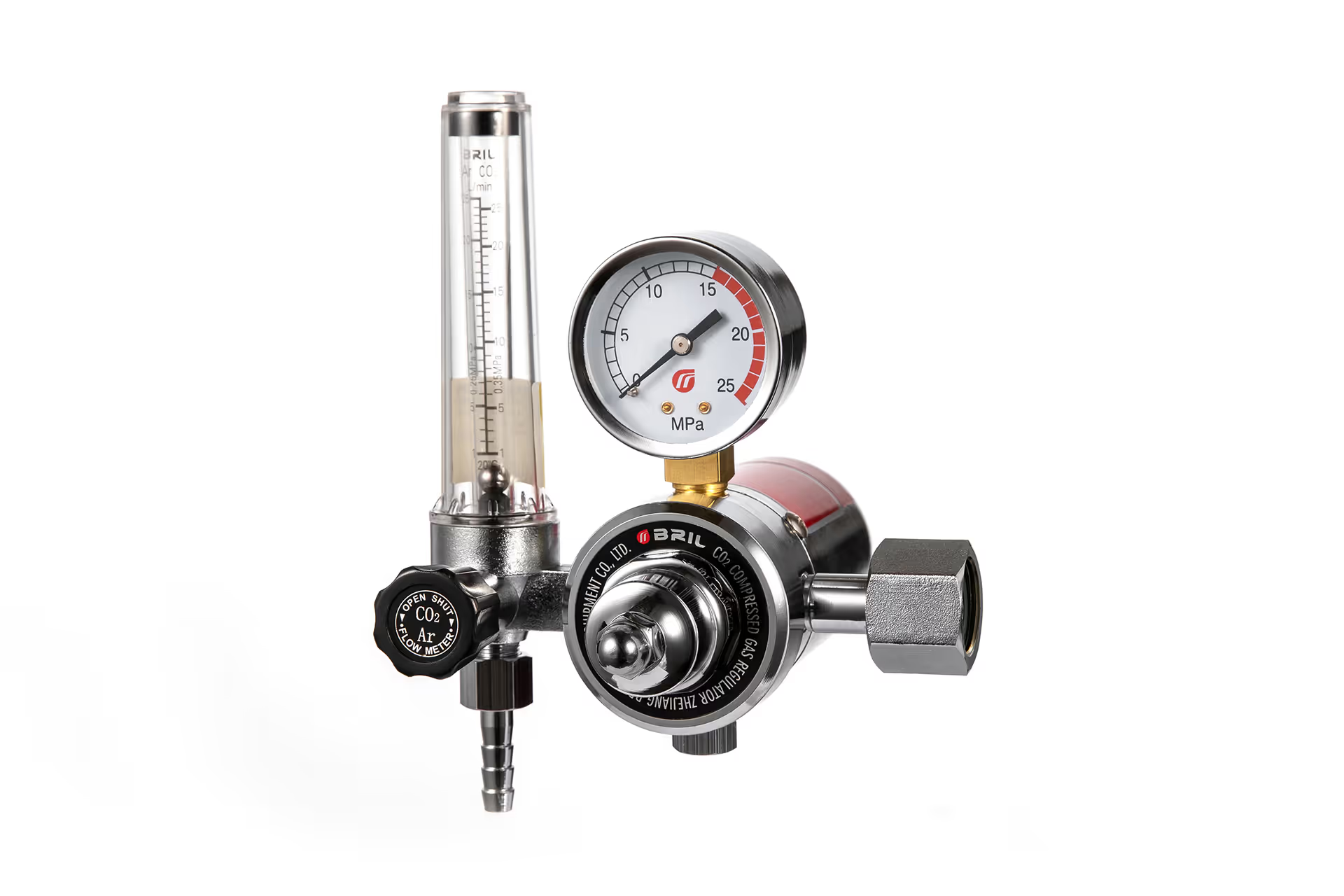
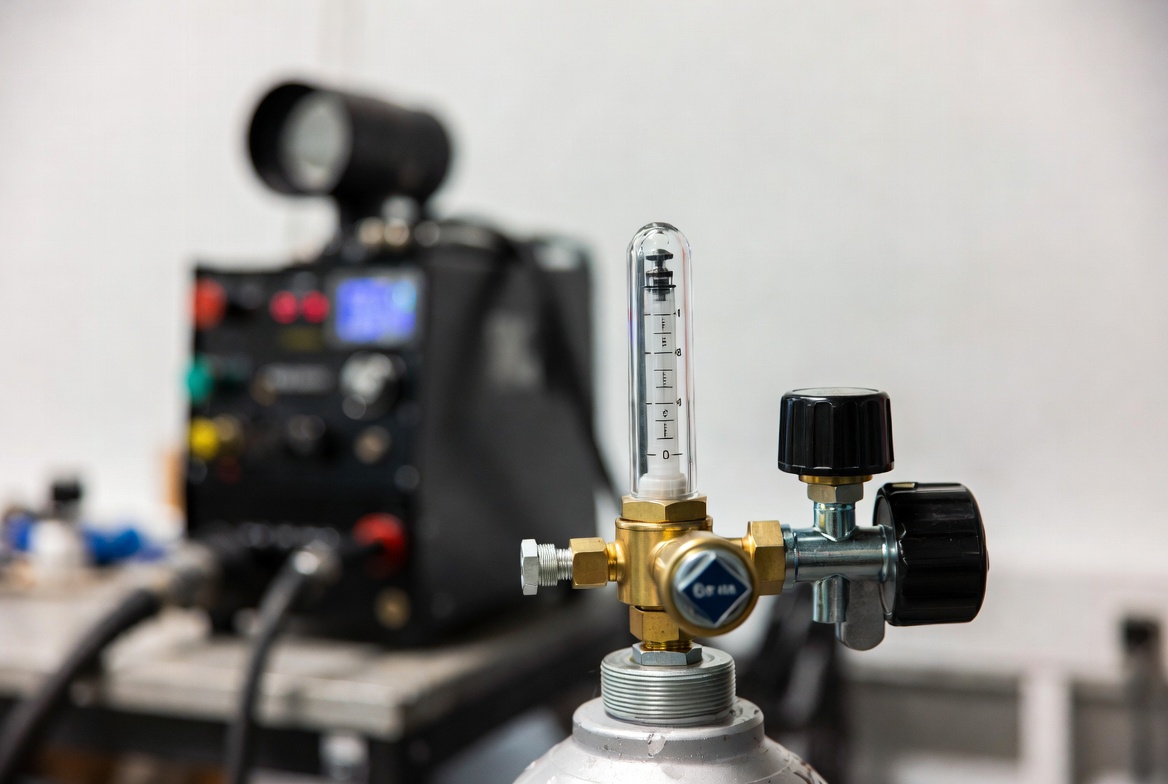
An argon flowmeter regulator (often called a “regulator‑flowmeter” or “flowmeter‑regulator”) is a combined unit that reduces cylinder pressure and displays flow rate in one compact assembly. It threads directly onto the argon cylinder valve and provides both pressure reduction and flow indication. [store.mathesongas]
Key characteristics of argon flowmeter regulators: [specialisedwelding.co]
– Includes a high‑pressure gauge for cylinder contents and a flowmeter (rotameter or gauge) for L/min. [boc.co]
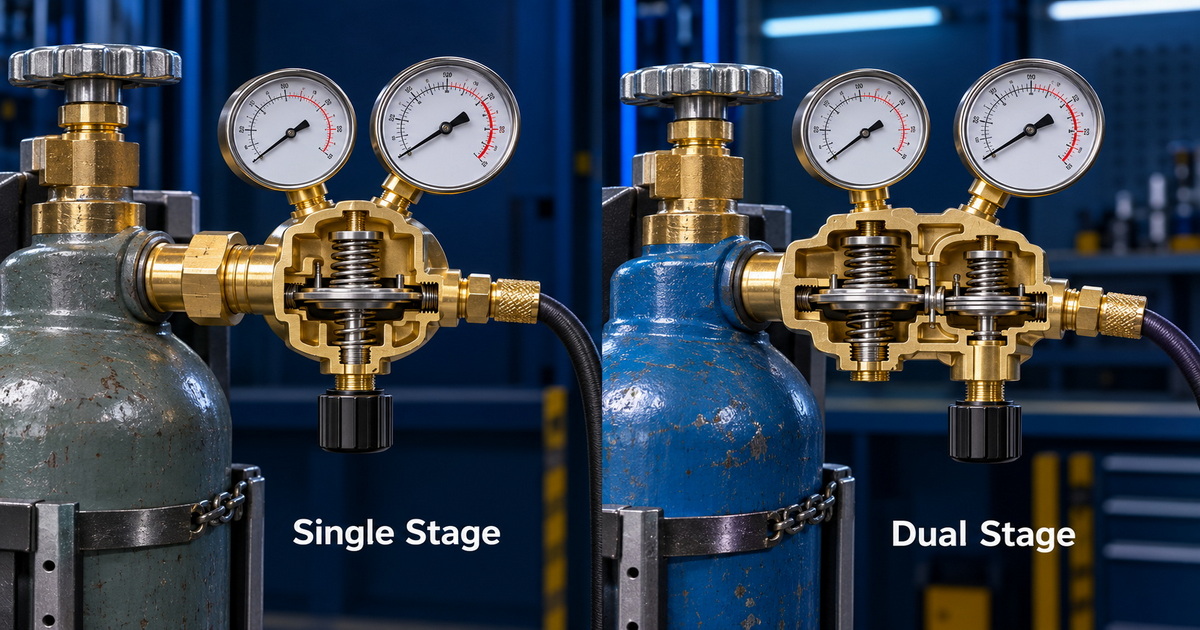
– Reduces cylinder pressure in one or two stages and stabilizes outlet pressure for consistent flow. [boc.com]
– Designed specifically for shielding gases used in TIG and MIG welding. [boc.co]
For most TIG welding stations—especially in small and medium workshops—a high‑quality argon flowmeter regulator is the most common “all‑in‑one” solution on the cylinder. [specialisedwelding.co]
How Argon Flowmeters and Flowmeter Regulators Work
Both devices rely on controlled pressure and calibrated flow passages, but they do not perform the same function. [specialisedwelding.co]
– An argon flowmeter measures flow that is already at a safe, reduced pressure. [boc.com]
– An argon flowmeter regulator first reduces pressure from cylinder level (up to 200–300 bar / 2900–4350 psi) and then controls and indicates flow. [boc.co]
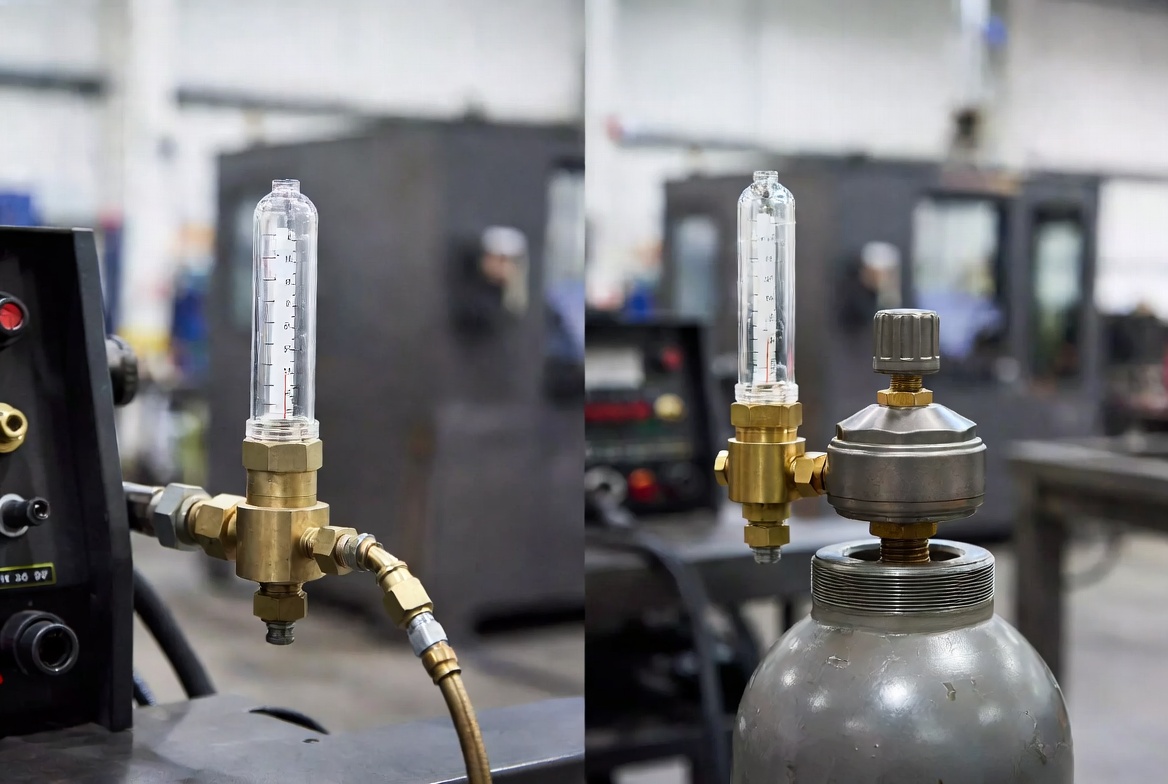
Most argon flowmeters use a transparent vertical tube (rotameter type). As gas flows upward, it lifts a floating ball whose height corresponds to the flow rate scaling on the tube. Flowmeter regulators add a diaphragm or piston‑type regulator upstream to maintain a constant outlet pressure, ensuring the rotameter reading stays stable even when cylinder pressure drops. [store.mathesongas]
Argon Flowmeter vs Argon Flowmeter Regulator for TIG Welding (Core Comparison)
From a TIG welder’s perspective, the main difference is system responsibility:
– The flowmeter regulator handles both pressure reduction and flow control. [boc.com]
– The stand‑alone argon flowmeter only handles flow indication and fine adjustment, assuming a regulator is already installed. [specialisedwelding.co]
Practical differences
– Setup complexity:
– Flowmeter regulator: One piece on the cylinder, fewer fittings and leak points. [boc.co]
– Flowmeter only: Requires an additional regulator plus extra hose and connections. [specialisedwelding.co]
– Cost structure:
– Flowmeter regulator: Higher upfront cost per unit, but complete solution. [boc.com]
– Flowmeter only: Lower unit cost, but total system cost increases once a separate regulator is added. [boc.co]
– Maintenance and replacement:
– Flowmeter regulator: One device to maintain and calibrate. [boc.com]
– Flowmeter only: Two devices to maintain (regulator + flowmeter) but you can replace them independently. [store.mathesongas]
For most TIG applications, especially where one cylinder feeds one welder, the flowmeter regulator offers the best balance of simplicity, safety, and control. Separate flowmeters are more relevant when you already have a central pressure regulation system and just need local flow indication at each workstation. [store.mathesongas]
Detailed Feature Comparison Table
| Aspect | Argon Flowmeter | Argon Flowmeter Regulator |
|---|---|---|
| Core function | Indicates and fine‑tunes gas flow only (specialisedwelding.co) | Reduces cylinder pressure and controls flow (boc.co) |
| Required additional device | Needs a separate cylinder regulator (specialisedwelding.co) | No extra regulator required at cylinder (boc.co) |
| Typical installation | Downstream of a regulator or on a gas panel (specialisedwelding.co) | Directly on the argon cylinder valve (boc.co) |
| Common TIG use case | Multi‑station systems or when upgrading from gauge‑type regulators (specialisedwelding.co) | Standard choice for individual TIG machines (boc.co) |
| Setup complexity | More components and connections (specialisedwelding.co) | More compact and plug‑and‑play (boc.co) |
| Flow accuracy | Very good, depends on stable inlet pressure (specialisedwelding.co) | Very good; often optimized for argon TIG shielding (boc.co) |
| Maintenance | Flowmeter can be serviced separately from regulator (specialisedwelding.co) | One integrated unit; service or replacement as a whole (boc.com) |
| Initial cost | Lower per unit; higher system cost with separate regulator (specialisedwelding.co) | Higher per unit; but includes regulator and flowmeter (boc.co) |
| Best for | Plants with central regulation, gas panels, or multiple outlets (specialisedwelding.co) | Small and mid‑size shops, mobile welders, job sites (boc.co) |
TIG Welding Quality: Why Shielding Gas Control Matters
From an industry and hands‑on welding perspective, shielding gas control is directly linked to weld quality, rework rate, and consumable life. In TIG welding, argon protects the weld pool, tungsten electrode, and heat‑affected zone from atmospheric contamination. [specialisedwelding.co]
If flow is too low, you risk: [boc.com]
– Porosity and pinholes in the weld bead
– Oxidation and discoloration (especially on stainless steel)
– Unstable arc and tungsten contamination
If flow is too high, you may cause: [boc.co]
– Turbulence that pulls air into the weld pool
– Excessive gas consumption and higher operating costs
– Unnecessary noise and possible arc wandering
This is where a precise flowmeter or flowmeter regulator becomes a critical part of every TIG station, especially when welding thin stainless, aluminum, or titanium components. [specialisedwelding.co]
Real‑World Use Cases: When I Recommend Each Option
Drawing from typical TIG setups in welding and fabrication shops, you can think in terms of system architecture rather than just the device itself. [boc.co]
When an argon flowmeter is the better choice
Choose a stand‑alone argon flowmeter when: [store.mathesongas]
– You already have a stable pressure regulator or centralized gas pipeline system.
– Several welding stations share one argon source, each needing local flow adjustment.
– You are upgrading from basic gauge‑style regulators and want more precise visual flow control at the machine.
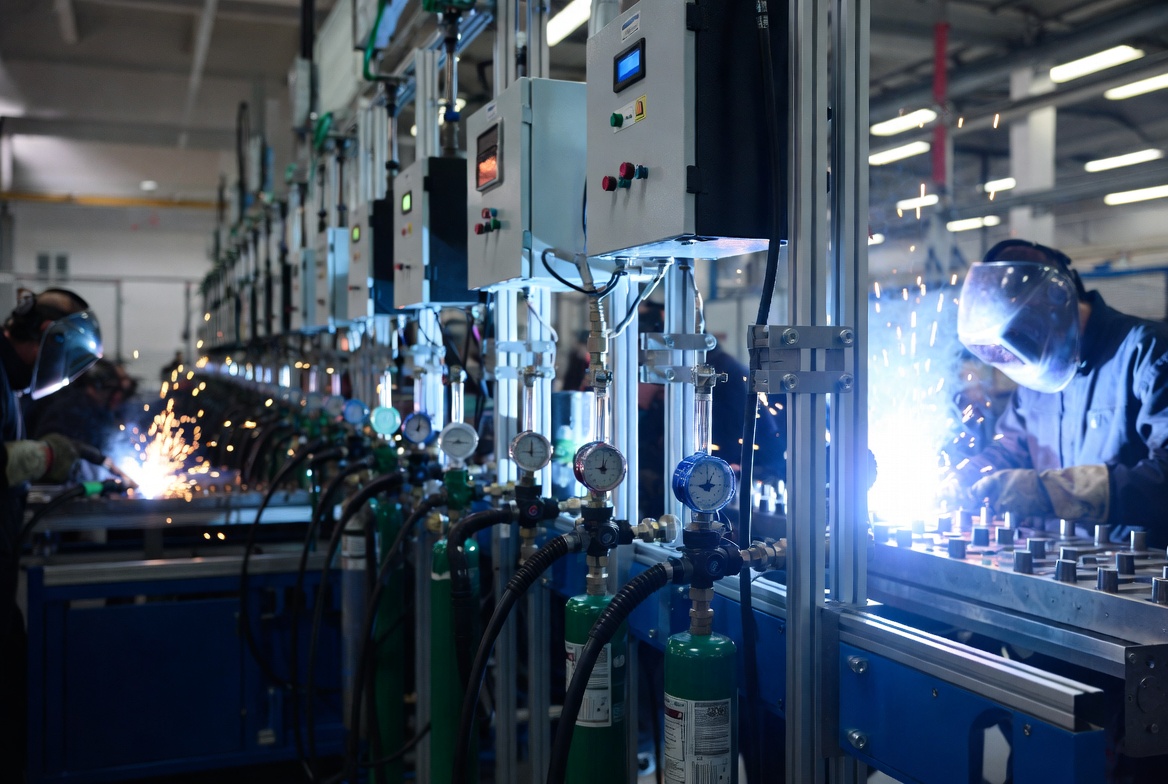
This approach is common in larger workshops, automated production lines, or manufacturing plants with gas manifolds feeding multiple TIG robots and workstations. [store.mathesongas]
When an argon flowmeter regulator is the better choice
Opt for an argon flowmeter regulator when: [boc.com]
– Each TIG machine uses its own cylinder.
– You want a compact, mobile setup for site work or maintenance welding.
– You need a proven, turnkey solution for distributors, OEM welding packages, or new workshop installations.
For overseas wholesalers and distributors, offering ready‑to‑use argon flowmeter regulators simplifies inventory and reduces the need for technical support, as installers only have to connect the unit to the cylinder and welding hose. [boc.co]
Key Technical Considerations for TIG Welding Buyers
When evaluating argon flowmeters vs argon flowmeter regulators for TIG welding, professionals typically focus on a few technical factors. [specialisedwelding.co]
1. Flow range and scale
– Look for clear, easy‑to‑read L/min markings covering typical TIG settings (often around 4–20 L/min for standard workpieces). [boc.com]
– Ensure the flowmeter is calibrated specifically for argon shielding gas. [boc.co]
2. Pressure rating and safety
– Confirm inlet pressure rating matches your argon cylinder standard. [boc.com]
– Multi‑stage or dual‑stage designs offer more stable outlet pressure, especially as cylinder pressure decreases. [boc.co]
3. Materials and build quality
– High‑quality brass bodies, robust diaphragms, and impact‑resistant flow tubes are essential for industrial environments. [boc.co]
– Corrosion‑resistant components extend service life, especially in humid or outdoor conditions. [store.mathesongas]
4. Connection standards
– Make sure inlet threads, outlet fittings, and hose connections match local standards and your TIG equipment. [boc.com]
– For global OEM and ODM projects, it is common to customize inlet connections for different country standards. [store.mathesongas]
5. Compliance and certification
– Industrial customers often require compliance with international safety and performance standards for gas equipment. [boc.co]
Expert Insight: Total Cost of Ownership for TIG Shops
From an expert buyer’s perspective, purchase price is only one part of the decision. Over the life of a TIG installation, you should weigh: [specialisedwelding.co]
– Gas consumption: Accurate and stable flow control can significantly reduce argon waste over thousands of welding hours. [specialisedwelding.co]
– Downtime and maintenance: Reliable regulators and flowmeters minimize unplanned stops due to leaks, broken tubes, or unstable pressure. [store.mathesongas]
– Calibration and quality control: For critical welds, repeatable flow settings support consistent procedure qualification and quality records. [specialisedwelding.co]
In practice, a high‑quality argon flowmeter regulator often delivers the lowest total cost of ownership for standalone TIG machines, while separate flowmeters become more cost‑effective in centralized gas distribution systems where one regulator serves multiple outlets. [boc.com]
OEM / ODM Perspective: Designing Better Argon Gas Control Solutions
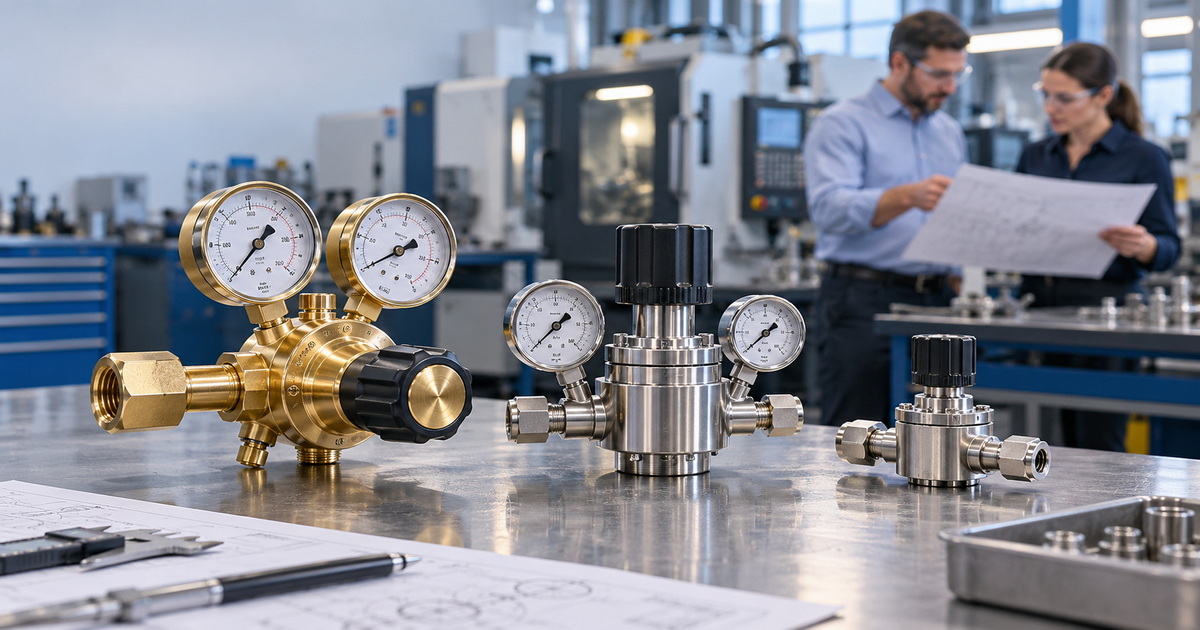
For overseas brands, wholesalers, and equipment manufacturers, the choice is not only “argon flowmeter vs argon flowmeter regulator”, but “what complete solution will my customers trust and repeatedly reorder?”. [specialisedwelding.co]
From an OEM / ODM standpoint, the most competitive products typically offer: [store.mathesongas]
– Precision machining and assembly for stable regulation and leak‑free performance
– High‑grade brass and robust flow tubes that withstand real‑world workshop abuse
– Configurable flow ranges and outlet fittings to match different TIG processes and markets
– Strict quality inspection and traceability to support international clients’ quality systems
Paired with CO₂, oxygen, acetylene, propane, nitrogen, and dual‑stage gas regulators, a strong argon flowmeter regulator line helps distributors present a complete industrial gas control portfolio under one brand. [boc.co]
Practical Setup Steps for TIG Users
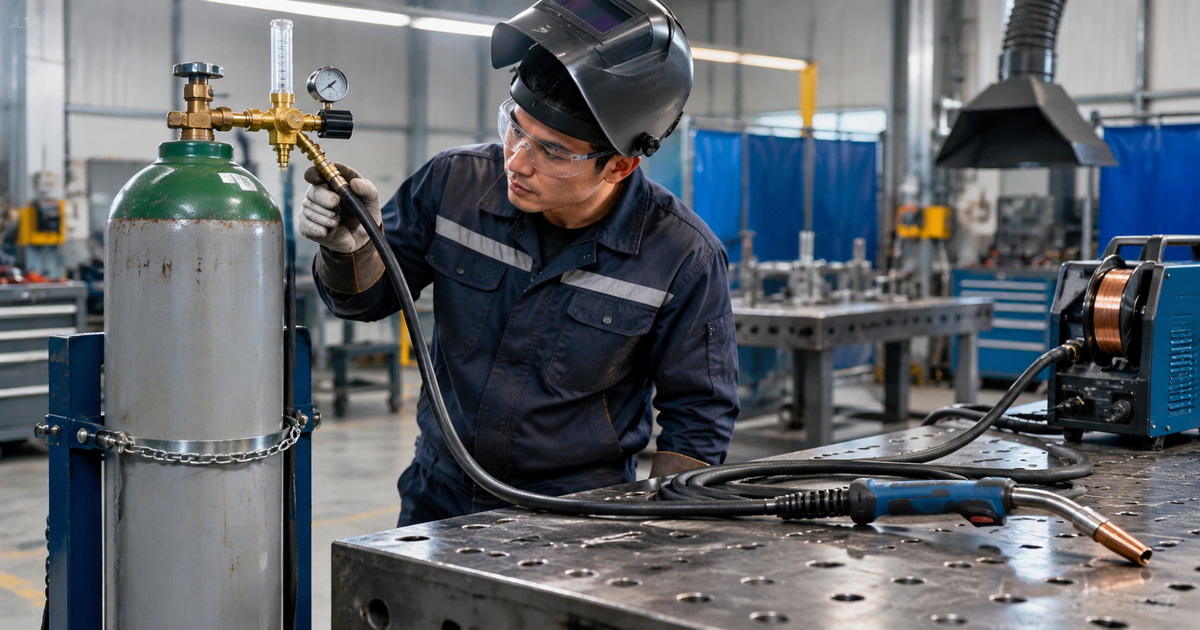
From a TIG welder’s daily workflow, a clear, repeatable setup process improves safety and weld quality. The steps below assume a cylinder‑mounted argon flowmeter regulator, which is the most common configuration. [boc.com]
1. Secure the argon cylinder upright and confirm valve and regulator threads are clean and undamaged. [boc.co]
2. Install the argon flowmeter regulator on the cylinder valve and tighten using the correct wrench. [boc.co]
3. Connect the outlet to the TIG machine gas inlet using the appropriate hose and clamps or fittings. [specialisedwelding.co]
4. Slightly open the cylinder valve, check for leaks with an approved leak detection solution, then fully open the valve. [boc.com]
5. Set the desired flow on the flowmeter (e.g., 6–10 L/min for many standard TIG applications) based on your welding procedure. [specialisedwelding.co]
6. Strike the arc on a test piece and visually confirm shielding coverage and weld bead appearance, adjusting flow if needed. [boc.com]
If a centralized regulator is used instead, the core steps are similar, but the argon flowmeter is installed downstream near the TIG machine instead of on the cylinder. [specialisedwelding.co]
How to Choose Between Argon Flowmeter and Flowmeter Regulator (Decision Checklist)
Use this quick checklist to decide which solution fits your TIG welding scenario: [boc.co]
– Do you use individual cylinders per TIG machine?
– Yes → Prefer argon flowmeter regulator.
– Do you already have a central gas regulation system or manifold?
– Yes → Add argon flowmeters at each station.
– Do you need portable setups for on‑site repair or construction?
– Yes → Choose compact flowmeter regulators with robust bodies and protective guards.
– Do you manage many welding stations and want modular replacement?
– Yes → Consider separate regulators and flowmeters so you can service components independently.
Call to Action for Welding Distributors and OEMs
If you supply TIG welding equipment or industrial gas solutions, upgrading from basic gauge‑style regulators to precision argon flowmeter regulators can quickly improve your customers’ welding stability and reduce argon waste. At the same time, offering stand‑alone argon flowmeters for centralized systems allows you to cover both ends of the market—from individual workshops to large fabrication plants and automated welding lines. [store.mathesongas]
By partnering with a specialized gas regulator manufacturer that focuses on precision machining, stable pressure control, high‑quality brass materials, strict inspection, and customized OEM / ODM support, you can build a differentiated product line that fits diverse TIG welding applications and global standards. [boc.com]
FAQs
1. Is an argon flowmeter enough for TIG welding, or do I also need a regulator?
An argon flowmeter alone is not enough if you are connecting directly to a high‑pressure cylinder—you still need a regulator to reduce cylinder pressure to a safe range. A flowmeter regulator combines both functions in one unit. [specialisedwelding.co]
2. Do argon flowmeter regulators waste more gas than simple regulators?
No. High‑quality argon flowmeter regulators are designed to provide accurate, repeatable flow settings that can actually reduce gas waste compared to basic pressure‑gauge‑only regulators. [boc.co]
3. Can I use the same flowmeter for argon and CO₂?
Some flowmeters have multi‑gas scales, but most are calibrated for specific gases. For best accuracy, use a flowmeter or flowmeter regulator specifically calibrated for argon when TIG welding. [boc.com]
4. How often should I replace or service my argon flowmeter regulator?
Service intervals depend on usage conditions, but regular leak checks, visual inspections, and periodic calibration according to your quality system help maintain performance. In harsh environments or high‑duty cycles, earlier replacement may be more economical than repeated repair. [store.mathesongas]
5. Are dual‑stage regulators necessary for TIG welding?
For most standard TIG work, a well‑designed single‑stage argon flowmeter regulator is sufficient. Dual‑stage regulators are more relevant when extremely stable outlet pressure is required over long periods or when using specialty gases and precise scientific mixtures. [boc.co]
References
– [BOC – Industrial Gas Regulators]
– [BOC – Dual Stage Specialty Gas Regulators]
– [Specialised Welding – Gas Regulators & Flowmeters]
– [BOC – Specialty Gas Regulators]
– [Matheson – Specialty Gas Equipment Regulators]
Hot Tags: Argon Flowmeter, Argon Flowmeter Regulator, Argon Regulator For TIG Welding, TIG Welding Gas Control, Welding Gas Flowmeter, Industrial Argon Gas Regulator, OEM Welding Regulator Supplier, B2B Welding Equipment Distributor, Dual Stage Gas Regulator, Shielding Gas Control System