Content Menu
● What an industrial gas pressure regulator does
● Why the right regulator matters
● Main types of gas regulators
● How to choose the right regulator
● Material and quality factors that matter
● A practical example from the field
● OEM and ODM value for global buyers
● Why this choice affects business results
● FAQ
>> 1. What is the difference between a single-stage and dual-stage regulator?
>> 2. Which regulator is best for CO₂ welding?
>> 3. Why is brass commonly used in gas regulators?
>> 4. Can one regulator be used for all gases?
>> 5. What should I ask a supplier before placing an order?
Industrial gas pressure regulators are small components with a big job: they reduce high cylinder or line pressure to a safe, usable outlet pressure and keep that pressure stable during operation. For welding, cutting, shielding gas delivery, and industrial gas control, the right regulator directly affects safety, consistency, and process quality.
In real-world manufacturing, the best regulator is not the one with the most features. It is the one that matches the gas type, flow demand, pressure range, and application environment with the least pressure fluctuation and the best long-term reliability.
What an industrial gas pressure regulator does
A regulator connects to a cylinder or pipeline and reduces high incoming pressure to a controlled outlet pressure. It does this through a mechanical control system that responds to downstream demand and adjusts the valve opening to maintain balance.
This matters because gas cylinders do not deliver a constant usable pressure on their own. As cylinder pressure drops, flow demand changes, and ambient conditions shift, the regulator helps protect equipment and maintain stable performance.
Why the right regulator matters
Choosing the wrong regulator can lead to unstable flame, poor weld quality, wasted gas, inconsistent shielding, or even unsafe operating conditions. In industrial environments, these issues are more expensive than the regulator itself because they affect productivity, rework, and operator confidence.
For buyers, distributors, and OEM brands, regulator selection is also a product strategy decision. A product line that covers CO₂ regulators, heated CO₂ regulators, argon regulators, oxygen regulators, acetylene regulators, propane regulators, nitrogen regulators, and dual-stage regulators can serve a much wider range of end users and application scenarios.
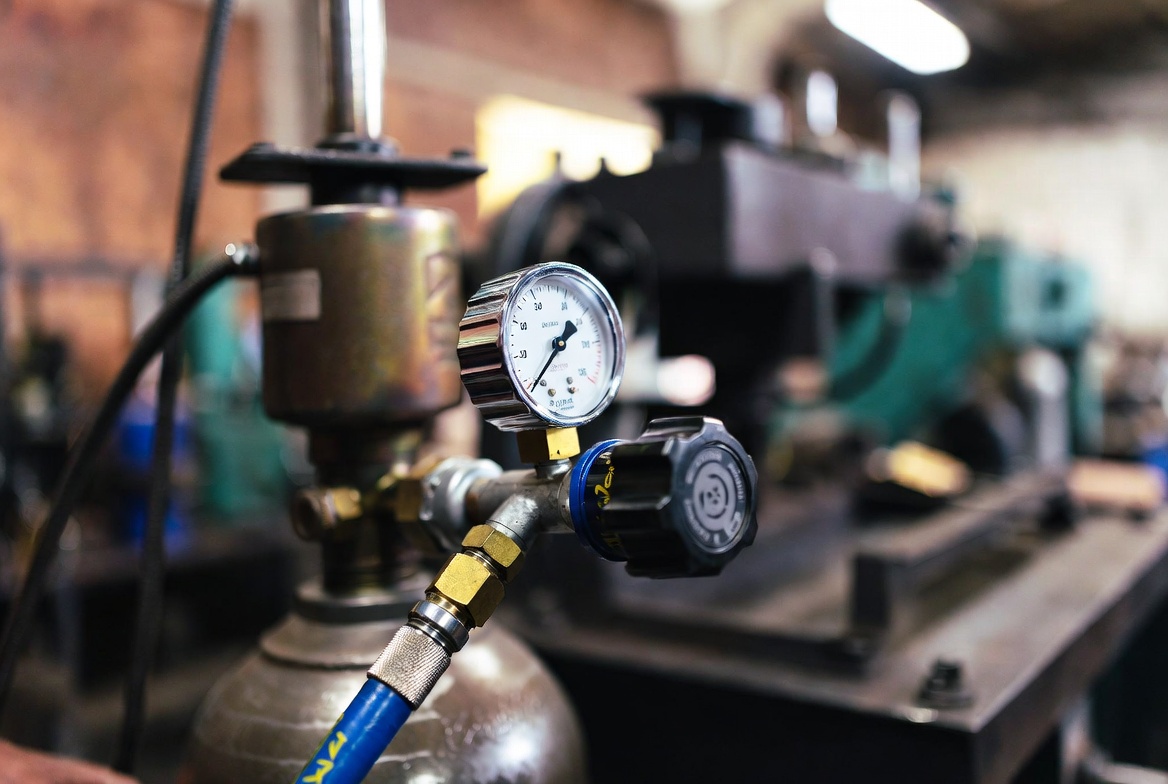
Main types of gas regulators
Single-stage regulators
Single-stage regulators reduce pressure in one step and are best suited to applications where inlet pressure remains relatively stable. They are widely used for general industrial tasks, compact setups, and lower-demand workflows.
Best for:
– Basic welding and cutting setups.
– Short-duration jobs.
– Applications where cost and simplicity matter most.
Limitations:
– Outlet pressure can drift more as cylinder pressure falls.
– Less stable than two-stage designs in sensitive applications.
Dual-stage regulators
Dual-stage regulators reduce pressure in two steps, which improves outlet stability when inlet pressure changes over time. They are a strong choice for users who need more consistent delivery and better process control.
Best for:
– Precision welding.
– Continuous industrial use.
– Applications with changing inlet pressure.
Advantages:
– More stable outlet pressure.
– Better control for longer operating cycles.
– Reduced pressure drop effects during cylinder depletion.
CO₂ regulators
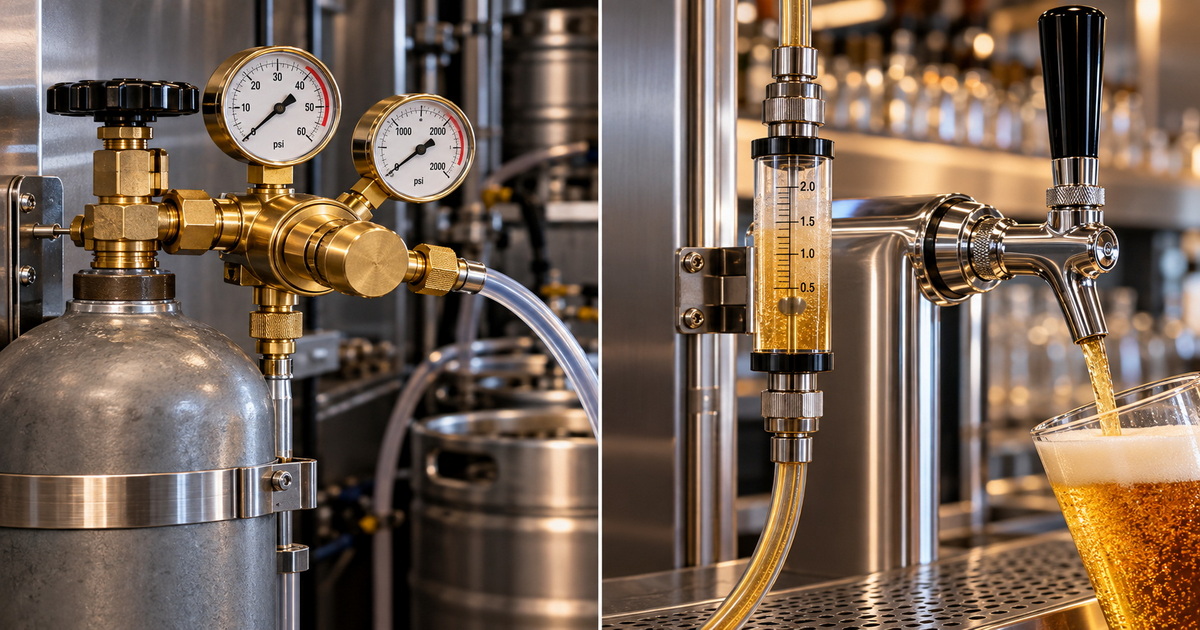
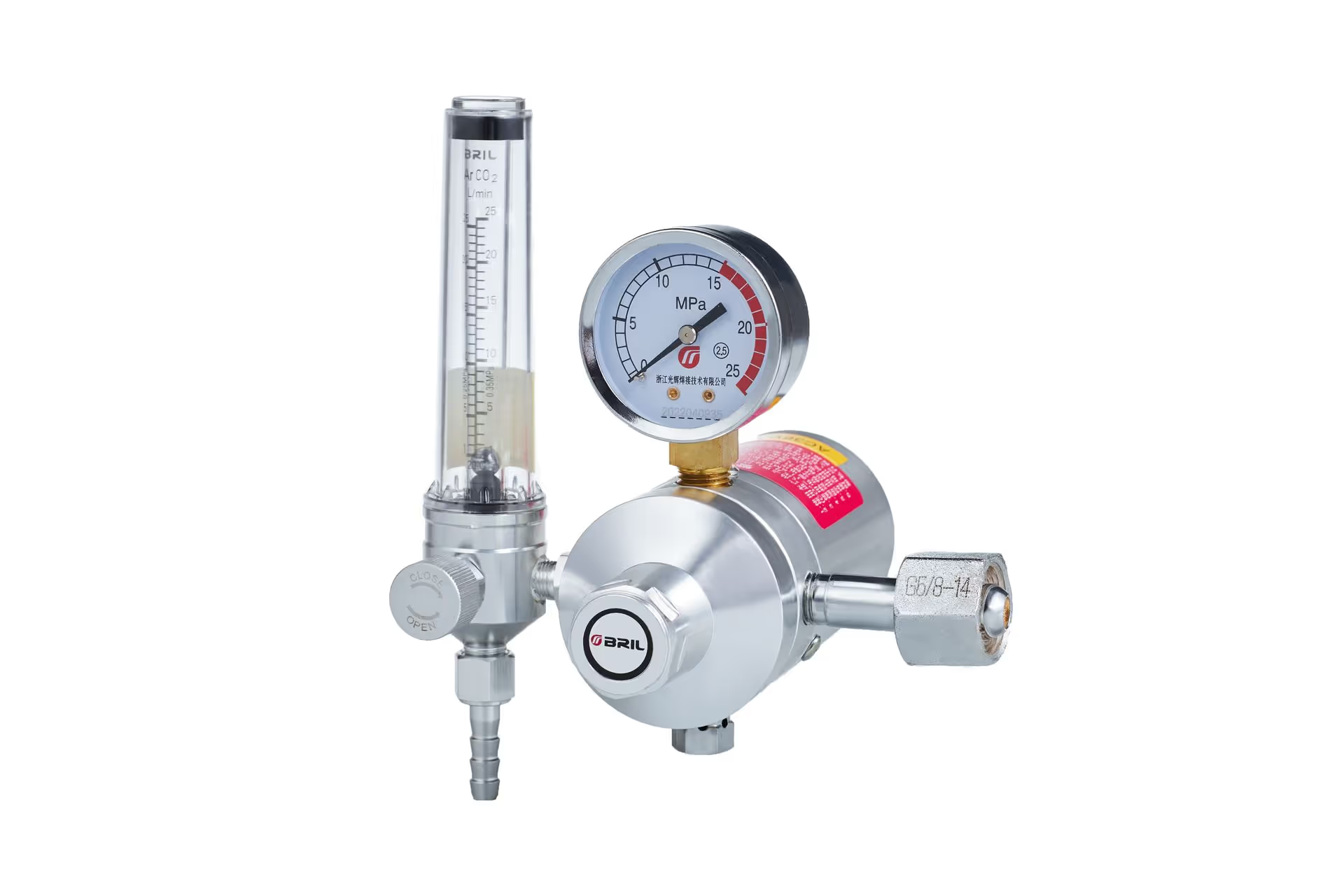
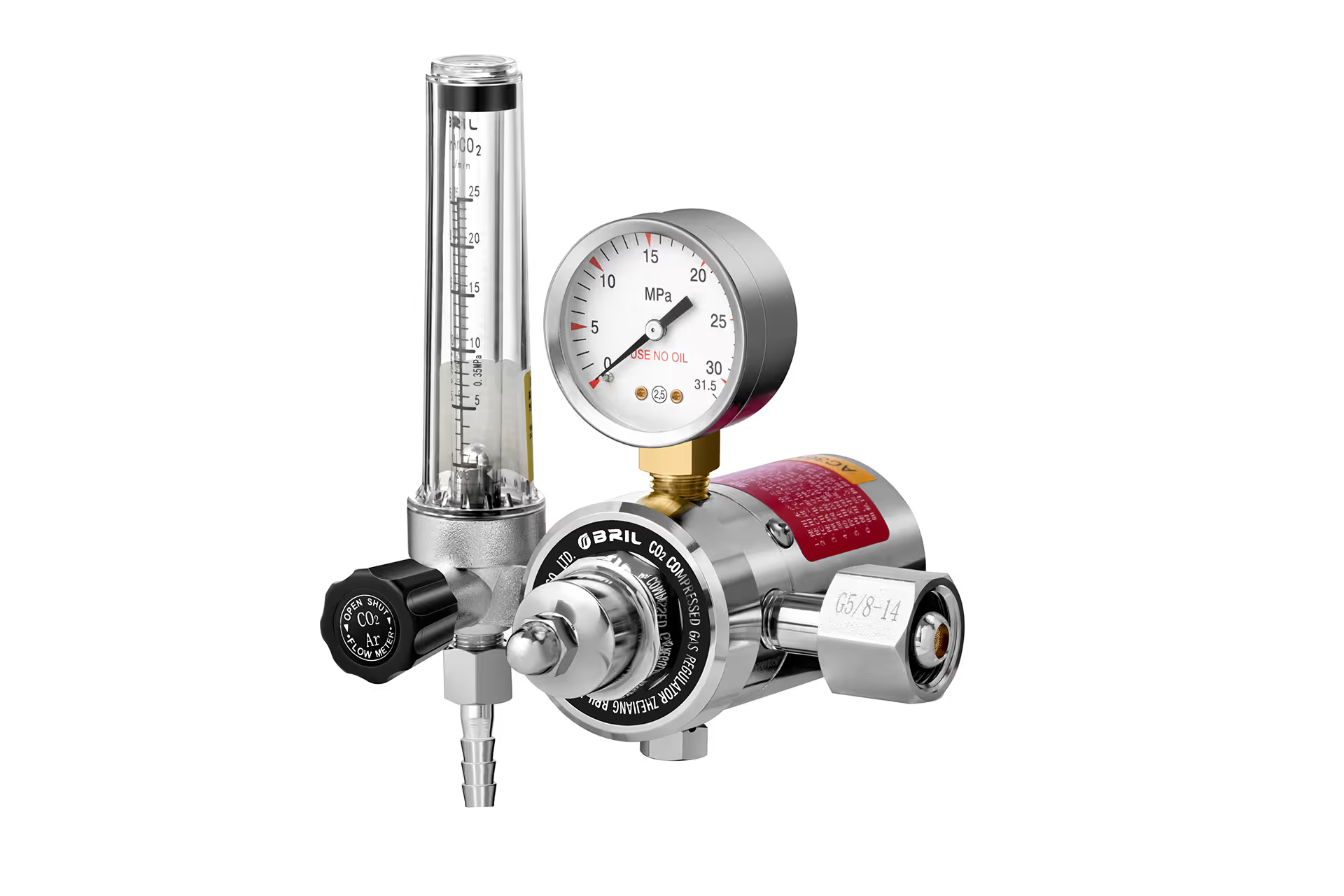
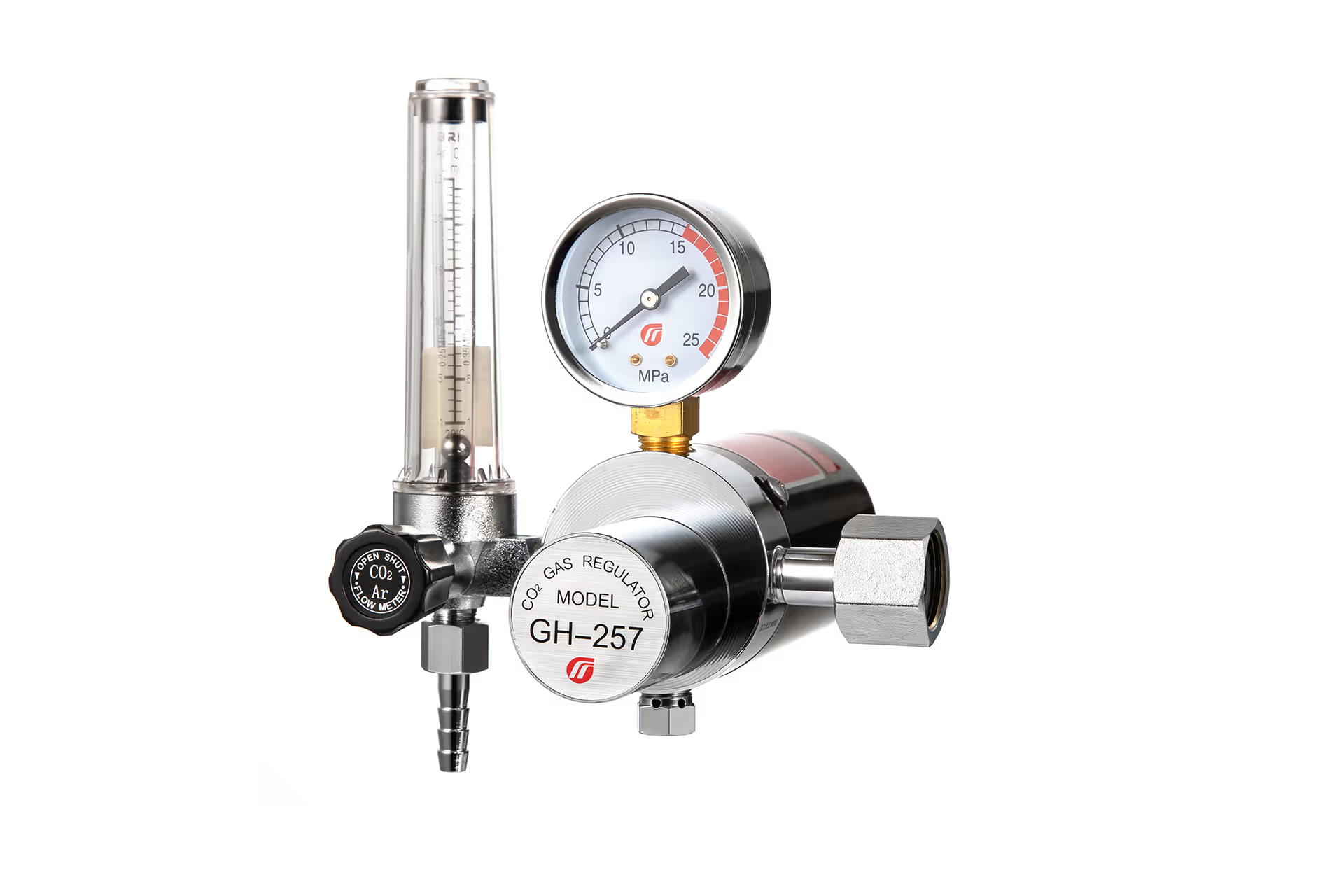
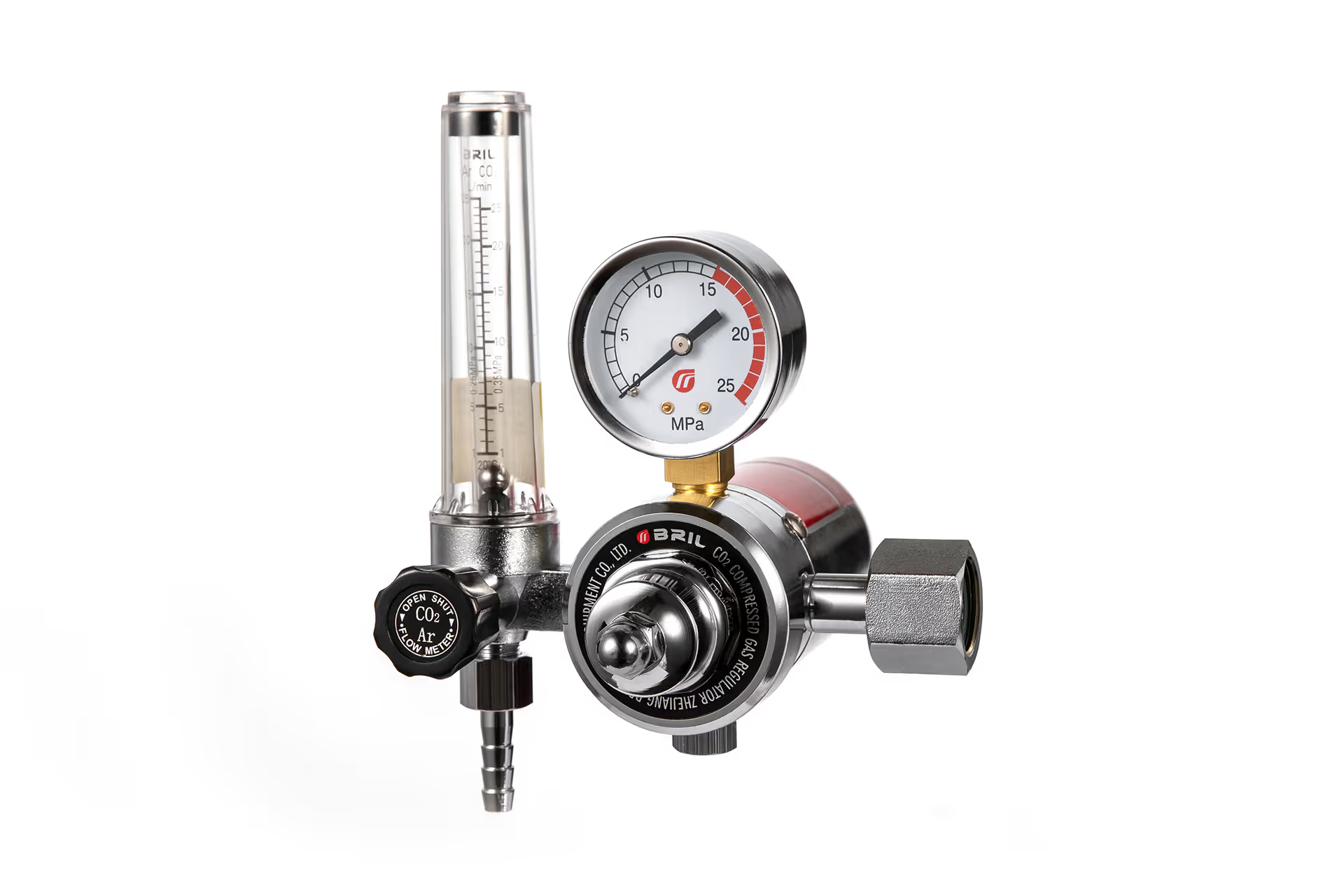
CO₂ regulators are designed for carbon dioxide applications in welding, beverage, and industrial gas systems. Because CO₂ behaves differently from other compressed gases, regulator selection should account for pressure behavior, cooling effects, and demand stability.
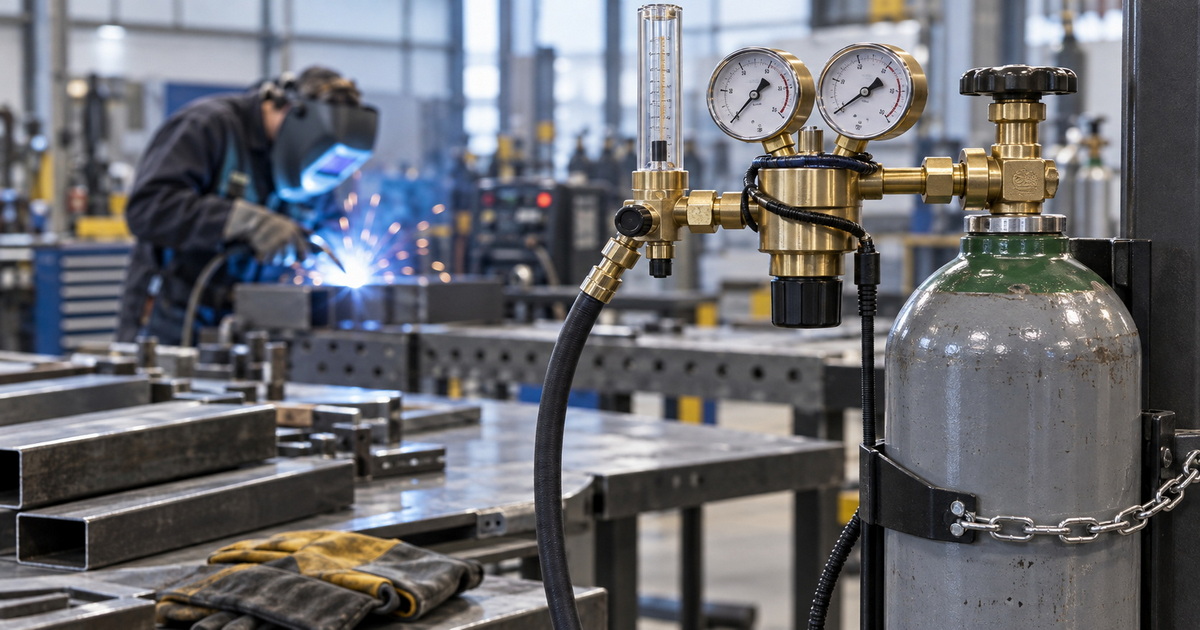
For many users, the key requirement is dependable flow and repeatable output. That is why CO₂ regulators are often selected for welding shops, fabrication lines, and gas supply systems where consistency matters more than basic pressure reduction.
Heated CO₂ regulators
Heated CO₂ regulators are used when CO₂ service is affected by gas cooling and pressure instability during high demand. A heating element helps reduce freezing or pressure drop problems in demanding applications, especially in colder environments or when flow is continuous.
This type is especially valuable for users who work outdoors, in winter, or in high-consumption environments. It can help maintain more stable gas delivery and avoid interruptions that reduce productivity.
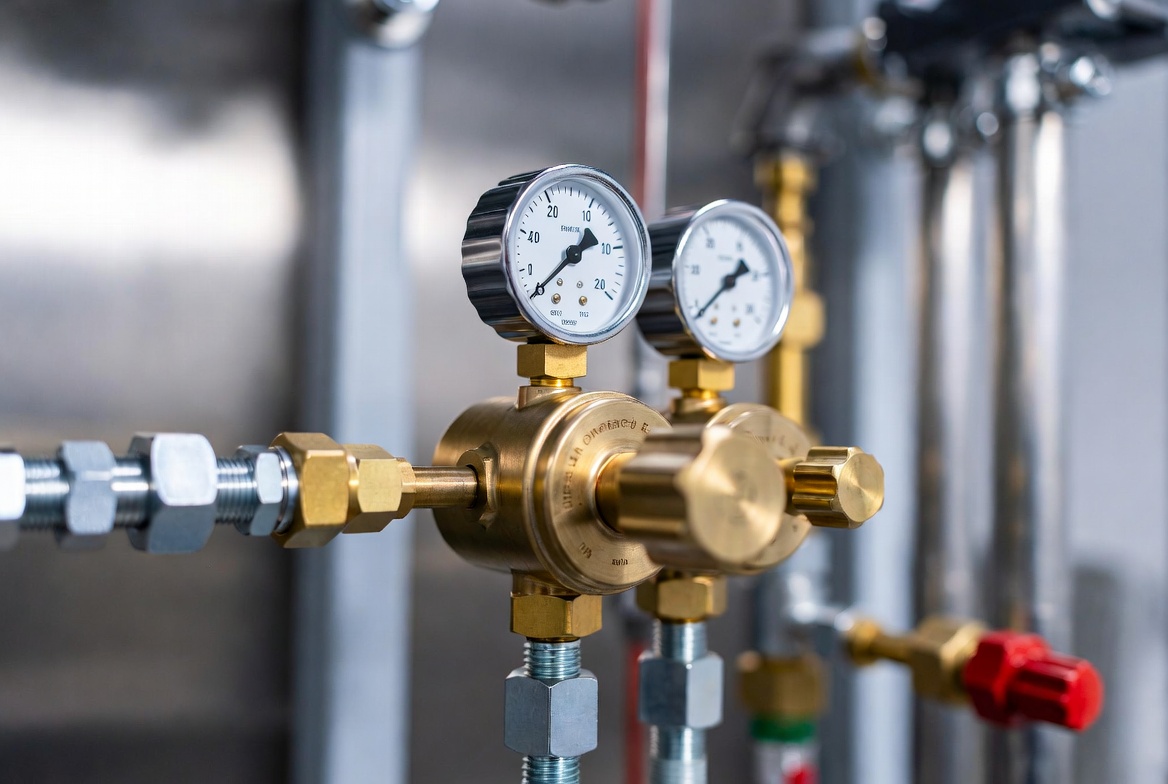
Oxygen regulators
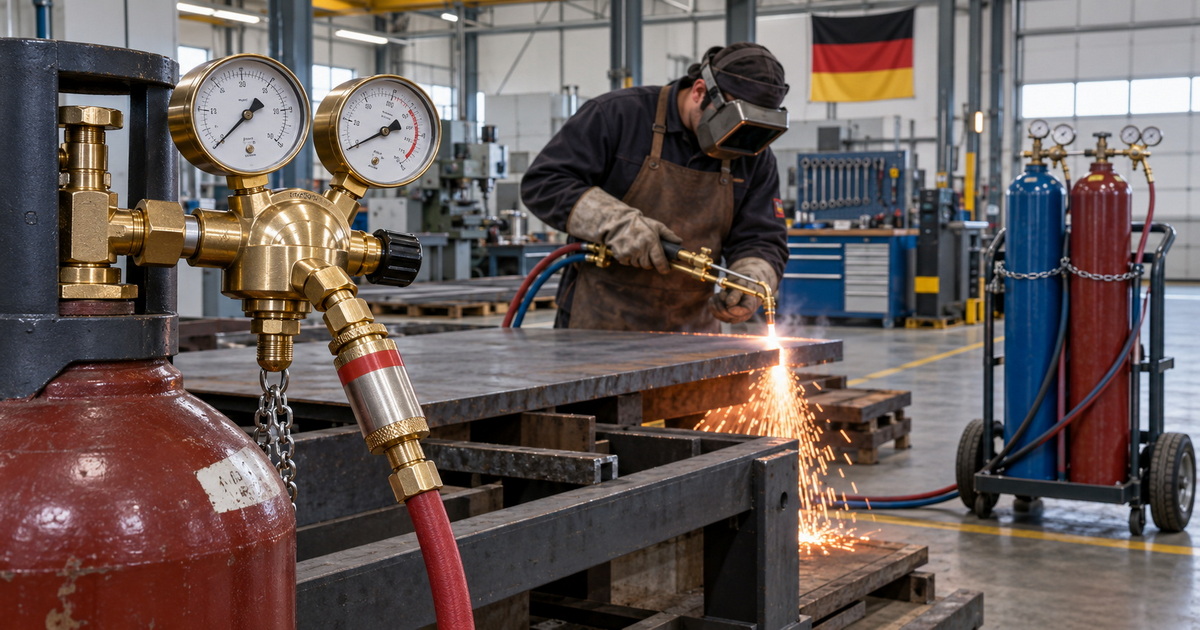
Oxygen regulators are used in cutting, welding, and industrial gas processes that require clean, stable oxygen delivery. Because oxygen supports combustion, these regulators must be built and handled with strict material and cleanliness requirements.
In buyer terms, oxygen regulators should be selected for stable output, durability, and compatibility with the intended cylinder and process. The safer and more reliable the regulator, the easier it is to maintain consistent performance in field use.
Acetylene regulators
Acetylene regulators are made for fuel gas service in welding and cutting operations. They need to support safe pressure reduction and controlled delivery for flame processes.
Because acetylene is commonly used in thermal cutting and gas welding, the regulator must be matched carefully to the cylinder and torch setup. A poor match can affect flame quality and operator safety.
Propane regulators
Propane regulators are used in heating, cutting, and fuel gas applications. They help maintain a stable outlet pressure so the burner or torch receives a usable and repeatable gas supply.
These regulators are often chosen for portability and practical field use. They are a common fit for construction, maintenance, and industrial heating tasks.
Nitrogen regulators
Nitrogen regulators are used in purging, blanketing, pressure testing, and industrial supply systems. Nitrogen is widely used where inert gas control is needed, so stable pressure delivery is critical.
For buyers, nitrogen regulators are often evaluated by pressure range, outlet stability, and fit with process-specific requirements. In many industrial systems, the regulator is part of a broader gas control strategy rather than a standalone part.
Comparing regulator types
| Type | Main use | Strength | Best fit |
|---|---|---|---|
| Single-stage | General gas control | Simple and economical | Stable inlet conditions |
| Dual-stage | Precision gas control | Strong pressure stability | Long runs and sensitive processes |
| CO₂ | CO₂ welding and industrial use | Reliable flow control | Fabrication and gas supply |
| Heated CO₂ | Cold or high-demand CO₂ service | Reduced cooling-related instability | Outdoor and continuous use |
| Oxygen | Cutting and welding | Clean, stable delivery | Combustion-support applications |
| Acetylene | Fuel gas welding/cutting | Controlled flame supply | Torch-based thermal work |
| Propane | Heating and fuel gas use | Practical field performance | Mobile and industrial heating |
| Nitrogen | Purging and inerting | Stable inert gas control | Testing and process protection |
How to choose the right regulator
When selecting a gas regulator, start with the gas type, then confirm the working pressure, inlet connection, outlet pressure range, and duty cycle. After that, consider whether your application needs a single-stage design or a more stable dual-stage solution.
A practical selection process looks like this:
1. Confirm the gas: CO₂, oxygen, acetylene, propane, nitrogen, or argon.
2. Define the application: welding, cutting, shielding, purging, heating, or testing.
3. Check the pressure range: inlet pressure and desired outlet pressure.
4. Decide on stability needs: standard use or highly stable delivery.
5. Match materials and construction to the working environment.
6. Confirm OEM or ODM requirements if the product will be branded or customized.
This approach helps reduce returns, improve user satisfaction, and simplify technical support after sale.
Material and quality factors that matter
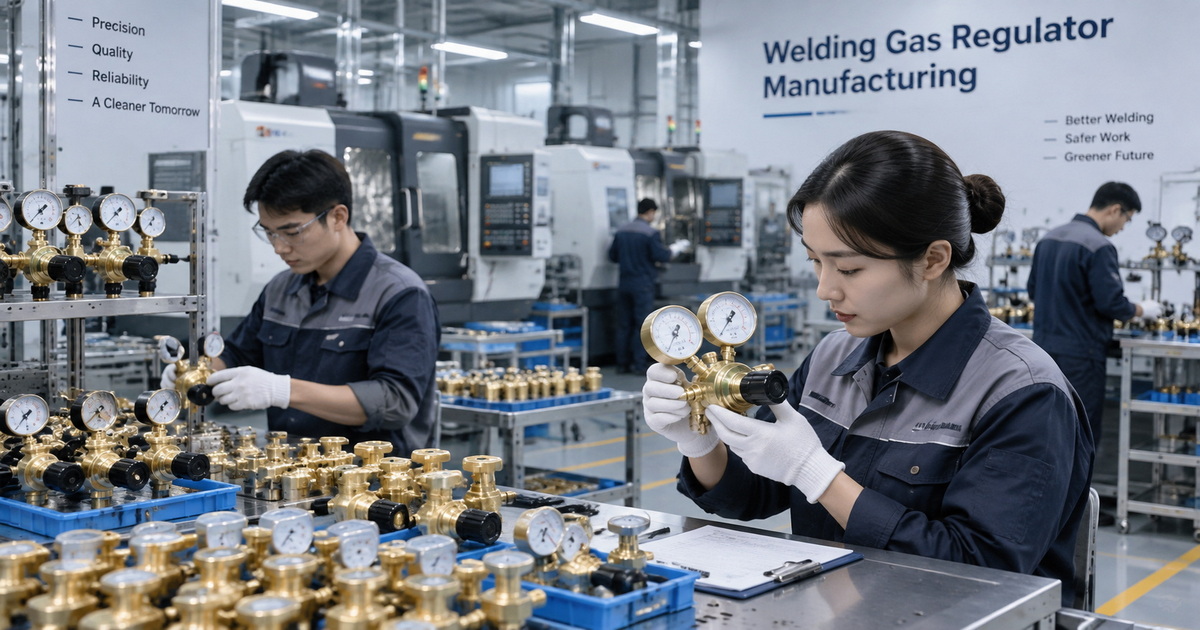
For industrial buyers, brass body construction remains one of the most trusted choices because it offers strong durability and dependable pressure performance in many gas service applications. But material alone is not enough; testing and process control matter just as much.
A good manufacturing partner should be able to provide:
– Stable machining accuracy.
– Pressure and leakage testing.
– Clean assembly standards.
– Repeatable quality from batch to batch.
– Custom configurations for different markets.
That is especially important for overseas brands and distributors who need consistent product identity and dependable delivery performance across multiple orders.
A practical example from the field
A fabrication workshop using standard single-stage regulators may notice pressure drift during long work shifts. That drift can change shielding quality, create inconsistency in weld appearance, and force operators to make frequent adjustments.
If the same workshop switches to a dual-stage regulator for critical lines, output becomes more stable and the process is easier to manage over time. For high-demand CO₂ work in cold conditions, adding a heated regulator can further reduce interruption risk.
OEM and ODM value for global buyers
For global buyers, the regulator itself is only part of the product value. OEM and ODM services help brands create their own market identity, meet regional specifications, and control packaging, labeling, and technical configuration.
This is particularly useful for wholesalers, distributors, and industrial brands serving welding, gas supply, and fabrication markets. A reliable manufacturer can support product customization while keeping core performance standards consistent.
Common mistakes to avoid
Many buyers focus on price first and discover the real cost later. The most common mistakes are choosing the wrong gas type, ignoring pressure range limits, overlooking stability needs, and buying a regulator that is not suited to the actual operating environment.
Avoid these errors:
– Using the wrong regulator for the gas.
– Selecting a pressure range that is too narrow.
– Ignoring cold-weather or heavy-duty service needs.
– Choosing style over actual performance requirements.
Why this choice affects business results
A regulator is not just a replacement part. It influences safety, gas efficiency, process consistency, and end-customer satisfaction. For industrial buyers, that means the right product can reduce service issues and improve repeat business.
For manufacturers and exporters, a well-designed regulator line also supports stronger catalog coverage. When your product range includes CO₂ regulators, heated regulators, argon regulators, oxygen regulators, acetylene regulators, propane regulators, nitrogen regulators, and dual-stage regulators, you can serve more market segments with less friction.
Conclusion
If your application is simple and stable, a single-stage regulator may be enough. If you need better outlet consistency, choose a dual-stage design. If your CO₂ service faces cold weather or long continuous runs, heated CO₂ regulation can be the smarter investment.
For distributors and brand owners, the best supplier is one that combines precise manufacturing, quality inspection, customized solutions, and dependable OEM/ODM support. That combination creates value not only for one order, but for long-term market growth.
If you are sourcing industrial gas regulators for welding, cutting, or industrial gas applications, request a quotation, technical specification sheet, or custom sample review to match the right regulator to your target market.
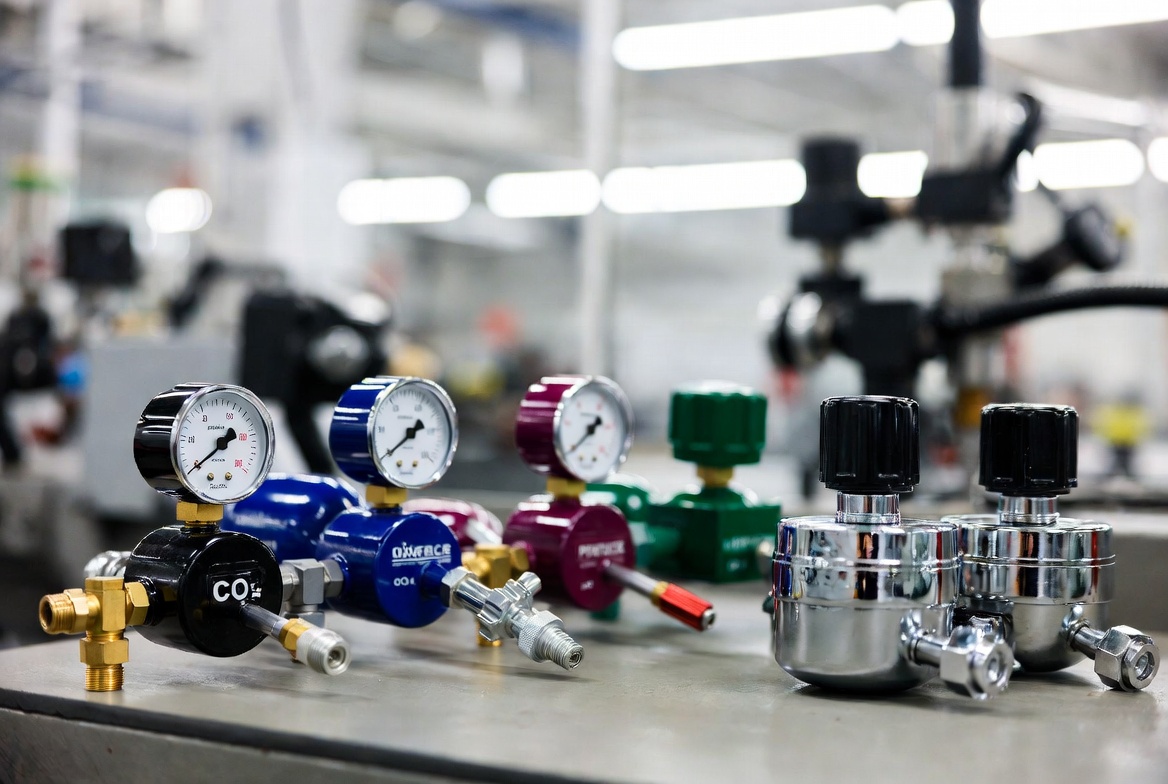
FAQ
1. What is the difference between a single-stage and dual-stage regulator?
A single-stage regulator reduces pressure in one step, while a dual-stage regulator reduces it in two steps for better outlet stability.
2. Which regulator is best for CO₂ welding?
For standard CO₂ welding, a CO₂ regulator is the basic choice. For colder environments or heavier continuous use, a heated CO₂ regulator can improve stability.
3. Why is brass commonly used in gas regulators?
Brass is widely used because it offers good durability, reliable machining, and strong performance in many industrial gas applications.
4. Can one regulator be used for all gases?
No. Regulator selection depends on the gas type, pressure range, application, and safety requirements.
5. What should I ask a supplier before placing an order?
Ask about gas compatibility, pressure range, test standards, OEM/ODM support, customization options, and delivery lead time.
References
1. [Bril Welding Equipment — OEM Welding Gas Regulator Manufacturer]
2. [Allsafe — Compressed Gas Regulators for CO2, Oxygen & Nitrogen]
3. [Grainger — Gas Regulators]
4. [Airgas — Industrial Gas Regulators]
5. [GlobalSpec — CO2 Gas Regulators]
6. [Emerson — Pressure Regulators]
7. [Fisher Scientific — Gas Regulators]
8. [Matheson — Specialty Gas Equipment: Regulators]
9. [Airgas — Specialty Gas Regulators]
10. [Original article — Understanding The Different Types of Industrial Gas Pressure Regulators]
Hot Tags: Industrial Gas Pressure Regulators, Gas Pressure Regulators, CO2 Regulators, Heated CO2 Regulators, Argon Regulators, Oxygen Regulators, Acetylene Regulators, Propane Regulators, Nitrogen Regulators, Dual Stage Gas Regulators