Content Menu
● How Heavy Plate Cutting Changes the Requirement
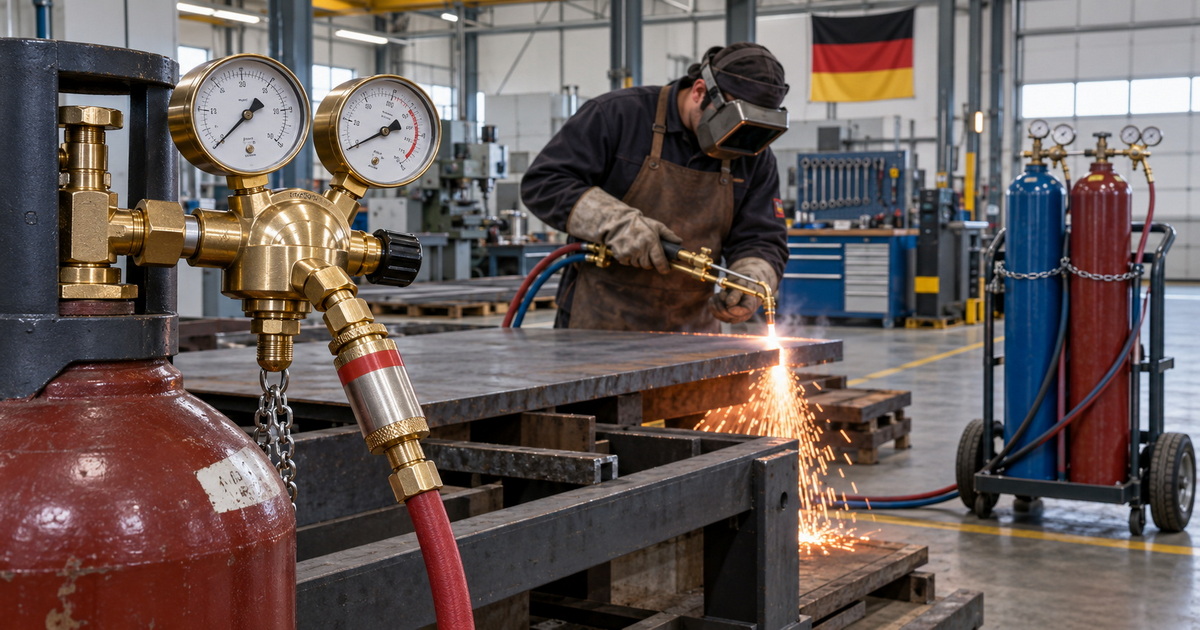
Oxygen Welding Regulator vs Oxygen Pressure Regulator for Heavy Plate Cutting is not just a product comparison; it is a practical decision that affects cut quality, safety, gas stability, and operating cost. For heavy plate cutting, the right choice depends on whether you need torch-side delivery control for oxy-fuel work or system-side pressure reduction for broader industrial oxygen supply use cases.
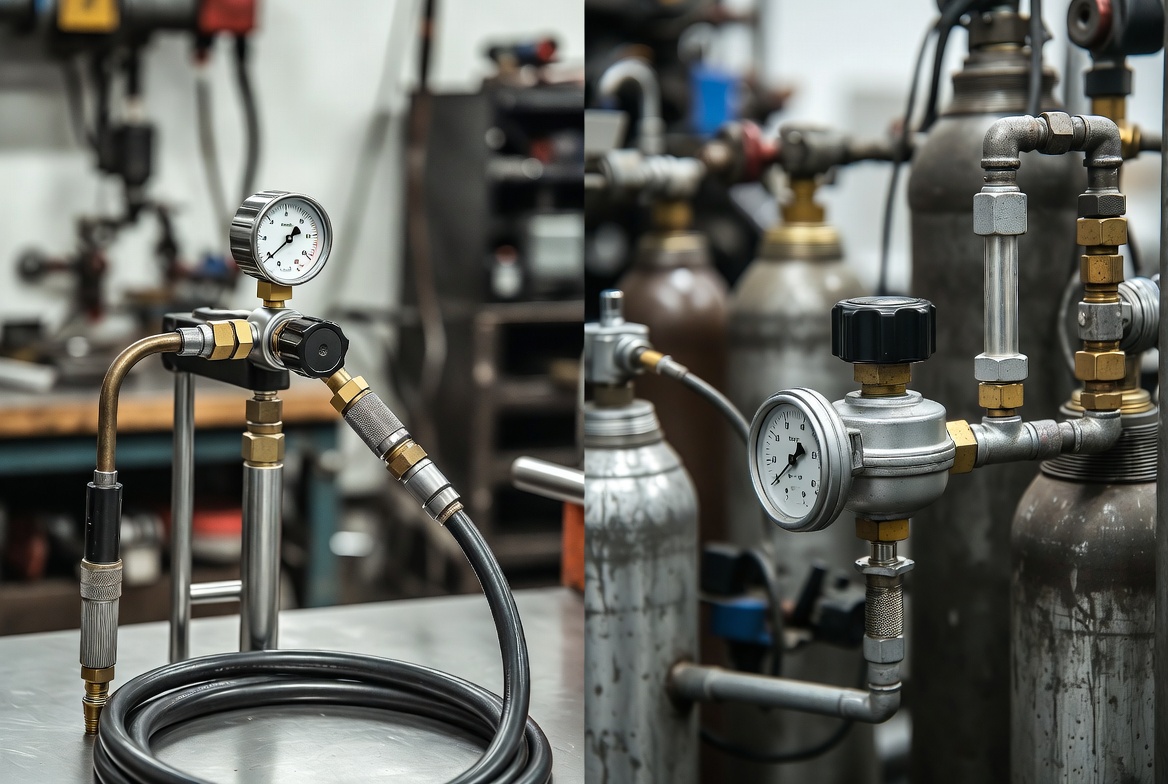
Why the Difference Matters
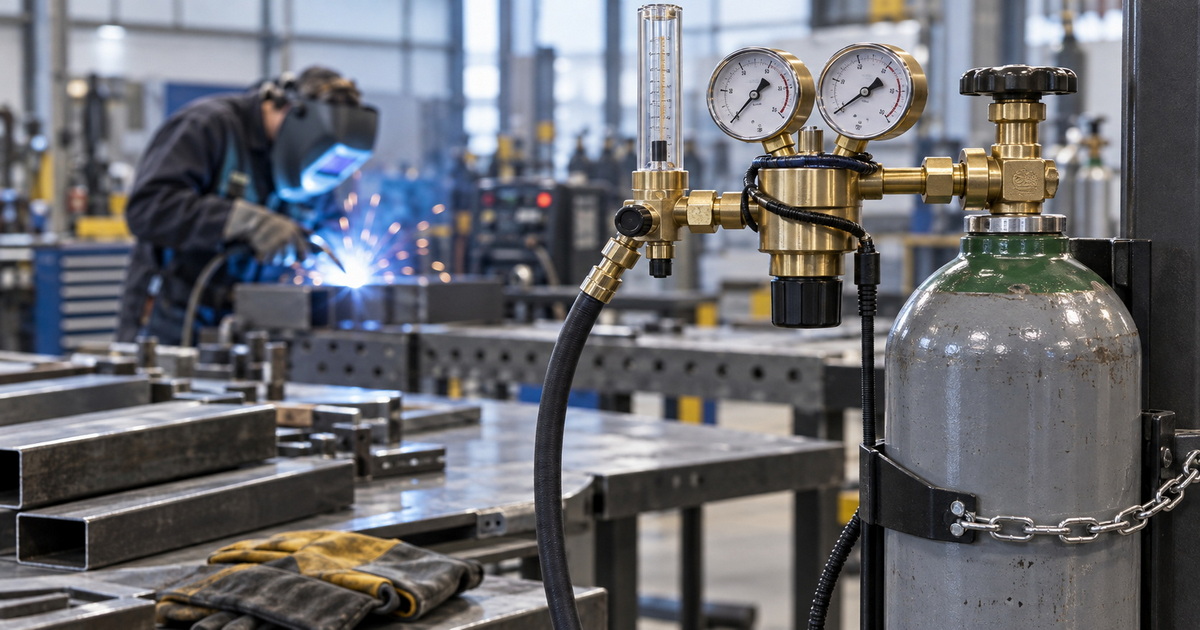
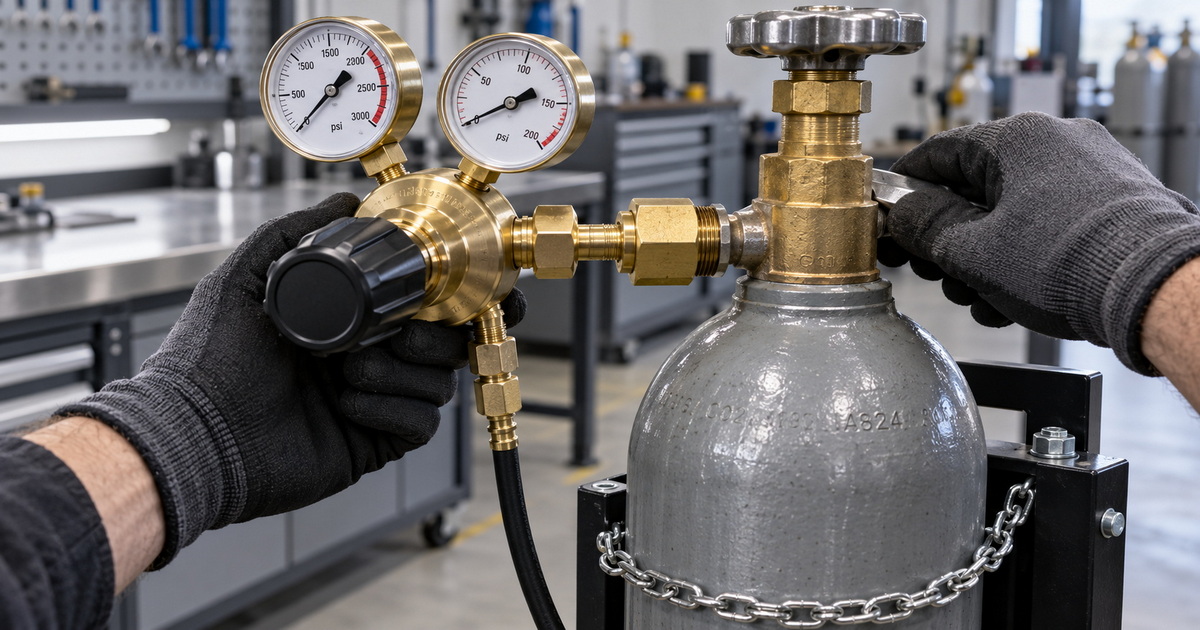
A regulator is designed to reduce high cylinder pressure to a usable outlet pressure, but not every oxygen regulator is optimized for the same job. Industrial suppliers distinguish between general oxygen pressure control and welding-focused oxygen regulators because the operating demands, flow patterns, and safety expectations are different.
Heavy plate cutting puts extra stress on the gas system because cutting tips often demand stable oxygen delivery over longer periods, especially when preheating thick material and maintaining a consistent cutting jet. In that environment, a regulator that drifts, hunts, or cannot sustain the required flow can reduce cut speed and edge quality.
Regulator Roles Compared
| Feature | Oxygen Welding Regulator | Oxygen Pressure Regulator for Heavy Plate Cutting |
|---|---|---|
| Main purpose | Delivers controlled oxygen to welding and oxy-fuel cutting torches | Reduces oxygen cylinder pressure to a stable working pressure for industrial use |
| Best use case | Torch-based cutting, heating, and welding setups | General oxygen pressure control, supply lines, and systems needing steady delivery |
| Stability need | High, especially during long cutting passes | High, but usually evaluated at the system level |
| Common design focus | User adjustment, outlet response, durability, gauge clarity | Constant downstream pressure, safety, and system compatibility |
| Selection priority | Tip requirements, flow demand, and cutting process | Inlet pressure, outlet range, and overall line stability |
Single-stage regulators can be practical, but their outlet pressure tends to rise as cylinder pressure falls. Dual-stage designs are better when pressure consistency matters over long runs, which makes them attractive for heavier cutting work.
How Heavy Plate Cutting Changes the Requirement
Heavy plate cutting is different from light cutting or general welding because the torch often runs longer and the oxygen demand is less forgiving. The cutting stream must stay strong enough to blow molten slag out of the kerf while keeping the preheat flame and cutting oxygen balanced.
For that reason, the oxygen regulator must support steady delivery pressure without frequent readjustment. A weak or poorly matched regulator may cause inconsistent preheat, sluggish piercing, rough edges, or excessive dross.
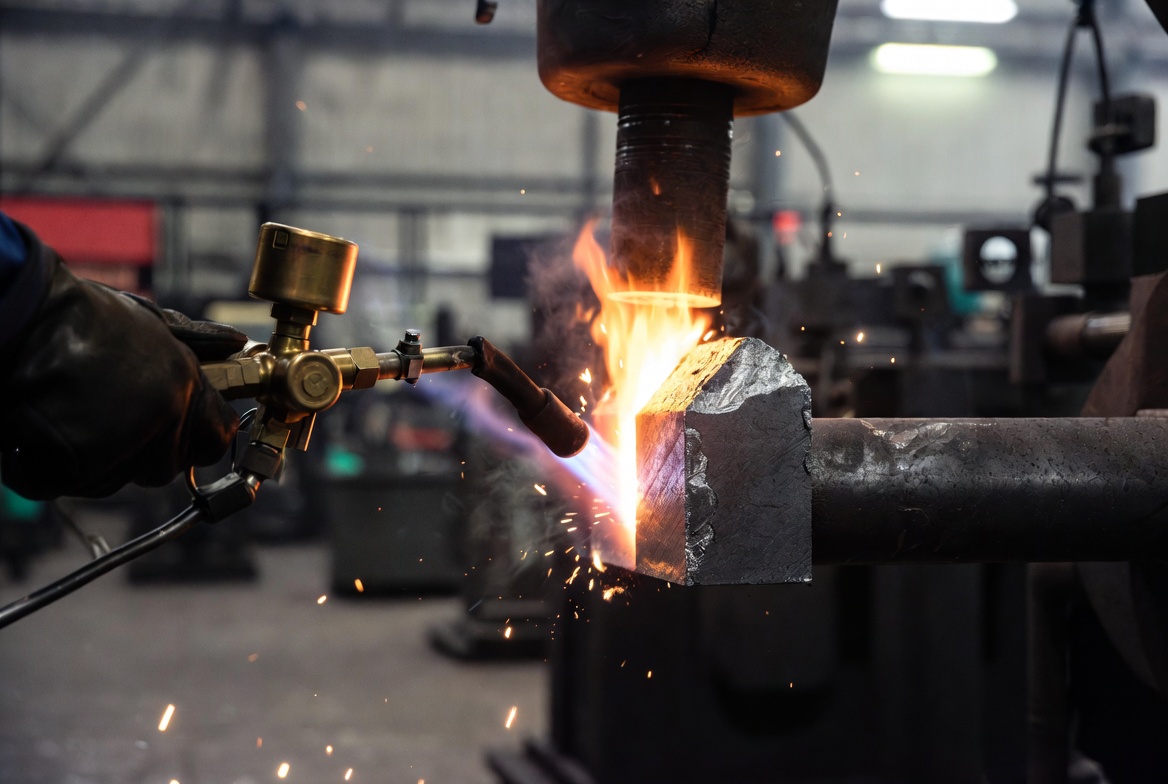
When to Choose Each Type
Use an oxygen welding regulator when your main work is oxy-fuel welding, heating, and cutting at the torch, where the operator needs direct control and quick adjustment. This type is often the more natural fit for fabrication shops that switch between tasks during the day.
Use an oxygen pressure regulator when the goal is broader pressure management for a distribution line, workstation, or industrial oxygen supply setup. If the system must hold output steady as cylinder pressure drops, a dual-stage model is usually the stronger choice.
What Experts Look For
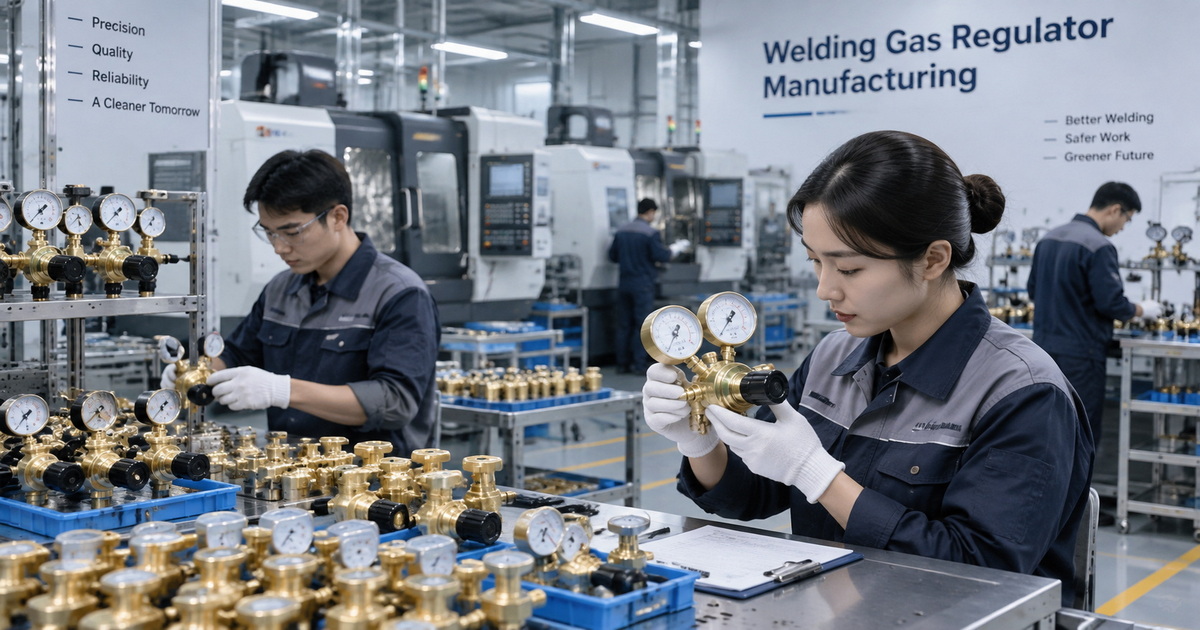
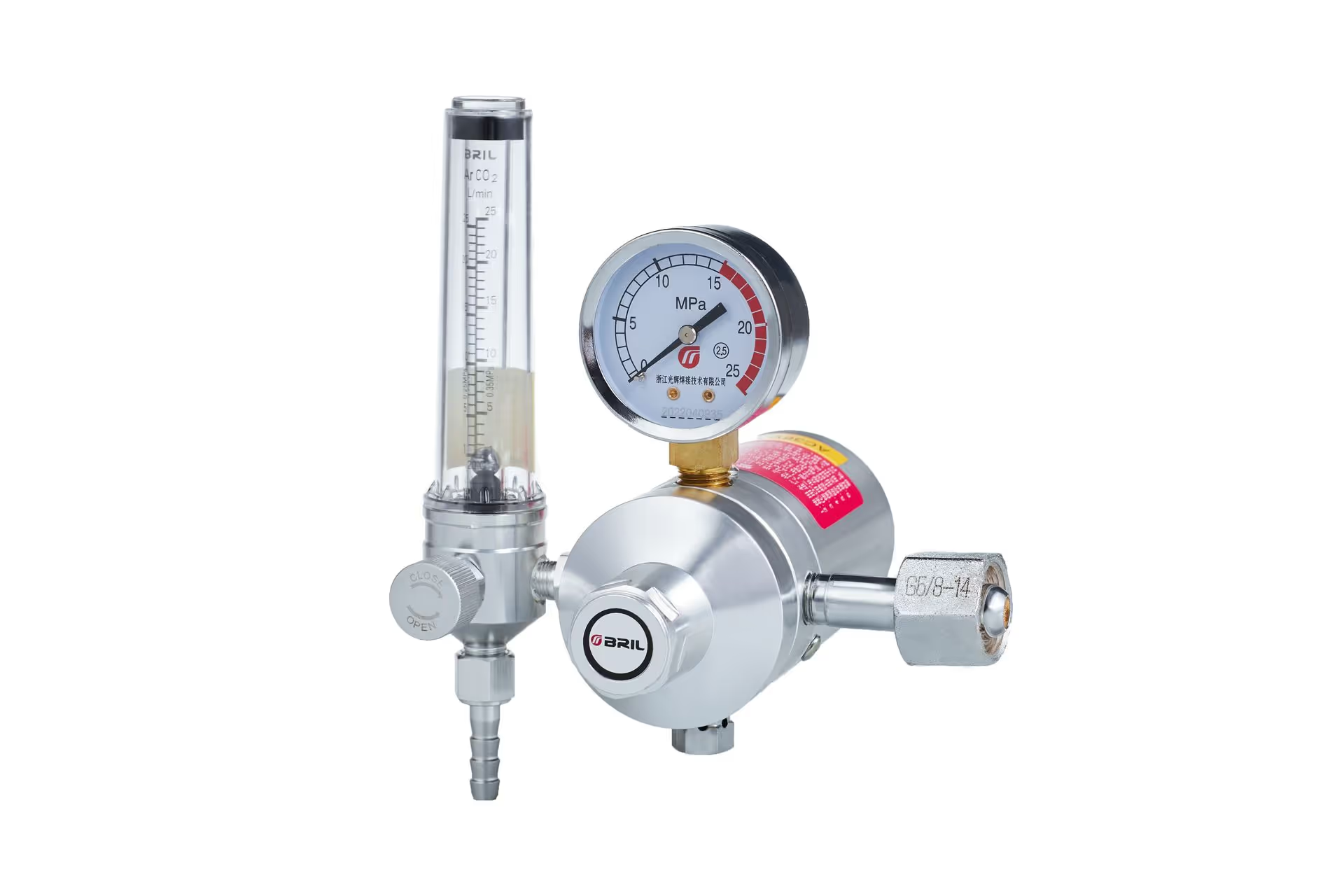
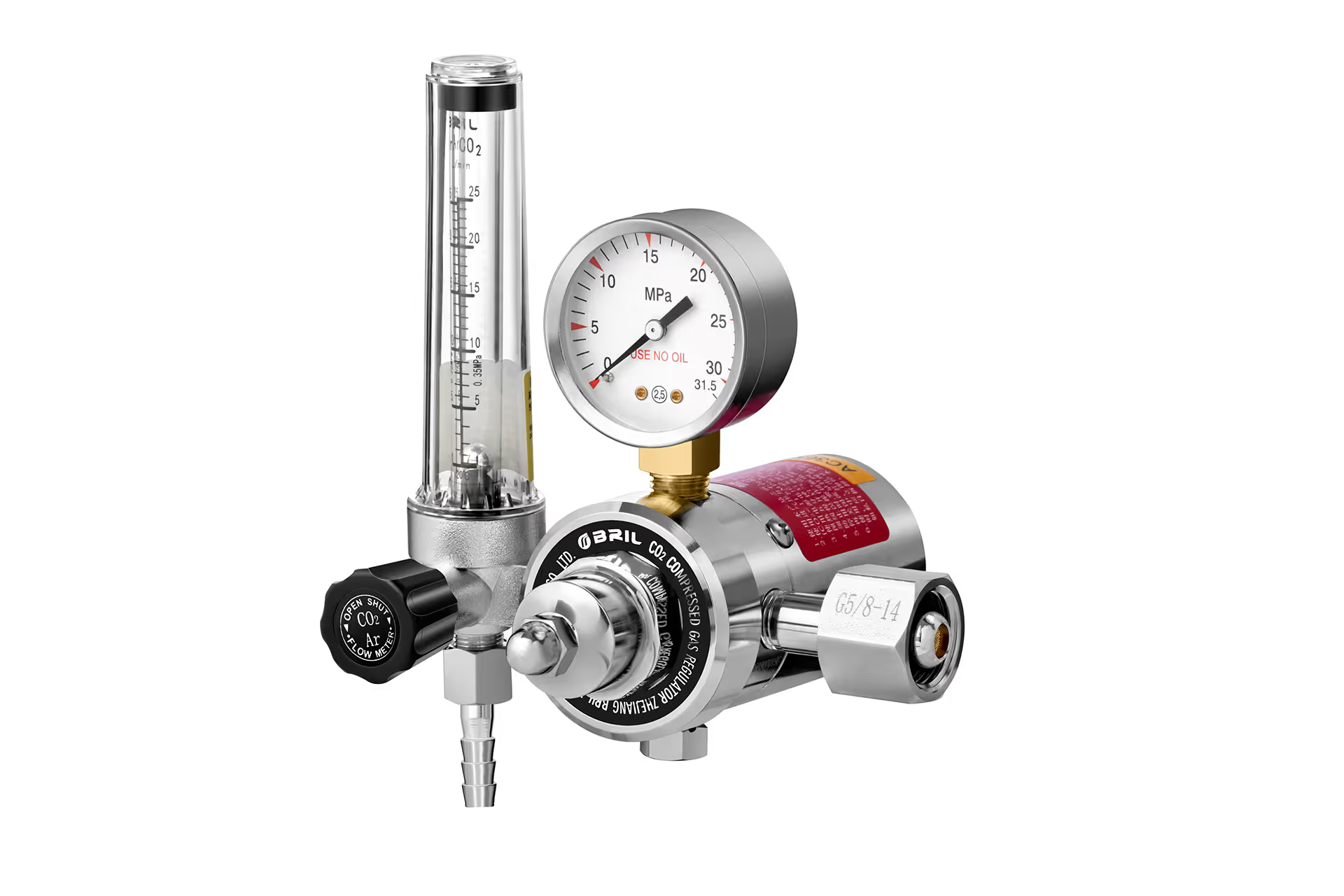
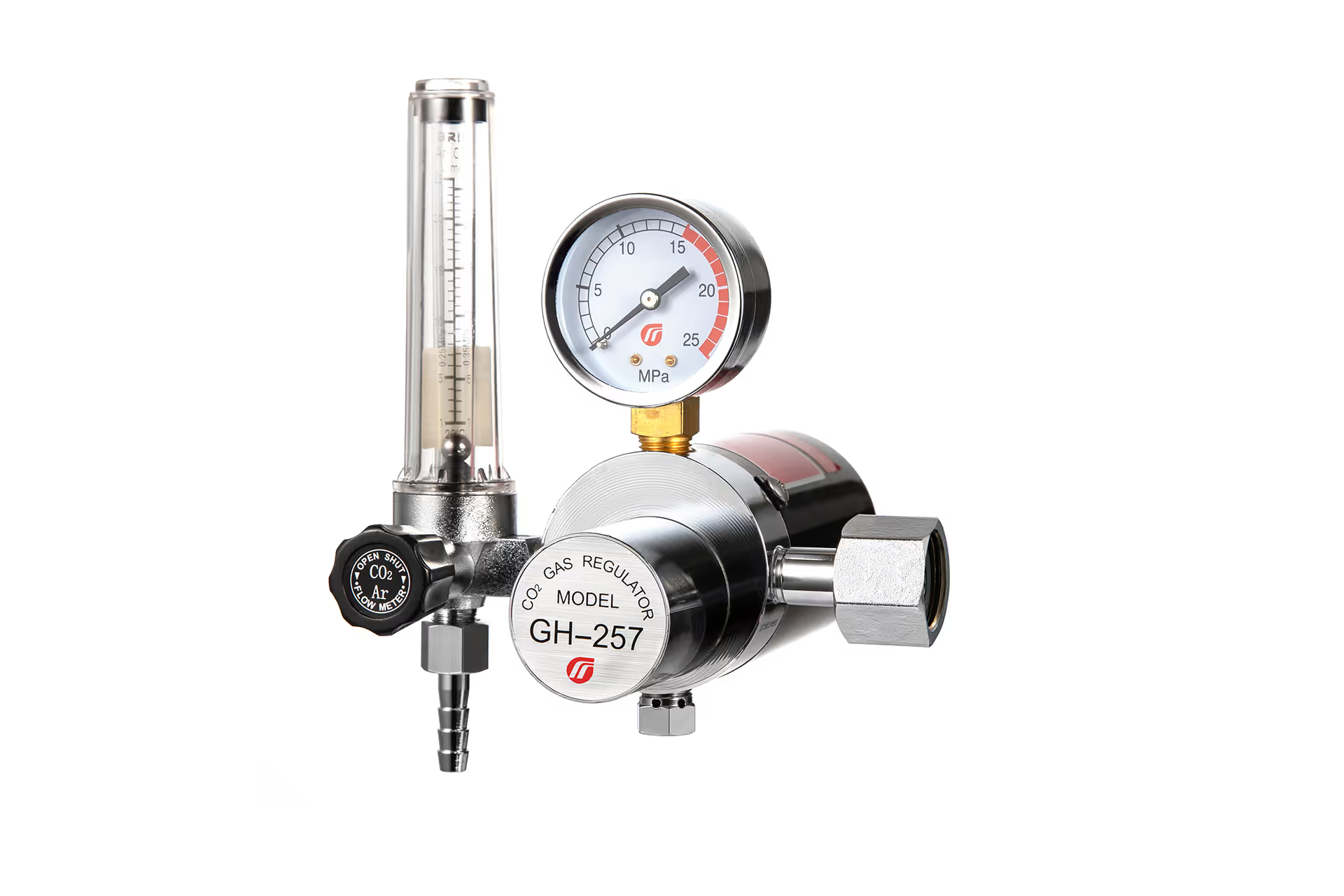
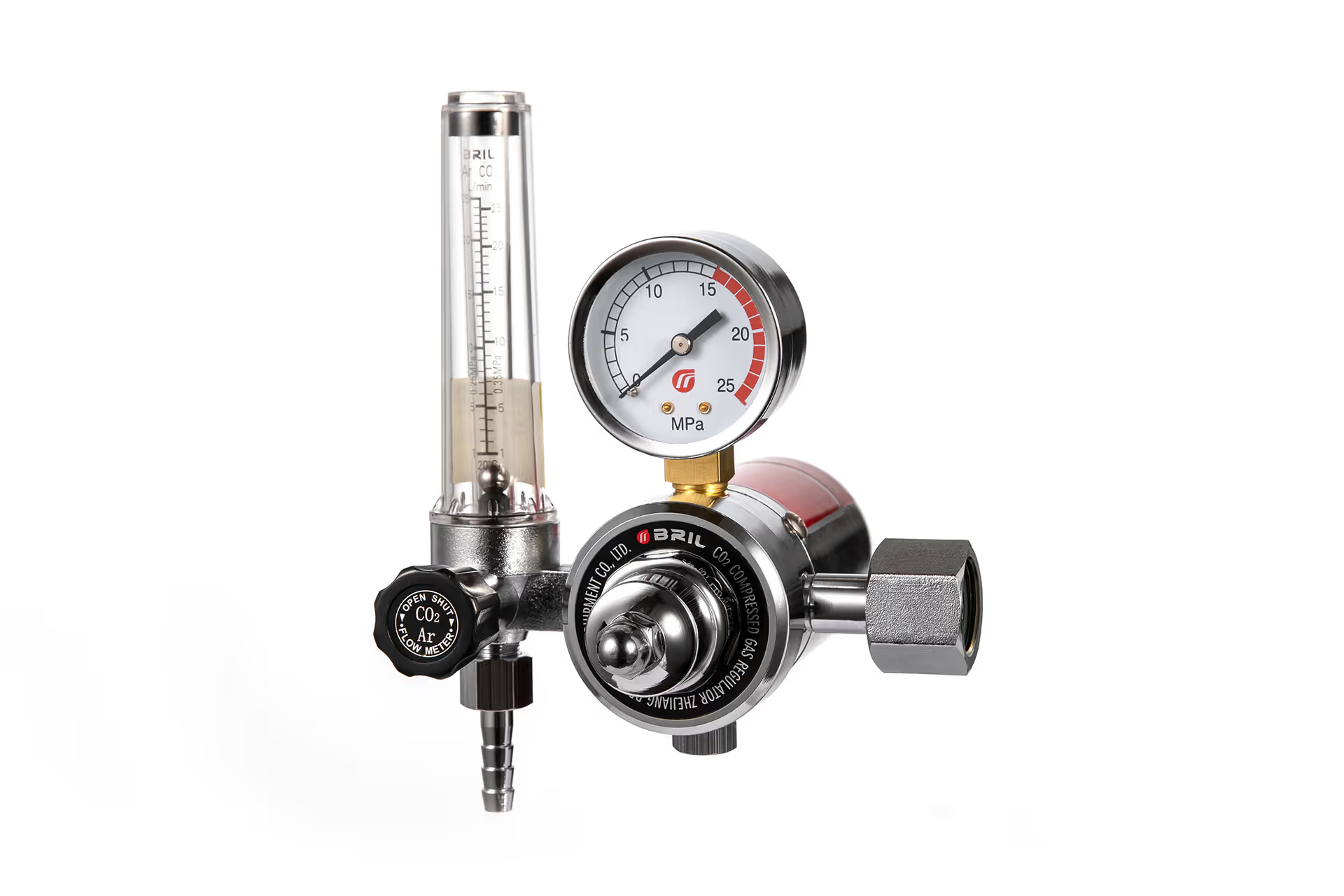
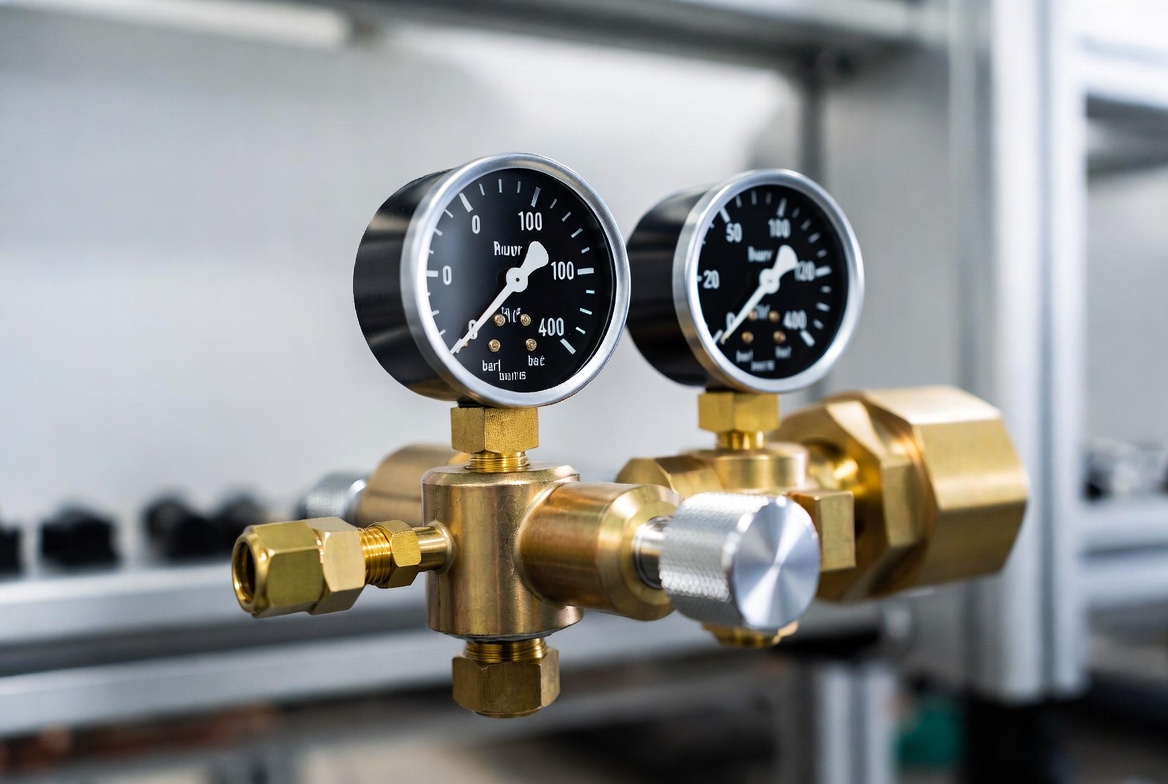
From a manufacturing and field-use perspective, the most important points are material quality, pressure stability, correct gas compatibility, and clean oxygen service construction. Brass bodies are widely used in gas regulators, and reputable suppliers also emphasize leak testing, pressure testing, and airtightness verification before shipment.
For oxygen service, cleanliness is critical. Oxygen systems should never be contaminated by oil or grease, and the regulator must be matched to the correct gas and fitting standard to prevent unsafe installation.
Practical Selection Guide
Follow these steps when choosing a regulator for heavy plate cutting:
1. Confirm the cutting process.
2. Check the tip’s pressure and flow requirement.
3. Match the regulator’s outlet range to the required working pressure.
4. Choose single-stage or dual-stage based on how stable the pressure must remain.
5. Verify the correct oxygen fitting and cylinder connection.
6. Inspect the body material, gauges, and safety construction.
7. Ask whether the supplier provides pressure testing and quality inspection records.
A simple rule applies: if the application is thick plate cutting with long, demanding oxygen use, prioritize output stability and flow consistency over low initial price.
A Manufacturer’s View
In OEM and ODM supply, we see the same pattern again and again: distributors want a regulator that is easy to sell, while end users want one that performs consistently under real cutting conditions. That is why product design should balance precision manufacturing, stable pressure control, brass construction, and strict inspection rather than focusing on appearance alone.
For overseas brands and industrial buyers, customization also matters. Gauge layout, inlet and outlet configuration, branding, packaging, and market-specific compliance details can all influence how well an oxygen regulator fits local welding and cutting channels.
Heavy Plate Cutting Risks
A regulator mismatch can create real problems on thick plate jobs. Too little delivery pressure may slow the cut and leave heavy dross, while excessive or unstable pressure can waste oxygen and make the flame harder to control.
There is also a safety angle. Oxygen equipment must be kept free from oil, installed with the correct fittings, and used only within its rated service conditions. Those are not optional details; they are basic requirements for reliable operation.
Buying Checklist
Before you place an order, check these points:
– Gas type: oxygen only, with correct service designation.
– Application: welding, heating, or heavy plate cutting.
– Pressure stability: single-stage or dual-stage.
– Flow demand: matched to cutting tip requirements.
– Construction: durable brass body and readable gauges.
– Inspection: pressure test, leak test, and consistency checks.
– Customization: OEM branding, packaging, or market-specific setup.
If your buyers focus on industrial reliability, the message should be simple: choose the regulator that keeps pressure steady under load, not just the one that fits the cylinder.
Final Recommendation
For heavy plate cutting, the better choice is usually a regulator that offers stable oxygen delivery, strong flow support, and oxygen-specific safety construction. If your workflow is torch-based and highly operator-driven, an oxygen welding regulator is often the practical fit; if your priority is pressure stability across longer service periods, a dual-stage oxygen pressure regulator is usually the stronger option.
From a supplier standpoint, the winning product is the one that combines precision machining, dependable pressure reduction, and verified quality control. That is what reduces complaints, improves cut performance, and supports repeat business.
For OEM/ODM sourcing, ask for a regulator specification sheet, pressure test standard, and application match recommendation before production.
References
1. [Zhejiang Bril Welding Equipment Co., Ltd.]
2. [Compressed Gas Regulators for CO2, Oxygen & Nitrogen — All Safe Global]
3. [Specialty Gas Regulators — Linde Canada]
4. [Regulators — Nippon Sanso Matheson]
5. [How to Choose a Regulator — Victor Gas Equipment]
Hot Tags: Oxygen Welding Regulator, Oxygen Pressure Regulator, Heavy Plate Cutting, Oxy Fuel Cutting, Dual Stage Gas Regulator, Brass Gas Regulator, Industrial Gas Regulator, Welding Gas Equipment, Pressure Control Valve, OEM ODM Gas Regulator