Content Menu
>> Common oxygen regulator traits
>> Common acetylene regulator traits
● Pressure Settings in Practice
● Safety Differences That Matter
>> What industrial buyers should check
● Industry Insight: What Separates Good From Better
● FAQ
>> 1. Can I use an oxygen regulator on acetylene?
>> 2. Why is acetylene pressure limited?
>> 3. Why is oxygen pressure usually higher in cutting?
>> 4. What is the most important safety check before cutting?
>> 5. Are oxygen and acetylene regulator threads the same?
Oxygen Regulator vs Acetylene Regulator for Oxy-Fuel Cutting is a high-intent comparison topic because buyers, welders, and industrial distributors all need one thing: safe, stable gas control that matches the correct gas, pressure range, and application. In oxy-fuel cutting, the oxygen regulator and acetylene regulator are not interchangeable, and using the wrong one can create serious safety and performance risks.
Why This Comparison Matters
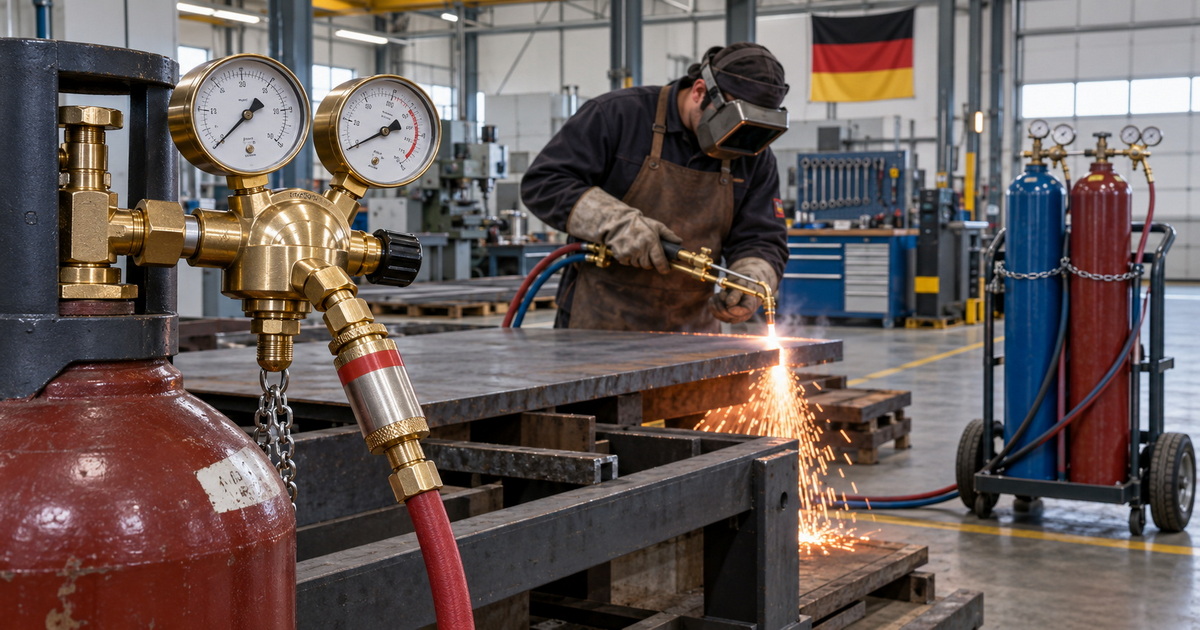
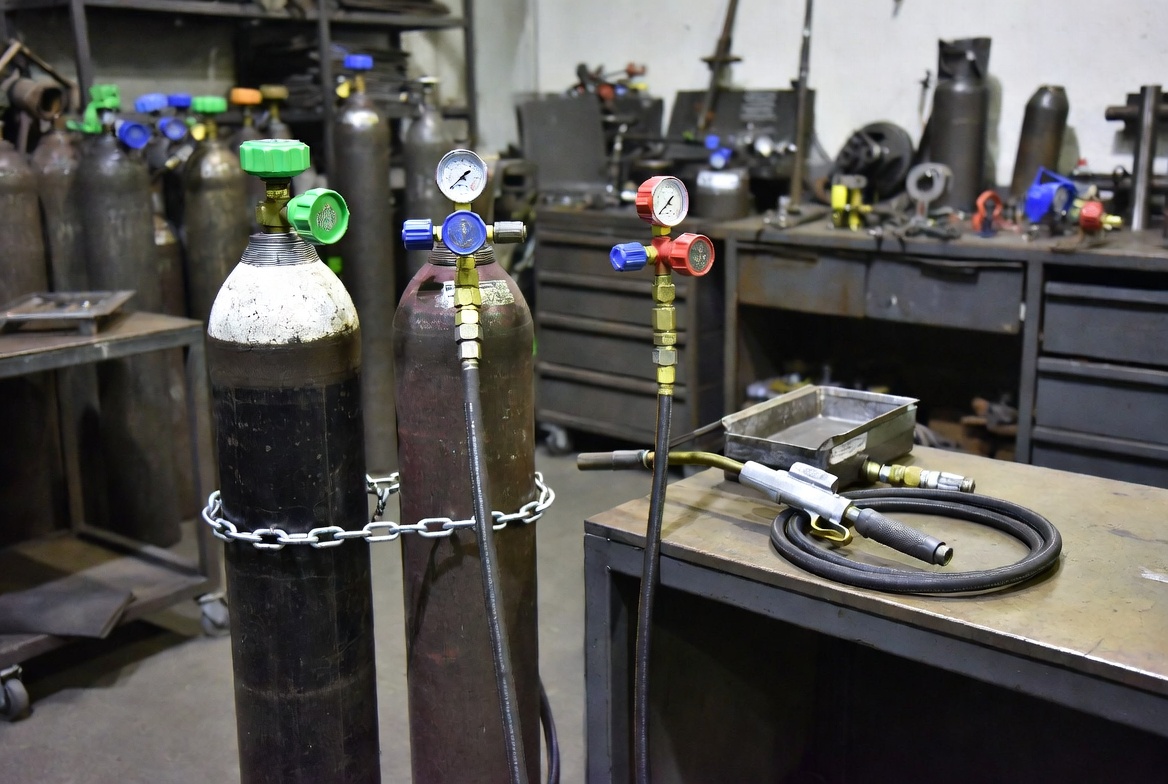
In oxy-fuel systems, regulators reduce high cylinder pressure to a usable outlet pressure for the torch. That sounds simple, but the task is highly specific because oxygen and acetylene behave very differently under pressure and must be handled with the correct gas-specific regulator. For manufacturers, importers, and industrial buyers, this difference affects not only cutting quality but also compliance, user safety, and product failure rates.
Oxygen Regulator Basics
An oxygen regulator is designed to deliver stable, controlled oxygen pressure from an oxygen cylinder to the cutting torch. In oxy-fuel cutting, oxygen supports the preheat flame and provides the cutting jet that drives oxidation through the metal. Because oxygen is an oxidizer, even small contamination by oil or grease is dangerous, which is why oxygen-side equipment must stay clean and dedicated to oxygen service only.
Common oxygen regulator traits
– Built for oxygen service only.
– Uses clean, oil-free components.
– Delivers higher cutting pressure than acetylene in most setups.
– Often paired with right-hand threaded connections on oxygen systems.
Acetylene Regulator Basics
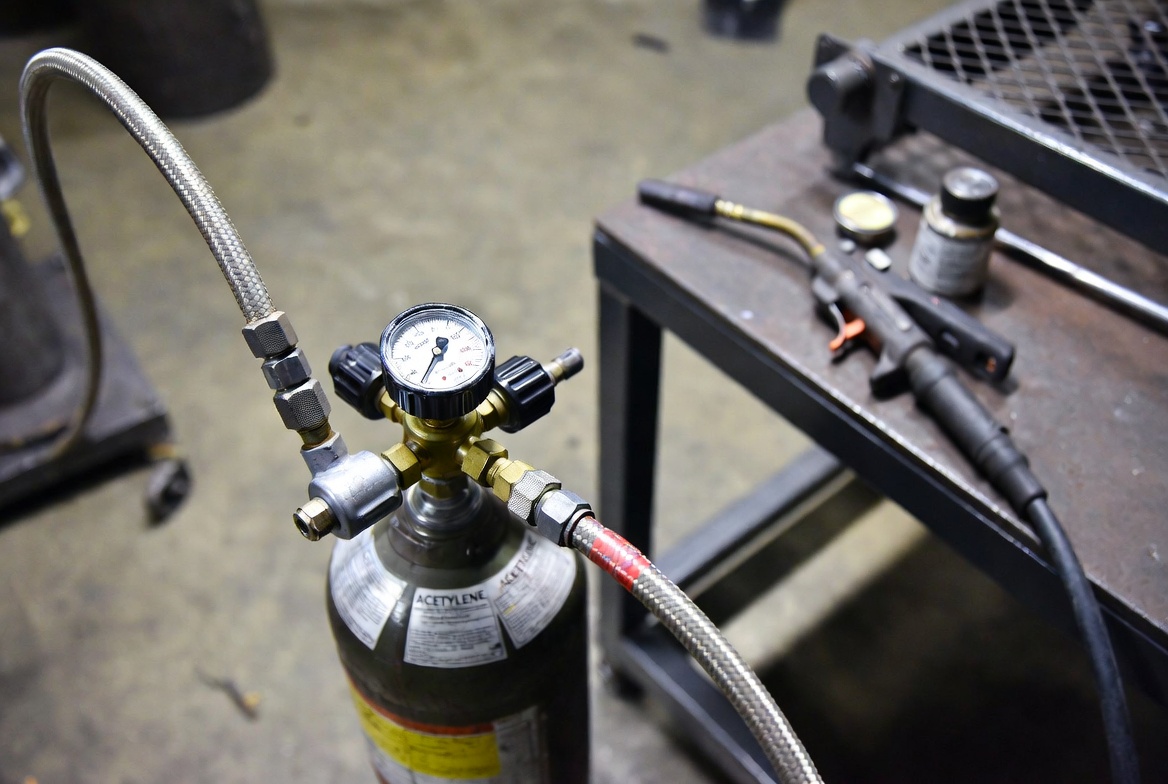
An acetylene regulator is built for a very different job: it controls a fuel gas that is chemically unstable at elevated pressure and must be kept within strict operating limits. Acetylene should never be used at line pressure above 15 psi, and training materials emphasize careful handling, upright cylinder storage, and proper shutdown procedures. That means the acetylene regulator is not just another pressure device; it is a safety-critical control point in the cutting process.
Common acetylene regulator traits
– Designed only for acetylene service.
– Operates within low-pressure limits.
– Typically uses left-hand threaded acetylene connections.
– Supports safe flame formation and fuel delivery.
Direct Comparison Table
| Factor | Oxygen Regulator | Acetylene Regulator |
|---|---|---|
| Gas type | Oxygen, an oxidizer | Acetylene, a fuel gas |
| Main function | Supplies cutting oxygen and preheat oxygen | Supplies fuel for the flame |
| Pressure behavior | Commonly set higher for cutting applications | Must stay at low pressure; never above 15 psi |
| Safety concern | Oil/grease contamination risk | Instability and decomposition risk at excessive pressure |
| Thread direction | Right-hand connection on oxygen side | Left-hand connection on acetylene side |
| Interchangeable? | No | No |
Pressure Settings in Practice
For cutting applications, the oxygen side typically runs at a much higher pressure than the acetylene side, and the exact setting depends on tip size and thickness of the workpiece. Training references commonly show cutting setups such as roughly 20 to 40 psi oxygen and 5 to 10 psi acetylene depending on the tip and job, while emphasizing manufacturer charts as the final authority. The practical lesson is simple: tip size and process matter more than guesswork.
Useful setup rules
1. Match the regulator to the gas cylinder before opening the valve.
2. Crack cylinder valves carefully before attachment and keep the system clean.
3. Set pressure gradually and check for leaks with soapy water.
4. Follow the cutting tip chart for final operating pressure.
5. Never exceed safe acetylene pressure limits.
Safety Differences That Matter
The biggest difference between these regulators is not only pressure range, but risk profile. Oxygen intensifies combustion, so contamination or improper handling can accelerate fire hazards, while acetylene can become unstable if misused or over-pressurized. This is why safety guidance repeatedly stresses dedicated regulators, upright cylinders, no oil or grease, leak testing, and proper shutdown sequences.
Critical safety points
– Never swap oxygen and acetylene regulators.
– Keep regulators free of oil, grease, and dirt.
– Store cylinders upright and separately when possible.
– Use approved leak checks before operation.
– Shut down in the proper order and release line pressure after use.
Expert Buying Guide
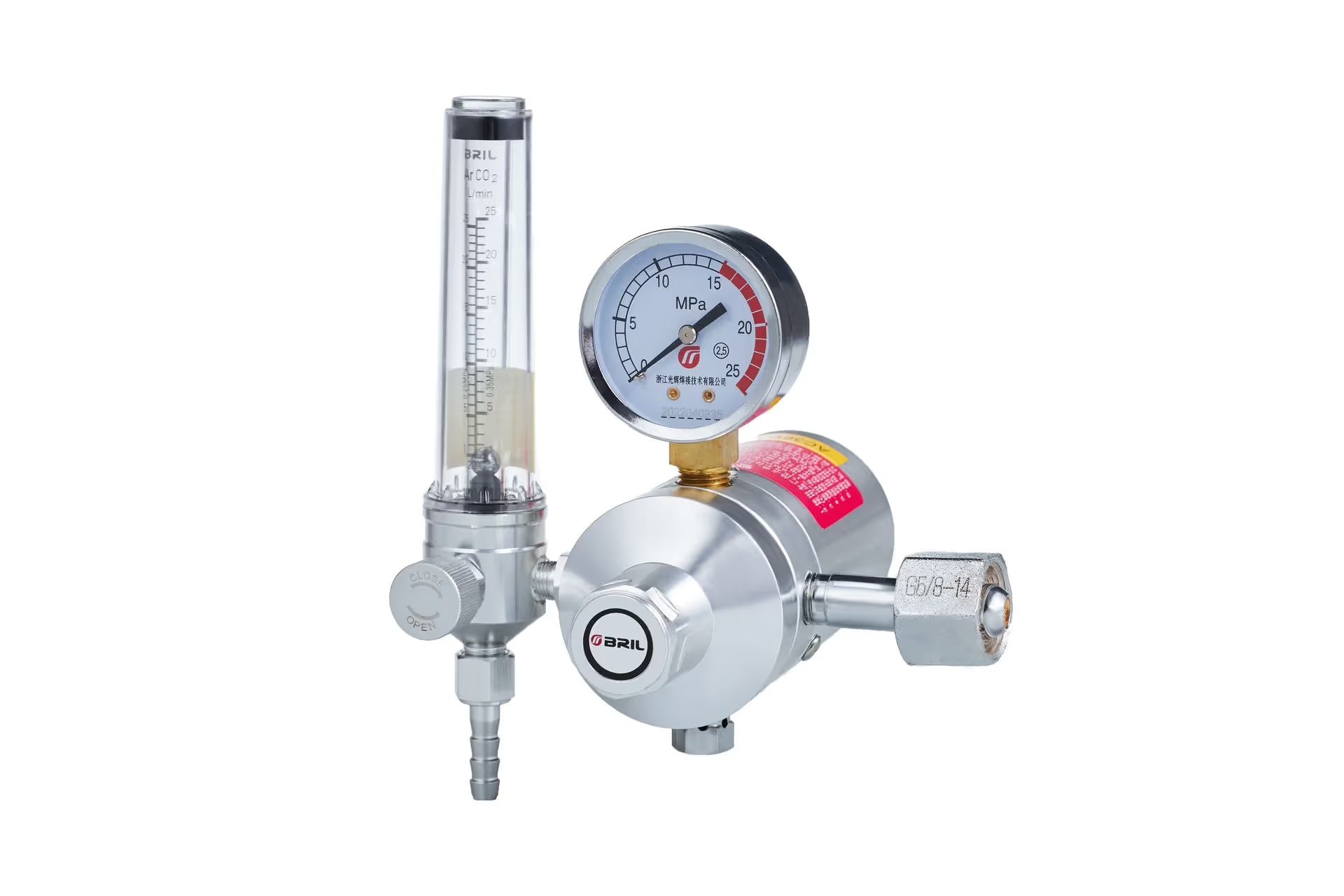
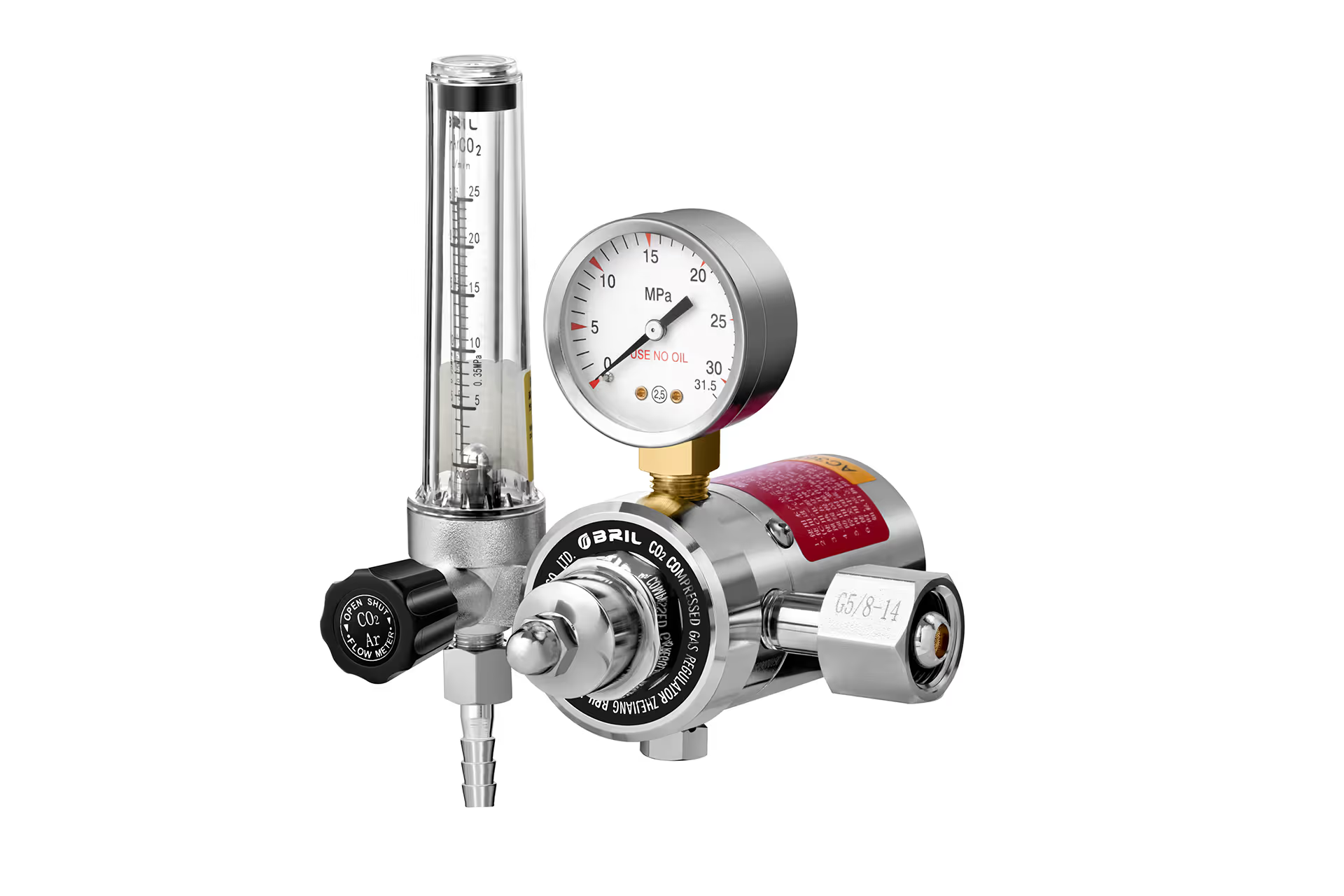
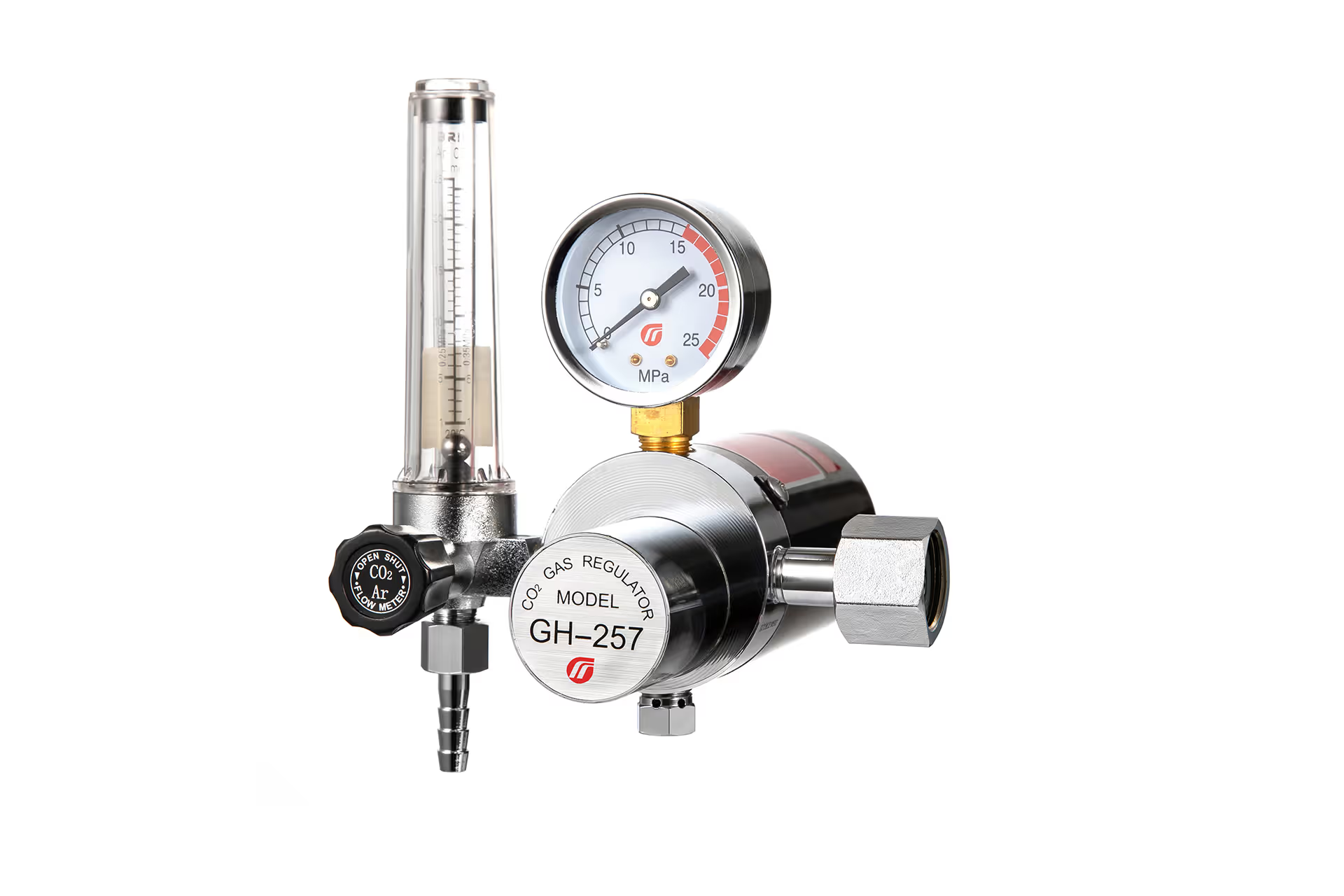
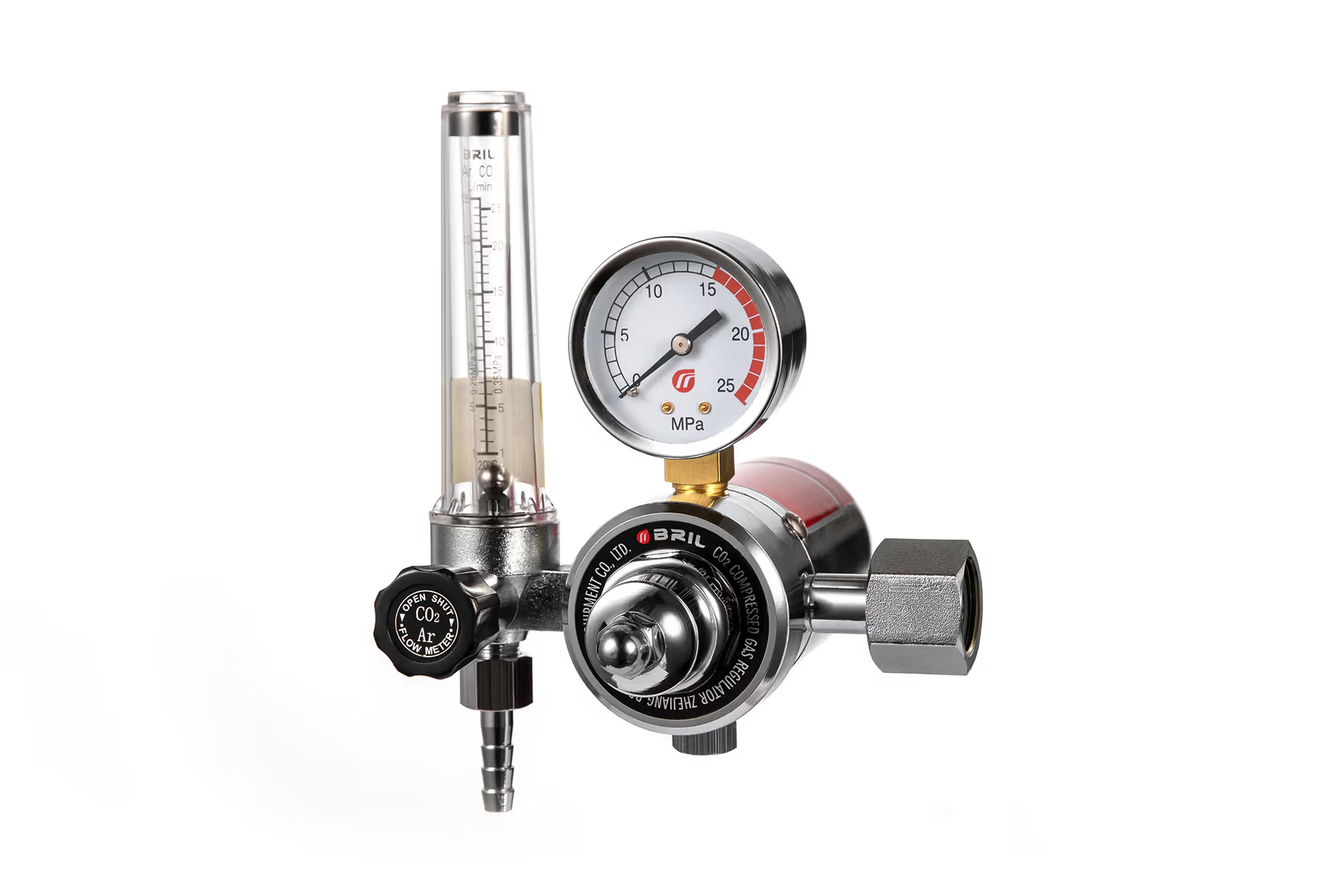
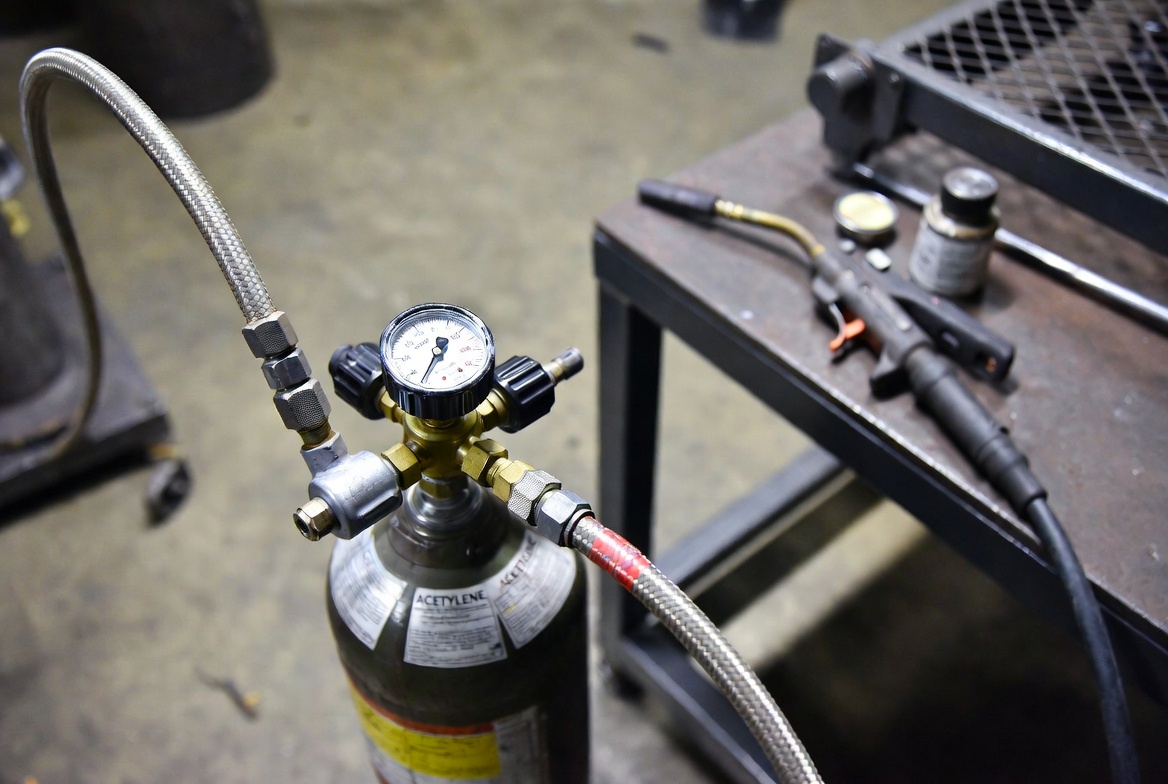
From a manufacturer and supplier perspective, buyers should focus on more than body color or gauge appearance. The important criteria are gas compatibility, stable outlet control, brass quality, seal integrity, gauge readability, thread accuracy, and long-term creep resistance. For OEM and ODM buyers, consistent machining tolerances and reliable sealing performance are especially important because regulator inconsistency can lead to torch instability, customer complaints, and warranty risk.
What industrial buyers should check
– Gas-specific design and certification suitability.
– Stable outlet pressure under repeated use.
– Brass body quality and corrosion resistance.
– Gauge clarity and durable diaphragm performance.
– Leak testing, assembly traceability, and packaging consistency.
– Custom branding, fittings, and region-specific connection requirements.
Industry Insight: What Separates Good From Better
A regulator that “works” is not enough in industrial gas control. In real production, the better products are the ones that maintain pressure stability under changing demand, resist wear, and perform predictably across many cylinders and shifts. For export customers, this matters because a single weak regulator can create downtime, wasted gas, and avoidable safety incidents across an entire workshop or distribution network.
OEM and ODM Value
For overseas brands, wholesalers, distributors, and manufacturers, OEM and ODM services create a major advantage. A custom oxygen regulator or acetylene regulator can be adapted for market-specific threads, gauge layouts, branding, and packaging without changing the core safety logic of the product. This is especially useful for welding supply brands that want a stable supply chain and a clear product line for oxy-fuel cutting applications.
How To Choose Correctly
If the application is oxy-fuel cutting, the simplest rule is this: oxygen regulator for oxygen, acetylene regulator for acetylene. Choose the oxygen regulator for the higher-pressure oxidizing side and choose the acetylene regulator for the low-pressure fuel side, then verify the setting with the cutting tip chart and a leak check. When the system is built correctly, the result is smoother ignition, better flame control, safer operation, and more consistent cutting performance.
FAQ
1. Can I use an oxygen regulator on acetylene?
No. Oxygen and acetylene require dedicated regulators, and safety guidance states that regulators should only be connected to the cylinders they were designed for.
2. Why is acetylene pressure limited?
Acetylene becomes unstable at higher pressure, and safety references warn not to use it above 15 psi at line pressure.
3. Why is oxygen pressure usually higher in cutting?
The oxygen side supplies the cutting jet and preheat support, so it is commonly set higher than the fuel side depending on tip size and material thickness.
4. What is the most important safety check before cutting?
Leak testing all connections and confirming the correct regulator on the correct cylinder are two of the most important steps.
5. Are oxygen and acetylene regulator threads the same?
No. Oxygen and acetylene connections are designed differently to help prevent incorrect installation.
References
1. [Oxy-Fuel Gas Welding — Virginia Tech]
2. [Oxygen And Acetylene Use And Safety — Virginia Department of Energy]
3. [Compressed Gas Regulators for CO2, Oxygen & Nitrogen — Allsafe]
4. [Gas Regulators — Grainger Industrial Supply]
5. [Oxy-Acetylene Pressure Regulators — Rotarex]
6. [Gas Pressure Regulator: Industrial Process Guide — Comet Integrated]
7. [Industrial Gas Regulators — Airgas]
Hot Tags: Oxygen Regulator, Acetylene Regulator, Oxy Fuel Cutting, Oxy Acetylene Cutting, Welding Gas Regulator, Industrial Gas Regulator, Brass Gas Regulator, Gas Pressure Regulator, OEM Gas Regulator, ODM Gas Regulator