Content Menu
● Why Outdoor Welding Exposes Weak Regulators
● FAQ
For outdoor welding, the right regulator is not just a pressure-control accessory. It directly affects arc stability, gas consistency, freeze resistance, safety, and weld quality—especially when CO2 is used in colder or high-flow conditions.
Outdoor Welding Context
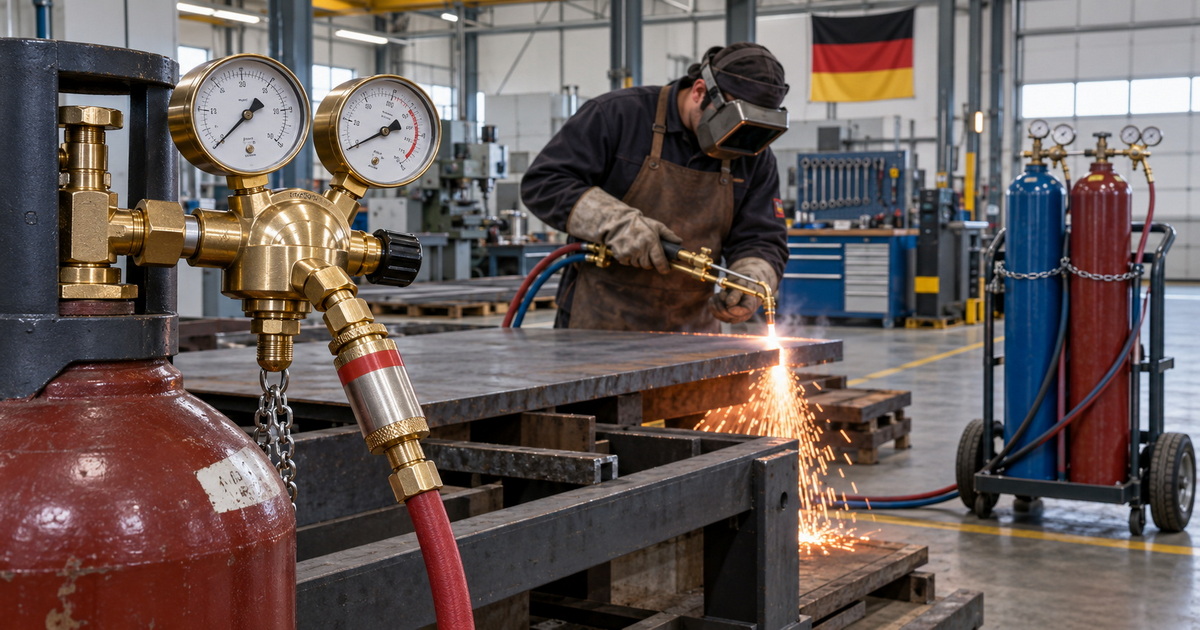
Outdoor welding is harder on gas equipment than indoor work. Low temperatures, wind, long hose runs, and frequent start-stop operation can all cause unstable gas delivery and poor shielding performance.
In this environment, a regulator is not chosen only by gas type. It should also be evaluated by flow stability, anti-freeze performance, inlet pressure capability, maintenance needs, and compliance with international standards.
What Each Regulator Does
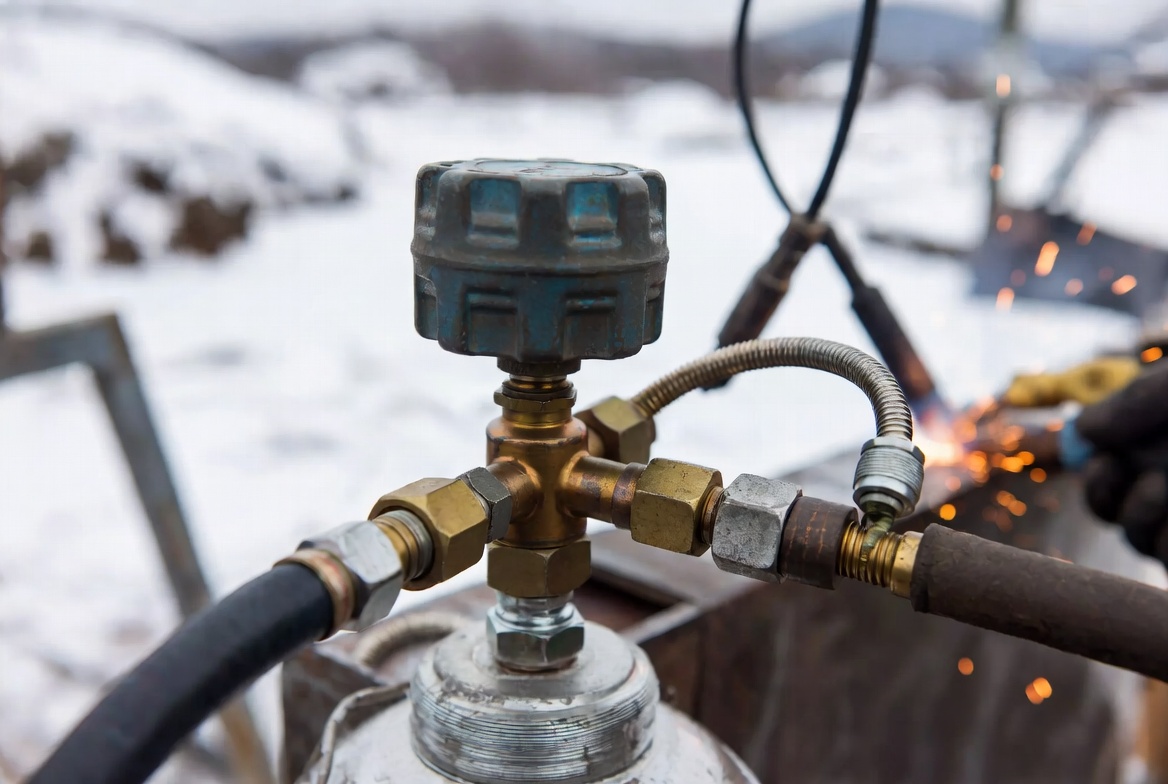
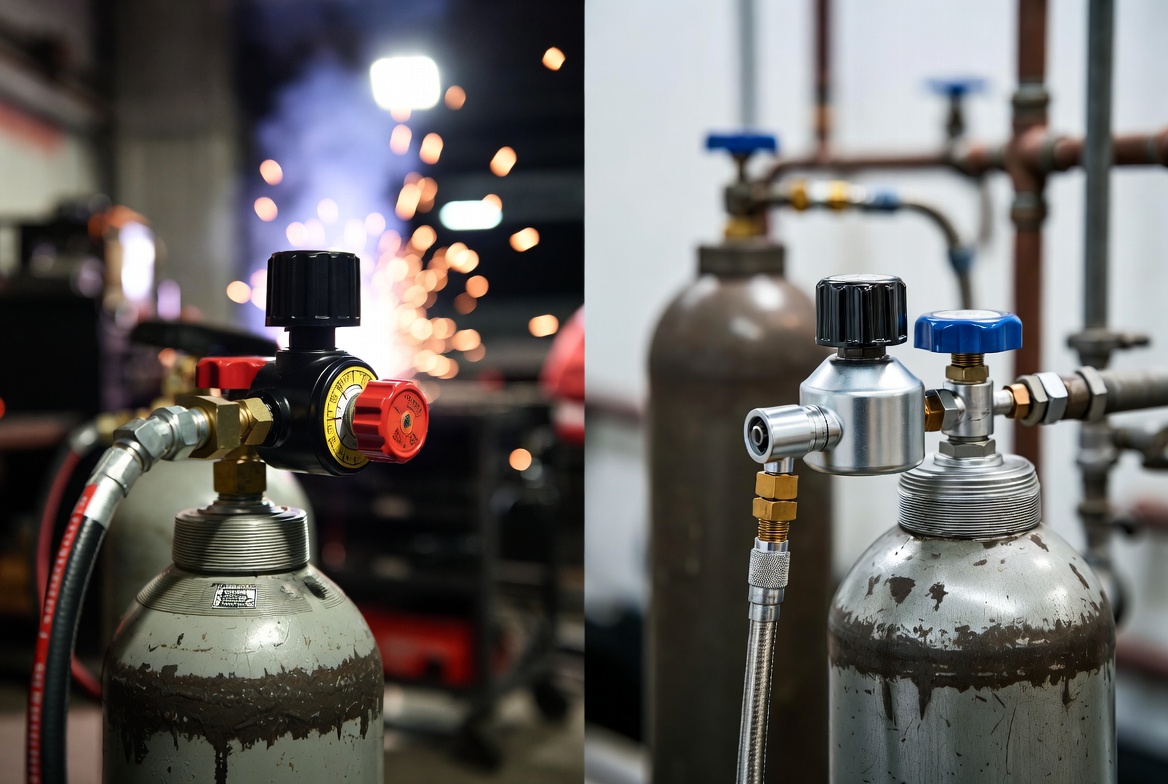
A heater regulator is a CO2 regulator with a heating function designed to reduce the risk of CO2 freezing during expansion. Industry catalog data shows CO2 regulators may require heaters when flow demand rises beyond certain levels, because CO2 can cool rapidly as pressure drops.
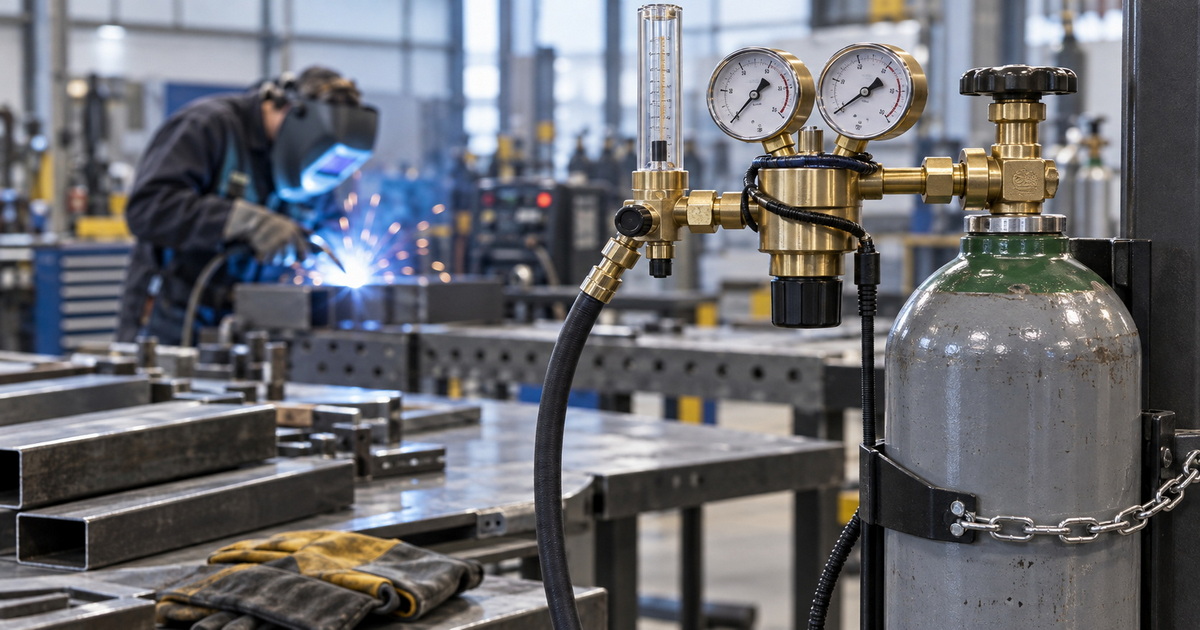
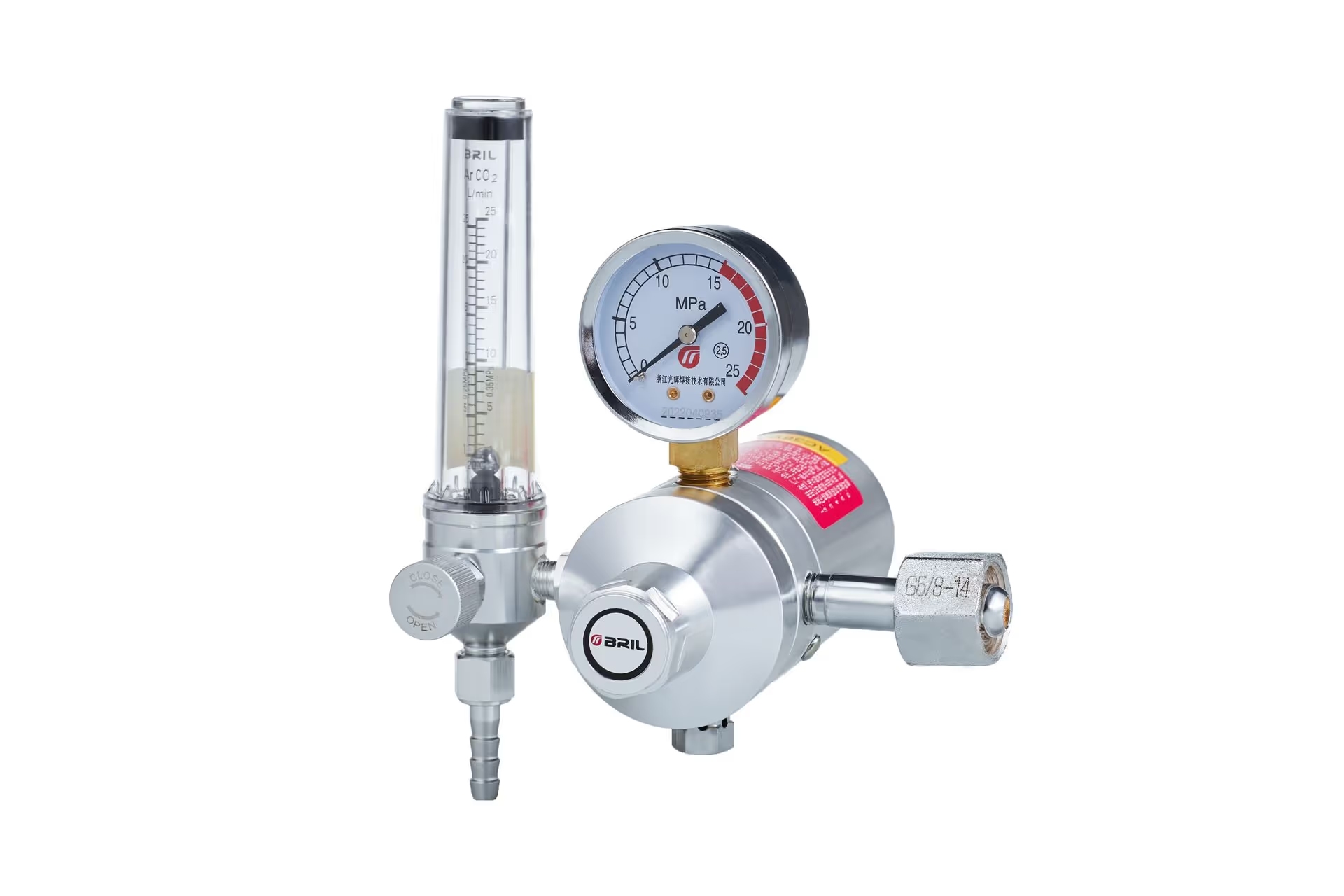
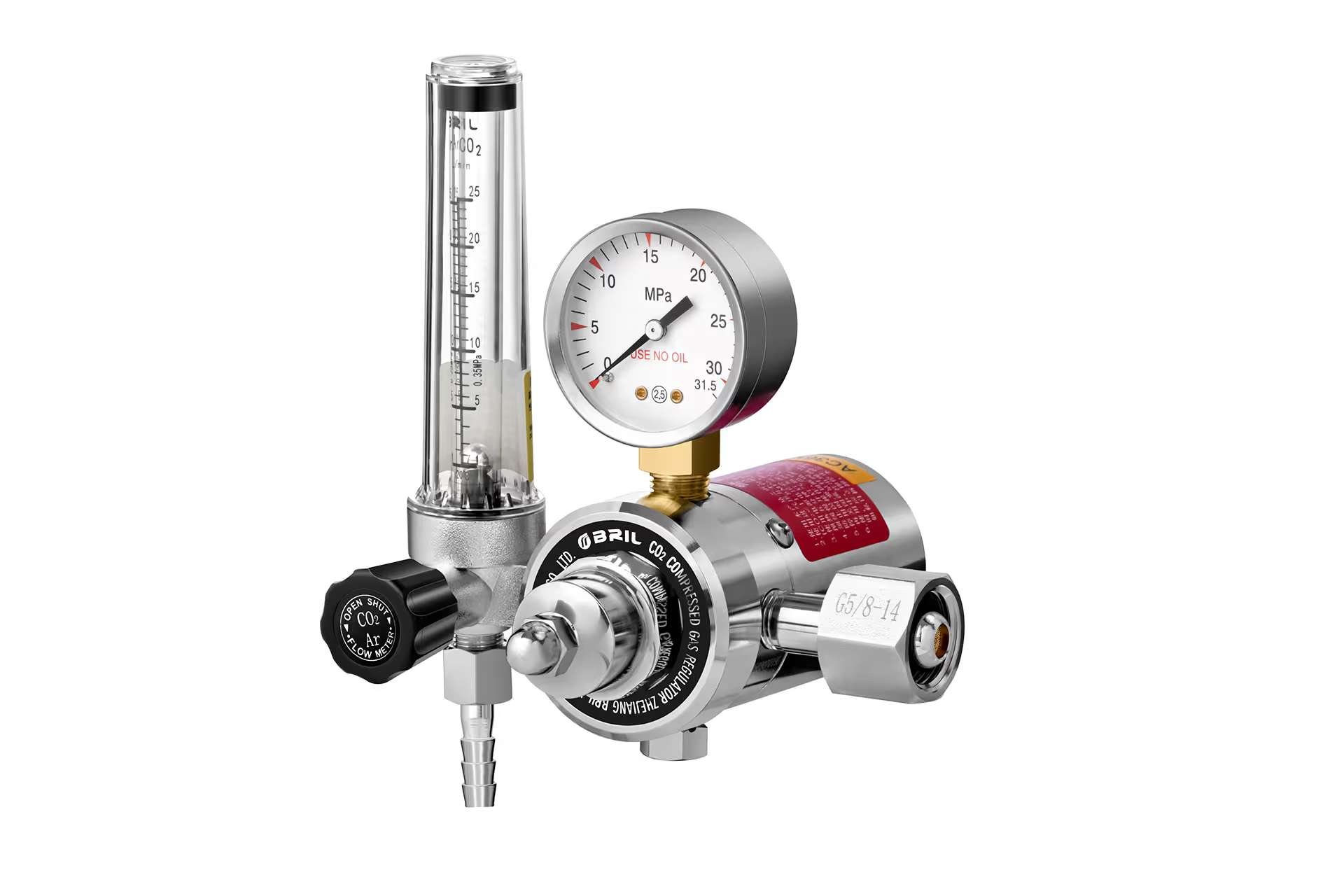
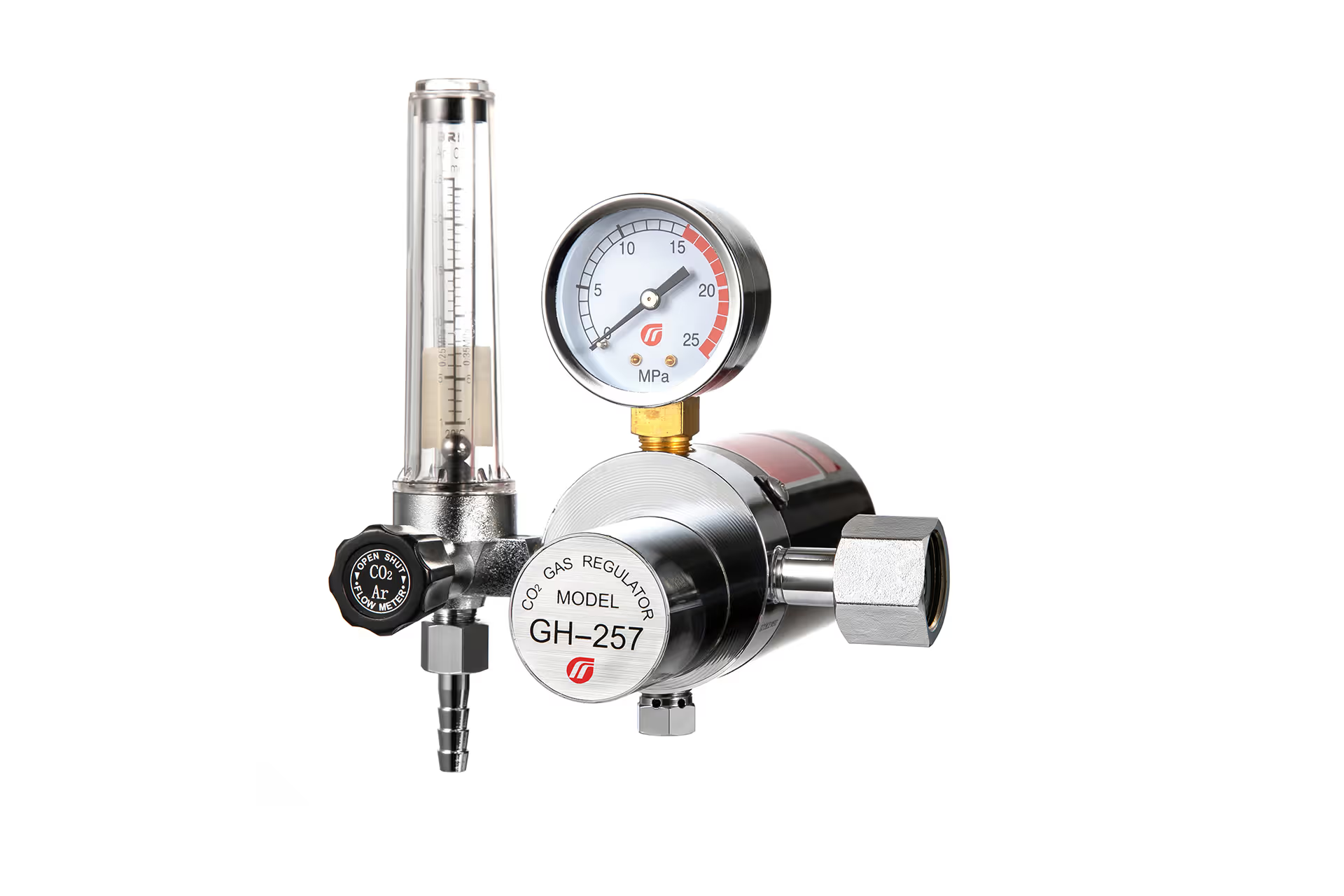
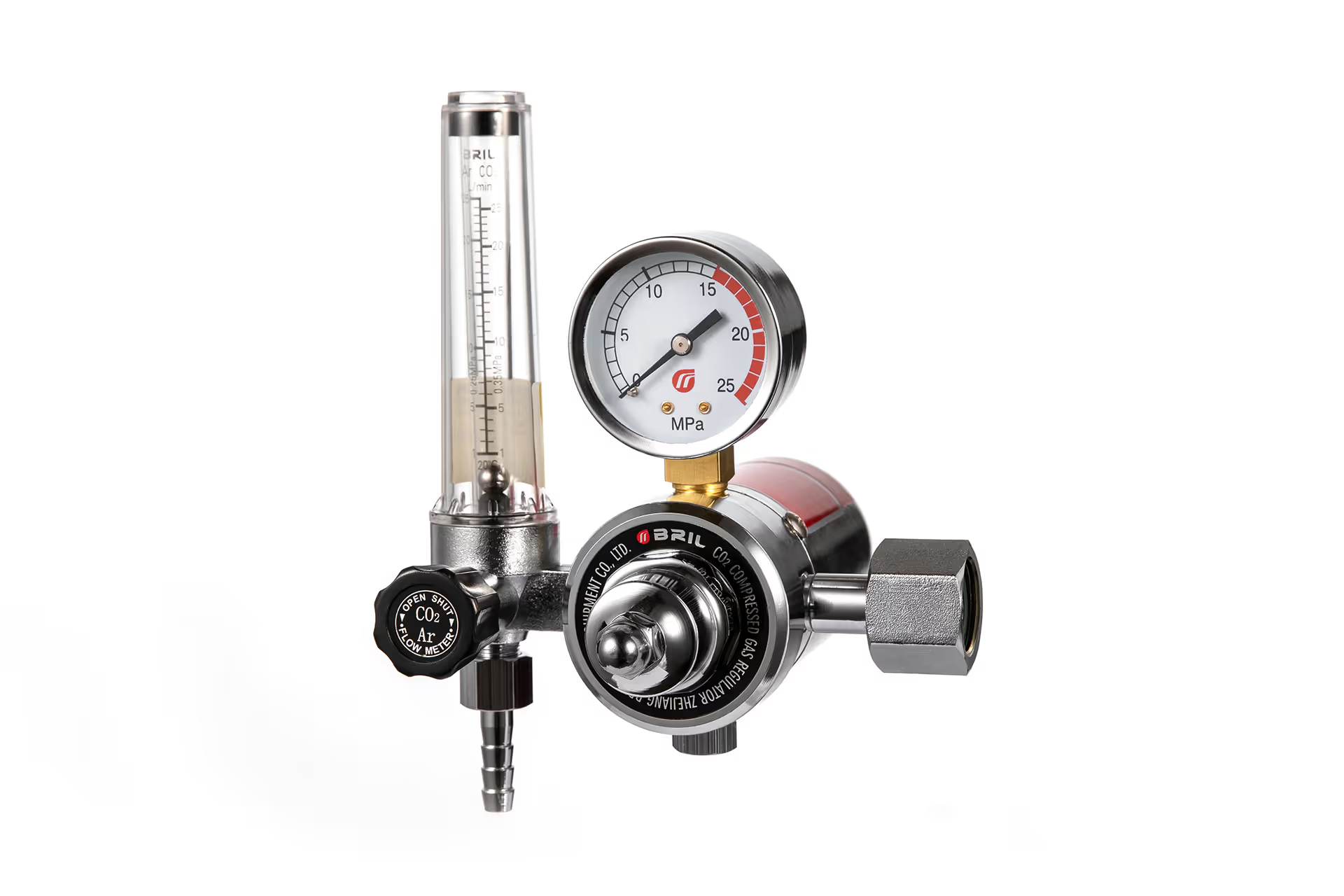
An industrial CO2 regulator is a standard regulator used to reduce cylinder pressure and deliver a controlled flow of CO2 for welding or other industrial gas applications. Premium industrial regulators may use forged brass bodies, stable diaphragms, relief valves, and precision gauge systems to improve delivery consistency.
Core Differences
| Factor | Heater Regulator | Industrial CO2 Regulator |
|---|---|---|
| Main purpose | Prevents freezing and flow instability during CO2 use | Delivers controlled CO2 pressure in normal industrial welding conditions |
| Best use case | Cold weather, high flow, or long-duration outdoor welding | General outdoor welding where flow demand is moderate |
| Risk reduction | Helps reduce regulator icing and pressure drop | Depends on ambient temperature and flow rate |
| Complexity | Higher, because it includes heating elements | Lower, simpler installation and operation |
| Cost | Usually higher | Usually more economical |
| Maintenance | More components to inspect | Easier routine maintenance |
Which One Performs Better
The better choice depends on the job. For cold outdoor welding, high CO2 flow, or long intermittent use, a heater regulator usually performs better because it helps maintain stable gas delivery when freezing risk rises.
For general outdoor welding in mild conditions, an industrial CO2 regulator is often sufficient if it is built with a stable brass body, reliable diaphragm design, and pressure relief protection.
Why Outdoor Welding Exposes Weak Regulators
Outdoor welding equipment works under changing environmental pressure. Wind does not affect regulator pressure directly, but it can increase the need for shielding gas consistency, making flow stability more important.
CO2 regulators are especially sensitive because CO2 expansion can cause cooling inside the regulator. Manufacturer documentation notes that heaters are used to prevent freezing inside the regulator, which is a practical safeguard when gas flow is high.
Stability And Weld Quality
Stable gas delivery supports better weld protection and fewer defects. GCE’s gas-control documentation explains that optimized delivery reduces flow surges, improves weld quality, and helps lower porosity in shielding-gas welding.
For outdoor applications, that means a heater regulator can be valuable when the operator needs consistent shielding gas under demanding conditions. An industrial CO2 regulator can still work well, but only if flow demand and temperature stay within safe operating limits.
Materials And Build Quality
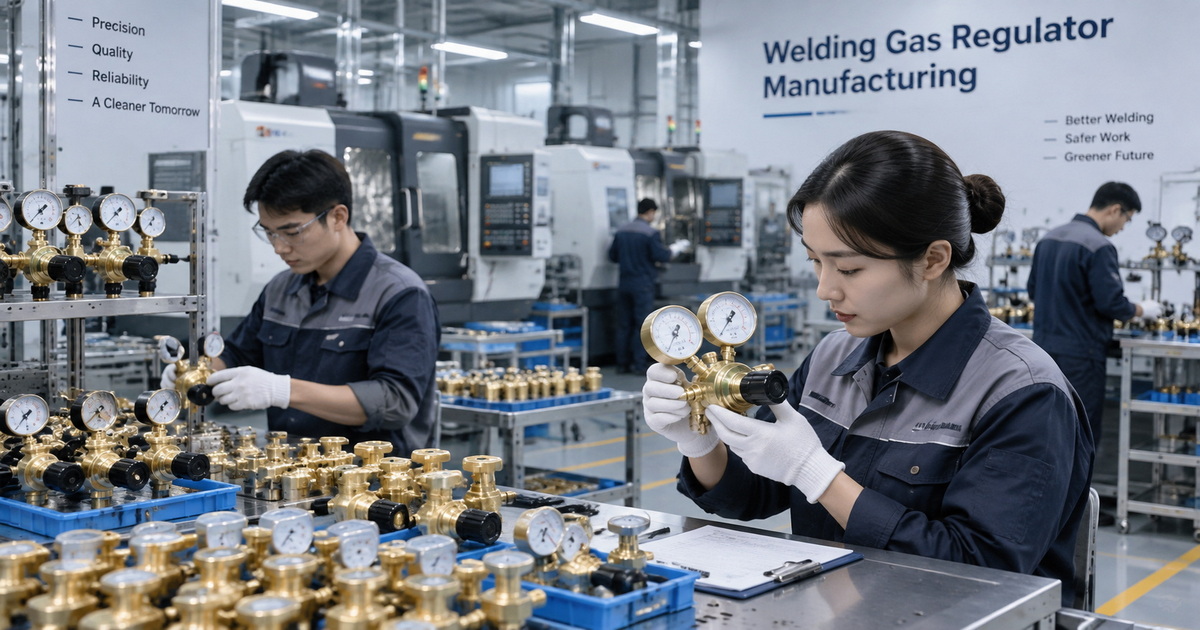
The best outdoor regulators are usually made from forged brass, because brass offers good strength and corrosion resistance in industrial use. The referenced product data also highlights CNC-machined parts, strict inspection, and ISO 9001 quality management, all of which support repeatable performance.
This matters for B2B buyers because outdoor welding equipment often faces transport vibration, rough handling, and repeated cylinder changes. A regulator built for precision manufacturing is more likely to keep pressure control stable over time.
Expert Buying Guide
Use the following checklist when selecting a regulator for outdoor welding:
1. Check gas type compatibility. Confirm that the regulator is designed for CO2 and the intended welding process.
2. Confirm flow demand. Higher flow rates increase the chance of freezing, so heater support becomes more important.
3. Review inlet pressure rating. Industrial models commonly support 200 bar or 300 bar service depending on design.
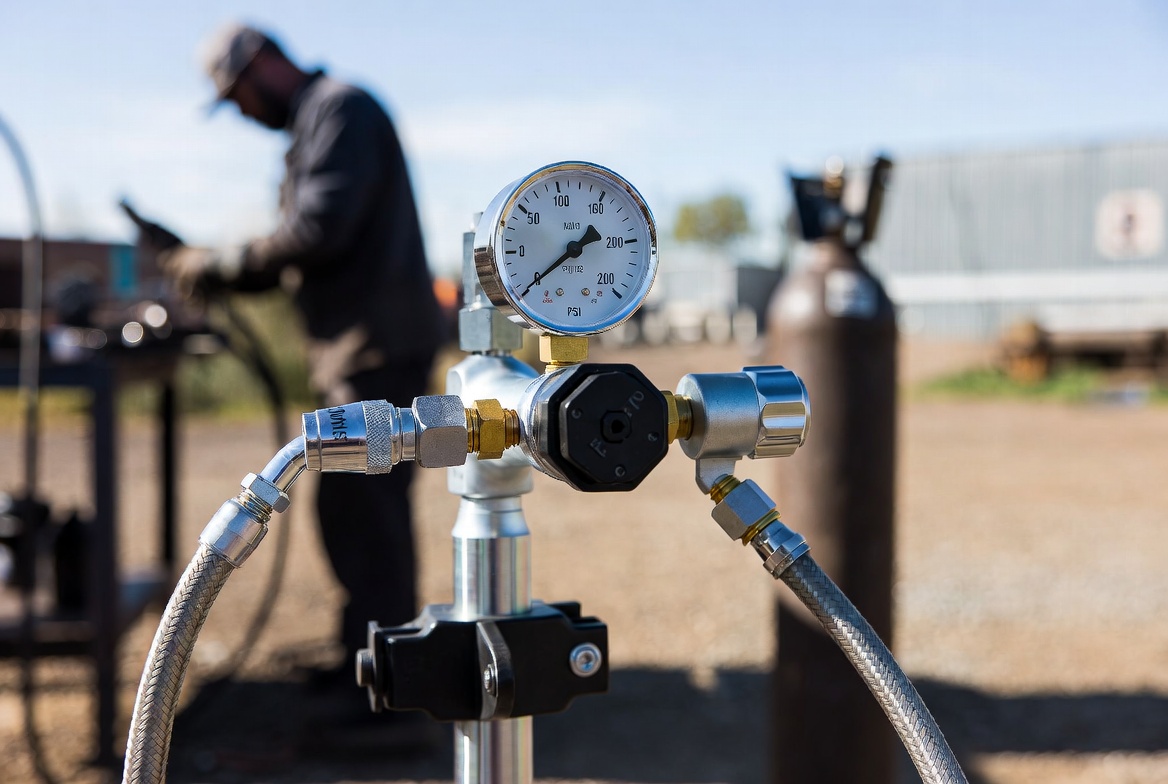
4. Look for safety features. Relief valves, quality gauges, and stable diaphragms improve operational safety.
5. Match the use environment. Cold weather and outdoor work favor heated designs; general shop-to-site work may not need them.
OEM And ODM Value
For overseas brands, wholesalers, and distributors, OEM and ODM support is not just a sourcing option. It helps align regulator specifications with local standards, brand identity, packaging needs, and target market requirements.
If your customers work in outdoor welding, the ability to customize gauge format, inlet/outlet connection, branding, and heating configuration can become a strong sales advantage. That is especially useful in export channels where different markets prefer different standards and cylinder connections.
Recommendation By Use Case
– Choose a heater regulator for cold climates, high-flow CO2 welding, or operations where icing has already been a problem.
– Choose an industrial CO2 regulator for standard outdoor welding where temperature is moderate and gas demand is stable.
– Choose a higher-end precision regulator if weld quality, repeatability, and compliance are top priorities for your customers.
Conclusion
For outdoor welding, the heater regulator is usually the more reliable choice when conditions are cold or flow demand is high. The standard industrial CO2 regulator remains a practical and cost-effective option for normal outdoor work, especially when built to industrial quality standards.
FAQ
1. What is the main difference between a heater regulator and an industrial CO2 regulator?
A heater regulator includes heating support to reduce freezing risk, while an industrial CO2 regulator is a standard pressure-control device for CO2 delivery.
2. Do I always need a heater regulator for outdoor welding?
No. It is most useful in cold weather, high-flow applications, or when CO2 freezing has been a problem.
3. Why does CO2 freeze in a regulator?
As CO2 expands from cylinder pressure to lower delivery pressure, it cools quickly, which can cause icing or unstable flow.
4. Is a brass regulator better for outdoor use?
Brass is widely used because it offers strength, durability, and corrosion resistance in industrial gas control equipment.
5. What should B2B buyers ask before ordering?
They should confirm gas type, inlet pressure, outlet range, required flow, standards, branding needs, and whether heating support is necessary.
References
1. [RICHU Professional manufacture co2 gas regulator with heater]
2. [GCE Cutting and Welding Gas Control Equipment]
3. [Industrial Gas Regulators Global Market Report 2026]
4. [U.S. Industrial Gas Regulator Market Trends, Share & Forecast]
5. [Industrial Gas Regulators Market Size, Share, Growth and Forecast]
Hot Tags: CO2 Regulator, Heater Regulator, Industrial CO2 Regulator, Outdoor Welding, Gas Pressure Regulator, Welding Gas Regulator, CO2 Welding Equipment, Brass Gas Regulator, Industrial Gas Control, OEM ODM Gas Regulator