Content Menu
● Why Cold Environments Change CO₂ Performance
● Heated vs Standard CO₂ Regulator
● When a Standard Regulator Is Enough
● Industry Applications Worth Noting
● OEM and ODM Value for Global Markets
● FAQ
>> 1. Why does a CO₂ regulator freeze in cold environments?
>> 2. Is a heated CO₂ regulator always better?
>> 3. Can a standard regulator be used outdoors in winter?
>> 4. What industries benefit most from heated CO₂ regulators?
>> 5. What should OEM buyers ask before placing an order?
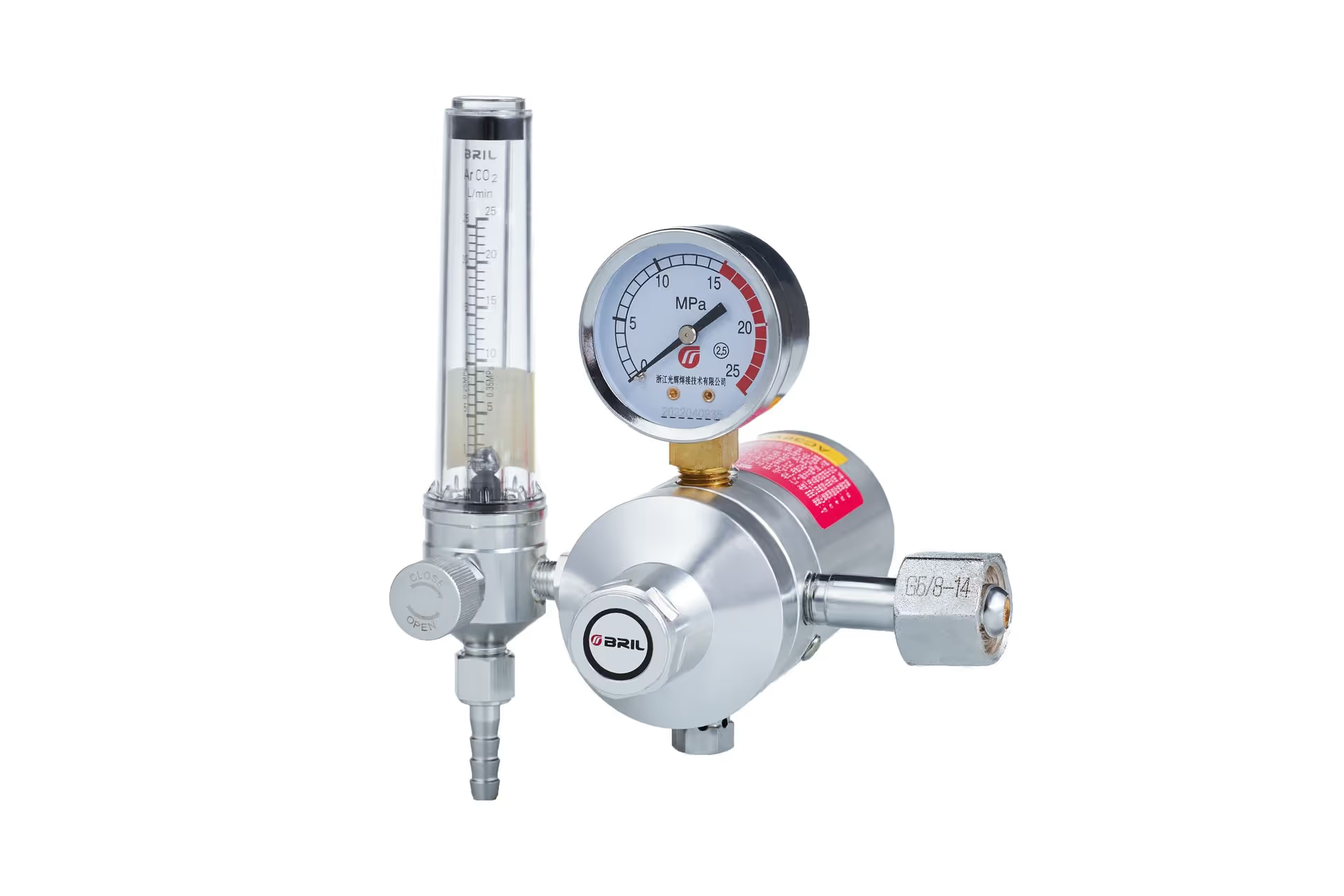
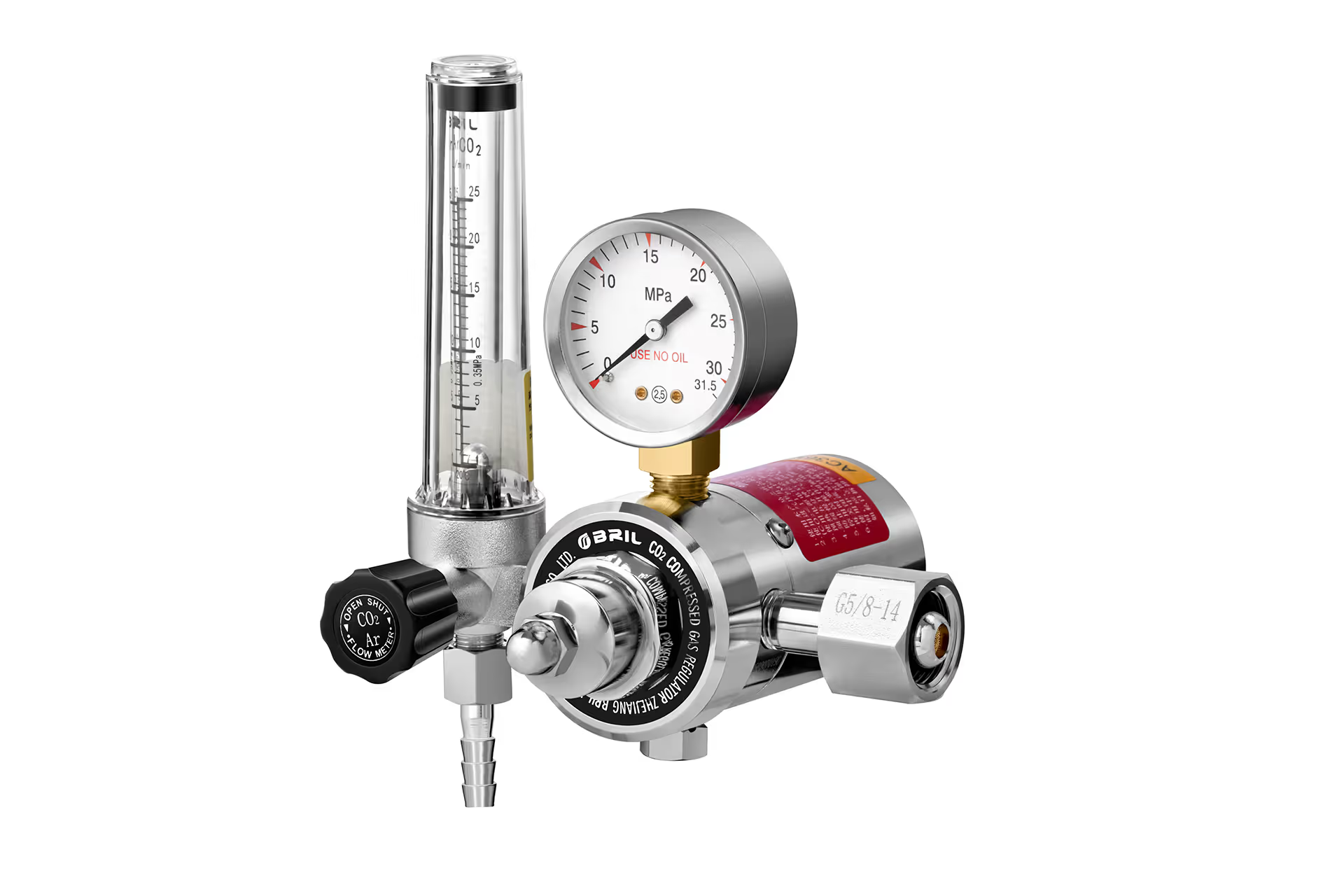
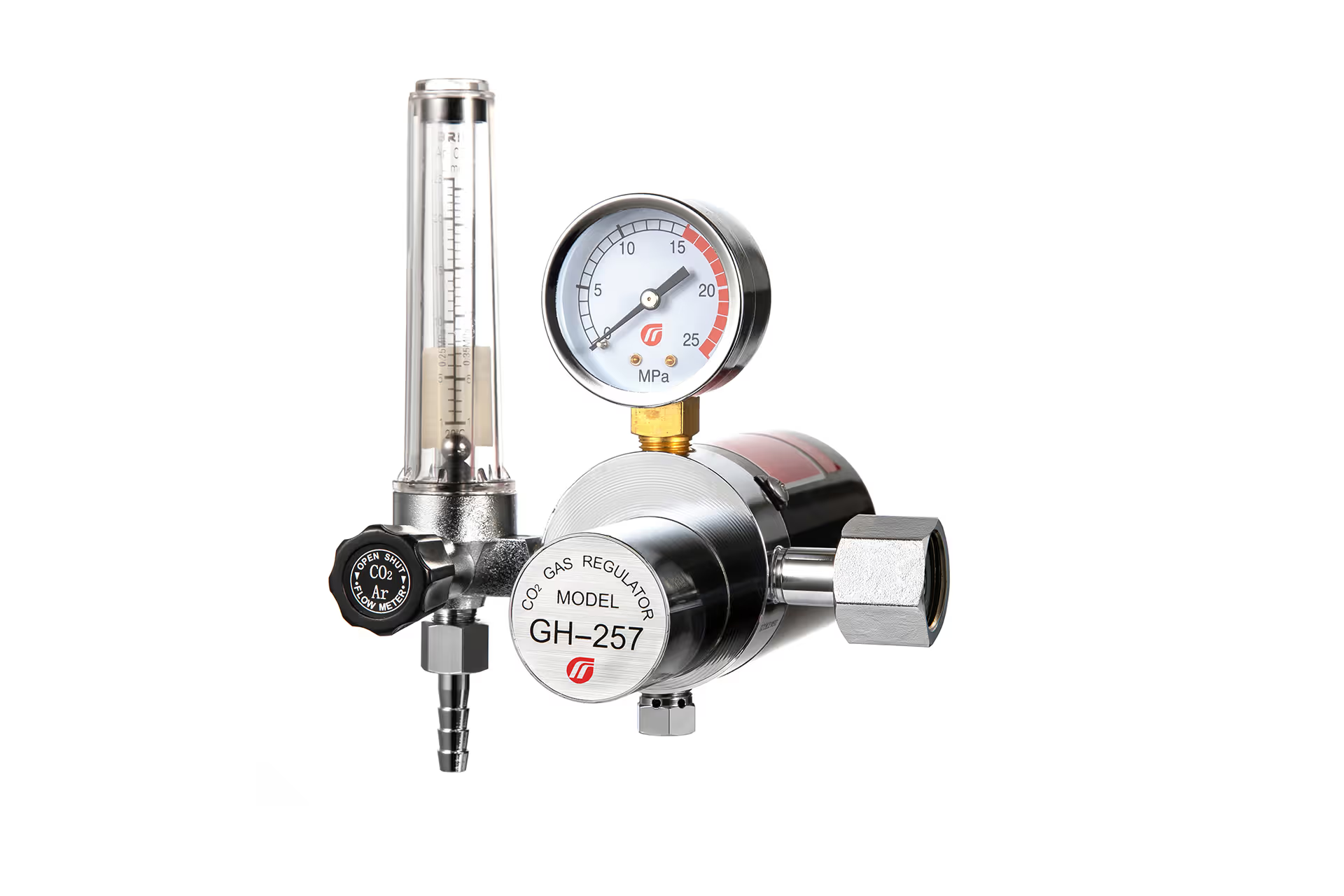
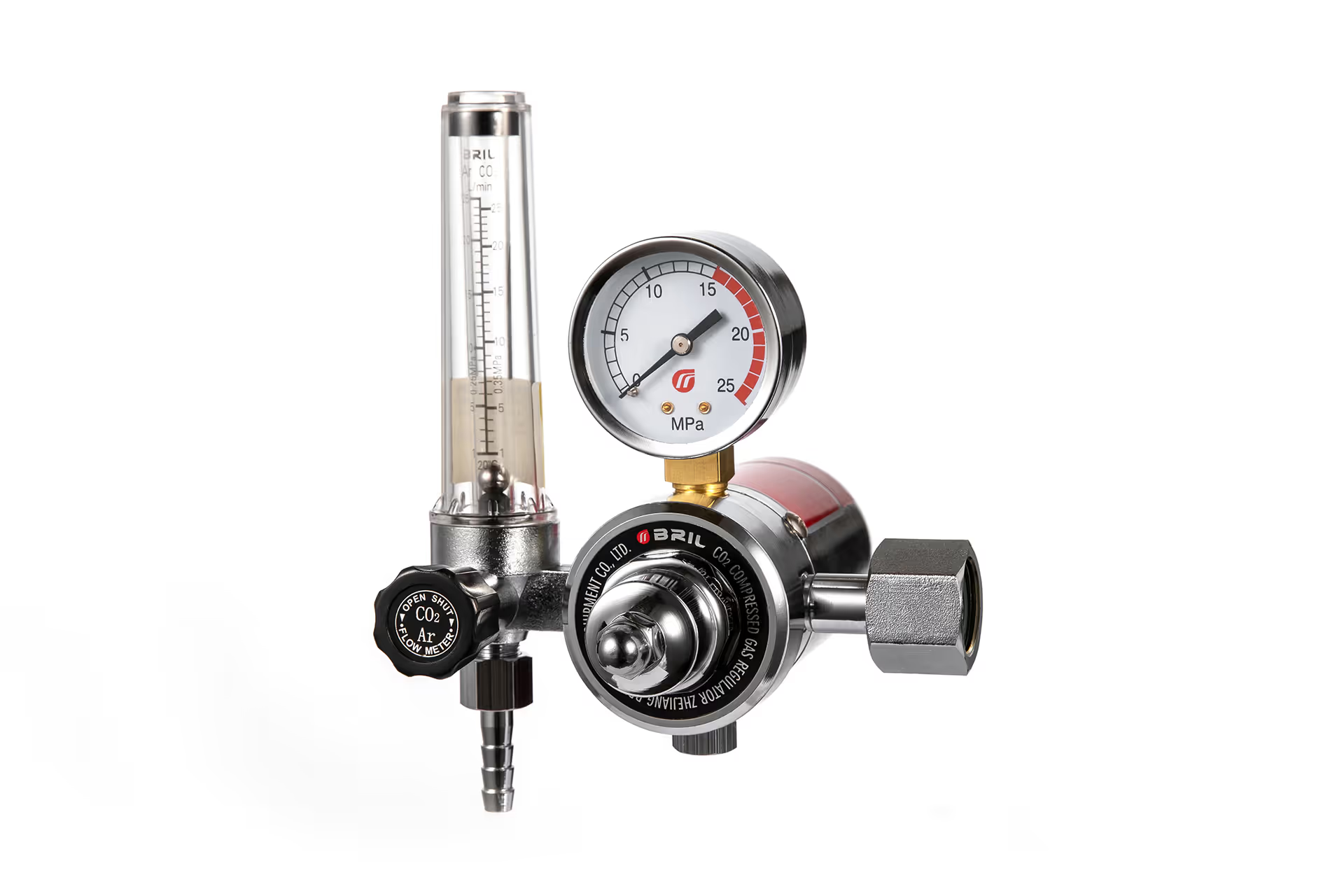
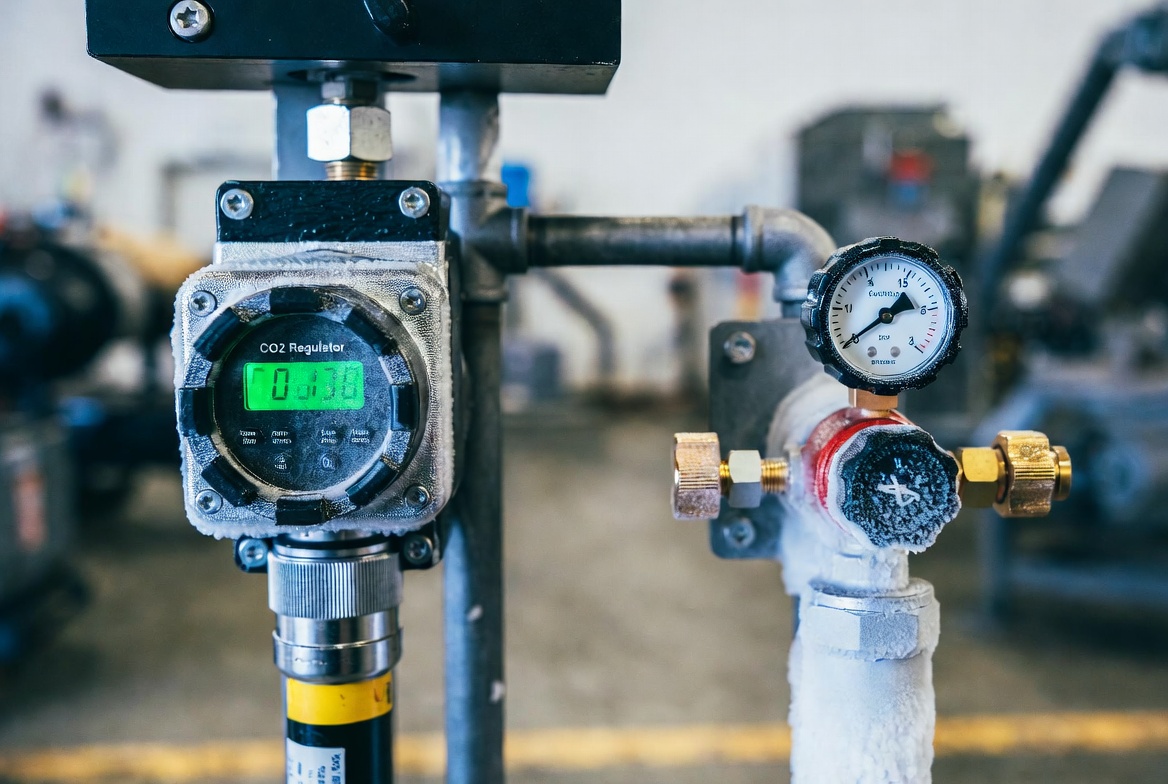
A heated CO₂ regulator is built to keep gas flow stable when temperature drops and CO₂ is used at higher demand. A standard CO₂ regulator can work well in normal conditions, but in cold environments it is more likely to show pressure fluctuation, frost buildup, and freeze-up risk.
Why Cold Environments Change CO₂ Performance
CO₂ behaves differently in low temperatures because cylinder pressure falls as temperature drops, and rapid pressure reduction inside the regulator can create extreme cooling. In practice, this means the same system can behave very differently on a mild day versus a cold warehouse, outdoor jobsite, or refrigerated production area.
For manufacturers, distributors, and welding users, this is not a small detail. It affects gas delivery consistency, arc stability, production uptime, and the lifespan of the regulator itself.
Heated vs Standard CO₂ Regulator
| Factor | Heated CO₂ Regulator | Standard CO₂ Regulator |
|---|---|---|
| Cold-weather stability | Better for low temperature and continuous flow use | Suitable for normal conditions, but more prone to freeze-up |
| Internal icing risk | Lower, because heating helps prevent ice formation | Higher under heavy flow or prolonged use |
| Pressure consistency | More stable in demanding applications | Can fluctuate more as temperature and demand change |
| Best use case | Production welding, high-flow CO₂, cold rooms, harsh climates | General-purpose welding and industrial gas use in moderate environments |
| System complexity | Higher, due to heater component and power requirement | Simpler and easier to deploy |
How Heated Regulators Work
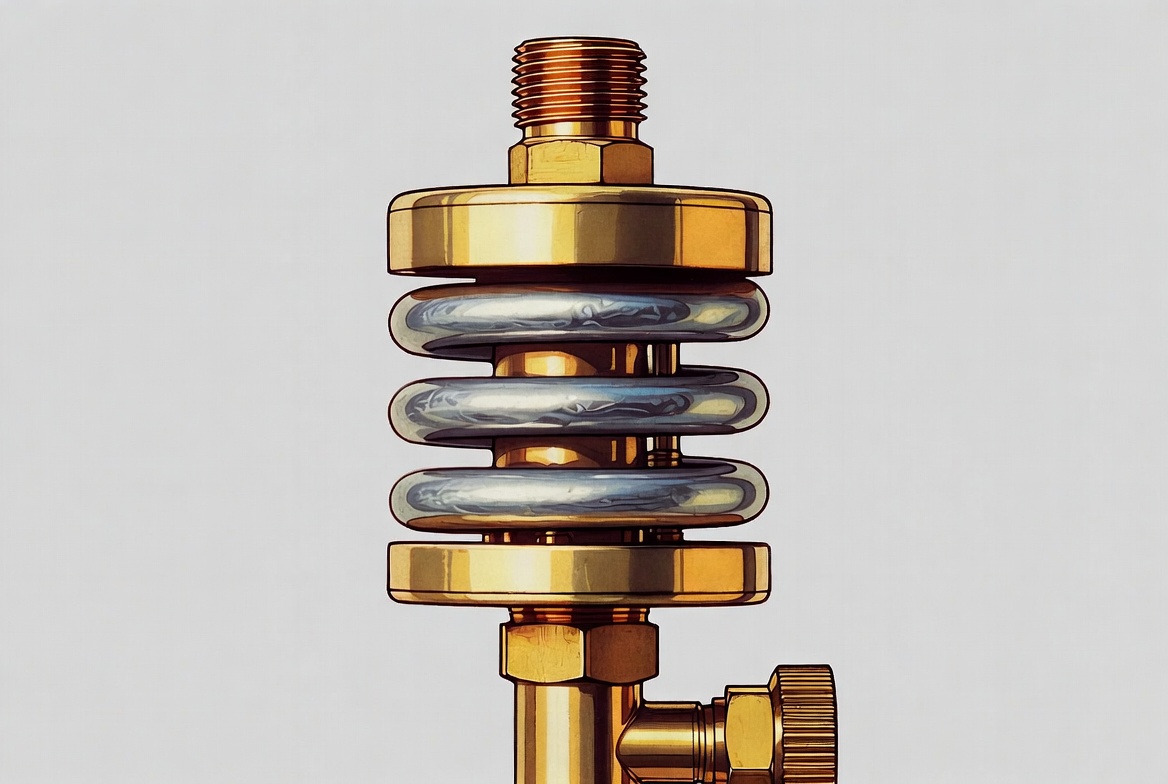
Heated CO₂ regulators are designed to reduce the chance of internal freeze-up caused by rapid gas expansion. By maintaining operating temperature, they help CO₂ stay in a usable state as it moves through the regulation stage.
This matters because freeze-up is not just surface frost. Internal icing can restrict flow, interrupt welding, and create unstable output pressure. In severe cases, it can block flow completely.
From a product engineering view, this is where precision manufacturing becomes essential. A regulator with stable sealing, accurate pressure control, and reliable thermal management will perform far better in demanding environments than a basic unit with no anti-freeze design.
When a Standard Regulator Is Enough
A standard CO₂ regulator remains a practical choice when the gas is used intermittently, the ambient temperature is moderate, and the flow demand is not extreme. Many industrial gas users only need basic pressure reduction and steady output under normal operating conditions.
It is also the better option when buyers want lower cost, fewer components, and simpler maintenance. For wholesalers and OEM buyers, this often makes the standard model attractive for broad-market distribution.
However, a standard model is not the best choice if the application involves long welding cycles, outdoor winter work, or repeated high-flow use. In those cases, the risk of freeze-up becomes a real operational issue.
Industry Applications Worth Noting
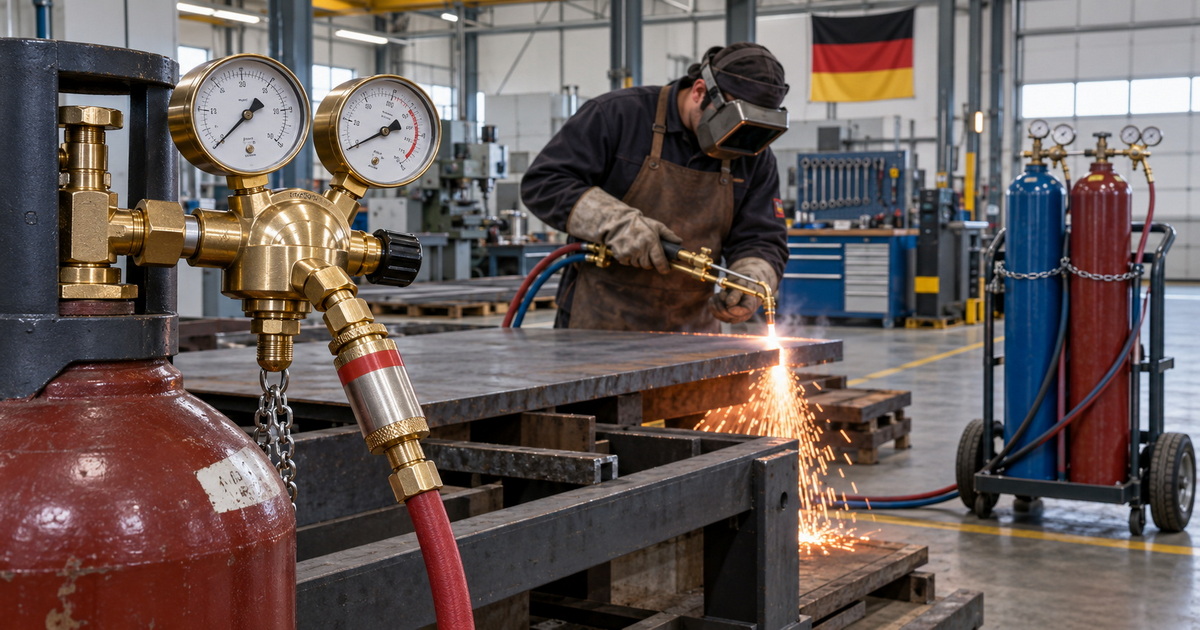
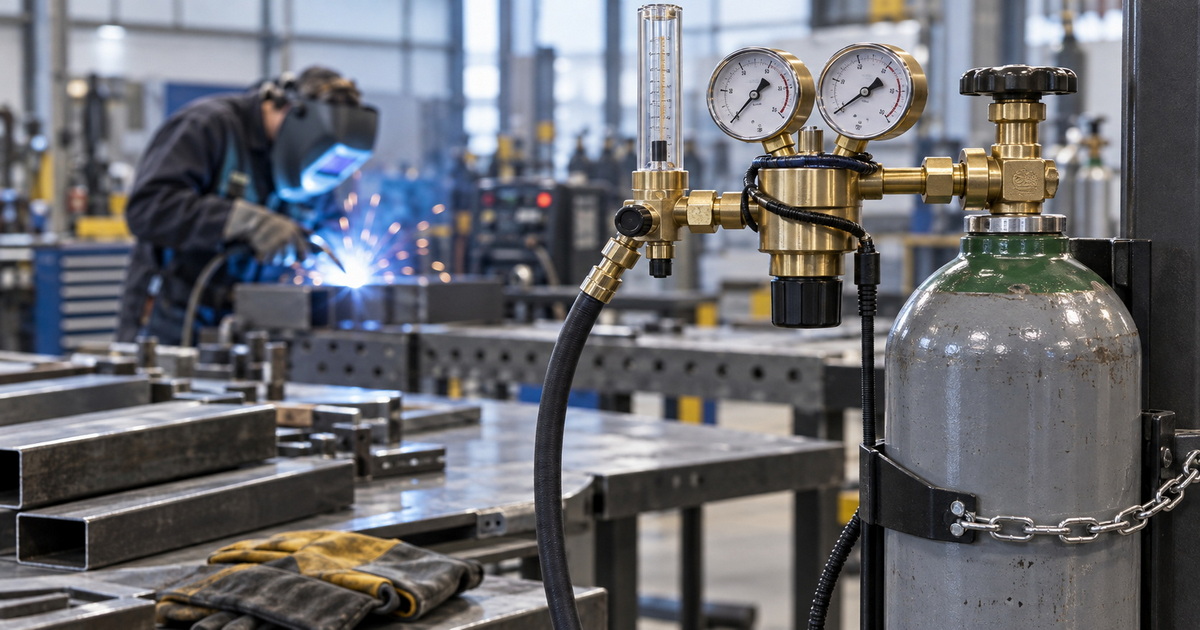
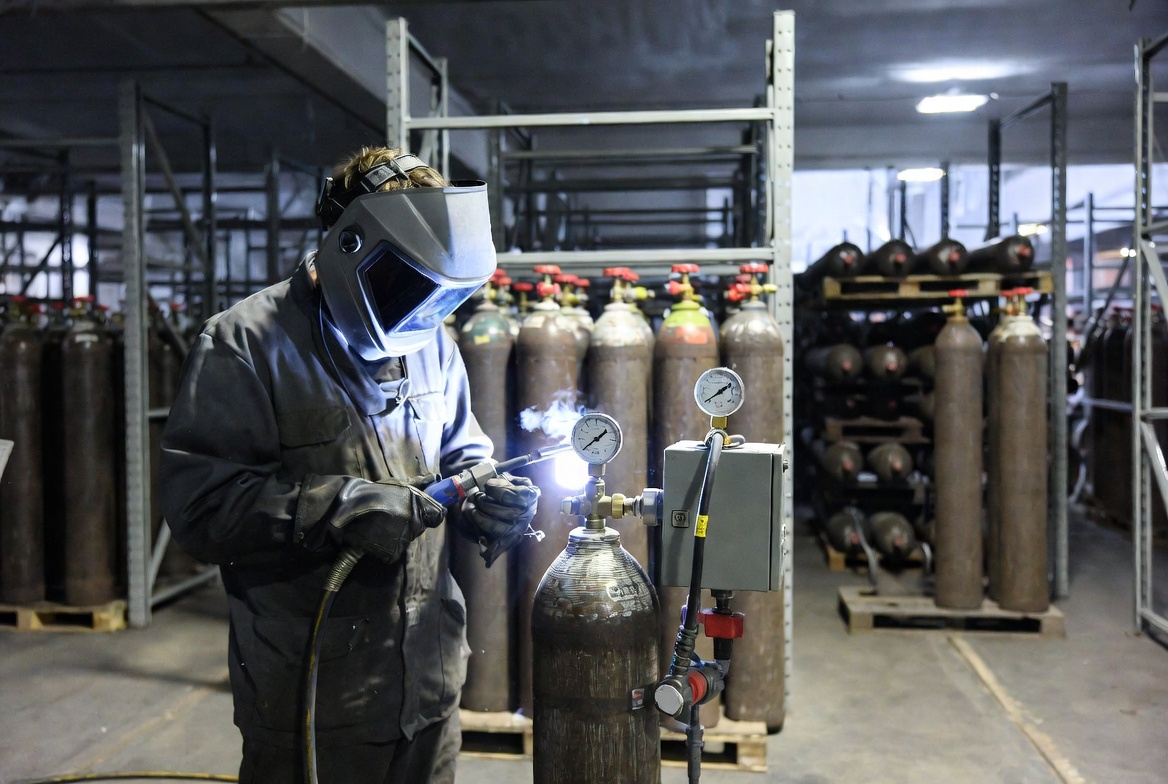
In welding and cutting, stable CO₂ flow directly affects arc quality and productivity. If the regulator cannot keep output steady, operators may see inconsistent shielding, poor bead appearance, or interruptions during long runs.
For industrial gas supply, the same principle applies to logistics and uptime. Cold storage areas, outdoor fabrication lines, and export markets with winter climates often need a more robust solution than a standard regulator can provide.
For OEM and ODM projects, this creates a clear product segmentation opportunity. You can position standard regulators for general-purpose use and heated regulators for cold-climate, high-duty, and premium industrial applications.
Expert Selection Guide
Choose a heated CO₂ regulator if:
1. The application runs for long periods with continuous or high CO₂ demand.
2. The regulator will be used in cold weather, outdoor jobsites, or refrigerated environments.
3. Downtime, freeze-up, or output instability would be costly.
4. The customer expects premium performance and stronger cold-weather reliability.
Choose a standard CO₂ regulator if:
1. The gas use is light to moderate.
2. The environment is controlled and not regularly cold.
3. The buyer wants a simpler and more economical solution.
4. The application does not require heating support.
What Buyers Should Inspect
Before purchasing, industrial buyers should check more than just inlet and outlet pressure ratings. They should also examine brass quality, sealing performance, flow consistency, thermal behavior, and the factory’s inspection standards.
A practical procurement checklist should include:
– Stable pressure control under real operating conditions.
– Anti-freeze performance for cold-weather applications.
– Brass material quality and machining precision.
– Compatibility with welding, cutting, and industrial CO₂ systems.
– OEM/ODM customization options for branding and regional standards.
OEM and ODM Value for Global Markets
For overseas brands, wholesalers, and distributors, the real advantage is not just product supply. It is the ability to match the right regulator design to the target market, duty cycle, and climate conditions.
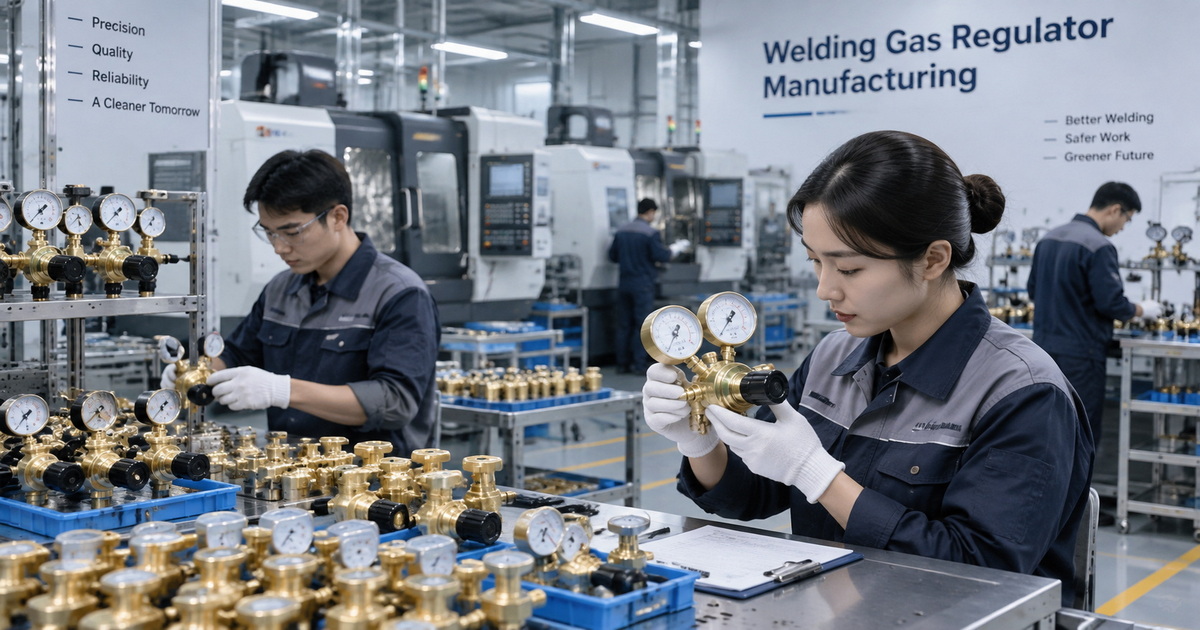
A manufacturer with OEM and ODM capability can support custom pressure ranges, fitting types, labeling, packaging, and performance requirements. That is especially important for gas control products, where safety, consistency, and field reliability matter more than appearance alone.
Practical Takeaway
The choice is simple: a heated CO₂ regulator is the stronger option for cold environments, heavy-duty welding, and applications where freeze-up cannot be tolerated. A standard CO₂ regulator is still a smart, cost-effective solution for moderate conditions and general industrial use.
For B2B buyers, the best strategy is to segment products by climate, duty cycle, and end-use market. That approach improves performance, reduces complaints, and creates a cleaner product lineup for export customers.
FAQ
1. Why does a CO₂ regulator freeze in cold environments?
Because CO₂ expands rapidly as pressure drops inside the regulator, which can cool internal parts enough to create frost or dry ice buildup.
2. Is a heated CO₂ regulator always better?
No. It is better for cold, high-demand, or continuous-use situations, but a standard regulator is often enough for normal conditions.
3. Can a standard regulator be used outdoors in winter?
Yes, but performance may become less stable if flow demand is high or the temperature is very low.
4. What industries benefit most from heated CO₂ regulators?
Welding, cutting, production fabrication, cold-room gas use, and other industrial applications that need steady CO₂ delivery in harsh conditions.
5. What should OEM buyers ask before placing an order?
They should confirm pressure range, brass material grade, anti-freeze performance, inspection standards, and customization options for their target market.
References
– [Compressed Gas Regulators for CO2, Oxygen & Nitrogen]: general regulator function and industrial supply context. [allsafe]
– [Specialty Gas Regulators]: specialty gas regulator applications and pressure reduction function. [lindecanada]
– [OEM Welding Gas Regulator Manufacturer]: OEM/ODM positioning, ISO and certification context. [chinesewelding]
– [Regulators – Nippon Sanso Matheson]: regulator material and single-stage/dual-stage design context. [us.nipponsanso]
– [Carbon Dioxide Regulators Freezing]: CO₂ freeze-up mechanism and heated regulator solution. [genstartech]
– [Guide to Regulators]: dual-stage regulator stability benefits. [chemistry.osu]
– [Co2 Heaters & Regulators]: heated flowmeter/regulator use in high-demand environments. [arc-zone]
Hot Tags: Heated CO2 Regulator, Standard CO2 Regulator, Cold Environment, CO2 Regulator Freeze Up, Gas Pressure Stability, Welding Gas Regulator, Industrial Gas Control, Dual Stage Gas Regulator, OEM ODM Regulator, Brass Gas Regulator