Content Menu
● What a Beverage CO₂ Regulator Does
● When Dual Gauge Is the Better Choice
● FAQ
>> 1. What is the main difference between dual gauge and single gauge CO₂ regulators?
>> 2. Is a dual gauge regulator better for draft beer?
>> 3. Can a single gauge regulator work for beverage dispensing?
>> 4. Why does pressure stability matter in beverage systems?
>> 5. Which regulator is better for OEM beverage projects?
>> 6. What material is commonly used for CO₂ regulators?
In beverage dispensing, the choice between a CO₂ dual gauge regulator and a single gauge regulator affects pressure visibility, stability, and day-to-day operating convenience. For draft beer, soda, and other carbonated drink systems, the right regulator helps maintain consistent pour quality, protect equipment, and reduce waste.
What a Beverage CO₂ Regulator Does
A CO₂ regulator lowers high cylinder pressure to a usable outlet pressure for dispensing systems. In beverage applications, this pressure must stay stable enough to preserve carbonation and deliver a clean, repeatable pour. That is why operators often compare gauge layouts before choosing a regulator.
A well-selected regulator also supports safer operation by making it easier to monitor cylinder status and delivery pressure. For commercial beverage systems, that visibility matters because inconsistent pressure can lead to foaming, weak pours, or over-carbonation.
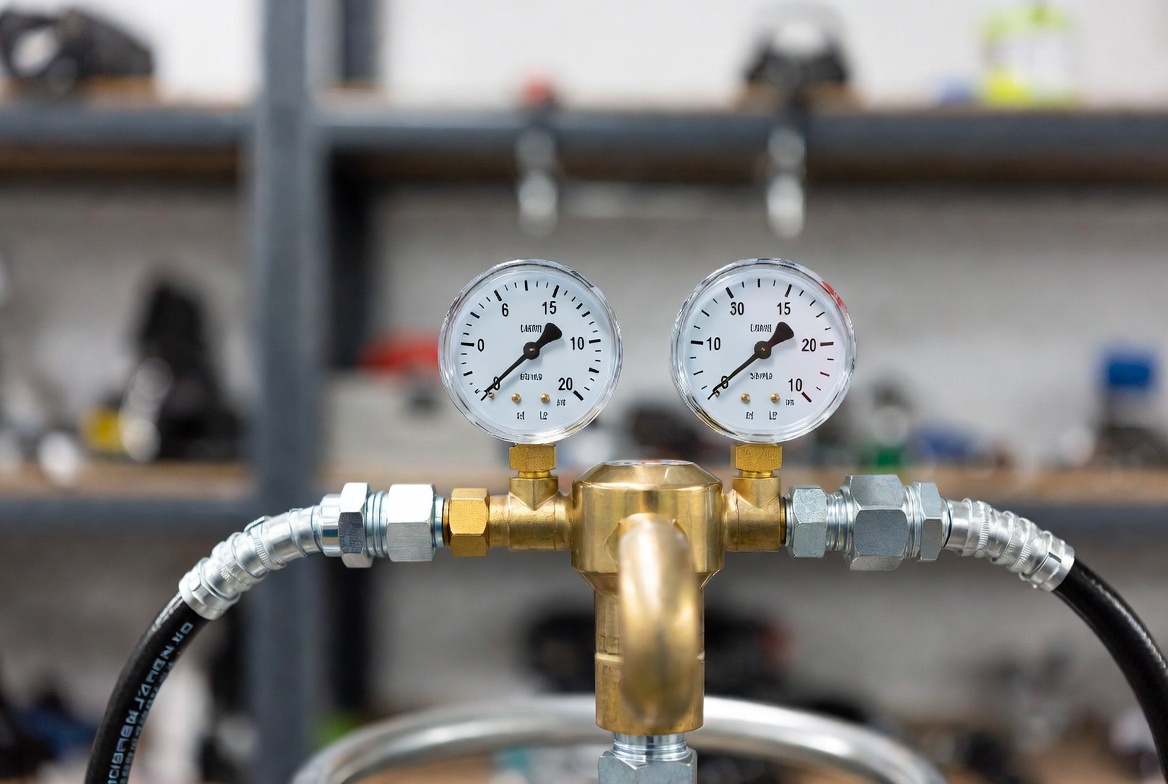
Dual Gauge vs Single Gauge
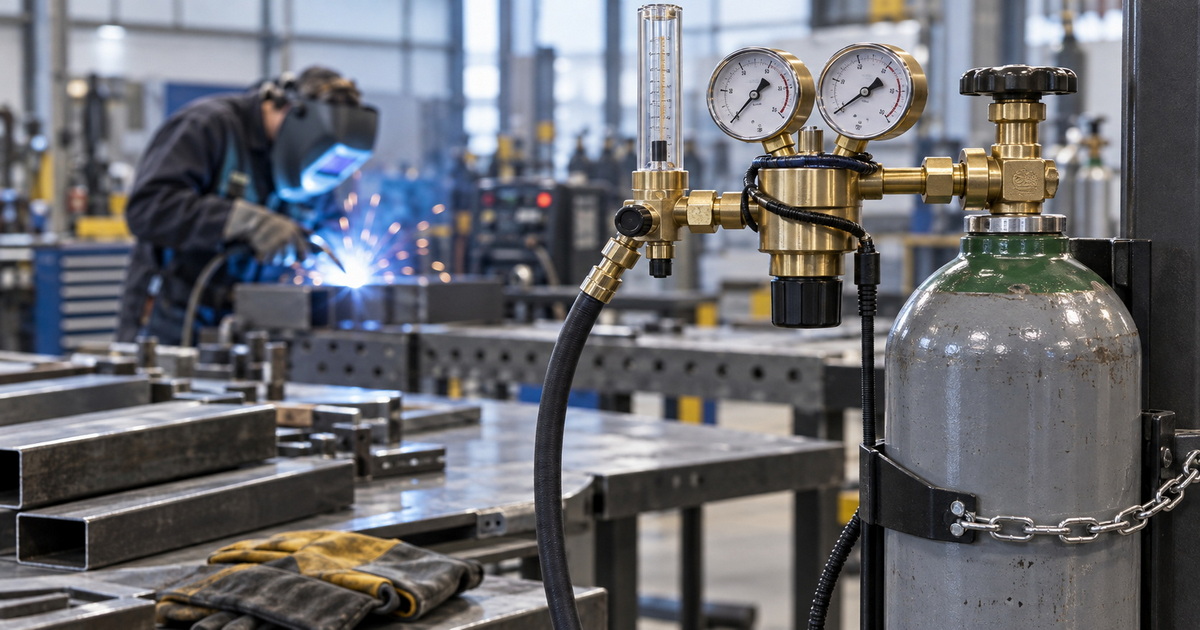
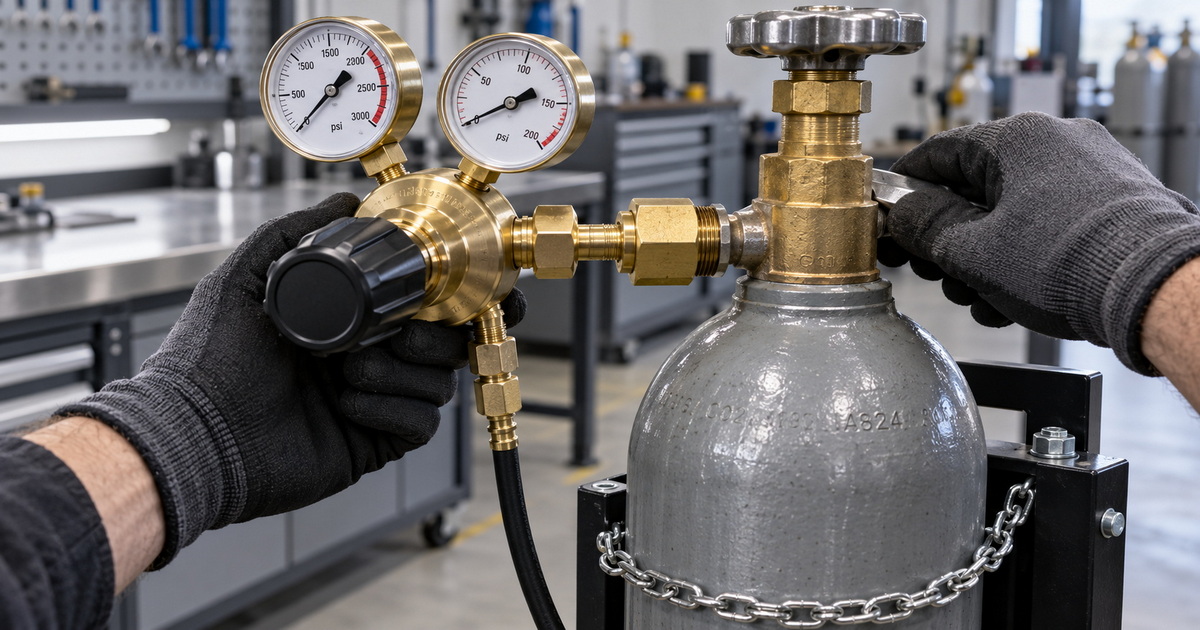
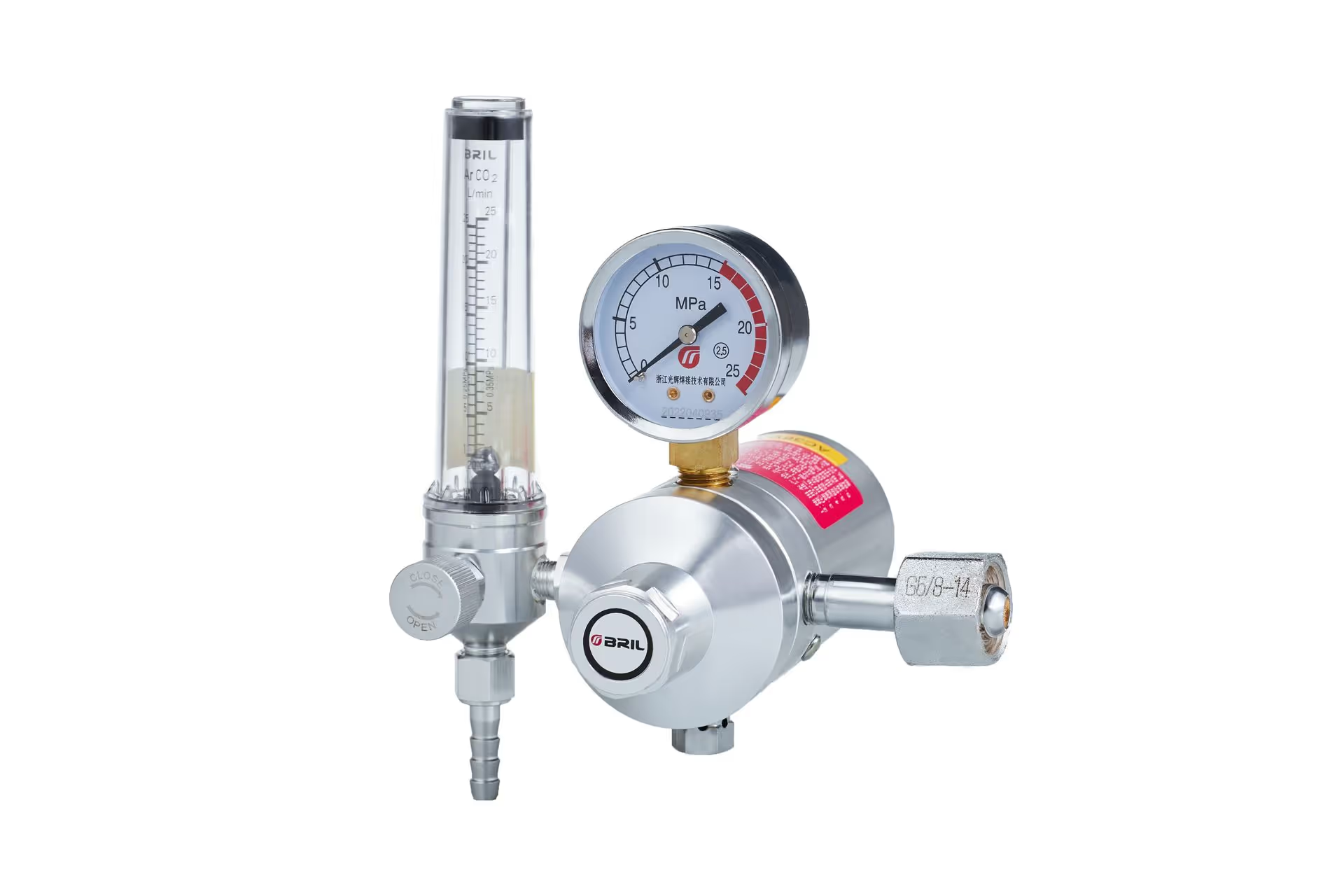
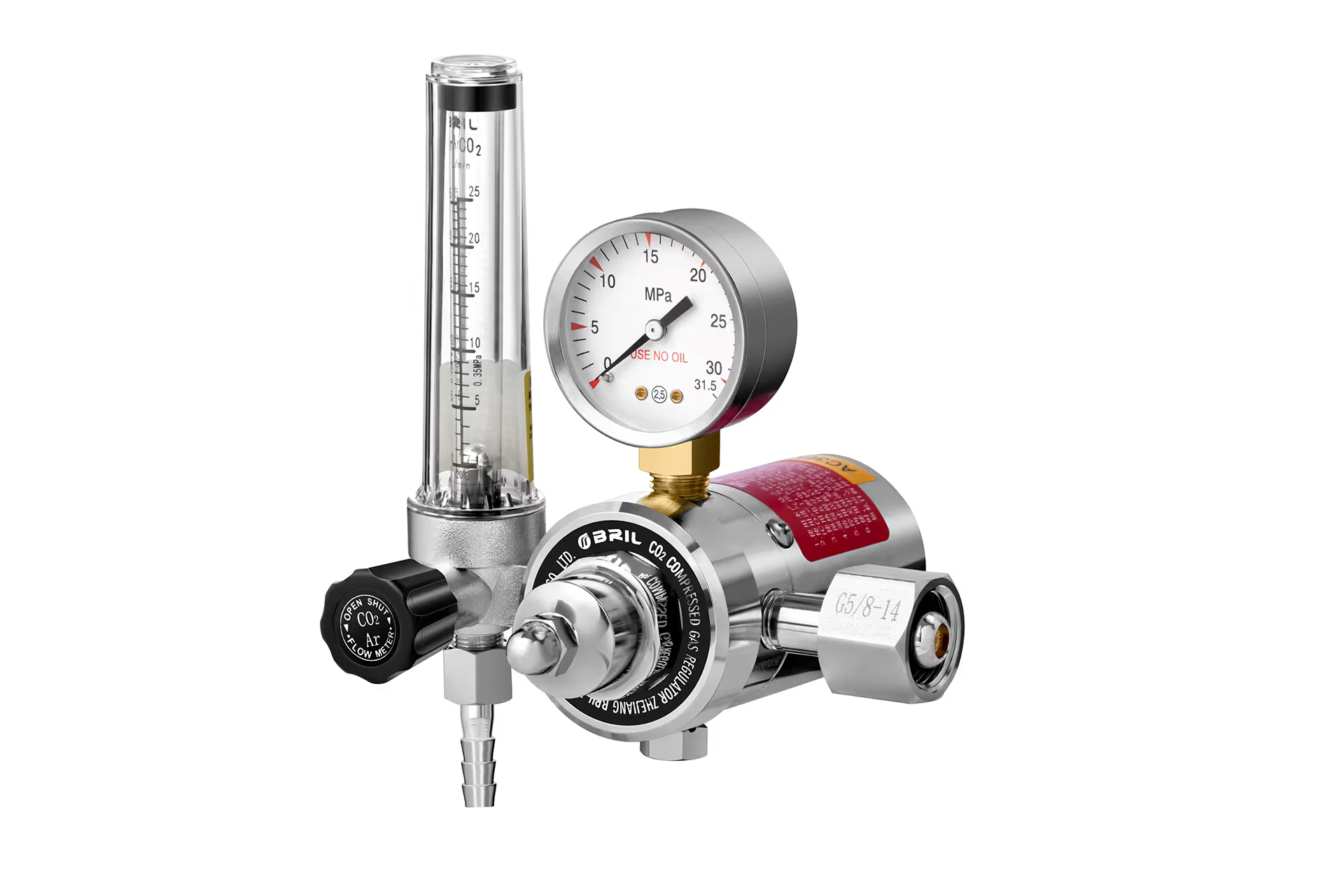
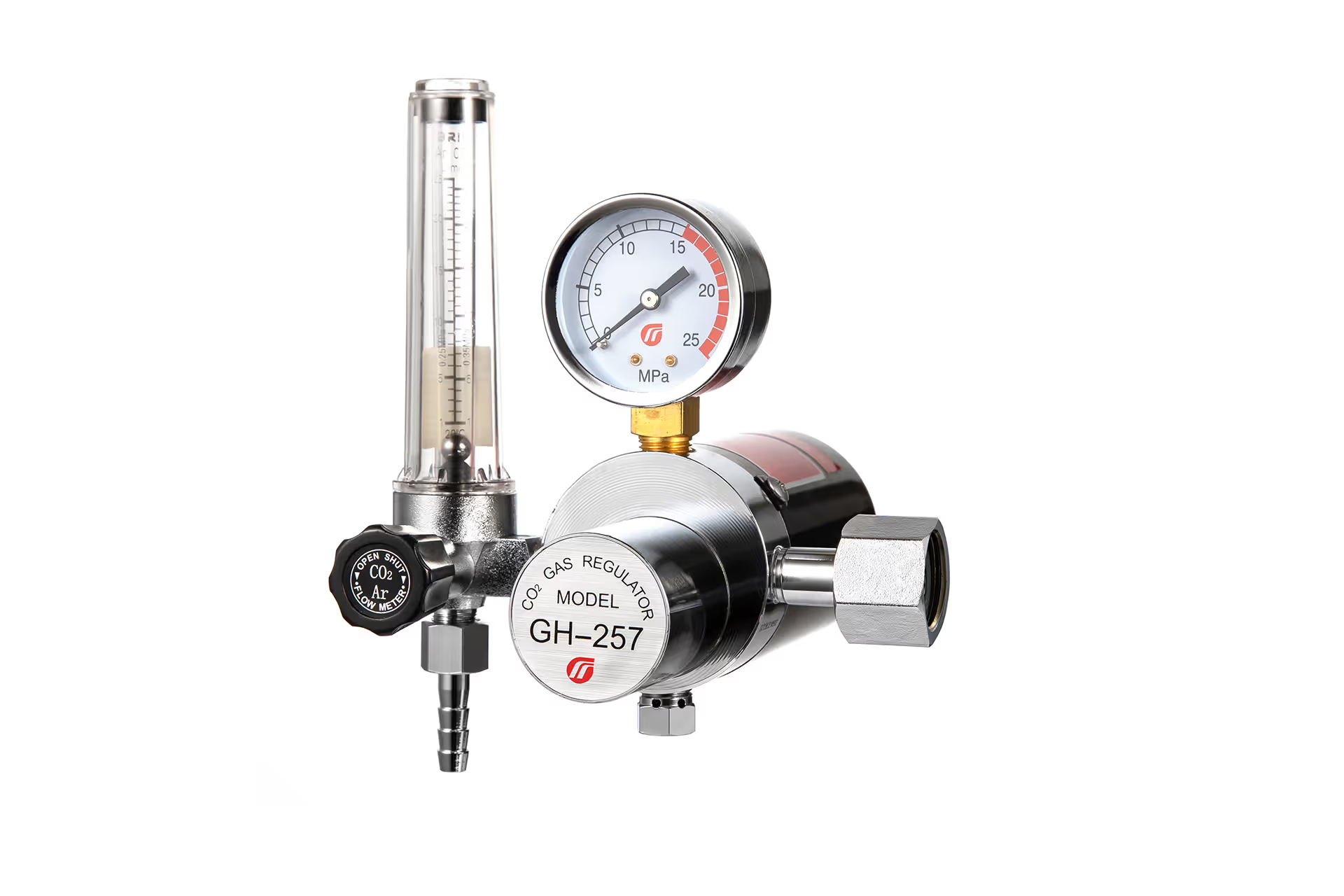
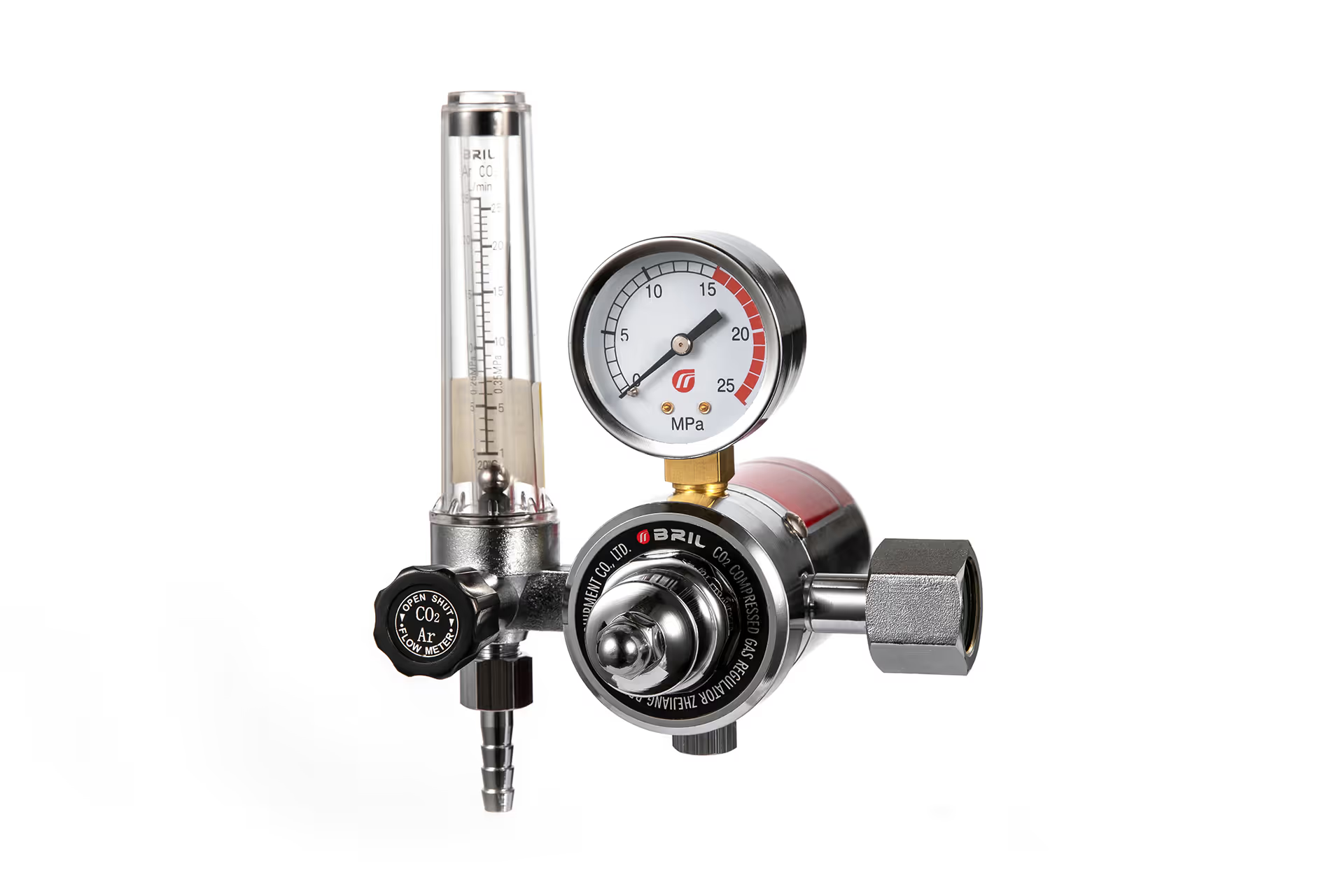
The main difference is simple: a dual gauge regulator shows both cylinder pressure and outlet pressure, while a single gauge regulator shows only one pressure reading. Dual gauge models are especially useful when you want to know how much gas remains in the cylinder and how much pressure is being sent to the keg or beverage line.
Single gauge regulators are easier to read and usually more compact. They work well in simpler systems where the user mainly needs output pressure control and can manage gas inventory through other means.
Side-by-Side Comparison
| Feature | CO₂ Dual Gauge Regulator | Single Gauge Regulator |
|---|---|---|
| Pressure monitoring | Cylinder pressure and outlet pressure | Usually outlet pressure only |
| Ease of use | More information at a glance | Simpler interface |
| Gas inventory tracking | Better visibility of remaining cylinder gas | Less visibility |
| Best for | Commercial bars, breweries, busy beverage systems | Smaller setups, basic dispensing, simpler use cases |
| Maintenance planning | Easier to plan refills and avoid unexpected empty cylinders | More dependent on manual checks |
When Dual Gauge Is the Better Choice
A dual gauge regulator is usually the better option when consistency matters most. It helps operators see both tank charge and delivery pressure, which makes it easier to manage carbonation performance and schedule cylinder replacement before service interruption.
This is especially valuable for:
– High-volume beverage service.
– Draft beer systems with multiple outlets.
– Nitro coffee or soda dispensing setups.
– Users who want stronger process control.
For wholesalers, distributors, and OEM buyers, dual gauge models also create a more premium product position. They are easier to market to commercial customers who care about monitoring, reliability, and reduced downtime.
When Single Gauge Is Enough
A single gauge regulator can be a smart choice when the system is straightforward. If the user mainly needs controlled CO₂ output and does not require frequent monitoring of cylinder fill level, a single gauge design can keep the setup simpler.
It may fit:
– Small kegerators.
– Low-traffic drink stations.
– Temporary beverage installations.
– Budget-sensitive buyers who still want stable pressure control.
The tradeoff is reduced visibility. You know the outlet pressure, but you may not get the same quick insight into how much gas remains in the cylinder.
Pressure Stability Matters
Pressure consistency is one of the biggest factors in beverage quality. Regulators are designed to reduce high cylinder pressure to a stable working pressure, and that stability directly affects carbonation and pour performance. In long-running applications, regulators that maintain steadier output are often preferred because they reduce adjustment frequency.
Single-stage and dual-stage designs are often discussed together because they influence pressure stability differently. In general, if the application is sensitive to output fluctuation, operators tend to favor designs that keep downstream pressure more constant.
Material and Build Quality
For beverage and industrial gas systems alike, construction quality matters. Brass-bodied regulators are widely used because they offer durability and dependable service in compressed gas applications. In the beverage market, stable manufacturing, leak resistance, and clean pressure adjustment are all important.
As a manufacturer with OEM and ODM capability, this is where product differentiation becomes important. Buyers are not only comparing gauge count; they are also comparing body material, sealing performance, thread compatibility, and long-term repeatability.
Expert Buying Guide
If you are choosing between the two, use this simple decision path:
1. Choose dual gauge if you need cylinder pressure visibility, commercial reliability, or better refill planning.
2. Choose single gauge if you want a simpler, lower-complexity system for basic beverage dispensing.
3. Match the regulator to your gas type, outlet range, and connection standard.
4. Confirm whether the system is for home, hospitality, or industrial beverage use.
5. Ask whether the buyer values monitoring convenience more than initial simplicity.
A practical rule is this: if the regulator will be used in a busy service environment, dual gauge is usually the safer and more professional choice.
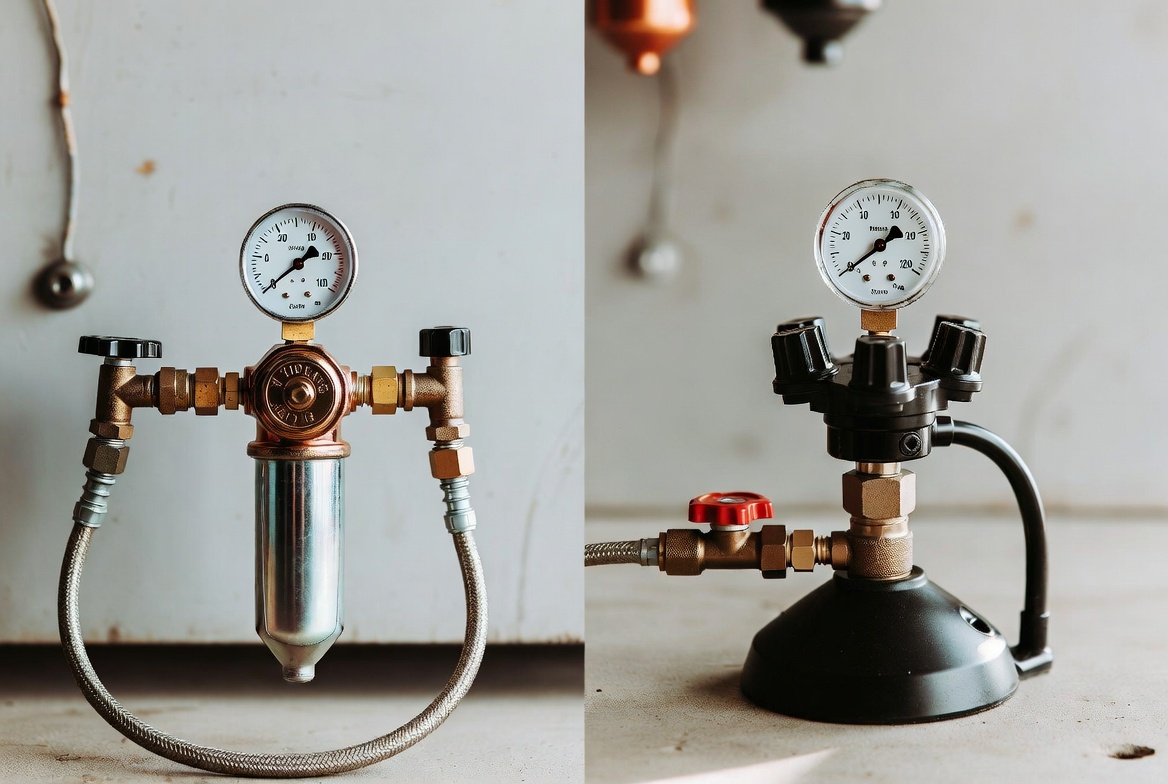
Industry Use Case
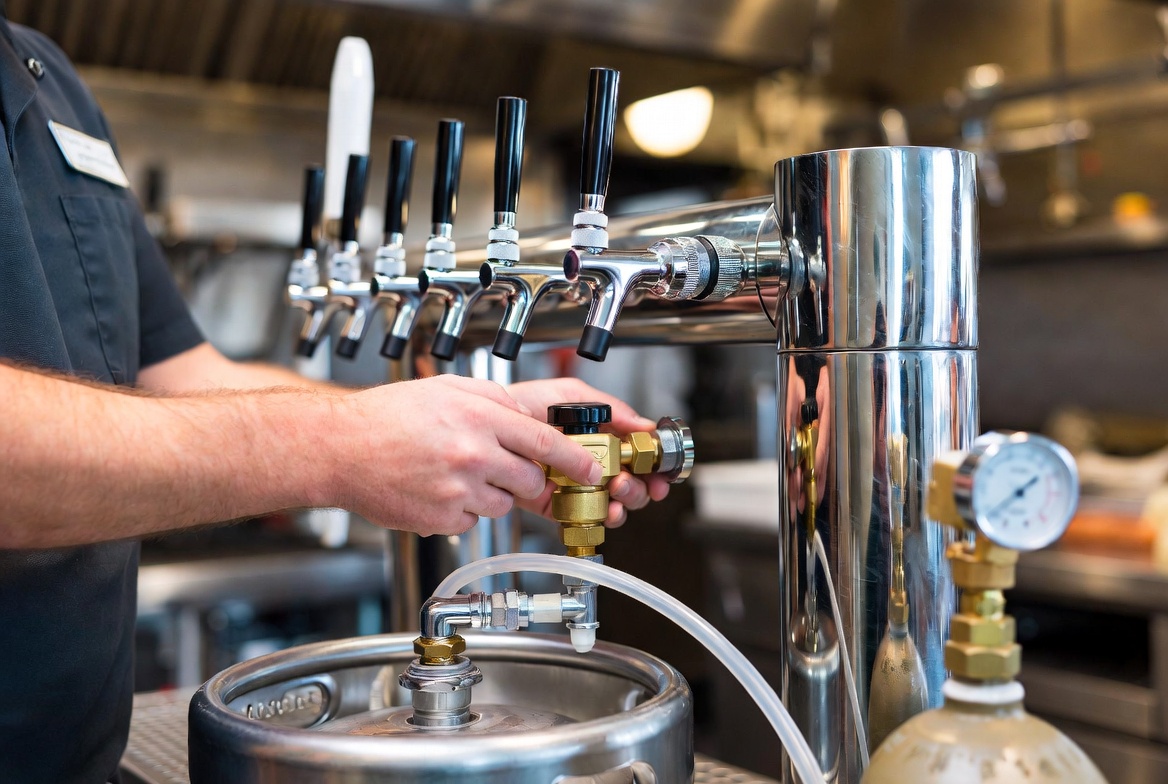
In a draft beverage environment, a bar manager may prefer a dual gauge regulator because it reduces guesswork during peak hours. The staff can see both the working pressure and the remaining cylinder pressure at a glance, which supports smoother service and faster cylinder planning.
In a small beverage setup, however, a single gauge regulator may be enough if the operator checks the system regularly and wants a cleaner, less crowded interface. Both can deliver good results when matched correctly to the application.
Selection Checklist
Before buying, confirm the following:
– Gas type: CO₂ for beverage dispensing.
– Gauge layout: dual gauge or single gauge.
– Outlet pressure range: suitable for carbonation and dispensing.
– Cylinder connection: correct fit for the target market.
– Material: brass or other approved construction.
– Application: home, commercial beverage, or OEM integration.
This checklist helps avoid mismatches and reduces returns, especially in export and wholesale projects.
Why OEM Buyers Care
For OEM and ODM customers, the regulator choice affects product positioning. Dual gauge models often appear more technical and higher value, while single gauge models can be used for simplified product lines or cost-sensitive channels. Both can be customized to match market needs, branding, and regional standards.
For international buyers, consistency in manufacturing and quality inspection is just as important as design. A regulator that performs well in one market should remain stable across batch production, which is why strict testing and controlled assembly are critical.
Final Recommendation
For most beverage dispensing businesses, the CO₂ dual gauge regulator is the stronger all-around choice because it gives better visibility, supports refill planning, and improves operational control. A single gauge regulator still has value, especially for simpler or lower-cost systems, but it offers less information during daily use.
If you want the best balance of performance, monitoring, and commercial usability, dual gauge is usually the better investment.
For beverage brands, distributors, and OEM buyers, the next step is to choose a regulator specification that matches your gas type, outlet pressure target, and market requirements. A professionally designed CO₂ regulator line can improve dispensing consistency and help your product stand out in competitive channels.
FAQ
1. What is the main difference between dual gauge and single gauge CO₂ regulators?
A dual gauge regulator shows both cylinder pressure and outlet pressure, while a single gauge regulator typically shows only one pressure reading.
2. Is a dual gauge regulator better for draft beer?
Yes, in most commercial draft beer setups, a dual gauge regulator is better because it improves pressure visibility and helps operators manage gas supply more effectively.
3. Can a single gauge regulator work for beverage dispensing?
Yes, a single gauge regulator can work well for simple beverage systems where users only need basic outlet pressure control.
4. Why does pressure stability matter in beverage systems?
Stable pressure helps maintain carbonation, reduce foaming, and deliver consistent pour quality.
5. Which regulator is better for OEM beverage projects?
Dual gauge regulators are often preferred for premium or commercial positioning, while single gauge regulators can fit simpler and more cost-sensitive product lines.
6. What material is commonly used for CO₂ regulators?
Brass is a common choice because it is durable and widely used in compressed gas regulator construction.
References
– [All Safe Global — Compressed Gas Regulators for CO2, Oxygen & Nitrogen]
– [Nippon Sanso Matheson — Regulators]
– [Bril Welding Equipment — OEM Welding Gas Regulator Manufacturer]
– [Airgas — Specialty Gas Regulators]
Hot Tags: CO2 Dual Gauge Regulator, Single Gauge Regulator, Beverage Dispensing Regulator, CO2 Regulator Manufacturer, Draft Beer Regulator, Beverage Gas Regulator, Dual Stage Gas Regulator, Brass Gas Regulator, OEM CO2 Regulator, Industrial Gas Control